
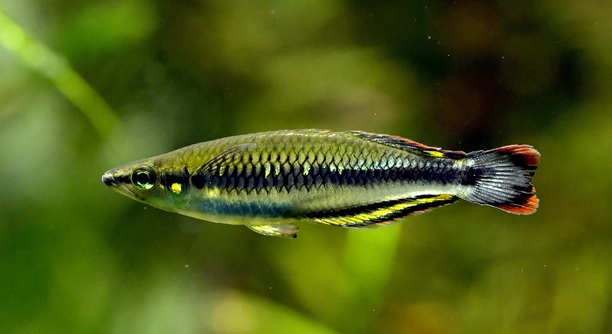
Rainbowfish are colorful freshwater fish that many keep in home aquariums. They are known for their vibrant appearance and active behavior, making them enjoyable to watch. Their interactions with humans can be surprisingly noticeable in certain situations.
Rainbowfish can recognize and respond to human voices. Studies show they may alter their swimming patterns, approach the sound source, or display changes in activity levels. This behavior indicates a level of auditory perception and environmental awareness.
Observing these subtle reactions adds a new layer of connection between you and your rainbowfish. It encourages a closer look at their behavior and the ways they perceive their surroundings.
How Rainbowfish Hear Sounds
Rainbowfish rely on their inner ear and lateral line system to detect vibrations and sounds in the water. Unlike humans, they do not have external ears, so sound travels through water to reach their sensory organs. This ability allows them to sense movement, detect predators, and even respond to human voices. The lateral line runs along the sides of their body and picks up subtle pressure changes, giving them a detailed perception of their surroundings. Experiments have shown that rainbowfish may swim toward or away from sound sources, indicating that they can distinguish between different noises. They often respond more to high-pitched or consistent sounds. Observing this behavior in an aquarium setting reveals how aware they are of their environment. Understanding these hearing abilities helps in creating an enriched habitat that respects their natural instincts.
Their response to human voices is usually subtle but noticeable, often seen as small movements or orientation changes.
These reactions are not random. Rainbowfish can learn to associate certain sounds with feeding times or other routine events. Over time, they may swim closer when they recognize a familiar voice, showing that they are able to connect auditory cues with specific outcomes. This adaptability demonstrates that they are more perceptive than often assumed. Providing a calm and consistent environment can enhance these responses. Loud, sudden noises may startle them, while gentle, repeated interactions can encourage curiosity. Watching how they react can be rewarding, allowing you to see patterns in their behavior. Simple experiments, like speaking softly near the tank, can reveal differences in individual fish, as some may be more responsive than others. These observations help in understanding their preferences and improving overall care.
Encouraging Positive Interaction
Consistent, gentle sounds help rainbowfish become more comfortable with human presence.
Speaking softly near the tank during feeding or cleaning times reinforces recognition. Over weeks, they may swim toward the source of familiar voices, demonstrating learned behavior. Each fish responds differently, and patience is key. Ensuring minimal stress during interactions supports their natural curiosity. Offering treats or maintaining predictable routines strengthens this connection and encourages exploration of the aquarium environment. Avoid abrupt noises, as this may cause stress and limit their willingness to engage. Observing reactions over time allows you to adjust your approach, promoting positive and healthy interactions. Such practices also help maintain a calm environment, reducing sudden movements or disturbances that may unsettle the fish. Creating consistency in voice, timing, and handling contributes to a stable setting where rainbowfish can safely exhibit natural behaviors.
Regular interaction with your rainbowfish can improve their overall well-being. Over time, they may demonstrate anticipation of feeding or other activities linked to human voices, making daily care more engaging. This responsiveness is part of their cognitive abilities and shows that even small, subtle signals can have a meaningful effect on behavior. By paying attention to these cues, it is possible to enrich the aquarium experience. Environmental enrichment, including varied plants, hiding spots, and gentle sounds, supports mental stimulation and reduces stress. Monitoring reactions to different stimuli also allows you to identify preferences and adjust the habitat accordingly. Simple routines, such as consistent feeding times and soft verbal interactions, strengthen recognition and encourage a sense of security. These approaches not only make observing your rainbowfish more enjoyable but also foster a healthier, more responsive aquatic environment.
Training Rainbowfish to Respond
Soft, consistent sounds help rainbowfish learn to recognize human voices. Repetition and patience improve their responsiveness over time.
Using gentle verbal cues during feeding encourages them to approach specific areas of the tank. Over several weeks, fish may associate your voice with food. This type of conditioning requires consistency and observation. Some fish respond faster than others, and results vary depending on individual temperament. Positive reinforcement through small treats or favorite foods strengthens this association. Avoid sudden noises that could startle them, as it may interrupt learning. Keeping interactions brief and calm helps maintain their comfort and curiosity.
Observing their behavior during training shows clear patterns. Rainbowfish may swim closer, pause, or turn toward the source of a familiar voice. These responses indicate that they are actively processing sound cues. Not all fish react the same way; some are naturally more curious, while others remain cautious. Tracking these differences allows you to adapt your approach and improve engagement. Consistent training enhances both the fish’s comfort with human interaction and your understanding of their unique behaviors. Over time, this can strengthen your ability to communicate and interact without causing stress.
Training can also influence overall tank dynamics. When fish learn to respond to cues, feeding becomes more organized, reducing competition and stress among tank mates. They may even follow your movements during routine maintenance, reflecting increased awareness and anticipation. This type of enrichment stimulates mental activity, keeping them active and engaged. Ensuring that sounds are clear but not overwhelming is key, as overexposure can lead to stress. Gentle repetition encourages learning without negative consequences. Tracking their reactions over time helps refine techniques, making interactions smoother. With patience, consistent effort, and attention to individual personalities, training rainbowfish enhances their daily environment and fosters a responsive, lively aquarium.
Common Mistakes When Interacting
Too loud or abrupt noises often scare rainbowfish, causing stress and hiding behavior. Avoid sudden movements near the tank.
Overfeeding as a reward can disrupt tank balance. Small, controlled treats are enough to reinforce recognition. Avoid inconsistent cues, which confuse fish and slow learning. Crowding the tank or tapping glass can also trigger defensive responses. Maintaining a calm, predictable environment ensures they remain comfortable and receptive. Observing each fish individually helps tailor interactions, improving responsiveness while reducing stress.
Stress impacts rainbowfish health, leading to illness or reduced activity. Sudden loud sounds or rapid gestures make them retreat or hide. Inconsistent reinforcement during feeding or handling may confuse them, limiting their ability to recognize human voices. Overcrowding or abrupt environmental changes also disrupt their sense of security. Using gentle, repeatable cues strengthens learning without causing tension. Regular observation and adjusting approaches to suit individual fish can prevent negative outcomes. Creating a calm, predictable routine ensures both proper development and consistent engagement with their environment. Over time, healthy, stress-free fish are more likely to respond positively and display natural behaviors.
Sounds That Attract Rainbowfish
High-pitched, consistent tones often catch rainbowfish attention more effectively than low or sudden noises. Repetition helps them associate sounds with familiar routines.
Gentle, soft speaking near the tank works best. Avoid loud or erratic noises, which can startle them and cause hiding behavior.
Using Voice During Feeding
Speaking in a calm, steady tone while adding food helps rainbowfish link your voice to mealtime. Over time, they may swim toward the sound in anticipation. This approach reinforces recognition without causing stress, allowing for a more interactive feeding experience. Consistency in timing, tone, and volume is key to maintaining engagement. Some fish respond faster, while others may take longer to connect the cues. Observing individual differences allows you to adjust techniques and ensure all fish feel comfortable. Reinforcing positive behavior with small rewards strengthens the learning process, making interactions more predictable and enjoyable.
Signs They Recognize You
Swimming closer or turning toward your voice are clear indicators that rainbowfish are aware of your presence and can identify familiar sounds.
Do rainbowfish respond to all human voices the same way?
Rainbowfish do not react identically to every voice. Factors like tone, pitch, volume, and consistency affect their responses. Soft, calm voices are usually more effective, while loud, abrupt sounds may startle them. Each fish also has its own temperament, so individual differences are common. Some may immediately swim toward a familiar voice, while others remain cautious. Observing each fish over time helps determine which sounds elicit the best response. Repeating gentle cues consistently reinforces recognition and encourages positive interaction without causing stress.
How long does it take for rainbowfish to recognize a voice?
Recognition depends on consistency and repetition. Typically, if you speak softly near the tank during feeding or other routine activities, rainbowfish can begin associating your voice with outcomes within a few weeks. Some fish may respond faster, especially if they are naturally curious, while others require longer exposure. Patience is important. Using gentle, predictable cues and maintaining calm interactions speeds up learning. Over time, they may approach the sound source or alter swimming patterns when they hear a familiar voice, showing clear recognition.
Can rainbowfish distinguish between different voices?
Yes, they can. Studies suggest rainbowfish are capable of distinguishing between tones and patterns of sound. This means they can differentiate between the voices of different people. While their perception is not as complex as humans, familiar voices linked to feeding or routine activities are more likely to provoke recognition. It is helpful to keep interactions consistent to reinforce learning. Fish may respond differently to each person, and tracking reactions helps identify who they recognize best. Small, repeated verbal cues strengthen this distinction over time.
Is it safe to speak near a rainbowfish tank?
Speaking softly near the tank is generally safe. Sudden, loud, or high-intensity sounds may cause stress or prompt hiding behavior. The goal is to create calm, predictable interactions. Avoid banging on the glass or shouting, which can disrupt their environment. Gentle, repeated verbal cues during feeding or cleaning routines are sufficient to encourage recognition without negative effects. Maintaining a consistent, quiet environment helps rainbowfish feel secure while reinforcing their awareness of familiar human voices.
Will rainbowfish respond differently depending on the time of day?
Yes, time of day can influence responses. Rainbowfish are more active during daylight hours, which is typically when they respond best to voices and cues. Early morning or late evening may see reduced activity and slower reactions. Aligning interactions with periods of natural activity improves responsiveness. Feeding and voice cues during these active times are more effective for conditioning. Observing their daily rhythm allows you to choose the best moments for interaction, ensuring they remain engaged without unnecessary stress.
Do rainbowfish respond to visual cues along with voices?
Yes, visual signals often enhance their reaction to human voices. Movement near the tank, hand gestures, or consistent positioning during feeding helps fish associate sound with action. Combining gentle verbal cues with visual presence strengthens recognition and encourages approach behaviors. Avoid sudden or erratic movements, which can overwhelm or frighten them. Over time, they may begin to anticipate feeding or routine events by observing consistent patterns paired with familiar sounds, making interactions smoother and more predictable.
Can recognizing voices improve rainbowfish behavior?
Yes, recognition can lead to positive behavioral changes. Fish that associate human voices with routine activities, such as feeding or cleaning, are often more confident and active in the tank. They may explore more, swim closer to the front, or display curiosity without stress. Consistent, gentle interactions promote mental stimulation and reduce anxiety. By learning to respond to auditory cues, rainbowfish demonstrate adaptability and engagement with their environment. Observing and reinforcing these behaviors helps maintain their overall well-being while fostering predictable, safe interactions.
What are common mistakes when trying to get rainbowfish to recognize voices?
Common mistakes include speaking too loudly, using inconsistent cues, overfeeding as a reward, or sudden movements near the tank. These actions can cause stress, confusion, or hiding behavior. Another mistake is expecting immediate results, as recognition develops gradually. Consistency, gentle repetition, and attention to individual fish personalities are key to successful interactions. Avoid abrupt environmental changes that may unsettle them. Tracking their responses and adjusting approach based on observations ensures positive reinforcement without creating negative associations.
Can stress affect a rainbowfish’s response to voices?
Yes, stress significantly affects responsiveness. Crowded tanks, sudden noises, poor water quality, or frequent disturbances can reduce their willingness to respond. Stress may cause hiding, erratic swimming, or reduced activity. Minimizing these factors creates a calm environment that encourages recognition of familiar voices. Consistency in interactions and routine care supports a sense of security. Healthy, unstressed fish are more likely to show curiosity, approach voices, and display natural behaviors, making training and observation more effective and rewarding.
Do all rainbowfish species react the same way to human voices?
Reactions vary among species. While most rainbowfish show some level of response, activity levels, temperament, and sensory sensitivity differ. Some species are naturally bolder and more interactive, while others are cautious or shy. Understanding the specific species in your tank allows for tailored approaches. Observing patterns, maintaining calm routines, and offering gentle repetition help each species respond effectively. Adapting interaction methods to species-specific behavior ensures recognition develops without stress, enhancing overall care and engagement in the aquarium environment.
Rainbowfish are more perceptive than they often appear. They can detect sounds, recognize patterns, and even respond to human voices when cues are consistent and gentle. Observing their reactions can be a rewarding experience, as it allows you to notice subtle behaviors that reveal their awareness of the environment. Simple actions like speaking softly during feeding or routine maintenance can encourage interaction without causing stress. Over time, rainbowfish may swim closer, pause, or turn toward a familiar voice, showing that they can associate sound with specific outcomes. These small responses are not just entertaining; they also indicate cognitive abilities and adaptability that are often overlooked in home aquariums. Paying attention to these behaviors provides valuable insight into their natural instincts and preferences, which can guide better care and create a more engaging tank environment.
Creating a calm and predictable environment is key to encouraging these responses. Rainbowfish are sensitive to loud or abrupt noises, sudden movements, and overcrowding. All of these factors can lead to stress, which reduces their willingness to interact or respond to familiar voices. By keeping routines consistent, maintaining appropriate tank conditions, and offering gentle auditory cues, you can foster a sense of security for the fish. Individual differences also play a role, as some rainbowfish may be naturally more curious and responsive, while others remain cautious or shy. Observing each fish individually allows you to adjust your approach and find the methods that work best for each one. Over time, these consistent efforts can enhance engagement, stimulate natural behaviors, and strengthen the overall dynamic of the aquarium.
Training and interaction do more than just encourage recognition. They contribute to the overall well-being of rainbowfish by providing mental stimulation, reducing stress, and promoting active behavior. Using small, controlled rewards in combination with voice cues can reinforce learning and create predictable routines that the fish understand. These practices also help you notice patterns in individual behavior, preferences, and responsiveness. By respecting their needs and providing gentle, consistent interaction, you can enjoy a more connected experience with your rainbowfish while ensuring they remain healthy and comfortable. Observing the subtle ways they respond to voices reminds us that even small, consistent actions can have a meaningful impact on their environment, making care more engaging and rewarding.

Hello,
If you enjoy the content that we create, please consider saying a "Thank You!" by leaving a tip.
Every little bit helps us continue crafting quality advice that supports the health, happiness, and well-being of pets around the world, for pets of all shapes, sizes, and species.
We really appreciate the kindness and support that you show us!