
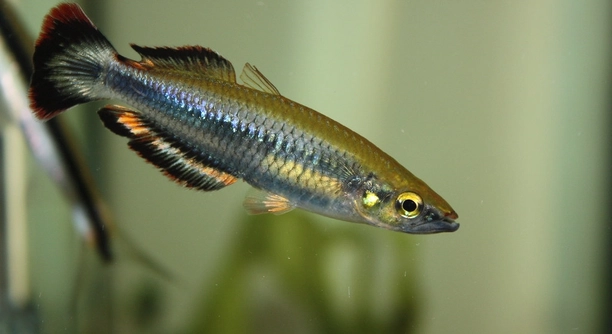
Rainbowfish are bright, small, and full of energy, making them a favorite among aquarium enthusiasts. Observing their lively movements can be fun, but sometimes these colorful fish display unexpected aggressive behavior toward each other.
Rainbowfish may fight due to territorial disputes, competition for food, or social hierarchy issues. Environmental stressors, overcrowding, and breeding instincts can also trigger aggressive interactions, making it important for aquarists to monitor their tank conditions and fish behavior closely.
Understanding these common causes will help you create a calmer environment for your rainbowfish and prevent unnecessary conflicts in your aquarium.
Territorial Disputes
Rainbowfish are naturally territorial, especially in smaller tanks. When space is limited, they establish their own areas and may chase or nip other fish that enter. Males tend to be more aggressive during these interactions, often displaying bright colors or fin flaring to assert dominance. Proper tank size and plenty of hiding spots can reduce tension. Observing their behavior early allows you to intervene before minor scuffles become serious injuries. Placing decorations like plants and rocks can create natural barriers and make each fish feel more secure. Grouping rainbowfish with compatible tank mates also helps maintain a peaceful environment, as aggressive tendencies often decrease in a well-balanced community.
Providing a tank with enough space and hiding areas reduces aggressive territorial behavior among rainbowfish, helping maintain harmony in a shared aquatic environment.
Even with proper space, small disagreements may occur. Monitoring interactions and adjusting tank layout can prevent frequent fighting. Separating aggressive individuals temporarily often calms the group and maintains a healthier atmosphere for all the fish.
Competition for Food
Rainbowfish can become competitive during feeding times, especially when food is limited.
Unequal access to food often leads to nipping or chasing. Fast feeders may dominate, leaving slower fish stressed or undernourished.
To prevent fights over food, distribute it evenly across the tank so all fish have a chance to eat. Using sinking pellets in addition to floating flakes allows less aggressive fish to access nourishment. Feeding smaller amounts more frequently rather than one large meal can reduce tension. Observing feeding behavior helps you notice if certain fish are consistently bullied, enabling timely intervention. Sometimes, creating multiple feeding spots or slightly separating aggressive feeders can improve fairness. Healthy, well-fed rainbowfish are less likely to act aggressively toward each other. Adjusting diet and feeding methods can make a noticeable difference in overall tank harmony, ensuring that all rainbowfish thrive without stress or injury from competition.
Social Hierarchy
Rainbowfish establish a social hierarchy that determines which fish are dominant. Aggressive behavior often emerges as they compete for status, particularly among males. Lower-ranking fish may be chased, nipped, or stressed, especially in confined spaces.
Understanding hierarchy helps prevent unnecessary stress in the tank. Observing interactions allows you to notice patterns and intervene when aggression becomes harmful. Adjusting tank layout or temporarily separating certain individuals can restore balance. Dominant fish often display brighter colors or more active swimming, while submissive fish retreat to hiding spots. Ensuring each fish has personal space reduces conflicts, allowing all rainbowfish to coexist with minimal stress.
Providing enough room and visual barriers like plants and rocks helps rainbowfish establish their social ranks safely. Monitoring group dynamics ensures lower-ranking fish are not constantly bullied, maintaining a healthier and calmer environment.
Breeding Instincts
During breeding periods, rainbowfish become highly protective of mates and eggs. Aggression increases as males chase rivals and guard territories around spawning sites.
Females may also show defensive behavior, particularly around fry. Tankmates not involved in breeding can become targets of nips or chases.
To reduce conflicts during breeding, consider temporary separation of males or providing multiple hiding areas. Dense vegetation or floating plants give both sexes space to avoid constant confrontation. Maintaining clean water and a consistent feeding routine also reduces stress and supports reproductive health. Observing breeding pairs closely helps prevent injury, and adjusting tank conditions ensures the process is safe for all rainbowfish. Proper preparation allows natural behaviors without excessive fighting.
Overcrowding
Too many rainbowfish in a tank increases stress and triggers fights. Limited space forces them into closer contact, heightening territorial disputes and dominance struggles.
Overcrowding can lead to constant chasing and nipping, affecting all fish. Proper stocking levels are essential to keep the community calm and reduce aggression.
Environmental Stress
Changes in water temperature, pH, or cleanliness can stress rainbowfish. Stressed fish are more likely to act aggressively, even in otherwise peaceful tanks.
Maintaining stable water conditions and regular cleaning routines helps minimize stress. Monitoring water quality and avoiding sudden changes protects fish from unnecessary tension, supporting calmer interactions.
Mismatched Tank Mates
Rainbowfish may fight if other fish in the tank are aggressive or incompatible. Predatory or overly active species can provoke stress and defensive behavior.
Choosing peaceful, similarly sized tank mates prevents frequent conflicts. Compatibility ensures rainbowfish feel secure, reducing stress-driven aggression and maintaining a balanced aquarium environment.
FAQ
Why do rainbowfish suddenly start fighting after being peaceful?
Rainbowfish can appear peaceful but may suddenly become aggressive due to changes in their environment. New fish added to the tank, rearranged decorations, or fluctuations in water quality can trigger stress and territorial behavior. Even minor disturbances may cause dominant individuals to assert themselves more forcefully.
How can I tell if the fighting is serious?
Serious fights often leave visible injuries such as torn fins, red marks, or missing scales. Constant chasing, prolonged cornering, or one fish hiding most of the time indicates a problem. Mild squabbles are usually brief and do not leave lasting damage. Observing behavior carefully helps distinguish minor disputes from dangerous aggression.
Can overcrowding make rainbowfish more aggressive?
Yes. Overcrowding increases competition for space and resources, which heightens tension. Each fish has less room to swim and establish its territory, causing frequent chasing or nipping. Ensuring proper tank size and reducing the number of fish per gallon lowers stress and helps maintain peace.
Do rainbowfish fight more during feeding times?
Yes. Limited access to food can lead to competition, especially if fast eaters dominate the feeding area. This can stress slower or smaller fish. Spreading food evenly across the tank and offering multiple feeding spots ensures all fish get a fair share, reducing aggression during meals.
Does the social hierarchy affect rainbowfish behavior?
Rainbowfish naturally form a hierarchy where dominant fish assert control over territory and resources. Submissive fish often retreat to hiding spots. Understanding this hierarchy allows you to intervene when aggression becomes harmful. Providing space and visual barriers helps rainbowfish establish ranks without constant fighting.
Can breeding make rainbowfish aggressive?
Yes. During breeding, males protect mates and spawning areas, which increases aggression. Females may also become defensive around eggs or fry. Temporary separation of breeding pairs or providing dense vegetation reduces conflicts and allows natural behavior without harming other fish in the tank.
Do environmental changes trigger aggression?
Sudden changes in temperature, pH, or water quality can stress rainbowfish, making them more prone to fights. Consistent water parameters, regular maintenance, and gradual adjustments prevent stress-related aggression and keep fish calmer. Monitoring conditions closely ensures the tank environment supports peaceful behavior.
Are mismatched tank mates a problem?
Rainbowfish are peaceful by nature, so aggressive or predatory tank mates can provoke fighting. Choosing compatible, similarly sized, and non-aggressive fish prevents stress-driven aggression. A balanced community allows rainbowfish to feel secure, reducing unnecessary confrontations and ensuring all fish coexist safely.
How can I reduce aggression in my tank?
Providing enough space, hiding areas, and stable water conditions are key. Observing behavior, spreading food evenly, and monitoring interactions between dominant and submissive fish helps prevent fights. Temporary separation of aggressive individuals can restore balance and ensure a calmer, safer environment for all rainbowfish.
Is it normal for some rainbowfish to bully others?
Yes, especially in smaller tanks or during hierarchy establishment. Dominant fish may chase or nip weaker fish, but proper tank layout, adequate space, and visual barriers reduce bullying. Ensuring each fish has personal space minimizes stress and allows weaker fish to feel safe while coexisting peacefully.
Rainbowfish are lively and colorful fish that bring life to any aquarium, but their behavior can sometimes be surprising. Aggression is a natural part of their interactions, often influenced by space, hierarchy, or environmental factors. Understanding why rainbowfish fight helps create a calmer and safer environment. Each fish has its own personality, and some are naturally more dominant, while others are more timid. By observing their behavior carefully, you can notice patterns, such as frequent chasing, nipping, or hiding, which indicate stress or conflict. Providing enough space is one of the simplest ways to reduce aggression. A crowded tank increases tension and forces fish into constant competition for territory, which can escalate minor disagreements into serious fights. Adding visual barriers, such as plants, rocks, or decorations, helps fish feel secure and provides retreat spaces for lower-ranking individuals. Even small adjustments to the tank layout can make a big difference in reducing stress and encouraging peaceful interactions among rainbowfish.
Feeding habits also play a role in their behavior. Competition over food can trigger chasing or aggressive displays, especially when faster fish dominate the feeding area. Distributing food evenly throughout the tank ensures that all fish get a chance to eat, reducing conflict during mealtime. Feeding smaller amounts more frequently can help maintain calm, as large single feedings often create a rush that encourages aggressive behavior. Observing feeding sessions is important to notice if certain fish are consistently bullied or left out. In some cases, temporarily separating aggressive feeders or adjusting feeding spots can restore fairness and balance. A well-fed rainbowfish community is less likely to engage in unnecessary fights, and healthy fish are more likely to display natural, relaxed behavior. Combined with proper tank size, hiding spaces, and stable water conditions, thoughtful feeding practices play a significant role in maintaining a peaceful aquarium.
Environmental stability is another key factor in keeping rainbowfish calm. Sudden changes in water temperature, pH, or cleanliness can stress fish and trigger aggression, even in otherwise peaceful tanks. Regular maintenance and consistent water parameters help prevent stress-related conflicts. During breeding periods, aggression may increase as males protect mates and spawning sites, and females may also act defensively around eggs or fry. Dense vegetation, floating plants, and extra hiding spaces can reduce confrontations and allow natural behaviors to occur safely. Choosing compatible tank mates is equally important, as aggressive or predatory species can provoke defensive or territorial behavior in rainbowfish. By combining these strategies—adequate space, stable conditions, thoughtful feeding, and compatible companions—you can create a balanced aquarium where rainbowfish thrive and display their beautiful colors without unnecessary fighting. Monitoring behavior closely and making small adjustments as needed ensures a healthier, calmer environment for all the fish in your tank.

Hello,
If you enjoy the content that we create, please consider saying a "Thank You!" by leaving a tip.
Every little bit helps us continue crafting quality advice that supports the health, happiness, and well-being of pets around the world, for pets of all shapes, sizes, and species.
We really appreciate the kindness and support that you show us!