
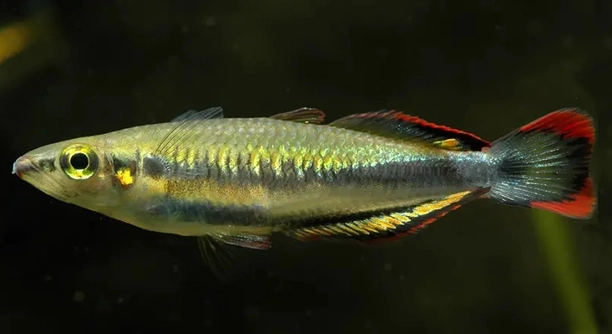
Have you ever noticed that your juvenile rainbowfish are not growing as fast as you expected? Watching them swim slowly can be worrying, especially when you want them to thrive in a healthy aquarium environment.
Slow growth in juvenile rainbowfish is commonly caused by factors such as poor water quality, inadequate nutrition, overcrowding, stress, disease, improper temperature, and insufficient light. Each of these elements directly impacts the fish’s metabolism, development, and overall health in a measurable way.
Understanding these causes can help you make small but important changes. Taking care of your rainbowfish now ensures they grow strong and healthy over time.
Poor Water Quality
Poor water quality is one of the most common reasons juvenile rainbowfish grow slowly. When ammonia, nitrites, or nitrates accumulate, it puts stress on young fish. Even small changes in pH or hardness can affect their metabolism. I’ve noticed that my fish become less active and eat less when the water isn’t clean. Regular water testing and partial water changes make a big difference. It’s important to maintain a stable environment because sudden changes can shock them. Filtration helps, but it cannot replace consistent maintenance. Temperature fluctuations or leftover food can worsen water conditions quickly. Proper aeration is also essential, as low oxygen levels can limit growth. Even if the tank looks clean, harmful chemicals can build up over time. Taking the time to monitor water parameters keeps your rainbowfish healthy. This is especially true for juveniles, which are more sensitive than adults.
Keeping water clean helps rainbowfish remain active and grow consistently.
Juvenile rainbowfish thrive best in a stable, clean environment. Consistent water testing, regular partial changes, and careful monitoring of ammonia, nitrites, and pH ensure their growth. A clean tank reduces stress, prevents disease, and promotes proper feeding behavior. Young fish are highly sensitive, so even minor water issues can slow growth. Good filtration and aeration support oxygen levels. Avoid overfeeding, as uneaten food can pollute the tank. Observing your fish daily helps spot early signs of water problems. Clear water encourages normal swimming patterns and appetite. Over time, maintaining optimal water conditions produces stronger, more vibrant rainbowfish.
Inadequate Nutrition
Juvenile rainbowfish need a balanced diet to grow properly. Without sufficient protein, vitamins, and minerals, growth can slow dramatically. Feeding only flakes or the same food repeatedly may leave gaps in their nutrition. Variety is key to supporting strong bones and bright colors.
Offering high-quality foods supports healthy growth and energy.
A proper diet for juvenile rainbowfish should include live or frozen foods such as daphnia, brine shrimp, and bloodworms, along with high-quality flake or pellet foods. Feeding small amounts several times a day ensures they get enough nutrients without overfeeding. Protein is essential for building muscle, while vitamins like C and E strengthen the immune system. Young fish are growing rapidly, so missing nutrients can affect their size and health. Rotating foods prevents deficiencies and encourages natural hunting behavior. Observing how your fish eat can help identify if certain foods are being ignored. A balanced diet, combined with clean water and proper tank conditions, gives juvenile rainbowfish the best chance to develop fully and display vibrant colors as they mature.
Overcrowding
Too many fish in a tank can slow growth in juvenile rainbowfish. Crowded conditions increase stress, reduce swimming space, and limit access to food, all of which affect their development and overall health.
Overcrowding causes constant competition for resources. Juvenile rainbowfish may struggle to find enough food or hide from more dominant tankmates. Limited space can restrict their natural swimming behavior, which is necessary for proper muscle development. Stress from crowded conditions weakens their immune system, making them more prone to disease. Tanks that seem full may appear lively, but the hidden stress on young fish can significantly slow their growth. Adjusting population levels and providing ample swimming space helps them develop normally.
Juvenile rainbowfish thrive when they have room to swim and explore. Proper tank size, along with hiding spots and plants, allows them to reduce stress, maintain healthy interactions, and access food freely. Ensuring an appropriate number of fish in the tank encourages steady growth, healthy behavior, and better long-term survival. Observing interactions helps identify any overly aggressive fish that may need separation.
Stress and Handling
Stress from sudden changes or frequent handling can stunt juvenile rainbowfish growth. Moving them too often or disturbing their tank environment impacts feeding and energy levels. Stress affects both behavior and physical development.
Even small environmental changes, such as rearranging decorations, adjusting temperature quickly, or introducing new tankmates, can stress young rainbowfish. They are highly sensitive to disturbances, and repeated stress interrupts normal growth patterns. Stress reduces appetite, causing malnutrition even if food is available. It also weakens the immune system, leaving fish more susceptible to infections. Providing stable conditions, gentle interactions, and gradual adjustments helps minimize stress and supports proper growth.
Handling juvenile rainbowfish should be done sparingly and with care. Using soft nets, avoiding sudden movements, and limiting disturbances ensures their energy is focused on growth. Observing their behavior helps identify stress signs, allowing corrective action. Calm and predictable tank conditions, along with consistent feeding and water quality, create an environment where juvenile rainbowfish can thrive. Stress reduction is as important as nutrition or water quality in promoting healthy development and vibrant coloration.
Disease and Parasites
Disease and parasites can significantly slow the growth of juvenile rainbowfish. Even minor infections reduce appetite and energy, preventing proper development. Early detection and treatment are essential to avoid long-term impacts.
Maintaining a clean tank and quarantining new fish helps prevent the spread of illness. Healthy fish are more resilient, and prompt care minimizes growth setbacks.
Improper Temperature
Juvenile rainbowfish require stable, appropriate water temperatures to grow properly. Water that is too cold or too warm disrupts metabolism, slows feeding, and can weaken the immune system. Keeping the temperature within the recommended range supports steady growth and overall health.
Insufficient Light
Insufficient light can affect juvenile rainbowfish growth indirectly. Poor lighting reduces plant health and visibility, which can alter feeding behavior and tank activity. Consistent lighting helps maintain a natural rhythm and encourages normal development.
FAQ
What is the ideal water temperature for juvenile rainbowfish?
Juvenile rainbowfish grow best in water that stays between 24°C and 28°C (75°F–82°F). Temperatures outside this range can slow metabolism, reduce appetite, and increase stress. Using a reliable heater and thermometer ensures a stable environment, which is crucial for consistent growth.
How often should I change the water in my rainbowfish tank?
Partial water changes of about 20–30% once a week are generally recommended. This helps remove waste, control nitrates, and maintain proper water chemistry. Consistent water changes prevent stress and disease, giving juvenile rainbowfish the best chance to grow strong.
What foods help juvenile rainbowfish grow faster?
High-protein foods are essential for growth. Live or frozen options like brine shrimp, daphnia, and bloodworms are excellent. Supplementing with high-quality flakes or pellets ensures balanced nutrition. Offering small portions multiple times a day encourages healthy feeding habits and prevents overfeeding.
Can overcrowding affect growth even if water quality is good?
Yes. Even with clean water, too many fish in one tank increases competition for food and space. Juveniles may get bullied or miss meals, which slows their development. Providing adequate space and hiding spots helps reduce stress and encourages steady growth.
How do I know if my rainbowfish are stressed?
Signs of stress include reduced appetite, erratic swimming, hiding more than usual, or clamped fins. Stress lowers immunity and slows growth. Observing behavior daily allows you to adjust water conditions, tankmates, or feeding routines to help them feel secure.
Should I use plants in a juvenile rainbowfish tank?
Yes, live plants provide shelter, reduce stress, and improve water quality. They also create a more natural environment, encouraging normal swimming and feeding behaviors. Healthy plants contribute indirectly to faster, healthier growth by keeping fish active and comfortable.
How long does it take for juvenile rainbowfish to reach full size?
Growth rates vary depending on water quality, diet, and stress levels. Typically, juvenile rainbowfish reach maturity around 6–12 months. Maintaining consistent care during this period helps them grow evenly and develop vibrant colors as adults.
Can disease permanently stunt growth in rainbowfish?
Some illnesses, especially if untreated, can affect growth permanently. Even mild infections reduce appetite and energy, slowing development. Prompt treatment and quarantine of sick fish prevent long-term problems and protect the overall health of the tank.
Does light influence growth in juvenile rainbowfish?
Indirectly, yes. Proper lighting supports plant growth, which maintains a balanced environment. It also helps fish maintain natural rhythms, encouraging feeding and activity. A consistent day-night light cycle of 10–12 hours helps support their metabolism and overall well-being.
Are supplements necessary for rainbowfish growth?
In most cases, a balanced diet with high-quality foods provides sufficient nutrients. Occasionally, vitamin supplements can help if deficiencies appear, but they should be used carefully. Over-supplementing can stress fish and upset tank balance, which may slow growth rather than improve it.
How important is tank size for growth?
Tank size matters a lot. Juvenile rainbowfish need space to swim freely and develop muscles. A crowded tank leads to stress, aggression, and limited access to food, all of which reduce growth. A minimum of 20 gallons is recommended for a small group of juveniles.
Can water pH affect juvenile rainbowfish growth?
Yes. Rainbowfish prefer slightly alkaline water, around pH 7.0–8.0. Extreme pH levels stress fish and affect metabolism. Regular monitoring and gradual adjustments maintain a stable environment, supporting steady growth and preventing health problems.
Is it normal for growth to vary among juveniles?
Some variation is natural, as genetics and individual behavior affect development. More active or aggressive juveniles may grow faster, while shy or weaker fish may lag. Ensuring equal access to food and proper tank conditions helps reduce differences.
How do I prevent growth problems in juvenile rainbowfish?
Consistent care is key. Maintain clean water, stable temperature, balanced nutrition, and proper tank population. Minimize stress by avoiding frequent handling or sudden changes. Observing behavior and adjusting conditions early prevents slow growth and supports long-term health.
What should I do if my fish stop growing suddenly?
Check water quality, temperature, diet, and stress factors immediately. Test for disease or parasites and treat if needed. Ensuring stable and optimal conditions usually restores normal growth. Sometimes separating aggressive tankmates or adjusting feeding routines helps struggling juveniles catch up.
How can I encourage shy rainbowfish to eat?
Offer food in multiple spots, use smaller portions, and observe quietly. Hiding plants or low-light areas help shy fish feel safe while feeding. Gradually increasing their confidence encourages proper nutrition, which supports healthy growth.
Does the age of juvenile rainbowfish affect care requirements?
Yes. Younger fish are more sensitive to water quality, temperature fluctuations, and nutrition. Extra attention during the first few months ensures strong development and reduces the risk of disease or stress-related growth delays.
Juvenile rainbowfish require careful attention to grow healthy and strong. Their growth is influenced by many factors, including water quality, nutrition, temperature, tank size, and stress levels. Ensuring that all these elements are properly managed creates an environment where the fish can thrive. Even small lapses in care, like irregular water changes or inconsistent feeding, can slow their development. Maintaining a consistent routine helps juvenile rainbowfish adjust to their environment and encourages steady growth. Observing them regularly allows you to notice early signs of stress, disease, or growth delays. Taking action promptly prevents minor issues from becoming bigger problems, which can affect their overall health and long-term development.
Providing a balanced diet is essential for proper growth. Juvenile rainbowfish need protein-rich foods like brine shrimp, bloodworms, or daphnia, as well as high-quality flakes or pellets to cover their nutritional needs. Feeding smaller portions multiple times a day ensures they receive enough nutrients without overfeeding, which can harm water quality. Variation in food types also prevents deficiencies and encourages natural feeding behavior. Over time, a well-fed fish will display stronger muscles, vibrant colors, and more active swimming patterns. Nutrition works together with water quality, lighting, and tank conditions to create a stable environment that supports healthy growth and development.
Stress management and proper tank conditions are equally important. Overcrowding, sudden changes in the environment, and aggressive tankmates can all slow growth in juvenile rainbowfish. Providing ample swimming space, hiding spots, and stable water parameters reduces stress and encourages natural behavior. Consistent temperature, regular monitoring of pH and ammonia levels, and careful handling help minimize negative impacts. Even though juvenile rainbowfish are resilient, their growth and health depend on a combination of stable care practices and attentive observation. By maintaining these conditions, you can support their development, ensure long-term health, and enjoy a lively, colorful group of rainbowfish in your aquarium.

Hello,
If you enjoy the content that we create, please consider saying a "Thank You!" by leaving a tip.
Every little bit helps us continue crafting quality advice that supports the health, happiness, and well-being of pets around the world, for pets of all shapes, sizes, and species.
We really appreciate the kindness and support that you show us!