
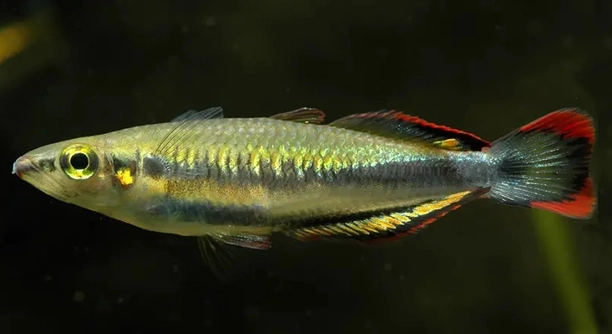
Do your rainbowfish glide gracefully through the water but sometimes linger in certain parts of the tank? Observing their behavior can reveal patterns that suggest comfort, safety, and even preferred swimming areas within their environment.
Rainbowfish do exhibit tendencies to favor specific areas in a tank. Factors such as lighting, vegetation, hiding spots, and water flow influence their spatial preferences. Understanding these tendencies is essential for promoting their well-being and natural behavior.
Recognizing these favorite areas can help you create a more comfortable and stimulating environment for your rainbowfish to thrive.
Why Rainbowfish Choose Certain Tank Areas
Rainbowfish often select specific parts of their tank based on comfort and safety. They naturally gravitate toward areas that provide shelter, moderate lighting, and gentle water flow. Plants and decorations give them hiding spots where they feel secure, while open spaces allow them to swim freely without feeling threatened. Temperature and water quality also affect their location choices. Fish may spend more time near the surface if oxygen levels are higher there, or closer to the bottom if they want to rest or avoid strong currents. Observing where your rainbowfish spend the most time can reveal preferences for light, shade, or areas with ample cover. These patterns are not random but rather a reflection of their instincts and environmental needs. Providing a variety of spaces helps mimic their natural habitat and encourages healthy activity, reducing stress and promoting a balanced, lively tank environment for all inhabitants.
Creating zones in the tank ensures rainbowfish feel secure while still having room to explore freely and actively.
Understanding these preferences allows for adjustments to tank layout, plant placement, and flow to improve their comfort. Adjusting lighting, adding hiding spots, or rearranging decorations can make your rainbowfish feel more at ease. Regular observation helps track which areas they favor, indicating stress levels or satisfaction. Providing a variety of swimming areas prevents boredom and promotes natural behavior, while ensuring every fish has its own space. Some may prefer the top regions near gentle currents, while others stay lower near shaded plants. Balancing open swimming space with sheltered areas creates a harmonious environment. Even small changes, such as adding driftwood or adjusting water movement, can make a significant difference. Noticing shifts in location preference can also signal changes in tank conditions, helping you respond quickly to maintain optimal water quality and comfort. By tailoring the tank to their habits, rainbowfish can thrive and display their vibrant colors confidently.
Signs Your Rainbowfish Is Comfortable in Its Space
When rainbowfish are comfortable, they swim confidently, interact with the tank freely, and display vibrant colors.
Comfortable rainbowfish exhibit steady, consistent movement throughout the tank, often exploring all available zones without hesitation. They are more likely to interact with other tank mates peacefully, showing no signs of stress such as hiding excessively or clinging to corners. Color intensity and activity levels provide clear indicators of well-being. A fish that feels secure will frequently return to favored areas but also venture into open spaces, demonstrating curiosity without fear. Observing feeding habits offers insight too, as comfortable fish feed regularly without sudden skittish movements. Maintaining water quality, adequate shelter, and proper lighting ensures these behaviors persist. Adjustments based on observation help support their natural patterns and reduce stress. Over time, recognizing these signs makes it easier to tailor tank conditions to each fish’s preferences. A well-structured environment promotes long-term health, encourages natural interactions, and allows rainbowfish to thrive in a way that feels instinctively safe and enriching.
How Tank Layout Affects Rainbowfish Behavior
A tank with varied structures encourages natural swimming patterns. Rainbowfish use plants, rocks, and decorations to create territories and choose resting spots. Open areas allow active swimming, while shaded zones provide comfort and security. Proper layout reduces stress and supports healthy behavior.
The placement of decorations, plants, and hiding spots directly influences how rainbowfish move and interact. Dense planting in some areas provides shelter for timid fish, while open spaces encourage social activity and schooling. Currents and lighting also play a role, guiding fish to preferred zones. Even subtle changes in tank setup can shift swimming patterns, indicating preferences for certain areas. Observing how fish navigate these environments helps optimize layout for both activity and rest, promoting a balanced habitat.
Water flow, temperature, and light distribution interact with the tank layout to affect comfort and location preferences. Fish may avoid strong currents or seek brighter regions depending on instinctual needs. Proper balance between open swimming areas and protective cover encourages natural exploration while reducing territorial disputes. Placement of plants, driftwood, and stones should mimic varied conditions, allowing rainbowfish to choose zones that match their energy levels and stress tolerance. Adjusting layout gradually helps them adapt without disruption. Regular monitoring ensures that each fish has access to preferred zones, maintaining harmony and vitality within the tank environment.
Social Behavior and Tank Position
Rainbowfish often establish favorite spots based on social dynamics and group interactions.
Schooling behavior impacts where rainbowfish spend time. Fish at the front of the group may occupy open swimming areas, while more reserved individuals stay near cover or at the edges. Dominance hierarchies influence access to prime zones, with confident fish controlling well-lit or central regions. Placement of decorations and plants can encourage or disperse groups, reducing stress and aggression. Social positioning also affects feeding behavior, as fish in preferred spots may eat first. Observing these patterns helps understand the relationship between social structure and spatial preference.
Interactions between fish create a constantly changing dynamic. Dominant individuals often patrol central zones, while submissive ones retreat to corners or behind plants. Providing multiple hiding spots ensures all fish have access to comfort, reducing competition. Schooling species rely on cohesion, so open swimming lanes are necessary for group movement. Light and flow patterns also affect group distribution. Over time, fish develop consistent routines, returning to favored areas based on comfort, safety, and social cues. Adjusting tank elements to account for these interactions helps maintain stability, allowing all fish to coexist peacefully while exhibiting natural behavior.
Light and Shade Preferences
Rainbowfish are sensitive to light intensity and often favor areas with moderate lighting. Bright spots may be avoided, while shaded zones offer comfort and security for resting or hiding.
Providing varied lighting in the tank supports natural behavior. Some fish will linger near plants or decorations to escape direct light, while others explore illuminated areas for activity and feeding. This balance helps reduce stress and encourages movement throughout the tank, allowing rainbowfish to choose environments that match their instinctual comfort levels.
Feeding Spots and Activity
Rainbowfish often select feeding zones based on safety and accessibility. Fish may prefer areas near plants or mid-level regions where they can see approaching food without feeling exposed. Consistent feeding locations help them establish routine patterns, reduce competition, and encourage natural foraging behavior. Observing these preferences ensures efficient feeding and healthier, less stressed fish.
Temperature Influence
Temperature variations in the tank affect rainbowfish location. Warmer regions may attract fish seeking energy, while cooler zones provide comfort for rest or stress relief. Monitoring and maintaining stable temperature gradients ensures overall health and supports natural swimming patterns.
FAQ
Do rainbowfish always stay in their favorite areas?
Rainbowfish do not remain in one spot constantly. They move around to explore, feed, or interact with other fish. Favorite areas are preferred for resting, hiding, or comfort, but active swimming throughout the tank is normal. Observing these shifts can help determine which zones they truly favor.
Can tank decorations affect where rainbowfish spend time?
Yes, plants, rocks, and driftwood significantly influence rainbowfish behavior. Dense planting provides shelter for shy individuals, while open areas allow confident fish to swim freely. Decorations also create visual boundaries that make fish feel safe, guiding them to preferred areas and reducing stress.
Do rainbowfish prefer the top, middle, or bottom of the tank?
Rainbowfish often favor mid-level swimming areas, balancing safety and visibility. Some may venture near the top when oxygen levels are high, while others rest near the bottom in shaded areas. Their choice depends on light, flow, temperature, and social dynamics within the tank.
How does water flow impact their preferred zones?
Strong currents may push rainbowfish toward calmer areas, while gentle flow encourages exploration. Fish instinctively seek zones where swimming is comfortable and energy is conserved. Adjusting water movement in the tank can influence activity levels and location preferences.
Do rainbowfish change favorite spots over time?
Yes, favorite zones can shift due to changes in tank layout, lighting, temperature, or social dynamics. New decorations, plants, or water conditions may prompt fish to explore alternative areas. Consistent observation helps track these changes and maintain an environment that suits their evolving preferences.
Does lighting influence their comfort?
Moderate lighting is often preferred, with shaded or planted areas providing safe resting spots. Bright lighting may encourage hiding or movement toward dimmer zones. Adjusting light intensity and placement helps rainbowfish feel secure while allowing them to display natural behavior.
How do social interactions affect tank area choices?
Rainbowfish often establish territories influenced by dominance hierarchies. Confident fish occupy central or open areas, while more timid individuals stick to edges or behind plants. Social positioning impacts feeding and resting habits, and providing multiple zones reduces competition and stress.
Can temperature gradients affect location preference?
Yes, fish are sensitive to temperature. Warmer areas may attract active swimming or feeding, while cooler zones offer comfort and rest. Maintaining stable temperature ranges across the tank supports natural behavior and encourages movement between preferred spots.
Do rainbowfish need specific hiding spots?
Hiding spots are essential for comfort and stress reduction. Plants, rocks, or decorations allow shy or resting fish to retreat safely. Multiple hiding zones prevent territorial disputes and encourage natural exploration, ensuring all fish feel secure in their environment.
How can observing their behavior improve tank management?
Monitoring favorite zones helps identify stress, health issues, and social dynamics. Adjusting lighting, flow, temperature, or layout based on observation improves comfort and reduces aggression. Consistent care ensures rainbowfish thrive while displaying natural behavior patterns.
Do rainbowfish interact differently in open versus covered areas?
Open areas promote schooling, active swimming, and social interaction, while covered zones allow rest and security. Balancing both types ensures fish can exercise and explore while feeling safe, supporting overall health and well-being.
Should feeding locations be consistent?
Yes, consistent feeding spots help establish routine, reduce competition, and encourage natural foraging. Fish will return to these areas, making monitoring easier and supporting overall comfort and feeding efficiency in the tank.
Do all rainbowfish have the same preferences?
No, individual fish differ in personality and comfort needs. Some prefer open spaces, while others favor shaded or densely planted areas. Observing each fish allows for tailored adjustments, ensuring every rainbowfish feels secure and exhibits natural behavior.
Can stress change their preferred tank areas?
Stress from overcrowding, poor water quality, or aggressive tank mates can push rainbowfish into less desirable zones. Identifying these changes helps address issues early, restoring comfort and encouraging normal behavior.
Is it important to mimic natural habitat in the tank?
Yes, replicating elements of their natural environment, like plants, hiding spots, and gentle currents, encourages rainbowfish to use the entire tank and choose areas that reflect their instincts. This improves well-being, reduces stress, and supports natural behavior patterns.
How often should I adjust the tank to match their preferences?
Adjustments should be gradual and based on observation. Sudden changes can cause stress, while incremental modifications, like repositioning plants or decorations, allow rainbowfish to adapt comfortably and maintain their favorite areas naturally.
Do rainbowfish prefer certain areas at night?
At night, fish tend to stay in sheltered or shaded zones for rest. These areas provide safety from perceived threats and mimic natural hiding behavior, supporting sleep cycles and reducing stress during inactive periods.
Can observing their favorite areas prevent health issues?
Yes, unusual avoidance or clustering may indicate water quality problems, illness, or stress. Regular observation of preferred zones helps identify early signs of trouble, allowing prompt action to maintain health and comfort in the tank.
Does tank size influence area preference?
Larger tanks provide more zones for swimming, resting, and hiding, allowing rainbowfish to choose based on comfort and social needs. Smaller tanks limit options, increasing stress and potentially changing natural behavior patterns. Optimal sizing supports movement and territorial choice.
Do rainbowfish show attachment to specific decorations?
Yes, fish often return to familiar plants, rocks, or driftwood that offer safety or comfort. These attachments reduce stress, encourage resting, and create predictable zones for swimming and social interaction. Observing these choices helps tailor tank layout to their preferences.
Are favorite areas linked to feeding behavior?
Absolutely. Fish often feed in zones that feel safe and provide visibility. Preferred feeding areas reduce competition, support foraging instincts, and allow fish to maintain energy levels while feeling secure.
Do rainbowfish change preferences with tank mates?
Yes, new or aggressive tank mates can alter favored zones. Fish may seek safer areas or adjust movement patterns to avoid conflict. Observing these changes helps manage social dynamics and maintain a peaceful tank environment.
Can lighting cycles influence preferred areas?
Yes, day-night cycles impact activity levels. Fish may explore open zones during daylight but retreat to shaded areas during dimmer periods. Maintaining consistent cycles encourages natural behavior and predictable use of tank areas.
How important is observation in understanding favorite areas?
Observation is essential. Tracking movement patterns, resting spots, and interactions reveals preferences, stress signals, and social behavior. Using these insights allows for adjustments to lighting, layout, and flow, creating a comfortable and stimulating tank for rainbowfish.
Do rainbowfish ever compete for favorite spots?
Yes, dominant individuals may claim preferred zones, pushing others to edges or shaded areas. Providing multiple hiding spots and open spaces minimizes conflict, ensuring all fish have access to comfort and security.
Can plants and decorations mimic natural selection of areas?
Yes, strategic placement of plants and decorations replicates natural habitats, offering shelter, shaded zones, and open swimming areas. This supports instinctual behavior, encourages exploration, and ensures rainbowfish select areas aligned with their comfort and safety needs.
Do rainbowfish prefer certain areas during breeding?
During breeding, fish may seek secluded or protected zones for spawning. Dense plants or hidden areas become important, reducing stress and ensuring safe reproduction. Understanding these preferences helps support breeding behavior without disruption.
Is there a connection between activity level and preferred area?
Yes, more active fish often occupy open swimming zones, while less active or timid individuals stay near cover. Matching tank layout to activity levels encourages natural behavior, ensures comfort, and reduces territorial disputes among rainbowfish.
How can I track favorite areas effectively?
Regular observation, noting locations during feeding, rest, and interaction, provides insight. Recording patterns over days or weeks helps identify true preferences and informs layout adjustments to maintain comfort and well-being.
Do rainbowfish prefer areas near the water surface?
Some do, especially if oxygen levels are higher or during feeding. Surface zones may offer increased visibility and active swimming space, while mid or lower zones provide shelter and calm areas for resting.
Are certain tank corners more favored than others?
Yes, corners with cover or shelter are often preferred for hiding or resting. These areas reduce exposure and provide safety, making them consistent favorite spots for rainbowfish seeking comfort.
Can seasonal changes affect preferred areas?
Seasonal changes impacting light, temperature, or behavior can shift favored zones. Fish adapt to maintain comfort, using warmer, sheltered, or shaded areas depending on environmental conditions. Monitoring helps ensure stability and well-being year-round.
Do rainbowfish communicate location preferences to others?
Indirectly, yes. Schooling behavior and movement patterns signal safe zones or available space, influencing where others swim or rest. Observing group behavior provides clues about favored areas and social dynamics within the tank.
Is it necessary to provide multiple zones for all rainbowfish?
Absolutely. Multiple zones accommodate personality differences, dominance hierarchies, and activity levels. Providing varied spaces ensures each fish can access comfort, reduce stress, and display natural behaviors without conflict.
Do rainbowfish favor certain areas for long-term residence?
Yes, over time they develop consistent favorite zones based on comfort, safety, and social factors. Recognizing these patterns allows for stable tank management and supports overall health, reducing stress and encouraging natural movement.
Can monitoring favorite areas indicate water quality problems?
Yes, sudden avoidance of preferred zones may signal poor water conditions, temperature shifts, or contamination. Observing these changes allows for timely intervention, maintaining a healthy and safe environment for rainbowfish.
How much does tank size influence their area preference?
Larger tanks offer more options, allowing fish to select areas based on comfort, social interaction, and activity. Smaller tanks limit options, potentially increasing stress and restricting natural behavior patterns. Providing sufficient space ensures preferred zones are accessible.
Do rainbowfish exhibit attachment to specific plants or features?
Yes, fish often return to familiar plants, driftwood, or rocks that offer safety, shade, or comfort. These attachments support resting, feeding, and social behaviors, highlighting the importance of consistent, thoughtfully arranged tank features.
Can observing preferred areas improve overall tank design?
Yes, identifying where fish spend the most time informs placement of plants, hiding spots, and open swimming areas. This ensures a balanced environment that supports comfort, reduces stress, and encourages natural behavior.
Do rainbowfish show predictable patterns over time?
Generally, yes. Fish tend to return to familiar zones for feeding, resting, and shelter. Monitoring these patterns helps maintain a stable and comfortable environment, allowing for adjustments that suit individual and group needs.
Can preferred areas influence breeding success?
Yes, access to secluded or protected zones encourages spawning. Providing plants or hidden spots supports natural breeding behavior, reduces stress, and increases the likelihood of successful reproduction.
How do I encourage exploration beyond favorite areas?
Gradual layout changes, varying flow, and introducing new plants or decorations encourage fish to explore while maintaining safe options. This supports natural behavior, reduces boredom, and helps rainbowfish adapt to changes without stress.
Are favorite areas consistent across different tanks?
No, preferences vary based on tank size, layout, lighting, and social dynamics. Each tank requires observation and adjustment to ensure rainbowfish have access to zones that suit their comfort, safety, and activity needs.
Can temperature or lighting adjustments shift preferred areas?
Yes, even small changes in water temperature or light intensity can influence where fish spend time. Monitoring reactions helps create a balanced environment that supports natural behavior and comfort.
Do rainbowfish exhibit seasonal or daily routines in favored zones?
Yes, fish often follow daily or seasonal patterns. They may explore open areas during active periods and retreat to shaded or sheltered zones during rest, mimicking natural cycles and supporting overall well-being.
How important is regular observation of preferred areas?
Observation is key to understanding comfort, stress, and social behavior. Tracking patterns informs tank adjustments, ensures well-being, and allows for timely responses to environmental or health issues, creating a stable and healthy habitat.
Can favorite zones indicate individual personality traits?
Yes, shy or timid fish favor sheltered areas, while bold individuals occupy open zones. Recognizing these traits allows for tailored tank management, promoting harmony, comfort, and natural behavior for each rainbowfish.
Do rainbowfish ever abandon favorite spots permanently?
Permanent abandonment is rare and usually linked to stress, illness, or environmental changes. Monitoring fish behavior helps identify causes and ensures adjustments maintain comfort and security within the tank.
Can rearranging the tank improve access to favorite areas?
Yes, strategic placement of plants, rocks, and open spaces enhances accessibility. Gradual rearrangements maintain comfort while encouraging natural exploration and interaction among rainbowfish.
Is water quality the most important factor for preferred zones?
It is crucial. Poor water quality can force fish to avoid favorite areas, causing stress and health issues. Maintaining clean, stable conditions supports natural use of preferred zones and overall well-being.
Do rainbowfish have different preferences for daytime versus nighttime?
Yes, daytime is often spent exploring open areas or feeding zones, while nighttime favors sheltered or shaded spots for rest. Consistent cycles support natural behavior and reduce stress.
Can social hierarchy shift preferred zones over time?
Absolutely. Dominant fish may claim central areas, pushing others to edges or shaded zones. Providing multiple spaces helps balance social dynamics and ensures all fish maintain access to comfort and safety.
How can I tell if a favorite area is causing stress?
Signs include avoidance, clustering, or erratic movement. Observing behavior and comparing with other zones helps identify problems and inform adjustments to maintain comfort and reduce tension.
Are favorite areas influenced by tank size and shape?
Yes, larger or taller tanks offer more choices, while smaller tanks limit options. The tank’s design directly impacts swimming patterns, comfort, and the ability to maintain personal zones for each fish.
Can monitoring favorite areas improve feeding efficiency?
Yes, knowing where fish prefer to feed reduces competition and ensures all individuals access food. This supports growth, health, and natural foraging behavior.
Do rainbowfish ever compete for favorite areas during breeding?
Yes, breeding can increase territorial behavior, with dominant fish claiming preferred zones. Multiple hiding spots reduce conflict, allowing safe spawning and minimizing stress for all fish.
Is it necessary to replicate natural habitats to encourage preferred areas?
Yes, plants, hiding spots, and open swimming lanes replicate natural conditions, supporting instinctual behavior. This allows rainbowfish to select areas that match comfort, safety, and activity preferences naturally.
How often should I observe favorite zones?
Daily or regular observation helps track preferences, detect stress, and monitor social interactions. Consistent monitoring allows timely adjustments to tank layout, lighting, and flow, ensuring continued comfort and well-being.
Can different species in the same tank influence favorite zones?
Yes, interactions with other species can shift locations. Aggressive or dominant species may push rainbowfish into alternate areas. Observing behavior helps manage space and maintain harmony within mixed-species tanks.
Do favorite zones change with age or size?
Yes, younger or smaller fish may prefer sheltered areas, while adults occupy central or open spaces. Growth and maturity influence comfort and social positioning, requiring adjustments in tank layout over time.
Are favorite areas linked to energy levels?
Yes, active fish seek open zones for swimming, while low-energy or resting individuals remain in shaded or sheltered spots. Observing energy patterns helps optimize tank layout and environmental comfort.
Can lighting spectrum affect preferred zones?
Yes, different light colors and intensities influence where fish swim. Balanced spectrum and shaded areas support natural behavior, color display, and comfort within the tank.
Do rainbowfish ever show attachment to one side of the tank?
Yes, fish may favor certain sides due to light, flow, or decorations. Recognizing these tendencies helps optimize layout and ensure comfort for all fish.
Is it normal for favorite areas to overlap among fish?
Yes, shared zones are common, especially in schooling species. Providing multiple options prevents crowding, reduces stress, and supports natural social behavior.
Can monitoring favorite areas help prevent aggression?
Absolutely. Identifying zones prone to disputes allows adjustments in layout or decorations to create multiple safe spaces, minimizing conflicts and supporting peaceful interactions.
Do rainbowfish always return to the same resting spots?
Often, yes. Familiarity provides security and comfort. Maintaining consistent areas for rest supports natural behavior, reduces stress, and encourages stable routines in the tank.
How do I balance open and sheltered areas?
A mix of both ensures fish can explore freely while having safe retreats. Observing preferences helps fine-tune the balance, supporting activity, comfort, and social harmony.
Can water current adjustments shift favorite areas?
Yes, modifying flow influences where fish swim and rest. Gentle currents encourage exploration, while stronger areas may be avoided. Adjustments should match fish comfort and activity needs.
Do rainbowfish prefer certain areas when ill or stressed?
Yes, they often retreat to sheltered or less-trafficked zones. Recognizing these patterns helps identify health issues early and provides an opportunity to address underlying problems promptly.
Can favorite areas be influenced by tank lighting schedules?
Yes, consistent day-night cycles encourage predictable use of zones, while abrupt changes can disrupt patterns. Maintaining steady lighting supports comfort, activity, and natural behavior.
Do rainbowfish exhibit seasonal shifts in preferred areas?
Yes, temperature, light, and environmental changes can cause minor adjustments in location preferences. Regular observation ensures the tank continues to meet comfort and behavioral needs year-round.
How do I adjust tank layout without stressing the fish?
Make gradual changes, moving decorations or plants slowly, allowing fish to explore new zones at their own pace. Observation ensures comfort and minimizes disruption to established favorite areas.
Is it important to offer multiple hiding spots for schooling fish?
Yes, multiple shelters prevent overcrowding, reduce stress, and allow individual fish to choose zones that match comfort levels, promoting harmonious group behavior.
Can favorite areas indicate dominant or submissive behavior?
Yes, dominant fish often occupy prime zones, while submissive individuals retreat to edges or shaded areas. Recognizing these patterns helps manage social dynamics and maintain balance.
Do rainbowfish ever ignore their favorite zones?
Occasionally, stress, illness, or environmental changes may cause temporary avoidance. Consistent observation ensures problems are addressed and comfort is restored promptly.
How can I encourage fish to explore beyond their favorite areas?
Introduce gradual changes like rearranged plants, new decorations, or gentle current adjustments. This encourages exploration while keeping safe zones accessible, promoting activity and natural behavior.
Can water chemistry affect preferred areas?
Yes, imbalances in pH, hardness, or nitrates may cause avoidance of certain zones. Maintaining proper water quality supports comfort, health, and natural behavior.
Do rainbowfish prefer tank areas near air stones or filters?
Some are attracted to gentle bubbles or mild currents, while others avoid strong flow. Observing their responses ensures placement enhances comfort without causing stress.
Can observation of preferred areas guide tank upgrades?
Yes, knowing where fish spend most time informs decisions on decorations, plants, lighting, and flow, creating a balanced environment
Final Thoughts
Rainbowfish are active and social creatures, and their preferences for certain tank areas reveal much about their comfort, safety, and natural instincts. Observing where they spend most of their time can provide important insights into how well the tank environment meets their needs. Areas with gentle currents, moderate lighting, and shelter from plants or decorations often become favorite zones for resting or hiding. Meanwhile, open swimming spaces allow them to engage in natural schooling behavior, explore, and interact with other fish. Recognizing these patterns is useful for creating a balanced habitat that supports both activity and rest. Understanding the subtle cues of location preference can help owners provide a tank that feels secure and stimulating, reducing stress and promoting overall well-being.
Tank layout is a major factor in how rainbowfish select their favorite areas. Decorations, plants, and hiding spots allow fish to establish comfortable zones and reduce conflict, while open areas encourage movement and social interaction. Even small adjustments, such as rearranging a plant or moving a rock, can influence their behavior and comfort level. Lighting and water flow are equally important, as these elements affect visibility, energy levels, and the fish’s perception of safety. Temperature also plays a role, with warmer or cooler zones attracting fish depending on their activity needs and time of day. Observing these preferences over time allows for fine-tuning the environment to match the natural tendencies of rainbowfish, ensuring each individual has access to areas that provide both security and opportunities for exploration. By accommodating their instincts, owners can create a harmonious and stimulating tank.
Social dynamics are another important consideration in understanding rainbowfish area preference. Fish establish hierarchies that influence access to prime spots, and multiple hiding zones help reduce competition and stress. Favorite areas are not fixed and can change over time due to shifts in social behavior, tank layout, or environmental conditions. Providing varied zones ensures that shy or submissive fish still have safe spaces while confident or dominant individuals occupy other areas. Feeding habits also influence location choices, with fish often returning to familiar spots where they feel secure. Consistent observation helps owners identify patterns and make adjustments to maintain balance, health, and comfort for all fish. Paying attention to these factors ensures rainbowfish can display natural behaviors, thrive in their environment, and enjoy a tank that feels safe, engaging, and suitable for their physical and social needs.

Hello,
If you enjoy the content that we create, please consider saying a "Thank You!" by leaving a tip.
Every little bit helps us continue crafting quality advice that supports the health, happiness, and well-being of pets around the world, for pets of all shapes, sizes, and species.
We really appreciate the kindness and support that you show us!