
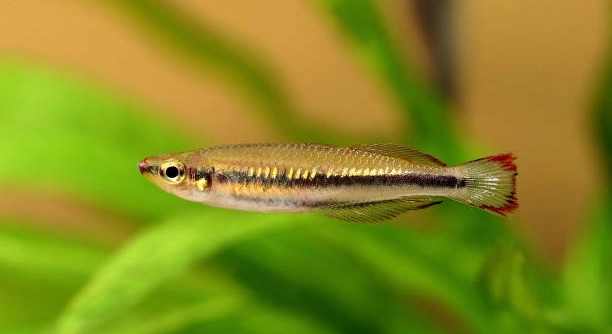
Fish live in a world that changes constantly. Light, temperature, and water movement shift without warning, and fish respond to these changes quickly. Observing these reactions can reveal a lot about their environment and behavior.
Fish respond instantly to environmental changes such as temperature fluctuations, water flow, light intensity, oxygen levels, chemical presence, pH variations, and noise. These reactions help them survive, find food, avoid predators, and maintain overall well-being in their aquatic habitats.
Understanding these responses can help us care for fish better and improve their living conditions. Small shifts in their environment often trigger significant reactions worth noticing.
Temperature Fluctuations
Fish are highly sensitive to changes in water temperature. Even a small shift can make them slow down, hide, or swim faster to find comfort. Cold water can lower their metabolism, making them lethargic, while warmer water increases activity and appetite. Sudden temperature swings often stress fish, leading to weakened immunity. Many species rely on stable temperatures for breeding and feeding patterns. Observing how fish react to temperature changes can help you detect problems early. In aquariums or ponds, it’s essential to monitor water carefully and avoid rapid heating or cooling. Heaters and chillers can maintain consistent conditions, reducing stress. Fish that experience frequent temperature changes may show unusual behavior, like staying near the surface or bottom. Awareness of these shifts ensures fish remain healthy and active. Paying attention to their behavior can prevent disease and support natural instincts. Temperature management is key for both hobbyists and professionals keeping fish.
Temperature changes affect fish activity, feeding, and stress levels immediately, often altering movement patterns and overall health.
Consistent temperature helps fish stay healthy and reduces stress. Sudden changes can lead to illness or unusual behavior. Knowing their preferred range supports proper care. Monitoring daily ensures fish remain active and comfortable. Adjustments should be gradual to protect them.
Water Flow and Movement
Fish respond quickly to changes in water flow. A stronger current may make them swim harder, while still water may slow their movement.
Water flow impacts fish behavior and oxygenation. Faster currents encourage exercise and proper circulation, while stagnant water may reduce activity and stress some species. Filtration systems can create consistent flow, mimicking natural conditions. Fish may hide or change positions depending on current strength. Properly balanced flow supports healthy gill function and reduces debris accumulation. Adjusting flow according to species needs ensures comfort and promotes natural behaviors. Observing reactions to water movement can help identify stress or habitat issues. Maintaining stable water conditions encourages normal feeding patterns and social interactions. Flow also affects how fish interact with plants and decorations. Monitoring daily changes can prevent problems and enhance overall tank health.
Would you like me to continue with the next environmental factor following the same structure?
Light Intensity
Fish react immediately to changes in light. Bright light can make them hide or swim faster, while dim light often calms them and encourages feeding.
Light affects fish behavior, mood, and activity. Sudden brightness can stress fish, causing erratic movements or retreating to shaded areas. In aquariums, using timers helps maintain a regular day-night cycle. Some species need low light to feel secure, while others thrive in brighter environments. Adjusting light gradually reduces stress and supports natural rhythms. Observing how fish respond to lighting changes can indicate their comfort level. Proper light management also helps plant growth and keeps algae in check, creating a balanced habitat for all inhabitants.
Consistent lighting encourages normal feeding and interaction. Fish notice even small changes and react immediately, often moving to shaded spots or hiding. Monitoring their responses ensures they remain healthy and active.
Oxygen Levels
Low oxygen in water quickly affects fish movement and breathing. Gasping near the surface is a common sign of stress.
Oxygen is vital for fish survival, influencing metabolism and activity. Inadequate oxygen can lead to sluggishness, rapid gill movement, and increased vulnerability to disease. Aeration, water flow, and plant presence all help maintain proper oxygen levels. Fish react instantly to oxygen drops, seeking areas with more circulation or near inflows. In aquariums, testing oxygen and adjusting filtration prevents hypoxia. Outdoor ponds may need aerators or fountains to boost oxygen during hot weather. Keeping oxygen stable ensures fish can feed, swim, and thrive normally, reducing stress and supporting long-term health.
Monitoring oxygen levels regularly helps detect problems early. Fish show immediate reactions to drops, and proper aeration keeps their environment safe and comfortable.
pH Variations
Fish are sensitive to sudden changes in pH. A shift can make them hide, stop eating, or swim erratically.
Maintaining stable pH is important for fish health. Rapid swings can stress them and affect metabolism. Regular testing and gradual adjustments keep fish comfortable and active.
Chemical Presence
Fish react instantly to chemicals in water. Cleaning agents, fertilizers, or medications can make them behave unusually, often seeking shelter or swimming near the surface.
Noise and Vibrations
Loud sounds or vibrations make fish dart or freeze. They rely on a quiet environment to feel safe.
FAQ
How can I tell if my fish are stressed by temperature changes?
Fish often react immediately to temperature shifts. They may swim faster, hide, or remain at the surface. Lethargy is common in colder water, while warmer water can increase activity and appetite. Observing their regular behavior helps identify stress early. Using thermometers and maintaining a consistent range reduces sudden shocks. Gradual changes are safer than abrupt ones.
What’s the best way to maintain proper water flow for my fish?
Water movement affects fish swimming patterns and oxygenation. Filtration systems or pumps can create steady currents. Adjust flow to match species preferences. Too strong a current may tire fish, while still water may stress species that rely on movement. Watching their reactions allows small adjustments to ensure comfort and natural behavior. Proper water flow also helps prevent waste buildup and improves tank cleanliness.
How much light is appropriate for fish in an aquarium?
Light influences feeding and activity. Many fish respond quickly to sudden brightness by hiding, while dim light encourages exploration and feeding. Timers help create a regular day-night cycle, reducing stress. Observing behavior lets you adjust lighting gradually. Some species need low light for security, while others thrive in brighter areas. Proper light levels also support plant growth and control algae.
How do I know if oxygen levels are too low?
Fish show immediate signs of low oxygen by gasping at the surface or moving near inflows. Rapid gill movements, sluggish swimming, or crowding near aeration points indicate low oxygen. Testing water and using aerators or pumps helps maintain stable levels. Ponds may require fountains or surface agitation, especially in hot weather. Maintaining consistent oxygen supports feeding, activity, and overall health.
How often should I check pH levels?
Fish react quickly to pH changes. Frequent testing ensures water remains within the safe range for your species. Sudden swings can stress fish and affect metabolism. Gradual adjustments are safer. Using buffers and monitoring after adding new water or treatments helps maintain stability. Observing fish behavior alongside pH readings gives a clear picture of comfort and health.
What types of chemicals are dangerous for fish?
Chemicals such as cleaning products, fertilizers, or medications can cause immediate reactions. Fish may hide, swim erratically, or stay near the surface. Avoid introducing chemicals directly into tanks or ponds without proper guidance. Always rinse containers and equipment thoroughly. Observing reactions after any change ensures fish remain safe and stress-free.
How sensitive are fish to noise and vibrations?
Fish respond instantly to sudden sounds or vibrations. Loud noises can make them dart, freeze, or hide. Gentle movement around the tank is best. Minimizing external disturbances like slamming doors or heavy footsteps can reduce stress. Fish rely on calm environments to feel secure, and small changes can trigger immediate behavioral shifts.
Can multiple environmental changes affect fish at the same time?
Yes, simultaneous shifts in temperature, oxygen, or pH can amplify stress. Fish may show combined behaviors like hiding, rapid gill movements, or erratic swimming. Monitoring each factor regularly and making gradual adjustments keeps fish comfortable. Providing a stable environment supports feeding, social interaction, and long-term health.
What’s the most important thing to observe daily?
Daily observation helps detect stress early. Watch swimming patterns, feeding behavior, and breathing. Immediate reactions to small changes reveal comfort levels. Maintaining stable temperature, oxygen, pH, and light, along with proper water flow, ensures a balanced habitat. Quick responses to shifts prevent illness and support overall well-being.
Are there signs that indicate long-term environmental stress?
Long-term stress can show as reduced appetite, dull colors, or frequent hiding. Fish may become more susceptible to disease. Regular monitoring of environmental factors and behavior allows early intervention. Keeping a consistent routine and making gradual adjustments helps maintain fish health and natural activity patterns over time.
Final Thoughts
Fish are incredibly sensitive to the conditions around them. Every small change in temperature, water flow, oxygen, pH, light, or noise can trigger an immediate reaction. These reactions are natural and help fish survive, but they also signal how comfortable or stressed the fish are. Paying attention to their behavior gives important clues about the quality of their environment. For instance, sudden hiding, rapid swimming, or staying near the surface often indicates a shift in one of these key factors. Consistent observation allows you to make adjustments before small problems become serious. Fish rely on stable conditions for their health, feeding, and natural behaviors, and noticing even subtle changes in their actions can make a big difference.
Maintaining stable conditions is not just about comfort—it affects overall health. Temperature should be steady, with slow, gradual adjustments if needed. Water flow should match the species’ needs, providing exercise and circulation without overwhelming them. Oxygen levels must remain sufficient, especially in hot weather or crowded tanks. Regularly testing pH ensures chemical stability, while proper light schedules help regulate activity and stress. Minimizing sudden noises or vibrations also contributes to a safe environment. Even small errors, like a sudden drop in oxygen or a spike in pH, can cause immediate stress, affecting feeding habits, social interaction, and immune function. A careful, consistent approach creates a secure and predictable environment where fish can thrive naturally.
Observing fish closely builds understanding and helps prevent long-term issues. Each species reacts differently to environmental shifts, so learning their normal behavior is essential. Changes in swimming patterns, color, appetite, or interactions often reveal discomfort before it becomes a serious problem. Making gradual adjustments, whether it’s in light, temperature, or water movement, helps fish adapt safely. By paying attention to their reactions, you can create a balanced habitat that supports health, activity, and natural instincts. Ultimately, understanding how fish respond to environmental changes allows for better care, reduces stress, and ensures they remain active and healthy in both aquariums and ponds.
The final word: consistent monitoring, gentle adjustments, and careful observation are key to maintaining a stable environment for fish. Healthy conditions lead to happier, more active fish that display natural behaviors, making it easier to notice issues early and respond effectively.

Hello,
If you enjoy the content that we create, please consider saying a "Thank You!" by leaving a tip.
Every little bit helps us continue crafting quality advice that supports the health, happiness, and well-being of pets around the world, for pets of all shapes, sizes, and species.
We really appreciate the kindness and support that you show us!