
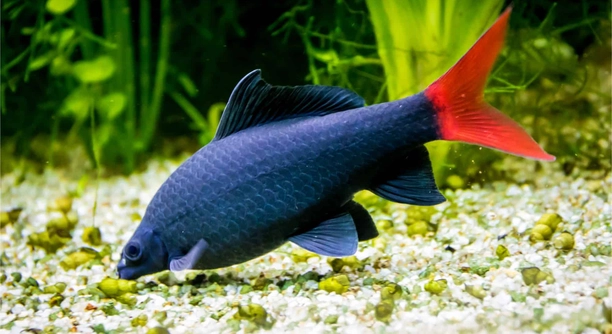
Have you ever watched your rainbow shark swim around and wondered if it’s actually playing or just exploring its tank? These little fish are active and often misunderstood, especially by new aquarium owners.
Rainbow sharks do not engage in play the way mammals or some other animals do. Their active behavior is usually a combination of territorial patrolling, environmental exploration, and natural swimming patterns rather than playful interaction.
Understanding what motivates your rainbow shark’s behavior can help you create a better environment and reduce unnecessary stress for both the fish and its tank mates.
Why Rainbow Sharks Act the Way They Do
Rainbow sharks are known for their bold behavior and constant swimming, which can be mistaken for play. In reality, they are not playing in the way people usually think of it. Their movements are based on instinct and natural routines. Rainbow sharks are territorial fish. They often swim along the bottom or around objects to establish their space. This behavior can look playful but is actually a way for them to stay aware of their surroundings and defend their area. They enjoy having places to explore and hide, but this isn’t the same as playing. Instead, it’s part of how they interact with their environment. If they are swimming quickly or chasing other fish, it usually means they are being protective of their space rather than engaging in playful interaction. Understanding this difference helps fish keepers avoid stress and conflict in their tanks.
Rainbow sharks need enough room and hiding spots to feel secure and stay calm in their tank.
Without enough space or cover, rainbow sharks may become more aggressive. These fish feel safer when they have clear boundaries and a place to retreat. Small tanks or overcrowded setups can lead to tension between tank mates. Adding plants, rocks, or caves can reduce this stress. When rainbow sharks feel comfortable in their environment, they are more likely to swim peacefully and stick to their usual habits. Providing a balanced setup with proper filtration and stable water quality supports healthier behavior. It’s also important not to pair them with similar-shaped or similarly colored fish, as this can trigger their territorial response. When their needs are met, rainbow sharks are fascinating to watch. They move with purpose, and their routines are part of what makes them unique in a home aquarium. They’re not playful, but their behavior is still full of personality when understood properly.
How to Keep Them Engaged and Healthy
Rainbow sharks may not play, but they still benefit from an enriched and well-maintained environment.
Start by giving them a tank that is at least 55 gallons in size. This gives them room to swim and patrol without feeling threatened. Smooth rocks, driftwood, and real or fake plants help create sections in the tank where they can feel more in control of their space. While they do not need toys, they do appreciate areas to explore. This helps keep them active and reduces boredom-like behavior. Lighting and water flow also play a role in their comfort. A gentle current and stable lighting can help them settle into a routine. Keep the water clean and well-filtered, and monitor the temperature to stay between 75–80°F. Feed them a balanced diet with a mix of algae wafers, pellets, and occasional protein-rich treats. This keeps their colors bright and energy levels high. By meeting these basic needs, you support natural behavior that looks lively and engaging, even if it isn’t playful in the typical sense.
Signs Your Rainbow Shark Is Stressed
If your rainbow shark is acting differently, it might be stressed. Common signs include hiding more than usual, losing color, or acting aggressively toward other fish. These behaviors often mean something in the tank isn’t right.
Stress in rainbow sharks can come from a few things. A tank that’s too small or has poor water conditions can make them uneasy. They also get stressed when housed with fish that invade their space or look too similar to them. Loud noises near the tank, sudden changes in lighting, or frequent rearranging of their environment can add to their stress levels. When stressed, they may eat less, breathe faster, or stay hidden. This can lead to long-term health issues if not corrected. Watching their body language and making sure their needs are met can help reduce these problems quickly and keep them feeling safe and stable in their home.
Tank conditions should be checked regularly. Poor filtration, ammonia spikes, or even slight temperature changes can affect their mood and behavior. Use a reliable test kit weekly to monitor pH, ammonia, nitrites, and nitrates. A stable temperature and gentle water flow also help. If stress signs appear, try to identify changes that may have caused the issue. Sometimes it’s as simple as rearranging decorations to give them more space or privacy. If the tank is too crowded, consider rehoming other fish or upgrading to a larger tank. Catching the problem early and making careful changes usually helps them return to normal behavior within days.
Choosing the Right Tank Mates
Rainbow sharks don’t do well with every type of fish. They can be aggressive toward similar-looking species or others that stay near the bottom. It’s best to choose tank mates that swim in different parts of the tank.
Look for calm, fast-swimming fish that keep to the middle or upper levels of the tank. Fish like barbs, rainbowfish, and danios are usually good options. Avoid slow or long-finned fish like angelfish, as rainbow sharks may chase or nip at them. Also stay away from other bottom dwellers, like red tail sharks or loaches, since they may fight over space. Always monitor new fish for the first few days. Adding all fish to the tank at the same time can sometimes reduce aggression, since it prevents the rainbow shark from seeing itself as the only original resident. Giving each species room to live peacefully makes the tank safer and more enjoyable for everyone.
Things to Avoid with Rainbow Sharks
Avoid placing rainbow sharks in tanks smaller than 55 gallons. Limited space makes them feel trapped, leading to aggressive or stressed behavior. They need room to patrol and claim their territory without constantly bumping into other fish.
Do not pair them with fish that look similar or share the same tank level. This increases territorial disputes and stress. Overdecorating the tank or frequently changing its layout can also make them feel unsettled and defensive.
Feeding Habits and Diet
Rainbow sharks are omnivores, so their diet should include a mix of plant and animal-based foods. Algae wafers, sinking pellets, and blanched vegetables like zucchini or spinach are great for daily feeding. To support their health, add occasional protein sources like bloodworms or brine shrimp. Feeding them once or twice a day in small portions works best. Avoid overfeeding, as leftover food can dirty the tank and cause water issues. A balanced diet keeps them active and supports their immune system. Watching how and when they eat can also help you spot early signs of illness or stress.
Best Tank Setup Basics
Use a tank with a tight lid since rainbow sharks may jump when startled. Add rocks, plants, and hiding spots, but leave room for swimming. A gentle water flow and steady lighting create a more natural, calming space.
Can rainbow sharks live with other fish?
Yes, rainbow sharks can live with other fish, but choosing the right tank mates is important. They are territorial and may become aggressive toward fish that look similar or live in the same area of the tank. Good tank mates usually swim in the middle or upper parts and have peaceful temperaments. Avoid slow or long-finned fish that might attract nipping. Adding all fish to the tank at the same time can reduce territorial behavior. Monitor their interactions closely during the first few weeks to make sure no one is stressed or harmed.
Do rainbow sharks really play?
Rainbow sharks do not play in the way mammals or some other pets do. Their active swimming and chasing behaviors are usually territorial or exploratory rather than playful. They move around their environment to patrol and defend their space. Providing an enriched tank with hiding spots and open swimming areas can help them stay active and reduce stress, but this should not be confused with play. Understanding their natural instincts can help fish keepers provide a better home without expecting playful interactions.
How big do rainbow sharks get?
Rainbow sharks typically grow to about 6 inches long in captivity. They need enough space to swim comfortably, so a tank smaller than 55 gallons is usually not recommended. Larger tanks allow them to establish territories without constant conflict. Proper tank size helps keep them healthy and reduces aggressive behavior caused by crowding.
What do rainbow sharks eat?
Rainbow sharks are omnivores. Their diet should include algae wafers, sinking pellets, and fresh vegetables like zucchini or spinach. Occasional treats such as bloodworms or brine shrimp provide protein. Feed small amounts once or twice a day and avoid overfeeding to prevent water quality problems. A balanced diet supports their vibrant colors and energy levels.
Why is my rainbow shark hiding all the time?
If your rainbow shark is hiding excessively, it may be stressed or sick. Stress can come from poor water quality, aggressive tank mates, or insufficient hiding places. Illness may cause lethargy and hiding as well. Test the water regularly and make sure the tank environment is stable. Providing plenty of shelters helps them feel safe and reduces hiding behavior.
Can rainbow sharks live in small tanks?
Rainbow sharks do not do well in small tanks. They require at least 55 gallons to have enough swimming space and room to claim territory. Small tanks cause stress and increase aggressive behavior. Overcrowding can also lead to poor water quality, which affects their health. Bigger tanks with proper filtration create a better environment for these fish.
How often should I clean the tank?
Partial water changes of about 20-30% should be done weekly or every two weeks to maintain good water quality. Regular cleaning removes waste and uneaten food that can build up toxins. Cleaning the filter as recommended helps keep the water clear and healthy. Stable, clean water reduces stress and keeps rainbow sharks active.
What temperature do rainbow sharks prefer?
Rainbow sharks prefer water temperatures between 75 and 80 degrees Fahrenheit. Maintaining this range helps keep their metabolism steady and immune system strong. Sudden temperature changes can stress them, so use a reliable heater and thermometer to monitor the tank. Stable conditions lead to healthier behavior.
Are rainbow sharks aggressive?
Rainbow sharks can be aggressive, especially toward similar fish or others in their territory. Their behavior is driven by instinct to protect their space. Providing enough room, hiding spots, and compatible tank mates helps reduce aggression. Watching their behavior and adjusting the tank setup can create a calmer environment.
How long do rainbow sharks live?
With proper care, rainbow sharks can live 5 to 8 years in captivity. Good diet, clean water, and a suitable tank size are key to their longevity. Stress and poor conditions shorten their lifespan, so meeting their needs is important for a healthy, long life.
Rainbow sharks are fascinating fish to keep, but they are quite different from pets that show playful behavior. Understanding their natural instincts is important for any owner. These fish are active and curious, but what looks like playing is actually their way of exploring, patrolling, and protecting their territory. They rely on their environment to feel secure, so creating a tank that meets their needs is essential. This includes having enough space to swim, places to hide, and suitable tank mates to reduce stress and aggression.
Taking care of a rainbow shark means paying attention to several key factors. A tank of at least 55 gallons gives them room to move without feeling crowded. Water quality should be monitored closely, with regular cleaning and stable temperatures between 75 and 80 degrees Fahrenheit. Their diet needs to be balanced, including algae wafers, vegetables, and occasional protein treats. Avoiding overfeeding helps keep the tank clean and the fish healthy. Understanding these basics allows you to provide a good home where the rainbow shark can thrive.
Overall, rainbow sharks are not playful in the traditional sense, but they do have unique behaviors that can be interesting to observe. Their active swimming and territorial habits make them lively additions to a community tank when cared for properly. By focusing on their specific needs and recognizing their natural behavior, owners can enjoy watching these colorful fish live healthy, peaceful lives. Proper care and tank setup are the best ways to ensure your rainbow shark remains comfortable and vibrant for years to come.

Hello,
If you enjoy the content that we create, please consider saying a "Thank You!" by leaving a tip.
Every little bit helps us continue crafting quality advice that supports the health, happiness, and well-being of pets around the world, for pets of all shapes, sizes, and species.
We really appreciate the kindness and support that you show us!