
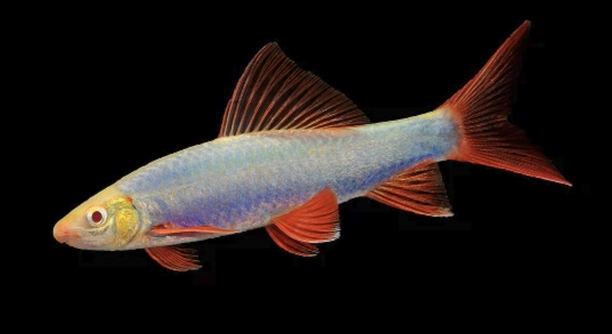
Are your rainbow sharks thriving in their aquarium, or do they seem less active than usual? These colorful fish require specific care to maintain their health and happiness. Proper attention can make a significant difference in their well-being.
Improving a rainbow shark’s health and happiness involves providing a balanced diet, maintaining clean water conditions, ensuring adequate tank space, offering hiding spots, monitoring water parameters, avoiding overcrowding, and minimizing stress through gentle handling and compatible tank mates.
Following these key tips will help your rainbow shark live a longer, healthier life and show more vibrant behavior in your tank. Understanding their needs ensures a more enjoyable experience for both you and your fish.
Provide a Balanced Diet
Feeding your rainbow shark the right food is essential for its health. They are omnivores, so their diet should include both plant-based and protein-rich foods. High-quality pellets or flakes designed for tropical fish work well. Supplement this with live or frozen foods like bloodworms, brine shrimp, or daphnia a few times a week. Vegetables such as blanched zucchini or spinach can also be offered occasionally. Avoid overfeeding, as leftover food can pollute the tank and harm your fish. Feeding small amounts two to three times daily is ideal. Consistent, varied nutrition helps maintain their bright colors and energy levels.
A proper diet supports your rainbow shark’s immune system and promotes healthy growth. Neglecting dietary needs can lead to health problems and reduced lifespan.
Planning your feeding routine in advance keeps your fish healthy and lively. Be mindful of portion sizes and variety to meet their nutritional requirements fully.
Maintain Clean Water Conditions
Regular water changes and tank maintenance are necessary to keep your rainbow shark healthy. These fish prefer clean, well-oxygenated water with stable temperature and pH levels. Testing water parameters weekly helps you detect any imbalances early. Removing 25 to 30 percent of the water every two weeks prevents toxin buildup from fish waste and uneaten food. Use a gravel vacuum to clean the substrate and avoid disturbing your fish too much. Proper filtration is also key for keeping water clear and free of harmful substances. Avoid overcrowding the tank, as this can quickly degrade water quality and stress your fish.
Poor water conditions are a common cause of illness in aquarium fish. Consistent maintenance reduces stress and disease risk for your rainbow shark.
Establishing a cleaning schedule and monitoring your tank environment regularly will ensure a stable and healthy habitat. Clean water encourages your fish to display natural behavior and vibrant coloration.
Ensure Adequate Tank Space
Rainbow sharks need enough room to swim freely. A minimum tank size of 30 gallons is recommended to prevent stress and aggressive behavior.
Providing ample space allows your fish to establish territory and reduces competition among tank mates. Crowded conditions often lead to injuries and poor health. Consider the tank’s shape and hiding spots when setting up the environment. A longer tank provides better swimming space.
Keep in mind that rainbow sharks are territorial, especially as they mature. Adding decorations like rocks and plants helps define boundaries and reduces conflicts. Proper space and environment balance will support your fish’s natural behavior and overall well-being.
Offer Hiding Spots and Shelter
Hiding places in the tank help your rainbow shark feel secure. Use decorations like caves, driftwood, or dense plants to create safe areas.
These shelters reduce stress by giving the fish a place to retreat when feeling threatened or tired. Stress can weaken their immune system and cause illness. The more natural and varied the hiding spots, the better your fish will adjust to the tank environment.
Arranging shelters strategically throughout the tank encourages exploration while offering comfort. Avoid overcrowding hiding spots, as this can limit swimming space. Proper shelter improves your rainbow shark’s confidence and promotes healthy behavior.
Monitor Water Parameters Regularly
Regular testing of water parameters is crucial. Keep track of temperature, pH, ammonia, nitrite, and nitrate levels to maintain a healthy environment for your rainbow shark.
Maintaining stable water conditions prevents stress and illness. Sudden changes in these levels can harm your fish quickly, so frequent monitoring helps catch problems early and allows for prompt action.
Avoid Overcrowding the Tank
Overcrowding increases stress and competition for resources. Keep the number of fish appropriate for your tank size to ensure harmony and health.
Minimize Stress Through Gentle Handling
Handle your rainbow shark carefully and only when necessary. Rough or frequent handling can cause stress and injury.
Choose Compatible Tank Mates
Select peaceful fish that won’t provoke aggression. Compatibility helps maintain a calm environment and reduces stress.
FAQ
How often should I feed my rainbow shark?
Feeding two to three small meals daily works best. Overfeeding can pollute the tank and harm your fish, so stick to amounts they can consume within a few minutes. Offering a balanced diet with pellets and occasional live or frozen foods keeps them healthy.
What water temperature is ideal for rainbow sharks?
Rainbow sharks thrive in water temperatures between 72°F and 79°F (22°C to 26°C). Maintaining stable temperatures within this range helps prevent stress and supports their immune system. Use an aquarium heater and thermometer to keep conditions steady.
Can rainbow sharks live with other fish?
Yes, but choose peaceful tank mates that won’t compete aggressively for space or food. Good companions include tetras, danios, and some catfish species. Avoid fish that are small enough to be seen as prey or aggressive enough to provoke fights.
Why does my rainbow shark hide a lot?
Hiding is normal if they feel stressed or threatened. It can also mean the tank environment isn’t ideal—check water quality, temperature, and the presence of hiding spots. Frequent hiding may signal illness or bullying by other fish.
How big do rainbow sharks get?
They typically grow to about 6 inches (15 cm) in length. Providing a large enough tank and proper care supports healthy growth and reduces aggressive behaviors caused by territorial disputes.
What causes fin rot in rainbow sharks?
Fin rot usually results from poor water quality or injuries caused by fighting. Maintaining clean water and avoiding overcrowding reduce the risk. If fin rot appears, treating with appropriate medication and improving tank conditions helps recovery.
How important is filtration for my tank?
Filtration is critical to remove waste and keep water clear. A strong, reliable filter helps maintain oxygen levels and removes toxins, supporting your rainbow shark’s health. Choose a filter appropriate for your tank size and clean it regularly.
What should I do if my rainbow shark becomes aggressive?
Aggression often comes from overcrowding, lack of space, or incompatible tank mates. Try rearranging decorations to break up territories and consider increasing tank size. If aggression continues, separating the aggressive fish may be necessary.
Is it necessary to use water conditioners?
Yes, using water conditioners is important when adding new water to remove chlorine, chloramine, and heavy metals harmful to fish. Always treat tap water before adding it to the tank to protect your rainbow shark.
How can I tell if my rainbow shark is healthy?
A healthy rainbow shark has bright colors, clear eyes, and active swimming behavior. Watch for signs like faded colors, lethargy, loss of appetite, or unusual spots, which could indicate illness and require attention.
Can I breed rainbow sharks at home?
Breeding rainbow sharks is challenging because they are territorial and require specific conditions. Providing a large tank with plenty of hiding spots and stable water parameters can help, but success often requires experience and patience.
How often should I change the water?
Changing 25 to 30 percent of the water every two weeks keeps the tank clean and reduces toxins. More frequent changes may be needed if the tank is crowded or water tests indicate poor quality.
Are rainbow sharks sensitive to changes in their environment?
Yes, they prefer stable water parameters and a consistent environment. Sudden changes in temperature, pH, or tank layout can cause stress, making them vulnerable to disease. Gradual adjustments are best.
What decorations are best for rainbow shark tanks?
Use smooth rocks, caves, and dense plants to create hiding spots and break up territories. Avoid sharp or rough decorations that can injure their delicate fins. Natural-looking environments also encourage natural behavior.
How long do rainbow sharks typically live?
With proper care, they can live five to eight years. Good diet, clean water, adequate space, and low stress all contribute to a longer, healthier life.
Can rainbow sharks recognize their owners?
While they don’t recognize owners like some pets, rainbow sharks can learn feeding routines and become familiar with activity around their tank. They may respond to consistent presence by swimming closer during feeding times.
What is the best way to acclimate a new rainbow shark to my tank?
Float the sealed bag in the tank for 15-20 minutes to equalize temperature. Slowly add small amounts of tank water to the bag every 5 minutes for about 30 minutes. Gently release the fish into the tank afterward to reduce shock.
Why does my rainbow shark sometimes swim near the surface?
Swimming near the surface can indicate low oxygen levels or poor water quality. Test water parameters and improve aeration with an air stone or filter to ensure enough oxygen is available.
Can rainbow sharks eat plants in the aquarium?
They may nibble on soft plants but usually don’t cause significant damage. Using hardy plants like Java fern or Anubias can help maintain a balanced tank while providing shelter.
What are common signs of stress in rainbow sharks?
Signs include hiding excessively, erratic swimming, loss of appetite, and faded colors. Identifying stress early allows you to address environmental issues before health problems develop.
Caring for a rainbow shark requires attention to several important factors. Providing a balanced diet is essential to keep your fish healthy and active. Feeding the right types of food in appropriate amounts supports their immune system and vibrant coloration. Maintaining clean water with stable temperature and proper filtration helps prevent diseases and stress. Ensuring enough tank space and offering hiding spots create a comfortable environment that reduces aggression and supports natural behavior. Regular monitoring of water parameters and avoiding overcrowding are key to keeping the tank conditions stable and safe for your fish.
It is also important to minimize stress by handling your rainbow shark gently and selecting compatible tank mates. Stress can weaken their immune system and make them more susceptible to illness. A well-planned aquarium setup with peaceful companions will promote harmony and reduce conflicts. Observing your fish daily for signs of health problems, such as changes in appetite or unusual behavior, allows you to act quickly when issues arise. Regular water changes and proper tank maintenance ensure a healthy home where your rainbow shark can thrive.
Overall, consistent care and attention to your rainbow shark’s needs will improve its health and happiness. Understanding the basics of diet, environment, and stress management helps you provide the best possible living conditions. Taking the time to learn and apply these tips will lead to a longer life and more vibrant behavior from your fish. By maintaining a stable, clean, and comfortable aquarium, you support not only your rainbow shark’s well-being but also create a rewarding experience for yourself as a fish keeper.

Hello,
If you enjoy the content that we create, please consider saying a "Thank You!" by leaving a tip.
Every little bit helps us continue crafting quality advice that supports the health, happiness, and well-being of pets around the world, for pets of all shapes, sizes, and species.
We really appreciate the kindness and support that you show us!