
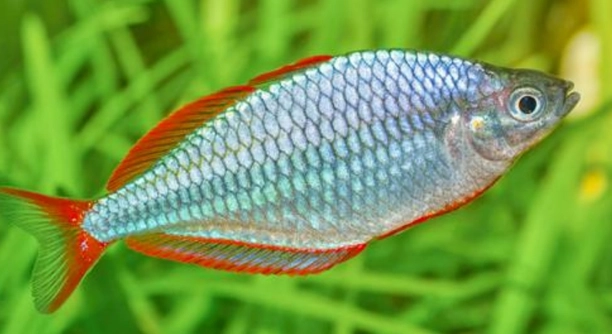
Rainbow fish are known for their vibrant colors and playful movements, but their behavior can sometimes be puzzling, especially when it comes to reflections. Do they react to the glass? What does it mean for their environment?
Rainbow fish may react to reflections on the glass, thinking they’re encountering another fish. However, they don’t appear to mind it in a way that would cause them distress. The behavior is generally harmless and temporary.
Understanding how your rainbow fish interact with their reflections can help improve their environment. This knowledge is important to ensure their well-being while also making their aquarium more enjoyable for you.
How Rainbow Fish See Reflections
Rainbow fish, like many fish, have excellent vision. They can easily detect movements, colors, and light. Their natural habitat doesn’t usually offer reflections, but in an aquarium, glass provides a mirror-like surface that can be intriguing to them. The reflection can make them believe they’re encountering another fish, especially if they are alone. This may cause them to display certain behaviors, such as swimming closer to the glass or trying to interact with the “other” fish. However, over time, they learn to ignore these reflections, as they realize they don’t get any response from them. Still, when placed in a tank with other fish, their behavior may change, and they may no longer show interest in their reflections.
The presence of a reflection is not likely to cause long-term stress for your rainbow fish. Most will eventually ignore it after realizing that no interaction is forthcoming. It’s just part of their natural curiosity.
Fish tanks are designed to offer an enriching environment, but it’s important to keep in mind that reflections can be confusing to your rainbow fish. If they are constantly reacting to the glass, it may indicate that they’re feeling lonely or stressed. Introducing a tank mate can reduce this behavior and help them feel more comfortable. By offering them a balanced environment with plenty of hiding places, plants, and space, you can reduce their need to interact with reflections. Keeping a diverse and engaging tank setup helps ensure their physical and mental health.
How to Minimize Reflection Distractions
To reduce the impact of reflections, make sure the tank is properly lit. Overhead lighting or bright windows can intensify reflections, which may cause your rainbow fish to feel agitated.
Keeping the tank in a darker room or using blinds to block out excessive light can limit reflections. Additionally, positioning the aquarium away from mirrors or windows will help reduce confusion. Your rainbow fish will be less likely to get distracted, leading to a more peaceful environment.
The Effect of Reflections on Behavior
Reflections on the glass can trigger a variety of behaviors in rainbow fish. They may swim around in circles, approach the glass, or even become territorial. These responses are often temporary and stop once the fish realizes the “other fish” isn’t real.
This behavior occurs because rainbow fish are naturally curious creatures. They are constantly exploring their surroundings, and the reflection can look like a potential companion. It’s not uncommon for them to attempt to interact with it, especially if they’re solitary. This can lead to stress or frustration, as there’s no actual interaction. Over time, most rainbow fish adjust and begin to ignore the reflection.
The best way to help your rainbow fish settle is to provide a well-lit tank with plenty of other fish or decorations. If they’re constantly interacting with reflections, it could mean they need more stimulation. Adding more plants, tank mates, or even moving the tank to a different location might ease their confusion. This will allow them to focus on real interactions and enjoy a more balanced environment.
How Reflections Affect Tank Conditions
The reflections can sometimes cause rainbow fish to act erratically, but it’s not just about their behavior. These visual distractions can also affect the overall health of the tank. Fish that are stressed by constant interaction with their own reflection may have compromised immune systems or develop unhealthy habits.
While the fish may not directly harm the tank, the stress they experience can lead to changes in their eating patterns. They might eat less or exhibit aggressive behavior toward other tank mates. Over time, this can disrupt the balance of the tank, leading to poor water quality. It’s important to regularly monitor their behavior and ensure they’re not overly stressed by their surroundings.
Providing a peaceful and stimulating environment will allow your rainbow fish to thrive. Avoid having reflections from mirrors or windows, and check that their tank mates are compatible. A happy and well-adjusted fish will likely be healthier and more active, creating a better ecosystem in the tank overall.
How to Help Your Rainbow Fish Adjust
If your rainbow fish seems stressed by its reflection, there are a few things you can do to help. You can add more plants, decorations, or tank mates to provide distractions. This will help reduce the fish’s focus on the glass.
Introducing a companion is a simple way to make your rainbow fish feel less lonely. They’ll interact with their tank mates instead of the reflection. Make sure the new fish species are compatible to avoid aggression. Adding hiding spots and plants will help give the fish areas to explore, making the tank more enriching.
Tank Setup Considerations
Your tank setup plays a huge role in reducing reflections. Positioning the aquarium away from direct sunlight or mirrors will minimize distractions. Overhead lighting can also help reduce unwanted reflections, making the environment calmer for your rainbow fish. A darker or shaded area can help keep the fish from becoming overly focused on glass reflections.
Long-Term Effects of Reflections
Although rainbow fish can adjust to reflections over time, they may still experience stress, especially if the reflections are constant. If they continue to react to the glass after some time, it might be a sign that the environment is not ideal. Make adjustments accordingly to ensure a more comfortable habitat.
FAQ
Do rainbow fish get stressed by reflections?
Yes, rainbow fish can get stressed by reflections. When they see their reflection in the glass, they may think it’s another fish, which can trigger territorial behavior or constant swimming toward the glass. This can be a source of stress, especially if the fish are isolated or lack other tank mates to interact with. Over time, some fish may adjust and ignore the reflection, but in the beginning, it can be distracting.
How can I stop rainbow fish from reacting to reflections?
To stop rainbow fish from reacting to reflections, consider adjusting their environment. Ensure the tank is not near mirrors or windows, as these can create strong reflections. You can also add more plants, rocks, or tank mates to distract the fish. Creating a more stimulating environment will help redirect their focus away from the glass. Additionally, using softer lighting can reduce the strength of reflections. This allows your fish to concentrate on their surroundings without the confusion of seeing themselves.
Should I add more fish to keep rainbow fish from reacting to their reflection?
Adding more fish can help, as it gives rainbow fish something real to focus on. If a rainbow fish sees its reflection, it might mistake it for another fish and try to interact with it. By adding compatible tank mates, your rainbow fish will likely focus on them instead of the glass. However, make sure the new fish species are peaceful and compatible with your rainbow fish to avoid aggression. Keeping a balanced group of fish will also help keep everyone engaged and reduce any stress.
Do rainbow fish stop reacting to their reflection over time?
Most rainbow fish will eventually stop reacting to their reflection after a period of time. Once they realize there is no interaction or response from the “other fish,” they often lose interest. However, it can take a few weeks or longer for them to adjust fully. If the reflection persists or the environment remains unchanged, the fish may continue to show signs of curiosity or territorial behavior. It’s important to monitor their reactions and make adjustments to their environment if necessary.
Is it bad for rainbow fish to constantly react to reflections?
Constantly reacting to reflections can be stressful for rainbow fish, and over time, this can lead to behavioral changes or health issues. Stress from persistent confusion and frustration can impact their immune system, reduce appetite, and even lead to aggression. It’s important to provide a peaceful environment where rainbow fish feel secure and are not constantly distracted by reflections. Monitoring their behavior and making the necessary changes can help avoid long-term stress.
Can reflections affect the water quality in a tank?
Reflections themselves do not directly affect water quality, but the behavior they cause in rainbow fish can. If the fish are constantly swimming toward the glass or acting erratically, they may expend more energy, which can impact their overall health. This can, in turn, affect their eating habits and potentially lead to waste accumulation in the tank. A stressed fish might not eat properly, causing water quality to decline due to food being uneaten. It’s important to ensure your fish are healthy and calm to help maintain a balanced tank environment.
What should I do if my rainbow fish is still stressed by its reflection after weeks?
If your rainbow fish is still stressed by its reflection after weeks, it’s a sign that the environment may need more adjustments. First, consider adding more tank mates, as a lonely fish is more likely to react to reflections. Additionally, check the lighting to ensure it’s not too bright, as excessive light can intensify reflections. If possible, move the tank to a location with less light exposure. Make sure the fish has plenty of places to hide and explore, such as plants and rocks, to provide more stimulation and reduce stress.
Will rainbow fish ever get used to seeing their reflection?
Rainbow fish can get used to seeing their reflection, but the time it takes depends on the individual fish. Many will eventually stop reacting to it, especially if they are placed in a more enriched environment with tank mates and plenty of hiding spaces. However, if the reflection is too strong or if the fish feel constantly threatened, it may take longer for them to adjust. Over time, most fish learn to ignore reflections as they focus on their tank mates or surroundings.
Do reflections affect rainbow fish during breeding season?
Reflections may have a different impact during breeding season. If a rainbow fish is breeding or in the process of courtship, they might react more aggressively to their reflection, mistaking it for a rival. This can cause territorial behavior, as they may feel the need to protect their space. To reduce this, it’s best to avoid placing mirrors or highly reflective surfaces near the tank during breeding periods. Providing a comfortable and peaceful environment will allow rainbow fish to focus on breeding rather than dealing with distractions.
Can the tank environment prevent rainbow fish from reacting to their reflection?
Yes, creating the right tank environment can reduce or eliminate the impact of reflections. The key is to provide enough stimulation and distraction for the fish. Adding plants, rocks, and hiding places will help keep the fish engaged with their environment instead of focusing on the glass. Having enough tank mates also reduces the likelihood that they will focus on reflections. Proper lighting is also important; avoid placing the tank in direct sunlight or near mirrors to minimize the reflection’s strength.
How long does it take for rainbow fish to ignore reflections?
The time it takes for rainbow fish to ignore reflections varies depending on the individual fish and the environment. Generally, it may take anywhere from a few days to several weeks for the fish to lose interest in the reflection. If the fish has plenty of distractions, like tank mates and decorations, they may adjust quicker. If the environment remains stagnant, it may take longer for the fish to become accustomed to the glass. The more enriched the environment, the faster they’ll adapt.
Final Thoughts
Rainbow fish are beautiful creatures, and their reactions to reflections on the glass are natural. They are curious by nature and will often approach any movement or image in their environment. While it might seem strange to us, seeing their own reflection can be confusing for them, especially if they think they are encountering another fish. This behavior usually fades over time as the fish learn that the reflection doesn’t pose any threat. However, it can sometimes lead to stress or frustration, especially in fish that are kept alone or in an environment with a lot of reflective surfaces.
If your rainbow fish are reacting strongly to their reflection, there are several ways to help them adjust. First, making sure the tank is in a spot where it’s not exposed to excessive light or reflections from windows or mirrors can reduce this behavior. The less they see their reflection, the less likely they are to interact with it. Additionally, adding more plants, decorations, or tank mates can distract the fish from the glass and offer them more stimulation. A more engaging environment is key to keeping them happy and reducing stress. Providing these distractions not only helps with reflection-related behavior but also creates a healthier, more balanced aquarium.
In the end, understanding your rainbow fish’s behavior is important to ensuring their well-being. While reflections might seem like a minor issue, they can have an impact on the overall health and behavior of your fish. If your rainbow fish seem stressed or are consistently interacting with the glass, it’s a good idea to re-evaluate their environment. By making small changes and providing a more stimulating and comfortable tank setup, you can help your fish feel more at ease. The goal is to create an environment that is both peaceful and enriching for them, allowing your rainbow fish to thrive and enjoy their space without the distraction of reflections.

Hello,
If you enjoy the content that we create, please consider saying a "Thank You!" by leaving a tip.
Every little bit helps us continue crafting quality advice that supports the health, happiness, and well-being of pets around the world, for pets of all shapes, sizes, and species.
We really appreciate the kindness and support that you show us!