
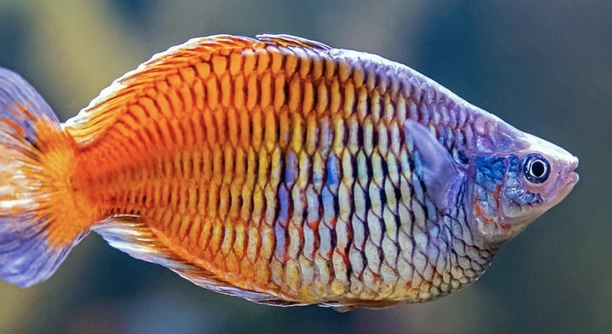
Rainbow fish are known for their colorful appearance and lively movements. Observing their behaviors, it’s easy to think that they are simply playing. However, these actions often serve a deeper purpose in their social interactions and environment.
Rainbow fish exhibit behaviors that resemble play, such as chasing, darting, and leaping. These actions help establish territory, strengthen social bonds, and even assist in mate selection. While playful in appearance, these behaviors play crucial roles in survival and reproduction.
Understanding their playful-seeming actions provides valuable insight into their behavior and overall well-being.
Chasing and Darting: A Sign of Territory and Social Structure
When rainbow fish chase or dart around each other, it may look like playful behavior, but it’s actually an important part of how they communicate and establish social order. These actions help them define their space and assert dominance. In the wild, this behavior ensures that each fish knows its place in the hierarchy, preventing unnecessary conflicts. When a fish displays this behavior, it is usually trying to show its territory boundaries or even display fitness to potential mates.
This type of behavior isn’t just about fighting but creating a healthy structure within the group. Fish that perform these actions are also showing off their agility and speed, which can be attractive to mates.
In addition, chasing is crucial when establishing who leads the school. The fish who can maintain the fastest, most assertive movements often hold the highest rank. By maintaining a fluid, energetic movement, they signal to others that they are strong and capable, making it easier for them to maintain their position in the group.
Leaping Out of the Water: What It Means
Leaping out of the water may seem like a fun moment for rainbow fish, but it’s actually a strategic behavior. Many fish do this to escape potential threats like predators. It’s a survival tactic that helps them avoid being caught.
Displaying Vibrant Colors: A Sign of Attraction
Rainbow fish display vibrant colors to attract mates. These colors change depending on the fish’s mood and environment. The brighter and more intense the colors, the more likely the fish is trying to catch the attention of a potential mate. This behavior is often seen during breeding seasons.
Male rainbow fish are particularly known for showing off their vibrant colors to females. This act is a signal of health and genetic strength. Brighter colors are seen as more attractive, as they signify a healthy, well-fed fish. By enhancing their colors, males are increasing their chances of successful mating.
In the wild, vibrant colors also serve as a defense mechanism. They help rainbow fish stand out from predators, making them more visible and harder to catch. However, this only works in environments where they have plenty of hiding spots, allowing them to show off without fear of being preyed upon.
Social Interaction Through Nibbling
Nibbling at each other is common among rainbow fish, and it’s not just a sign of aggression. Instead, it’s often a form of social interaction. These interactions help maintain peace within their groups and allow fish to check each other’s health and cleanliness.
Rainbow fish will nibble on each other’s fins and scales, which may appear to be playful behavior. However, this can also help them remove parasites or dead skin, similar to how cleaner fish work in some aquatic ecosystems. This mutual grooming keeps the group healthy and free of infections.
Although nibbling can seem playful, it’s also a sign of trust between the fish. Fish that feel comfortable with each other will engage in this type of behavior. It strengthens the bond between them and ensures the group remains strong. It’s a behavior rooted in survival and maintaining harmony.
Schooling Behavior: A Group Effort
Rainbow fish are often seen schooling together, swimming in synchronized patterns. This behavior helps them protect each other from predators. By sticking together, they confuse predators, making it harder for them to target a single fish. The tight group offers safety in numbers.
Schooling also improves the chances of finding food. As a group, rainbow fish are more efficient at locating food sources. They can move quickly, covering large areas in search of food, while also ensuring that the group stays together for protection. This behavior also strengthens social bonds among the fish.
Resting on the Bottom
Rainbow fish often rest on the bottom of their environment during the night or when they need to relax. This behavior helps them conserve energy and avoid potential threats. They are more vulnerable while resting, so they choose safe, hidden spots.
Resting also allows the fish to recover from daily activities like swimming and feeding. The bottom provides a secure place where they can rest without the fear of being caught by predators.
FAQ
Do rainbow fish play with each other?
Rainbow fish engage in behaviors that may seem playful but have specific purposes. For example, they chase, dart, and leap around one another. These activities help establish territory, strengthen social bonds, and signal to potential mates. Although it looks like play, these actions are rooted in survival and reproduction. Fish may also nibble on each other, which serves to clean and groom, contributing to overall health and hygiene within the group.
Why do rainbow fish swim in groups?
Schooling is a crucial behavior for rainbow fish. It offers protection from predators by creating confusion, making it harder for predators to target an individual. Swimming in groups also helps with finding food and maintaining social order. Grouping together allows fish to pool their efforts, moving efficiently and increasing their chances of locating resources.
Do rainbow fish interact with other species?
Rainbow fish are generally peaceful and can live with other species, as long as the tank environment is suitable. They do well in community tanks with other non-aggressive fish. However, their interactions with other species can depend on factors like tank size, the temperament of other fish, and available space. It’s important to ensure that any fish sharing the tank have compatible behaviors to reduce stress and aggression.
Why do rainbow fish jump out of the water?
Jumping is often a response to stress or an instinctual survival tactic. It can help rainbow fish escape predators or navigate around obstacles. In aquarium settings, fish may leap if they feel threatened or if the water conditions are poor. It’s a natural behavior that can also occur when fish are excited or engaging in mating rituals. Ensuring the tank is properly covered can prevent accidental jumps.
How do rainbow fish communicate with each other?
Rainbow fish communicate mainly through visual cues and body movements. The most notable signals are changes in coloration, which are used to attract mates or warn off rivals. Fish may also engage in chasing and other physical behaviors to establish dominance or create social structure within the group. These signals help the fish maintain order and harmony within their environment.
What do rainbow fish eat?
Rainbow fish are omnivores, meaning they eat a variety of plant-based and animal-based foods. Their diet typically includes small insects, algae, and other aquatic plants. In captivity, they can be fed high-quality flake foods, frozen or live foods like brine shrimp, and vegetable matter such as spinach. A varied diet helps them maintain vibrant colors and stay healthy.
How do I know if my rainbow fish is healthy?
A healthy rainbow fish will exhibit bright, vibrant colors and swim actively throughout the tank. It should have a clean, smooth body with no visible injuries, lesions, or signs of disease. Healthy fish tend to school together and show social behavior with other tank mates. If a fish becomes lethargic, loses color, or stops eating, it may be a sign of illness, and you should check water parameters and consult a veterinarian if necessary.
Why do rainbow fish nibble on each other?
Nibbling is a common behavior among rainbow fish and serves as a form of social interaction. They may nibble on each other’s fins and skin to remove parasites or dead skin cells. This behavior, similar to cleaner fish in the wild, helps maintain the health of the group. It’s also a way for fish to establish social bonds and reduce stress.
What is the ideal tank size for rainbow fish?
Rainbow fish need a spacious tank to thrive, with at least 20 gallons for a small group. Larger tanks are preferable if you plan to house several fish. A well-planted tank with plenty of swimming space and hiding spots mimics their natural habitat, helping them feel secure and reducing stress. Adequate space encourages schooling behavior, making them feel more comfortable and reducing territorial aggression.
How often should I feed rainbow fish?
Rainbow fish should be fed two to three times per day, with small portions to prevent overfeeding. A varied diet is important to keep them healthy. It’s best to provide food they can consume within a few minutes, ensuring that there is no leftover food to pollute the water. Be mindful of feeding habits to maintain water quality and fish health.
Can rainbow fish live with other freshwater species?
Rainbow fish can generally live with other peaceful, non-aggressive freshwater species. They are not territorial and tend to get along with a wide range of fish, as long as the other species are not overly aggressive or large enough to pose a threat. When selecting tank mates, it’s important to consider the size of the tank and the behavior of other fish.
How do I know if my rainbow fish is stressed?
Signs of stress in rainbow fish include faded colors, lack of appetite, and erratic swimming. Fish may swim aimlessly, rub against objects, or stay hidden in corners if they feel stressed. Poor water quality, overcrowding, or tank mates that are too aggressive can cause these symptoms. Monitoring water parameters and providing a calm environment will help reduce stress.
Why do rainbow fish chase each other?
Chasing is often part of the dominance hierarchy within a group of rainbow fish. It’s a way for fish to establish who leads the school. Male rainbow fish may also chase females during mating season as a form of courtship. This behavior is natural and serves to maintain order within the group, ensuring that the most fit fish can mate and take charge of the school.
Final Thoughts
Rainbow fish exhibit a variety of behaviors that can often seem playful but serve important purposes. Their vibrant colors, for example, are not only for attraction but also for communication and survival. These colors can indicate a fish’s health, mood, and readiness to mate. The act of nibbling on each other or chasing one another is not just a sign of playful interaction but also serves to maintain the social structure and health of the group. Understanding these behaviors helps in creating a more suitable environment for them, whether in the wild or in an aquarium.
The social nature of rainbow fish is also an important factor to consider. They thrive in schools, which not only protect them from predators but also help them find food more efficiently. Their schooling behavior contributes to the stability of the group, with each fish playing a role in the community. In captivity, replicating this social structure by providing a larger tank and multiple fish can improve their well-being. Their need for space and a structured environment should be prioritized for their mental and physical health.
Finally, caring for rainbow fish involves understanding their need for proper diet, tank conditions, and interaction with other species. These fish are relatively easy to care for, but like all pets, they require attention to their environment and diet. Ensuring that their tank is clean, well-maintained, and equipped with the right companions will contribute to their happiness and health. The fascinating behaviors of rainbow fish, from their playful interactions to their social dynamics, make them a joy to observe and care for in an aquarium setting.

Hello,
If you enjoy the content that we create, please consider saying a "Thank You!" by leaving a tip.
Every little bit helps us continue crafting quality advice that supports the health, happiness, and well-being of pets around the world, for pets of all shapes, sizes, and species.
We really appreciate the kindness and support that you show us!