
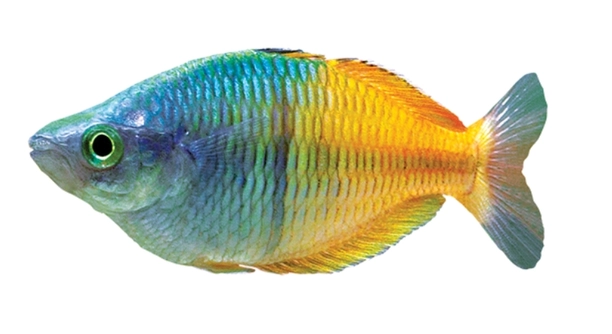
Rainbow fish are vibrant and colorful creatures that can be quite entertaining to observe. Their playful nature often leads to interesting behavior, leaving people wondering about their interactions and habits in their aquatic environment.
Rainbow fish do not engage in racing behavior, as their natural instincts are more focused on survival and territory. However, they may swim quickly in bursts when startled or when competing for food, but this is not considered racing.
Understanding their behavior can help you create a better environment for these beautiful fish. Let’s explore how their habits influence their activity in the water.
Understanding Rainbow Fish Behavior
Rainbow fish are typically peaceful and active swimmers in their natural habitats. They are not known to engage in competitive behaviors like racing. However, these fish do exhibit bursts of speed when startled or when they’re chasing food. Their movements are quick and fluid, but these actions are more about survival or securing resources rather than any race-like activity.
In their natural environments, rainbow fish swim at varying speeds depending on the situation. They might swim slowly and gracefully, exploring their surroundings, or speed up to escape threats. When kept in aquariums, their behavior might change slightly due to their new environment, but racing isn’t part of their natural instincts.
If you observe rainbow fish swimming energetically, it’s often because they’re either competing for food or interacting with other fish in the tank. This can sometimes be mistaken for racing, especially when they dart around quickly. Ensuring a proper and stress-free environment can reduce erratic movements and promote natural swimming patterns.
Environmental Factors and Activity
The layout of the tank can affect how active rainbow fish become. They need plenty of swimming space, and the presence of plants or decorations can provide hiding spots and encourage exploration.
In a well-maintained aquarium, rainbow fish are likely to swim more freely, moving in patterns that resemble chasing one another. However, this is more about territory and food access than any real competition. Ensuring the water is clean and the environment is suitable for them can lead to more natural and relaxed behavior.
Providing ample space and hiding spots can prevent stress and help maintain a calm atmosphere in the tank. If you notice that the fish seem more stressed or are swimming erratically, it might be time to reassess the tank setup. Healthy environments allow these fish to thrive and display their best behavior, which includes smoother, more fluid swimming patterns.
Rainbow Fish Tank Setup
A proper tank setup plays a big role in the behavior of rainbow fish. These fish need enough space to swim freely and explore. A cramped tank can lead to stress, causing erratic behavior like quick darting motions.
When setting up the tank, aim for at least a 30-gallon tank for a small group of rainbow fish. This size ensures they have room to swim and avoid feeling crowded. You can also add live plants, driftwood, or rocks to give them areas to hide and explore. Providing these elements makes the environment feel more natural and less stressful for the fish.
If your tank is too small or lacks hiding spots, the fish may become more aggressive or anxious, affecting their swimming patterns. It’s essential to maintain a balanced ecosystem that mimics their natural environment. Rainbow fish thrive when they have a sense of security, and a well-thought-out tank setup can encourage them to swim peacefully.
Feeding Habits and Activity
The way you feed your rainbow fish can also influence their behavior. These fish are active feeders and tend to swim faster when they see food. It’s not racing, but rather a natural response to the prospect of feeding.
To maintain a healthy environment, it’s crucial to feed rainbow fish a balanced diet of flakes, pellets, and live or frozen foods. When feeding, try spreading the food around the tank to mimic how they would hunt for food in the wild. This can reduce the chance of any one fish becoming overly dominant and help maintain a calm, less competitive feeding routine.
Rainbow fish can be somewhat territorial, especially when it comes to food. If there’s not enough food for everyone or if some fish are quicker to get to it, this could lead to increased swimming activity and potential skirmishes. By providing enough food and ensuring there are multiple feeding areas, you’ll see more calm and less frantic swimming.
Rainbow Fish Tank Mates
Choosing compatible tank mates for rainbow fish is essential for reducing stress. Fish that are too aggressive or territorial can cause tension, leading to erratic movements. Rainbow fish do best with peaceful species that won’t compete for food or space.
To maintain harmony in the tank, avoid aggressive fish like cichlids or large predatory species. Instead, consider adding peaceful species like tetras or rasboras, which won’t threaten your rainbow fish. Keeping the peace in the tank ensures that your rainbow fish feel comfortable and can swim naturally. Adding the right tank mates also prevents stress-related health issues.
Monitoring Water Quality
Water quality plays a big role in the well-being of rainbow fish. They need clean, oxygenated water to thrive. Poor water quality can lead to stress, causing erratic swimming patterns and other health issues. Regular water changes are crucial.
Maintain stable water conditions by checking the pH, ammonia, and nitrate levels. Rainbow fish prefer slightly acidic to neutral water, with a temperature range of 74-80°F. Consistently testing and adjusting the water can help prevent any sudden changes that may upset the fish. Clean water encourages more relaxed and natural behavior.
Rainbow Fish Lifespan
Rainbow fish typically live for about 3-5 years in a well-maintained tank. Their lifespan depends on factors like tank conditions, diet, and overall care. Ensuring a stable environment helps them live longer, healthier lives.
FAQ
Do rainbow fish like to swim in schools?
Rainbow fish are social creatures and tend to swim in schools, especially in larger tanks. They feel safer when surrounded by others of their kind, and it helps them feel more secure. A group of at least six is recommended to keep them comfortable and reduce stress.
Can rainbow fish live with other species?
Yes, rainbow fish can live peacefully with many other species. They are generally non-aggressive and do well with peaceful fish such as tetras, gouramis, and rasboras. Avoid keeping them with aggressive or territorial fish, which could cause stress and alter their behavior.
What is the best temperature for rainbow fish?
Rainbow fish thrive in water temperatures between 74°F and 80°F. This range mimics their natural environment and supports their activity level and metabolism. Keeping the water too cold or too warm can stress the fish, causing them to swim erratically or even become ill.
What do rainbow fish eat?
Rainbow fish are omnivores and enjoy a varied diet. They can be fed flakes, pellets, live or frozen foods such as bloodworms, brine shrimp, and daphnia. Offering a variety of food helps maintain their health and keeps them active.
How often should I feed rainbow fish?
Feed rainbow fish once or twice a day. It’s best to provide only as much food as they can eat in a few minutes to avoid overfeeding. Overfeeding can lead to poor water quality, which can affect the fish’s health and behavior.
Do rainbow fish need a filter?
Yes, rainbow fish require a filter to keep the water clean and oxygenated. They thrive in well-maintained environments, and a good filtration system helps prevent water quality issues. A filter also helps mimic the constant flow of water in their natural habitats.
Are rainbow fish easy to care for?
Rainbow fish are relatively easy to care for, making them a good choice for beginners. They don’t require complex care routines but do need stable water conditions, a proper diet, and the right tank mates. Regular maintenance is key to keeping them healthy.
Can rainbow fish live in a small tank?
Rainbow fish prefer larger tanks with plenty of swimming space. While they can technically live in smaller tanks, it’s best to provide at least a 30-gallon tank for a small group. A larger tank reduces stress and promotes natural behavior.
How do I know if my rainbow fish is stressed?
Stressed rainbow fish may display erratic swimming, including fast darting, hiding, or staying in one area of the tank. They might also lose their vibrant color or appear lethargic. Stress can be caused by poor water conditions, overcrowding, or incompatible tank mates.
Can rainbow fish breed in a home aquarium?
Yes, rainbow fish can breed in home aquariums. They require a breeding tank with clean water, appropriate temperature, and a separate space for the eggs to hatch. Some species of rainbow fish, like the Australian rainbow, can breed more easily in captivity, but others may require special care to encourage breeding.
How do I take care of baby rainbow fish?
Baby rainbow fish need a separate, well-maintained tank with appropriate water conditions to thrive. Start by providing small, frequent feedings of finely crushed food or liquid fry food. Ensure the fry tank is free of strong currents, as baby fish are delicate and can be swept away by powerful filters.
Can rainbow fish live in brackish water?
Some species of rainbow fish, such as the rainbowfish species native to Australia, can tolerate brackish water, though they still prefer freshwater. If you plan to keep them in brackish water, be sure to research the specific species to ensure they can handle the salt levels. Most rainbow fish species do best in freshwater environments.
Why is my rainbow fish not eating?
If your rainbow fish isn’t eating, it could be due to stress, poor water quality, or an illness. Check the water parameters to ensure they are within the ideal range. Stress from aggressive tank mates or overcrowding could also make them hesitant to eat.
Do rainbow fish get along with shrimp?
Rainbow fish can coexist with shrimp, but it depends on the species. Some larger rainbow fish might see shrimp as food, while others may ignore them entirely. It’s best to keep smaller species of shrimp and ensure there are plenty of hiding spots in the tank.
Why is my rainbow fish swimming erratically?
Erratic swimming can be a sign of stress, illness, or poor water conditions. If the fish is swimming rapidly or darting around the tank, check the water parameters. Stress from overcrowding, inappropriate tank mates, or sudden temperature changes can also lead to erratic behavior.
Can rainbow fish tolerate high light levels?
Rainbow fish prefer moderate lighting that mimics their natural habitat. Bright, intense lighting can cause stress and encourage algae growth in the tank. It’s best to provide a natural light cycle, with dimmer light during the night and a moderate level of light during the day.
How do I keep my rainbow fish healthy?
To keep rainbow fish healthy, maintain stable water conditions, provide a balanced diet, and keep the tank clean. Regular water changes, proper filtration, and ensuring that the fish have enough space to swim and explore are all crucial steps for their well-being.
What are common diseases in rainbow fish?
Rainbow fish are susceptible to common freshwater diseases like ich, fin rot, and dropsy. These can be prevented by maintaining good water quality, keeping the tank clean, and avoiding overcrowding. If your fish show signs of illness, separate them to prevent the spread of disease.
Can rainbow fish be kept with bettas?
Rainbow fish can generally be kept with bettas, but caution is needed. Bettas are territorial and may become aggressive toward rainbow fish, especially if they have similar body shapes or vibrant colors. Choose calm betta fish and ensure there’s plenty of space in the tank.
How do I know if my rainbow fish is male or female?
In many species of rainbow fish, males are more colorful and vibrant than females. Males often display brighter hues and have more elongated fins, while females tend to be larger and less colorful. However, some species may have less obvious differences.
What is the ideal pH for rainbow fish?
Rainbow fish prefer slightly acidic to neutral water with a pH between 6.5 and 7.5. Regularly check the pH levels in the tank to ensure they stay within this range. A stable pH level promotes health and reduces the chances of stress-related behavior.
Final Thoughts
Rainbow fish are a popular choice for aquariums due to their vibrant colors and peaceful nature. They are relatively easy to care for, making them ideal for both beginners and experienced fish keepers. However, their well-being depends on maintaining good water quality, providing a balanced diet, and ensuring that they have appropriate tank mates. Keeping their environment clean and stable is key to ensuring they live a long, healthy life.
It’s important to remember that rainbow fish are social animals. They thrive in groups, so it’s best to keep at least six together. This not only makes them feel more comfortable but also allows them to display natural behaviors, such as swimming in schools. If kept alone, rainbow fish can become stressed, leading to health problems and changes in behavior. Therefore, providing them with a suitable group and ensuring their social needs are met is essential.
In conclusion, rainbow fish can be a beautiful and enjoyable addition to any tank, but like all fish, they require proper care. By paying attention to their needs, you can ensure that they remain healthy and active. With the right tank conditions, diet, and social setup, rainbow fish will thrive and bring a burst of color to your aquarium for years to come.

Hello,
If you enjoy the content that we create, please consider saying a "Thank You!" by leaving a tip.
Every little bit helps us continue crafting quality advice that supports the health, happiness, and well-being of pets around the world, for pets of all shapes, sizes, and species.
We really appreciate the kindness and support that you show us!