
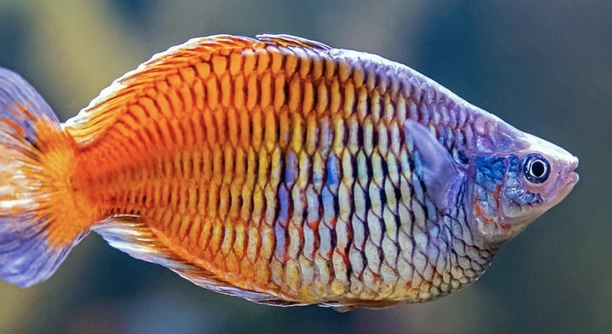
Have you recently brought home a rainbow fish and started noticing all the little things you don’t quite understand about their care?
New rainbow fish owners often have questions about behavior, diet, tank setup, and social needs. These fish require a well-maintained aquarium with proper water conditions, compatible tank mates, and a varied diet to stay healthy and active.
Learning these basics will help you build a more stable and enjoyable home for your colorful aquatic companions.
How Many Rainbow Fish Should I Get?
Rainbow fish are active swimmers that feel most comfortable in groups. They thrive in a school of at least six of their kind, especially when kept in a spacious tank. Keeping them in smaller numbers can cause stress and dull their colors. A larger group allows them to interact naturally and display their best behaviors. It’s also important to match their size with compatible tank mates. Smaller fish might get chased, while aggressive species can cause problems. Stick to peaceful community fish to maintain balance. Always consider the tank size—overcrowding leads to water issues and unhappy fish.
A group of six rainbow fish helps promote healthy activity, stable behavior, and brighter coloration.
Having a proper tank size matters just as much as the number of fish. Aim for at least a 30-gallon tank if you’re keeping six or more rainbow fish. This allows enough space for schooling and prevents territorial behavior. These fish are fast swimmers and need room to stretch out, especially when excited or feeding. A long tank works better than a tall one, as it offers more horizontal swimming space. Add plants and open areas to give them both shelter and space to move freely. A balanced group in a suitable tank leads to a more vibrant and relaxed environment.
Why Is My Rainbow Fish Losing Color?
Stress, poor water quality, and inadequate diet are the most common reasons rainbow fish lose their color.
When rainbow fish begin to fade in color, it usually means something isn’t right in their tank environment. One of the main reasons is stress—this could come from aggressive tank mates, a lack of hiding spots, or sudden changes in water temperature or pH. Inconsistent lighting or long periods of darkness can also reduce color vibrancy. Nutrition plays a big role too. Without a variety of high-quality foods, including flakes, pellets, and occasional frozen treats, their appearance will dull over time. Make sure your fish are not being bullied, and check water parameters often. Ammonia, nitrite, and nitrate levels need to stay within safe ranges, and partial water changes every week will help with this. Offering a calm tank, steady conditions, and balanced nutrition will help bring their bright colors back and keep them healthy long-term.
What Do Rainbow Fish Eat?
Rainbow fish need a balanced diet that includes both plant-based and protein-rich foods. Flake foods are fine for daily feeding, but variety is important. Adding live or frozen foods like brine shrimp or bloodworms helps support color and energy.
Feeding them the same thing every day can lead to nutritional gaps. Including vegetable matter like spirulina flakes or blanched spinach helps support digestion. Protein from live or frozen sources boosts immune function and color vibrancy. Feed them twice a day in small amounts they can finish within two minutes. Avoid overfeeding, as uneaten food affects water quality. Rotate their diet through the week to keep things balanced and interesting for them. When they eat well, they’re more active, show brighter colors, and stay healthy. It’s worth observing how they respond to different foods—it helps you adjust their meals to fit their needs better.
A good diet also reduces stress and helps prevent disease. When fish feel full and nourished, they’re less likely to fight or act skittish. Pay attention to changes in appetite, as this may signal a health issue or water problem. Keep treats like daphnia or mosquito larvae for once or twice a week, not daily. Store food properly to keep it fresh and effective. A varied, consistent feeding routine ensures your rainbow fish stay active, colorful, and strong across all life stages.
Why Are My Rainbow Fish Chasing Each Other?
Chasing is common in rainbow fish, especially in groups with an uneven male-to-female ratio. It’s often related to mating behavior or mild competition, but it can also become stressful if it happens constantly or causes injury.
Most of the time, chasing is harmless and part of their normal interactions. Males show off to females or establish a mild hierarchy. However, if there are too many males and not enough females, the chasing can escalate and become too frequent. A good ratio is two females for every male. Rearranging tank decorations or adding plants can reduce direct sightlines and help calm things down. When rainbow fish feel secure in their space, they’re less likely to act aggressively. Also, check your tank size—limited space can lead to tension. Offering a balanced diet, clean water, and a calm environment all contribute to peaceful behavior. Watch for fin damage or hiding, which may signal real stress.
Do Rainbow Fish Need a Heater?
Rainbow fish are tropical and do best in warm, stable temperatures. A heater helps maintain the range they need, ideally between 74°F and 78°F. Sudden drops can stress them, so keeping the temperature consistent is important.
Even in warmer climates, room temperatures often fluctuate too much. A reliable heater ensures water stays steady, especially at night. Choose an adjustable model with a thermometer to monitor accuracy. This helps reduce stress, supports their immune system, and keeps their behavior stable.
Can Rainbow Fish Live with Other Fish?
Rainbow fish do well in community tanks when paired with peaceful species of similar size. Avoid aggressive or fin-nipping fish, as these can cause stress or injury. Good tank mates include tetras, barbs, rasboras, and peaceful catfish. Keep plenty of space and add plants for cover to help all species feel secure. Introducing new fish slowly and keeping a close eye on group dynamics can help prevent conflict. Always research compatibility before mixing species to support a safe and active tank for everyone.
Are Rainbow Fish Easy to Care For?
They are hardy and adapt well with the right setup, but they still need attention to water quality, diet, and social needs.
How big do rainbow fish get?
Most common types of rainbow fish, like the Boesemani, grow to around 4 inches when fully mature. Some species stay smaller, while others can reach up to 6 inches in ideal conditions. Size depends on genetics, diet, water quality, and tank space. A well-maintained tank with proper care helps them reach their full size. Smaller tanks may slow growth or lead to stunted development. To support healthy growth, provide a balanced diet, regular water changes, and enough room to swim comfortably. Watching them grow over time is one of the satisfying parts of keeping them.
How many rainbow fish should be kept together?
Rainbow fish are schooling fish, so they do best in groups. A minimum of six is ideal to help them feel secure and reduce stress. Being in a group also brings out their natural colors and behaviors. When kept alone or in too small a group, they may become shy or display erratic behavior. Males will often show off their colors when housed with others, especially when females are present. Keeping them in a proper group makes them more active and confident, which also makes the tank more enjoyable to watch.
How long do rainbow fish live?
With good care, rainbow fish can live between five to eight years. Some may live longer with a healthy environment and proper diet. Clean water, consistent temperatures, and low stress levels are important for a long lifespan. Avoid overfeeding, as it can lead to obesity and poor water conditions. Providing a stable routine helps reduce stress, which in turn supports their health. Regular tank maintenance, good filtration, and attention to any behavior changes all contribute to a healthier, longer life. Their lifespan may vary slightly between species, but care basics are generally the same.
Can rainbow fish change color?
Yes, rainbow fish often change color slightly depending on mood, lighting, and environment. Males, in particular, become brighter when displaying or feeling dominant. During spawning or in the morning hours, they may show even more intense colors. A poor diet, illness, or stress can also dull their appearance. If a normally colorful fish starts looking pale or washed out, it’s a good idea to check water quality and observe their behavior. Color changes are normal, but consistent dullness might be a sign something is off in the tank. A proper diet and clean water help them maintain their color.
Do rainbow fish jump out of tanks?
Rainbow fish are known jumpers. They can leap out of the tank when startled or during active swimming. This is why a secure lid is important. Even a small opening can be a risk. Loud noises, sudden lights, or chasing can cause them to bolt upwards. Keeping the tank in a low-traffic area and offering plenty of cover helps reduce stress and jumping. Make sure your tank has a tight-fitting lid with no gaps. Many owners learn the hard way, so it’s best to cover your tank from the start to avoid accidents.
Are rainbow fish aggressive?
They are generally peaceful but can become territorial during breeding or if the tank is too small. Males may chase each other or show off to females, but it’s usually harmless. Aggression becomes a problem when there’s not enough space or hiding areas. A proper male-to-female ratio and enough room help reduce stress. Adding plants and décor to break up sightlines can also help. If chasing leads to fin damage or constant hiding, it may be a sign the tank setup needs adjusting. In the right environment, rainbow fish stay calm and coexist well with others.
Can rainbow fish live in a planted tank?
Yes, they thrive in planted tanks. Plants offer cover, reduce stress, and help maintain good water quality. Live plants also create a more natural and appealing environment. Choose hardy species like Java fern, Anubias, or Vallisneria. Avoid sharp or fragile plants, as rainbow fish are active swimmers. They won’t usually eat plants, making them ideal for these setups. Just make sure the tank is large enough for both the plants and their swimming needs. Strong lighting will enhance both the plants and the fish’s colors. A well-planted tank supports healthier, calmer fish behavior.
How often should I feed rainbow fish?
Feed rainbow fish twice a day in small amounts they can finish in under two minutes. Overfeeding can cause health issues and water problems. Rotate between flakes, pellets, and frozen foods to ensure a balanced diet. Avoid feeding only one type of food for too long. Keep treats like bloodworms or brine shrimp limited to a few times a week. Monitor how they eat—if food is left uneaten, reduce the amount. Consistent feeding supports growth, energy, and color. Feed at the same times each day to keep them on a stable routine.
Final Thoughts
Rainbow fish are a colorful and active addition to freshwater tanks. Their peaceful nature and social behavior make them enjoyable to watch, especially when kept in the right environment. They thrive best in groups, prefer clean water, and need enough swimming space to stay healthy. With proper care, they show off their natural colors and interact well with other tank mates. Their needs are simple, but consistency matters. A good diet, regular maintenance, and stable conditions go a long way in helping them live a longer, healthier life.
Keeping rainbow fish is not difficult, but it does require attention to detail. From choosing the right tank size to feeding the correct amount, every step plays a role in their well-being. Beginners often have many questions, and that’s normal. Understanding their behavior, knowing what to look for, and learning how to spot signs of stress or illness can help prevent problems early on. Their tendency to jump, sensitivity to water changes, and social needs are all important things to consider. When their care is taken seriously, they become lively and colorful members of the aquarium.
If you’re new to rainbow fish or thinking about adding them to your tank, it’s worth taking the time to learn their basic needs. Start with a group of six or more, pick peaceful tank mates, and set up a secure lid to avoid accidents. Choose live plants if possible, as they provide comfort and help with water quality. Don’t forget that regular feeding, consistent cleaning, and monitoring their behavior can make a big difference. These simple steps not only keep your fish happy but also make the aquarium more enjoyable to maintain and observe over time.

Hello,
If you enjoy the content that we create, please consider saying a "Thank You!" by leaving a tip.
Every little bit helps us continue crafting quality advice that supports the health, happiness, and well-being of pets around the world, for pets of all shapes, sizes, and species.
We really appreciate the kindness and support that you show us!