
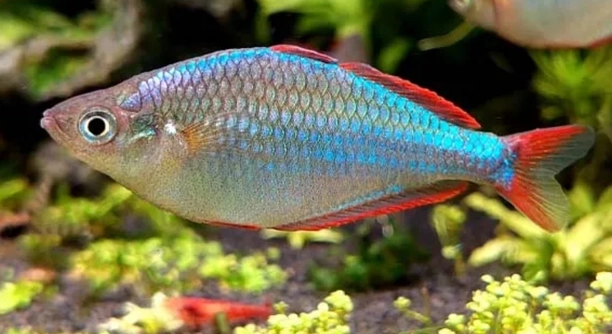
Rainbow fish are fascinating creatures that can often be found in aquariums. They are colorful, active, and captivating to watch. However, there is more to these fish than just their beauty. Do they have the ability to learn and expect food?
Research suggests that rainbow fish are capable of learning to associate certain cues with feeding times. This means that they can develop expectations for when food will be provided, particularly in response to environmental or behavioral triggers.
Understanding how rainbow fish react to feeding routines can help aquarium owners provide better care for them. This knowledge may also reveal how other fish species learn and adapt in similar settings.
How Rainbow Fish Learn to Expect Food
Rainbow fish have a keen sense of association when it comes to their feeding habits. Through consistent exposure to certain triggers, like a specific sound, time of day, or even the sight of the person who feeds them, they begin to recognize patterns. This type of behavior is not unique to rainbow fish. Many animals, including humans, are known to develop such associations. It’s a natural process that helps them prepare for a predictable event—in this case, the arrival of food. With time, the fish’s response becomes automatic. They might start swimming eagerly or gather near the water’s surface whenever they sense that food is coming.
Feeding patterns in aquarium settings can be crucial for these fish. They become accustomed to a certain routine, which may include the time of day or the presence of specific sounds. This can make feeding easier and less stressful for both the fish and the owner.
What’s interesting is that rainbow fish can also learn by observing their environment. For example, if they see other fish eating or are exposed to the same environment repeatedly, they might start to anticipate food in a similar manner. In this way, their brains are forming associations that make feeding time more predictable. Understanding this behavior can help aquarium owners create a more enjoyable and organized feeding schedule for their fish, reducing stress and enhancing their overall well-being.
The Role of Repetition
Repetition is key to how rainbow fish develop their expectations. The more frequently they experience a particular event linked with feeding, the stronger the association becomes.
For example, if you feed your rainbow fish at the same time each day, they will start to recognize that pattern. They may even begin to swim toward the area where food is typically provided before you start feeding them. This routine helps them understand when to expect food and allows them to respond accordingly, creating a sense of security. Over time, this can even lead to the fish recognizing the person who feeds them, associating their presence with food. A consistent feeding schedule helps in building this routine and reinforces the connection between the behavior and the reward, which in this case, is food.
How Feeding Time Affects Behavior
When rainbow fish associate certain cues with feeding, their behavior changes. They may swim more actively or gather near the surface when they anticipate food. This shows how their response to feeding time can be influenced by routine and environment. Over time, these behaviors become ingrained and automatic.
Rainbow fish rely heavily on their senses to detect feeding cues. The visual sight of a person or even the sound of water disturbance can trigger an eager response. Their behavior becomes more predictable the more they experience these cues. The anticipation of food makes the fish more engaged, which benefits their overall health. These fish aren’t just waiting for food; they are responding to learned triggers that signal it’s time to eat.
With regular exposure, their feeding behavior becomes routine, and their level of activity may increase just before they are fed. This automatic response is a sign of learning. It shows that rainbow fish can adapt their behavior based on what they expect. Over time, these learned behaviors become almost second nature, making it easier to feed them.
The Influence of Social Interactions
Rainbow fish don’t only learn by individual experience but also through social interactions. When they observe other fish feeding, they may begin to expect food at similar times. This social learning helps them adapt quickly in a shared environment.
In a tank with multiple fish, some rainbow fish may pick up on cues from others. For instance, if one fish consistently responds to a certain sound or visual cue by swimming toward the food, other fish may imitate the behavior. This form of social learning helps them quickly understand the routine without directly being taught. It is fascinating how they can learn from the behavior of others in their environment. Social cues, whether from other fish or from interactions with the tank owner, can reinforce feeding expectations. Thus, even without direct teaching, rainbow fish can become familiar with their feeding schedules by observing others.
Can They Recognize Their Caretaker?
Rainbow fish can recognize their caretakers, especially when feeding is involved. If they are consistently fed by the same person, they begin to associate that person with food. This recognition makes them more responsive when their caretaker approaches the tank.
They learn through repeated interactions. The more often a person feeds them, the more likely the fish will begin to expect food when that person is nearby. They can also become familiar with specific actions, like a particular motion when food is being added. Over time, the fish start responding to the individual.
Environmental Cues
Environmental cues play a major role in how rainbow fish learn to expect food. The presence of a specific object or a certain pattern of activity in the tank may trigger their anticipation. Fish are highly sensitive to changes in their surroundings.
Over time, they learn that specific cues, such as the appearance of the tank lid or a change in lighting, often lead to feeding. These environmental triggers help establish a routine and further reinforce their behavior. By linking these cues to feeding, they prepare themselves for the food that follows.
The Role of Consistency
Consistency is essential for teaching rainbow fish to expect food. If the feeding schedule is irregular, they may not form solid associations between cues and food. Fish benefit from knowing when and what to expect. A consistent feeding time builds stronger learning patterns.
FAQ
How long does it take for rainbow fish to learn to expect food?
Rainbow fish can start associating food with certain cues within a few days to weeks. The time it takes depends on how often they are exposed to consistent feeding triggers. If fed at the same time and in the same way daily, they will likely catch on quickly. The more consistent the schedule, the faster they will learn.
Can rainbow fish learn from other fish?
Yes, rainbow fish can learn from observing others. If one fish reacts to feeding cues, others may start mimicking that behavior. This form of social learning helps fish in a group understand when food is expected, even if they are not individually taught. Watching others is a natural learning method in many species.
What type of cues can rainbow fish learn to recognize?
Rainbow fish can recognize a variety of cues that signal food. These include sounds, like the splash of a feeding hand, or visual triggers, such as the appearance of a certain container or the movement of a person near the tank. Over time, they associate these cues with feeding times, making them more eager and responsive.
Do rainbow fish only learn through sight and sound?
No, rainbow fish also learn through other senses, like taste and smell. They may start to associate certain smells with food, especially if specific foods are consistently offered. The sense of smell, along with sight and sound, helps them develop stronger associations between cues and feeding.
How important is routine for rainbow fish to expect food?
Routine is very important for rainbow fish. A regular feeding schedule helps them recognize when food is coming. This consistency reinforces their learned behavior and reduces stress. When the fish know when to expect food, they can respond more calmly and effectively, making the feeding experience smoother.
Do rainbow fish have the ability to differentiate between food types?
Yes, rainbow fish can differentiate between different types of food. Over time, they learn to associate certain types of food with particular cues. For example, if a specific smell or color is linked to one kind of food, they may react differently when that food is offered. They can recognize these differences, which can affect their anticipation.
Can rainbow fish become too dependent on food cues?
While rainbow fish can become conditioned to food cues, it is unlikely that they will become overly dependent on them in an unhealthy way. The ability to learn and anticipate food is a natural survival instinct. However, if the feeding schedule is disrupted for an extended period, they may show signs of confusion or stress. It’s important to maintain a stable routine for their well-being.
How can I use this behavior to improve my aquarium routine?
By understanding how rainbow fish learn to expect food, you can optimize their feeding experience. Stick to a consistent feeding time and use cues to help them anticipate food. You might try tapping on the tank or using a specific feeding container each time. This consistency helps reduce stress and improves their feeding behavior.
Can rainbow fish learn to recognize other people besides their caretaker?
Yes, rainbow fish can learn to recognize different people, especially if they are regularly fed by more than one person. The fish may associate specific people with food based on their actions, like the way they approach the tank or the sounds they make. However, the strongest recognition is typically with the person who feeds them most often.
Do rainbow fish experience stress if they don’t receive food on schedule?
Rainbow fish can experience stress if their feeding schedule is disrupted. They may become more restless or agitated if they expect food and don’t receive it. This stress is usually short-lived, but a consistent routine is important for maintaining their well-being. If the schedule changes, it might take time for them to adjust.
Is there a way to stop rainbow fish from getting too excited at feeding time?
Rainbow fish can become very excited when they anticipate food. To manage this, try feeding them smaller amounts more frequently, so they don’t become too eager. Another method is to scatter the food around the tank, which can help reduce the excitement and encourage natural foraging behaviors.
Are there any foods that rainbow fish learn to prefer over time?
Yes, rainbow fish may develop preferences for certain types of food over time. If a particular food consistently satisfies them, they may show more interest when that food is presented. It’s important to offer a balanced diet to ensure their health, but they may develop favorites based on their experiences.
Can rainbow fish lose the ability to recognize food cues if they stop being fed regularly?
If rainbow fish are not fed regularly, they may lose some of their learned associations with food cues. They might stop responding to specific triggers or become less eager for food. However, with consistent feeding and exposure to the same cues, they can relearn these behaviors relatively quickly. Regular feeding is key to maintaining their learned expectations.
What should I do if my rainbow fish don’t seem to be learning to expect food?
If your rainbow fish aren’t showing signs of learning food cues, it could be due to an inconsistent feeding schedule or lack of exposure to specific triggers. Try feeding them at the same time each day and use consistent cues like sound or movement. Give them time to adjust, as learning takes time.
Can rainbow fish adapt to new feeding routines?
Rainbow fish are quite adaptable and can adjust to new feeding routines over time. However, it might take them a few days to a week to fully recognize and respond to new cues. Consistency is still the key to helping them transition smoothly to a new routine.
Final Thoughts
Rainbow fish are fascinating creatures, and their ability to learn and adapt to feeding routines shows just how intelligent they can be. By recognizing consistent cues like time, sound, and visual triggers, they form associations that make feeding time more predictable. This behavior not only helps them feel more secure but also makes it easier for aquarium owners to establish a routine. Once they learn the cues, rainbow fish can eagerly anticipate their meals, creating a smoother and less stressful feeding process. Understanding how these fish learn is essential for those who want to care for them properly.
The role of consistency cannot be overstated. Whether it’s the same time every day or a particular action that signals food, rainbow fish thrive on regularity. The more predictable the environment, the stronger their learned behaviors become. This predictable routine also promotes better health and well-being, as it reduces anxiety and gives the fish a sense of stability. Aquarium owners who establish consistent feeding times and cues are likely to see more engaged, healthier fish. It’s a simple yet effective way to improve the overall experience for both the fish and the person caring for them.
While rainbow fish are capable of learning and adapting to new routines, they can also be quite sensitive to changes. If the schedule is disrupted or the feeding cues become inconsistent, they may become confused or stressed. However, with patience and consistency, these behaviors can quickly be reestablished. Whether they’re learning from observation or directly from their caretaker, rainbow fish have the ability to recognize and respond to specific triggers that lead to food. By understanding this process, aquarium owners can foster an environment that’s both enriching and beneficial for their fish.

Hello,
If you enjoy the content that we create, please consider saying a "Thank You!" by leaving a tip.
Every little bit helps us continue crafting quality advice that supports the health, happiness, and well-being of pets around the world, for pets of all shapes, sizes, and species.
We really appreciate the kindness and support that you show us!