
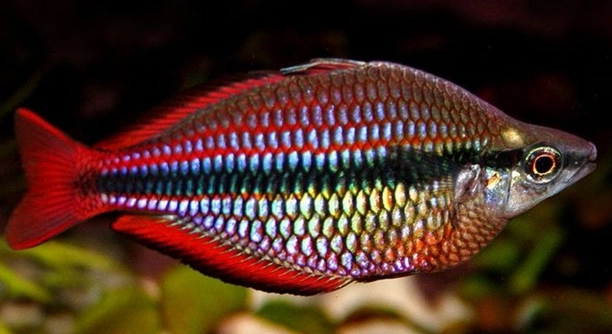
Rainbow fish are popular for their vibrant colors and active nature. Many aquarium enthusiasts enjoy watching these fish as they swim gracefully. Understanding what triggers excitement in rainbow fish can help create a more enriching environment for them.
Rainbow fish become excited by various stimuli, including feeding, changes in lighting, new tank mates, and environmental enrichment. These triggers encourage active behaviors such as swimming, socializing, and displaying vibrant colors, indicating their overall well-being.
Providing a stimulating environment with the right conditions can help your rainbow fish thrive. Keep reading to learn more about the key triggers that bring out their best behaviors and how to create a positive space for them.
Feeding Time Brings Excitement
Rainbow fish are highly responsive during feeding times. Their natural instinct is to be alert and active when they sense food in the water. This excitement stems from their need to hunt and forage for food in their natural habitats. In an aquarium, their anticipation and energy levels rise when they see food being added, making this one of the best times to observe them at their most lively.
Rainbow fish are not picky eaters but enjoy a varied diet that includes both plant-based and protein-rich foods. A well-balanced diet ensures they stay healthy and maintain their vibrant colors. When the fish see food approaching, their excitement can be seen in how they move quickly to the feeding area, creating a flurry of activity in the tank.
This reaction also highlights their social nature. Rainbow fish often feed in groups, and watching them together creates a dynamic atmosphere in the tank. This excitement is a reminder of how active and social these fish are, making feeding time one of the highlights of their day.
Environmental Changes Spark Interest
Even minor changes in the tank environment can stir excitement in rainbow fish.
Shifting the layout, adding plants, or introducing new decorations can make the tank feel like a fresh space to explore. These changes mimic the natural alterations in their environment, encouraging curiosity. When new elements are added to the tank, rainbow fish are often seen swimming around more actively, exploring and interacting with the new objects. This behavior shows their excitement and engagement with their surroundings.
New Tank Mates Generate Curiosity
Introducing new tank mates can trigger excitement in rainbow fish. They are naturally social and often curious about other species in their space.
When new fish are added to the tank, rainbow fish tend to become more active, swimming around to investigate. This increased activity often leads to displays of vibrant color, especially if the new fish are similar in size or color. The presence of new tank mates provides an opportunity for social interaction, which rainbow fish actively seek. However, it’s essential to monitor these interactions to ensure they remain peaceful.
This excitement is not limited to new rainbow fish. When other species are introduced, rainbow fish may show interest in their behaviors and movements. They may swim alongside them, mimicking their actions, which helps keep them stimulated and engaged in their environment.
Light Adjustments Affect Behavior
Changes in lighting can excite rainbow fish, especially when they experience brighter or dimmer conditions.
Rainbow fish are often triggered by changes in light intensity, which can influence their activity levels. In natural environments, lighting changes throughout the day, signaling different phases of activity. In an aquarium, adjusting light duration or intensity can simulate these natural transitions. As the lighting dims, rainbow fish may become more relaxed, while brighter lighting tends to make them more active.
Additionally, the colors of the lights used can affect the fish’s color display. Rainbow fish are known for their ability to brighten up under specific lighting, making their vibrant hues more noticeable. This reaction encourages excitement as they respond to environmental changes, reinforcing their natural instincts and behavior patterns.
Tank Size and Space to Swim
Rainbow fish thrive in larger tanks where they have more space to swim freely. A cramped environment can reduce their excitement.
When given ample space, rainbow fish become more active, darting through the water and exploring their surroundings. This behavior is a natural response to having room to move and interact with their environment. Smaller tanks can limit their activity, making them less engaged.
Providing enough space also reduces stress, which is crucial for keeping them healthy. A larger tank allows them to express their natural behaviors, which includes socializing and exploring, both of which excite rainbow fish.
Temperature Fluctuations Can Energize Them
Temperature changes in the tank can excite rainbow fish, as they are sensitive to their surroundings.
These fish are accustomed to warm waters, and slight shifts in temperature can stimulate them to swim around more. In the wild, they often encounter varying temperatures, making them adaptable to small fluctuations. However, drastic changes can cause stress, so any adjustments should be gradual.
If the temperature is too cold or too warm, rainbow fish might become lethargic. But when the temperature is just right, they will swim energetically, often displaying their colorful markings. Keeping the temperature steady is key to maintaining their excitement without causing any distress.
FAQ
What triggers excitement in rainbow fish?
Rainbow fish become excited due to several factors, including feeding times, environmental changes, new tank mates, and light adjustments. They respond to the opportunity for social interaction, exploration, and stimulation. When food is introduced, their natural hunting instincts kick in, and they become more active. Similarly, changes in the tank’s layout or light can spark curiosity and energetic behavior. These fish thrive in environments that offer both physical space and mental stimulation.
How do rainbow fish react to new tank mates?
When new fish are introduced, rainbow fish often become more active and curious. They may swim around, observing the new arrivals and even mimicking their behavior. If the new fish are compatible, they may form social bonds and become more interactive with each other. This excitement is usually positive, as long as there’s enough space in the tank to prevent territorial disputes. Monitoring interactions is important to avoid aggression, as rainbow fish may become territorial if the tank is too small or overcrowded.
Can rainbow fish live with other species?
Rainbow fish are generally peaceful and can live with a variety of other species, provided the tank is large enough and the fish are not aggressive. They prefer tanks with other calm, social fish that match their activity level. Larger, slow-moving fish or smaller, aggressive fish can stress rainbow fish, so it’s important to choose tank mates carefully. Ideal companions are those with similar temperaments and environmental needs. It’s also a good idea to provide plenty of hiding spots and plants to ensure all the fish feel safe.
How do light and temperature affect rainbow fish?
Both light and temperature play crucial roles in the health and excitement of rainbow fish. Changes in light can trigger different behaviors, such as heightened activity during brighter conditions. Rainbow fish often become more colorful under certain lighting, enhancing their natural beauty. As for temperature, they prefer a warm environment. Temperatures that are too cold or too warm can cause stress and lethargy. A stable water temperature between 72°F and 80°F (22°C and 27°C) is ideal for their well-being. Sudden temperature fluctuations should be avoided, as they can negatively affect their behavior and health.
Do rainbow fish need a lot of space?
Yes, rainbow fish need a good amount of space to swim and explore. In smaller tanks, they may feel cramped, leading to stress and a decrease in their overall activity. A larger tank allows them to express their natural behaviors, such as swimming freely and socializing with other fish. As a general rule, aim for at least a 20-gallon tank for a small group of rainbow fish, and provide plenty of swimming areas. The more space they have, the more active and engaged they’ll be, which helps maintain their excitement levels.
Can rainbow fish get stressed?
Yes, rainbow fish can get stressed if their environment is not optimal. Stress can be triggered by overcrowding, improper water conditions, lack of hiding places, or aggressive tank mates. When stressed, rainbow fish may display signs such as fading colors, erratic swimming, or a lack of appetite. To prevent stress, maintain stable water parameters, ensure they have enough space, and monitor their interactions with other fish. If stress continues, it can lead to health problems, so it’s important to address any issues quickly.
How do I keep rainbow fish excited in my tank?
To keep rainbow fish excited, focus on providing a stimulating environment. This includes adding plants, rocks, and other decorations that encourage exploration. Regularly changing the tank’s layout or introducing new tank mates can also spark their curiosity. Additionally, maintaining a proper feeding schedule with a variety of foods keeps them active and healthy. They thrive in well-maintained tanks that offer ample space and consistent water quality. Regular water changes, proper filtration, and good lighting will ensure they stay active and vibrant.
Why do rainbow fish change colors?
Rainbow fish change colors as a natural response to their environment. When they are excited, stressed, or interacting with other fish, they may display more vivid colors. Males often show brighter colors to attract females, especially during breeding seasons. Lighting also plays a role, as rainbow fish may appear more colorful under brighter lights. Stress, on the other hand, can cause their colors to dull. Providing a stress-free environment with plenty of space and the right lighting will help keep their colors vibrant.
Can rainbow fish breed in an aquarium?
Yes, rainbow fish can breed in an aquarium under the right conditions. They typically require a larger tank, with stable water temperature and a slightly acidic to neutral pH. To encourage breeding, it’s important to have a healthy male-to-female ratio, usually with more females than males. When the conditions are ideal, the fish will breed naturally. You might notice the males displaying their vibrant colors to attract females during this time. Once the eggs are laid, they will hatch into fry, which will need to be cared for separately until they are strong enough to join the adult fish.
How often should I feed rainbow fish?
Rainbow fish should be fed once or twice a day, depending on their age and activity level. Overfeeding can lead to water quality problems, so it’s important to provide just enough food for them to eat within a few minutes. A balanced diet of flakes, pellets, and occasional live or frozen foods will keep them healthy. Young rainbow fish may require smaller, more frequent feedings to support their growth. Always remove any uneaten food to prevent water contamination, as leftover food can cause harmful spikes in ammonia levels.
Final Thoughts
Rainbow fish are vibrant and active creatures that thrive in a well-maintained tank. Understanding the factors that excite them can help create an environment where they can flourish. By providing the right space, temperature, lighting, and social opportunities, you can ensure your rainbow fish remain healthy and happy. When these fish feel stimulated by their surroundings, they will show their most vivid colors and energetic behavior, which is truly a sight to behold. Their natural instincts, like exploring their environment and interacting with others, can be easily nurtured with the proper care.
Feeding times, tank mates, light changes, and other environmental factors play an important role in triggering excitement in rainbow fish. By observing how they react to these changes, you can better understand their needs and adjust their habitat accordingly. Regular feedings, along with occasional updates to the tank’s layout or the introduction of new species, can keep them mentally engaged. It’s essential to remember that these fish are social and active, so keeping them in a well-balanced and stimulating environment helps them stay healthy.
Maintaining a stress-free environment is crucial for rainbow fish. When stressed, they may show dull colors or exhibit abnormal behaviors. It’s important to avoid overcrowding and ensure the water quality stays at optimal levels. Additionally, adjusting the tank setup to allow space for swimming and exploration will support their natural behaviors. Regular observation of their activity can help you spot any issues early, allowing you to make the necessary adjustments to keep them content and thriving. By providing the best care, you can enjoy watching your rainbow fish in their most lively state.

Hello,
If you enjoy the content that we create, please consider saying a "Thank You!" by leaving a tip.
Every little bit helps us continue crafting quality advice that supports the health, happiness, and well-being of pets around the world, for pets of all shapes, sizes, and species.
We really appreciate the kindness and support that you show us!