
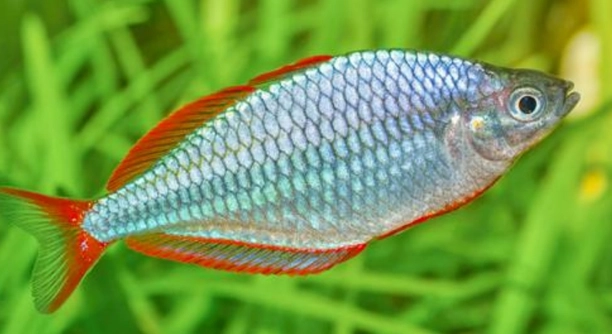
Rainbow fish are popular aquarium pets known for their colorful scales and lively nature. Understanding their living conditions is essential for ensuring their well-being. One common concern is whether they thrive in large open spaces.
Rainbow fish generally enjoy ample space to swim, as they are active and social. However, it is crucial to provide a balanced environment with sufficient hiding spots and plants. Overly large spaces without enrichment can cause stress.
Providing the right environment for your rainbow fish is important for their health. It is essential to strike a balance between space and enrichment in their aquarium.
The Importance of Space for Rainbow Fish
Rainbow fish, while small in size, are quite energetic and require enough room to swim freely. They are naturally active in the wild, where they move across large areas in search of food and shelter. Therefore, replicating this type of space in captivity can improve their overall well-being. In an aquarium, providing a spacious tank helps ensure that they remain healthy, both physically and mentally.
While rainbow fish appreciate larger tanks, it’s important to consider the size and depth of the aquarium. A tank that is too small may restrict their movements, leading to stress and health issues. It’s also essential to keep in mind that rainbow fish are social creatures. They thrive when kept in groups, so it’s crucial to have enough space for multiple fish.
For the best outcome, aim for a tank size of at least 30 gallons for a small group of rainbow fish. This will allow them the freedom to swim and interact comfortably with each other. A larger tank also helps maintain water quality and reduces the need for frequent water changes.
Enrichment in Aquariums
Having ample space is only part of the equation. Rainbow fish need enrichment to feel comfortable and thrive. Plants, rocks, and other decorations provide essential hiding spots and territorial areas. This creates a more natural habitat, helping to reduce stress.
Enrichment also plays a role in their social interactions. When they have spaces to hide or claim as their own, it helps with the natural behaviors of these fish, like establishing territories and interacting with one another. Without such structures, the fish may become aggressive or anxious.
By adding plants and rocks, you provide your rainbow fish with more than just space to swim. These items give them an opportunity to feel secure, making the aquarium a more enjoyable environment.
Ideal Tank Setup for Rainbow Fish
When setting up an aquarium for rainbow fish, it’s crucial to focus on both space and water conditions. A well-planted tank with plenty of swimming space will help mimic their natural environment.
Choose plants that provide shelter but don’t overcrowd the space. Fish like to swim freely, but they also need places to rest or hide. Make sure there’s enough surface area for them to move around. Using a mix of floating plants and rooted plants can help maintain balance.
Adding gentle filtration is important for keeping the water clean without disturbing the fish. Rainbow fish are sensitive to changes in water quality, so stable conditions are key. A consistent water temperature and proper pH level will help them feel comfortable and active in their tank.
Water Temperature and Quality
Water quality is critical for the health of rainbow fish. They thrive in clean, well-maintained water with the right balance of minerals.
Ensure the water temperature stays between 74°F and 80°F. Regularly test the water to monitor pH levels, hardness, and ammonia levels. Keep the water clean by performing partial water changes every two weeks. This helps maintain a stable environment, reducing the risk of diseases.
Investing in a good filtration system is essential. A filter will help maintain water clarity and health, making the environment more comfortable for the fish.
Tank Size and Population
The tank size for rainbow fish should allow them plenty of space to swim. A larger tank is ideal for maintaining water quality and reducing aggression.
The ideal minimum size for a small group of rainbow fish is 30 gallons. This size provides enough room for them to move freely while maintaining good water conditions.
When stocking a tank, avoid overcrowding. For every additional fish, consider adding five extra gallons of water. This ensures there is enough space for each fish to claim its territory and swim comfortably.
Rainbow Fish Behavior
Rainbow fish are peaceful and social, thriving in groups of six or more. They enjoy interacting with one another, especially in larger spaces.
These fish are generally not aggressive but can become territorial if confined to too small of an area. Keeping them in groups of the same species allows them to establish social bonds, reducing stress. Rainbow fish also interact with other tank mates, making them excellent companions for non-aggressive species.
Feeding Rainbow Fish
Rainbow fish are omnivores and require a balanced diet to stay healthy. They eat both plant matter and small animals, such as invertebrates.
Feed them a variety of foods, including high-quality flake foods, frozen or live foods like brine shrimp, and algae-based supplements. Regular, varied feeding helps them maintain bright colors and energy.
FAQ
Do rainbow fish need a heater?
Yes, rainbow fish require a stable water temperature between 74°F and 80°F. A heater helps maintain these conditions, especially in cooler environments. Without proper temperature control, rainbow fish can become stressed, which can lead to health issues. Investing in a good-quality heater ensures they thrive in a consistent environment.
Can rainbow fish live with other species?
Rainbow fish are peaceful and social, making them suitable for community tanks. They generally get along with other non-aggressive fish. However, avoid pairing them with aggressive species that may stress them out. Smaller fish, like tetras or peaceful catfish, make good tank mates.
How often should I feed my rainbow fish?
Rainbow fish should be fed two to three times a day. Offer them a variety of foods, including flakes, pellets, and live or frozen options like brine shrimp. Feed them in small amounts that they can eat within a few minutes to prevent overfeeding and water pollution.
What type of water do rainbow fish prefer?
Rainbow fish prefer slightly acidic to neutral water with a pH between 6.5 and 7.5. They also thrive in soft to moderately hard water. It’s important to maintain these levels to ensure their health and vibrant colors. Regular testing of your aquarium’s water is essential to keeping them comfortable.
Can rainbow fish live in a planted tank?
Yes, rainbow fish do well in a planted tank. Plants provide hiding spots and a more natural environment for them to feel secure. It’s important to have a good balance of open swimming areas and plants. Ensure that plants are not overly dense, as rainbow fish need space to move around.
How do I keep my rainbow fish healthy?
To keep rainbow fish healthy, ensure proper water quality, a balanced diet, and appropriate tank size. Regular water changes and maintenance of the filter system are important to keep the water clean. Keeping stress levels low and offering plenty of space to swim will also contribute to their well-being.
Do rainbow fish need a lot of light?
Rainbow fish prefer moderate lighting. Too much light can cause stress and encourage algae growth, while too little light may prevent them from displaying their vibrant colors. A timer for the aquarium light will help maintain a regular light cycle, which is important for the fish’s circadian rhythm.
What’s the ideal tank size for rainbow fish?
The minimum recommended tank size for rainbow fish is 30 gallons for a small group. A larger tank is better for keeping them healthy and stress-free. Providing ample swimming space will reduce aggression and allow for natural behavior. For each additional fish, add approximately 5 gallons of water.
Why are my rainbow fish losing color?
Loss of color in rainbow fish is often a sign of stress, poor water quality, or improper diet. Ensure the water parameters are stable, with the right temperature and pH levels. A balanced diet with plenty of variety will help maintain their bright colors. Reducing stress in the tank can also prevent color loss.
How can I breed rainbow fish?
Breeding rainbow fish can be rewarding but requires specific conditions. Set up a separate breeding tank with clean, slightly acidic water and a temperature around 78°F. Provide fine-leaved plants or spawning mops for egg laying. After eggs are laid, remove the parents, as they may eat the eggs. Hatchlings should be fed infusoria or finely crushed food until they are large enough for regular feeding.
How long do rainbow fish live?
Rainbow fish typically live for 5 to 8 years, though with proper care, they can live longer. Their lifespan depends on factors like water quality, tank size, and diet. Regular maintenance and minimizing stress will help your rainbow fish live a long, healthy life.
Can rainbow fish be kept alone?
While rainbow fish are not overly aggressive, they are social creatures and should be kept in groups. Keeping them alone can lead to stress and reduced lifespan. It’s best to keep them in schools of six or more. A solitary rainbow fish might not display its natural behaviors and could become withdrawn.
How do I prevent diseases in rainbow fish?
Maintaining good water quality and providing a balanced diet are the first steps in preventing diseases. Quarantine new fish before introducing them to the main tank to avoid introducing potential pathogens. Keep an eye on your rainbow fish for signs of illness, such as loss of appetite, lethargy, or abnormal swimming behavior.
Final Thoughts
Rainbow fish are vibrant, peaceful creatures that can make a beautiful addition to any aquarium. They thrive in environments that provide ample swimming space, proper water quality, and a balanced diet. Keeping rainbow fish requires careful attention to water conditions, temperature, and tank mates. By providing a comfortable environment, these fish will live healthy, active lives and show off their bright, striking colors.
Maintaining a tank for rainbow fish is straightforward once you understand their needs. The right tank size, proper filtration, and regular water changes will ensure the water stays clean and safe for them. Rainbow fish are not demanding, but their sensitivity to water quality and temperature means that a stable environment is crucial. They benefit from a variety of foods and need enough space to swim freely, as they are not solitary fish.
In conclusion, caring for rainbow fish is rewarding, but it’s important to consider their specific requirements. With the proper setup, diet, and care, they will thrive and provide enjoyment for years. As long as their needs are met, rainbow fish can live in harmony with other peaceful species, making them an ideal choice for community tanks.

Hello,
If you enjoy the content that we create, please consider saying a "Thank You!" by leaving a tip.
Every little bit helps us continue crafting quality advice that supports the health, happiness, and well-being of pets around the world, for pets of all shapes, sizes, and species.
We really appreciate the kindness and support that you show us!