
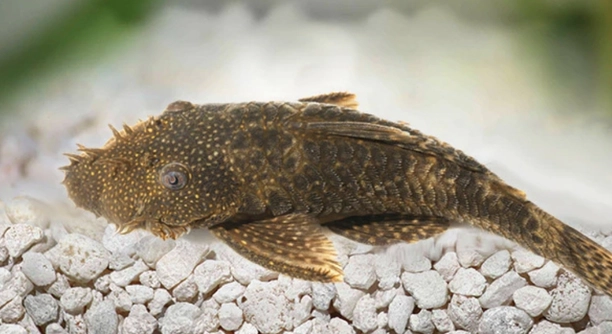
Have you ever noticed your pleco resting in an unusual position and wondered if it’s normal behavior or something to worry about? These fascinating fish often surprise their owners with their quirky habits and unique resting styles.
Plecos sometimes sleep upside down, and this behavior is generally normal. Certain species, like the upside-down catfish or specific pleco varieties, may rest this way for comfort or to stay close to surfaces where they feel most secure.
Understanding these behaviors helps you recognize what’s typical for your pleco and what may signal a health concern worth addressing in your aquarium.
Why Plecos Sometimes Sleep Upside Down
Plecos may rest upside down for several natural reasons related to their instincts and comfort. In their natural habitats, these bottom-dwellers often cling to surfaces like driftwood, rocks, or tank glass to feel secure. Some pleco species, especially those with flatter bodies, find it easier to attach themselves upside down when they’re near overhangs or hiding spots. This position can also help them conserve energy and feel less exposed. In aquariums, you might notice this behavior near the underside of decorations, filters, or even along the tank’s glass. It’s their way of finding a comfortable and safe resting position without stress or danger.
Sometimes, sleeping upside down can also help plecos adjust to the water’s oxygen levels. When near the surface, they can rest while staying close to higher oxygen concentrations, especially in tanks with limited aeration. This behavior reflects their natural adaptability and resilience.
However, not all upside-down resting is harmless. If your pleco is frequently floating at odd angles or appears lethargic, it might indicate an underlying issue like poor water quality, digestive problems, or swim bladder issues. Monitoring tank conditions, checking diet, and maintaining regular water changes are key to ensuring their well-being. Keeping a close eye helps distinguish between normal rest and possible distress.
How to Tell If It’s Normal or a Problem
Plecos that rest upside down but still move normally, eat well, and respond to light or movement are typically fine. Their behavior should appear relaxed rather than strained, with smooth, even breathing and no signs of imbalance.
If your pleco seems weak, gasps for air, or floats awkwardly for long periods, it may be time to investigate further. Test your tank’s ammonia, nitrite, and nitrate levels, as poor water quality is a common cause of stress. Ensure their diet includes both plant matter and protein sources to prevent digestive issues. Swim bladder problems can also occur from overfeeding or lack of fiber, so consider offering blanched vegetables like zucchini or peas. Observe how your pleco behaves after feeding and during rest. Consistent observation helps determine if the upside-down posture is simply a quirk or a signal of discomfort. With proper care, most plecos return to their normal, relaxed habits quickly.
Common Species Known for This Behavior
Some pleco species are more likely to rest upside down than others. The Bristlenose Pleco and the Common Pleco occasionally display this behavior, especially when hiding or sleeping under driftwood. Others, like the Upside-Down Catfish, naturally adopt this position as part of their resting pattern.
The Bristlenose Pleco often attaches itself beneath surfaces, using its suction mouth to stay secure and comfortable. The Royal Pleco, on the other hand, prefers resting upside down beneath wood since it naturally feeds on it. This position allows easy access to food while remaining hidden. Even the Common Pleco may adopt this habit when seeking shade or conserving energy. These fish use their environment to feel safe, just as they would in the wild. Observing which species you own helps you understand if the behavior is normal or something unusual.
If your pleco belongs to a species not typically known for this habit, it might still occur occasionally due to stress, tank layout, or rest preference. In such cases, consider checking water flow and hiding spots. Some plecos simply find upside-down resting more comfortable based on their body shape or tank setup. As long as they eat, move normally, and show no signs of illness, it’s likely just a harmless quirk.
What Tank Conditions Influence It
Tank conditions play a major role in how your pleco behaves. Poor oxygen levels, strong currents, or unstable water parameters can lead to unusual resting positions. Clean water, steady temperature, and proper aeration encourage your pleco to rest comfortably and stay active when needed.
Low oxygen levels often make plecos rest closer to the surface, where oxygen is higher, sometimes leading to upside-down positions. High ammonia or nitrate levels can cause stress and strange swimming behavior, so maintaining regular water changes is crucial. Proper filtration keeps waste under control, while hiding spots help plecos feel secure. Adding driftwood or smooth rocks mimics their natural habitat and promotes normal resting. A stable temperature between 74°F and 80°F also prevents sluggishness. By balancing these factors, you create a healthy environment that supports natural, relaxed behaviors in your pleco.
Signs Your Pleco Might Be Stressed
Stress in plecos can show through unusual swimming, lack of appetite, or hiding excessively. If your pleco suddenly begins floating awkwardly or gasping near the surface, it may be reacting to poor water quality or sudden environmental changes.
Other signs include dull coloration, rapid breathing, and less activity. Stress can stem from overcrowding, strong currents, or aggressive tankmates. Keeping a calm environment, steady lighting, and regular cleaning helps your pleco feel safe and reduces unwanted behaviors like excessive hiding or resting upside down for too long.
Adjustments to Improve Comfort
Improving comfort starts with maintaining a clean tank and proper filtration. Regularly test water parameters and keep ammonia and nitrite at zero. Offer hiding spaces like driftwood or caves so your pleco feels protected. Avoid strong lighting, as these fish prefer dim or shaded areas. A balanced diet supports both energy and health.
When to Seek Professional Help
If your pleco continues showing stress signs, loses weight, or struggles to swim upright, it’s best to consult an aquatic veterinarian. Prolonged abnormal behavior can indicate health issues such as infections or internal problems that require expert care and diagnosis.
FAQ
Do all plecos sleep upside down?
Not all plecos sleep upside down. Only certain species or individuals may occasionally adopt this position. Factors like comfort, hiding preferences, or tank layout often determine whether a pleco rests this way. Most plecos stick to the bottom or attach to surfaces normally.
Is it harmful if my pleco sleeps upside down?
Sleeping upside down is usually harmless if the fish shows no other signs of distress. Plecos may use this position to feel secure or conserve energy. Monitor for abnormal behavior, labored breathing, or loss of appetite, as these could indicate stress or illness.
How can I tell if my pleco is healthy while resting upside down?
A healthy pleco rests calmly, eats normally, and moves easily when active. Breathing should be steady, fins intact, and coloration vibrant. If these signs are present, occasional upside-down resting is generally normal and not a concern.
Can tank setup cause upside-down sleeping?
Yes, the tank environment can influence resting behavior. Lack of hiding spots, strong currents, or low oxygen levels can make plecos seek unusual positions. Providing driftwood, smooth rocks, and calm areas encourages natural resting postures. Tank layout often affects comfort more than species alone.
Does diet affect pleco resting behavior?
Diet can play a role. A balanced diet with vegetables, algae, and protein sources supports energy levels and digestion. Overfeeding or poor-quality food can lead to bloating or swim bladder problems, which may cause awkward resting positions, including upside-down postures.
How often do plecos rest upside down?
Frequency varies by individual and species. Some plecos may rest upside down occasionally, while others rarely do. It often depends on their sense of security, tank conditions, and personal preference. Tracking behavior over time helps determine what is normal for your fish.
Can water quality problems cause upside-down behavior?
Yes, poor water quality is a common cause of abnormal resting. High ammonia, nitrite, or nitrate levels, as well as low oxygen, can stress plecos and force them into unusual positions. Regular testing and water changes are essential to maintain a safe environment.
Are younger plecos more likely to sleep upside down?
Juvenile plecos may experiment with positions more than adults, especially if they are exploring the tank. They tend to adapt quickly and will often choose secure spots to rest. Age influences flexibility and comfort in resting, but adult plecos may also adopt upside-down positions when convenient.
Does lighting affect pleco resting behavior?
Yes, plecos prefer dim or shaded areas for resting. Bright lighting can make them feel exposed and may encourage hiding under surfaces or resting upside down in covered areas. Providing shaded zones helps them rest naturally and reduces stress-related behaviors.
When should I worry about upside-down resting?
You should be concerned if the pleco shows other signs like lethargy, loss of appetite, rapid breathing, or floating constantly in odd angles. Persistent upside-down posture combined with these signs can indicate health problems like swim bladder disorder, infections, or stress-related conditions.
Can adding decorations reduce upside-down resting?
Adding driftwood, caves, or smooth rocks provides safe resting areas. Plecos often rest upside down when they lack secure surfaces. Offering multiple spots allows them to choose comfortable positions and reduces stress, encouraging normal resting behavior and overall well-being.
Does temperature impact upside-down behavior?
Temperature affects activity and comfort. Water that is too cold or fluctuates frequently can make plecos sluggish and seek unusual positions. Maintaining a stable range between 74°F and 80°F supports normal movement and reduces the likelihood of resting upside down due to discomfort.
Are plecos more likely to sleep upside down at night?
Plecos are mostly nocturnal and rest during the day. During this time, some may choose upside-down positions under hiding spots. Nighttime activity usually appears normal, but daytime resting patterns, including upside-down positions, often reflect comfort and security rather than a problem.
Can stress from tankmates cause upside-down sleeping?
Yes, aggressive or active tankmates can make plecos feel unsafe. They may adopt upside-down resting positions to stay out of sight. Separating aggressive species or providing extra hiding spots can reduce stress and promote normal resting behaviors.
Does the type of pleco matter for upside-down behavior?
Species greatly influence this behavior. Some, like the Upside-Down Catfish, naturally rest inverted, while others rarely do. Understanding your pleco’s species-specific habits helps identify whether upside-down resting is normal or a sign of environmental or health issues.
How long can a pleco rest upside down safely?
Short periods of upside-down resting are usually safe. Extended times combined with other abnormal behaviors may indicate stress or health concerns. Observing your pleco over several days can help determine if the behavior is occasional and normal or persistent and concerning.
Can medication affect resting positions?
Certain treatments or medications may cause temporary lethargy or balance issues, leading plecos to rest upside down. Always monitor their behavior during treatment and maintain water quality to minimize additional stress. Most fish return to normal positions once treatment is complete and the environment stabilizes.
Do plecos sleep upside down in the wild?
In natural habitats, plecos often rest under rocks, driftwood, or debris, sometimes upside down. This position offers protection from predators and access to food sources. Observing wild behavior helps explain why similar resting patterns appear in aquariums.
Can water flow cause upside-down resting?
Strong currents may push plecos to cling under surfaces or adopt inverted positions for stability. Adjusting water flow to moderate levels encourages normal resting on surfaces rather than forcing upside-down postures. Calm areas mimic natural conditions and support natural behavior.
Is upside-down resting common in large tanks?
In larger tanks, plecos may have more options for secure resting spots. While upside-down resting still occurs, it often happens near preferred hiding locations. Tank size can influence how frequently they adopt this position, but behavior remains species- and comfort-dependent.
How can I track if upside-down resting is normal for my pleco?
Observe patterns over several weeks, noting when and where your pleco rests. Track feeding, activity, and breathing. Consistent, relaxed behavior combined with occasional upside-down resting usually indicates normal behavior. Deviations from these patterns may signal stress or health concerns.
Final Thoughts
Plecos are fascinating fish with many unique behaviors, and upside-down resting is one of their quirks that often catches the attention of aquarium owners. While it may look unusual at first, this behavior is usually harmless, especially if your pleco is active, eating well, and shows no signs of illness. Some species are naturally more prone to this resting position, while others may adopt it occasionally simply because it feels comfortable. Observing your pleco over time will give you a clearer sense of what is normal for your specific fish, helping you distinguish between typical behavior and potential problems.
It’s important to consider the environment when evaluating upside-down resting. Tank setup, water quality, temperature, and the presence of hiding spots all play a role in how your pleco rests. A well-maintained tank with clean water, moderate currents, and secure areas for hiding supports natural behaviors and reduces stress. Providing driftwood, rocks, and shaded zones mimics the conditions they would encounter in the wild, allowing plecos to feel safe while they rest. Additionally, a balanced diet helps prevent digestive problems that might contribute to awkward resting positions, ensuring that your pleco maintains overall health and comfort. Paying attention to these environmental factors often resolves minor behavioral concerns without needing intervention.
While upside-down sleeping is generally normal, it is essential to monitor for other signs of stress or illness. Labored breathing, loss of appetite, lethargy, or persistent floating in unusual positions may indicate underlying health issues that require attention. Regular water testing, proper filtration, and observing your pleco’s daily routines are simple ways to keep your fish healthy. Understanding their natural tendencies and responding to their needs helps ensure that your pleco remains comfortable and thrives in your aquarium. Over time, you will become more familiar with their individual habits, and upside-down resting can be appreciated as one of the many interesting behaviors these fish display.

Hello,
If you enjoy the content that we create, please consider saying a "Thank You!" by leaving a tip.
Every little bit helps us continue crafting quality advice that supports the health, happiness, and well-being of pets around the world, for pets of all shapes, sizes, and species.
We really appreciate the kindness and support that you show us!