
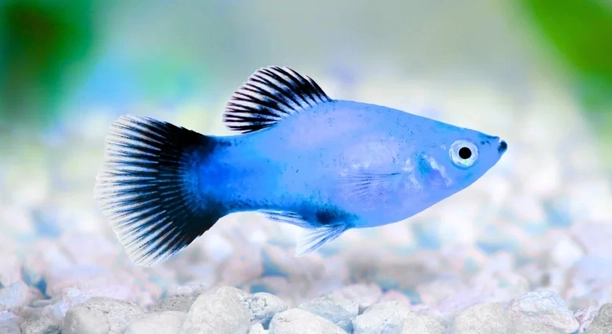
Have you ever watched your platy swim around and wondered if those quick movements and sudden turns mean it’s having fun?
Platies do not play in the way mammals or birds do, but they do engage in natural, playful behaviors like chasing each other, exploring their tank, and swimming through decorations. These actions are mostly instinct-driven and social.
Understanding these behaviors will help you create a more comfortable and enriching environment for your platy to thrive in.
What Play Looks Like in Platies
Platies are active fish, and their version of play often appears as natural behaviors. They may dart around the tank, swim through plants, or interact with other fish. This activity isn’t necessarily play in the traditional sense, but it helps them stay stimulated. Their movements are driven by social interaction, curiosity, and the need to explore their surroundings. Young platies are especially lively and tend to chase one another in short bursts. These moments of energy aren’t aggressive unless paired with fin-nipping or signs of stress. Tank decorations, plants, and plenty of space help encourage this type of engagement. Providing the right setup gives them opportunities to move freely and mimic wild behaviors. Bright lighting, hiding spaces, and calm tank mates contribute to a balanced environment. Watching them interact can be enjoyable, especially when you recognize their patterns and see how they respond to different additions or changes in their tank.
Play is closely tied to comfort. A healthy, relaxed platy will swim more, explore freely, and engage with others in the tank.
Observing your fish during feeding, after water changes, or when adding new plants can reveal which behaviors show natural excitement. This helps you spot changes that might signal stress or boredom.
What Platies Need to Stay Active
Platies need more than just water and food to remain active.
A well-planted tank with enough space for swimming is essential. Use live or artificial plants, driftwood, and rocks to create a stimulating environment. These features give platies places to explore and help prevent boredom. They also offer hiding spots, which reduce stress. Keep the water clean and stable, with a temperature range between 70–80°F. Regular maintenance like partial water changes and filter cleaning helps maintain this balance. Tank mates should be peaceful. Avoid fish that nip or chase, as this can limit your platy’s natural activity. Feeding is another way to engage them. Instead of dumping all the food at once, spread it out in the tank to encourage foraging. Use a mix of high-quality flakes, vegetables, and occasional protein-rich snacks. When their needs are met, platies remain social, swim actively, and display a range of healthy, engaging behaviors. These small efforts can lead to noticeable improvements in their daily activity.
Signs Your Platy Is Bored or Stressed
Boredom and stress in platies can show through unusual behavior. If your platy stays still for long periods, hides constantly, or stops eating, it may not feel comfortable in its environment. These signs should not be ignored.
When a platy is stressed or bored, it may lose its bright colors and become more reclusive. You might notice it hovering near the bottom of the tank or behind decorations for most of the day. Erratic swimming, such as constant pacing or darting suddenly, can also signal discomfort. A stressed fish may also become more aggressive, especially if the tank is overcrowded or if water quality is poor. Regular observation helps you spot these changes early. Addressing them quickly through tank adjustments, water changes, or adding more hiding spots can improve their well-being. Boredom can also be reduced by rotating decorations or changing their layout from time to time.
Some platies show stress by gasping at the water surface, which usually points to poor oxygen levels. Others might chase tank mates more than usual, especially if space is limited. These behaviors are not signs of play but reactions to discomfort. Making small changes can lead to noticeable improvements in their daily behavior.
How to Encourage Natural Behavior
Simple changes in the tank setup can encourage platies to act more naturally. Adding floating plants creates shaded spots they enjoy. Open areas give them room to swim, while caves or hiding places help them feel secure. A balanced setup keeps them active and reduces stress.
Introducing variety in their diet also keeps them engaged. Try rotating between flakes, pellets, blanched vegetables like zucchini or spinach, and frozen treats like brine shrimp. Feeding them in small amounts more than once a day gives them a reason to stay active and interact with their surroundings. You can even add gentle water movement with a bubbler or adjustable filter, which adds stimulation without overwhelming them. Avoid placing mirrors in the tank—these may trigger stress responses rather than playful reactions. A calm, well-lit, clean tank with regular water testing keeps their activity levels healthy. When platies are given proper care, they show a range of behaviors that are both natural and enjoyable to observe.
Tank Mates That Support Healthy Activity
Good tank mates help platies feel safe and more active. Peaceful fish like mollies, guppies, tetras, and corydoras are good choices. Avoid aggressive or fin-nipping species, as they can cause stress and limit your platy’s natural behavior.
Keeping platies in small groups also supports social interaction. A ratio of one male to two or more females helps reduce chasing.
Common Mistakes That Affect Behavior
Overcrowding is a common issue that can limit movement and increase aggression. Each platy needs at least two gallons of space, but a larger tank is always better. Poor water quality is another frequent problem. Ammonia, nitrite, or nitrate levels that are too high will quickly affect their health and behavior. Always cycle your tank before adding fish and check water parameters weekly. Inconsistent lighting, lack of hiding places, and too much noise around the tank can also disturb them. Using a timer for lights and placing the tank in a quiet spot helps them settle. Careful planning can make a big difference.
Final Thoughts on Platy Behavior
Giving platies the right space, diet, and company allows them to show their full range of natural behavior.
FAQ
Do platies actually play with each other?
Platies don’t play in a human sense, but they do engage in active, social behaviors. You may see them chase one another, swim side by side, or explore their surroundings together. These actions help them stay engaged and mimic natural instincts. It’s common to confuse these behaviors with play. However, if chasing turns aggressive or constant, it might be a sign of stress, overcrowding, or an unbalanced male-to-female ratio. A peaceful tank setup with enough room usually keeps their activity playful, not stressful.
Is it normal for platies to chase one another?
Yes, chasing is common, especially among young or active platies. It’s part of how they interact. Males often chase females during breeding, which can become excessive if there are too few females in the tank. In these cases, it’s best to keep one male with at least two or three females. This helps reduce stress and gives the females a break. If you see aggressive nipping, torn fins, or hiding, the chasing may be more than social behavior and needs to be addressed.
Why is my platy hiding all the time?
Hiding constantly may be a sign your platy is stressed, sick, or feels unsafe. Poor water quality, bullying tank mates, or sudden environmental changes are common causes. Make sure the tank has enough hiding spots and calm areas for them to retreat. Regular water tests and a peaceful tank setup will encourage more open, active behavior. If the hiding continues, check for signs of illness or injury. A sick platy may breathe heavily, lose color, or stop eating, which means it’s best to isolate and treat the fish if needed.
How do I make my platy more active?
Start with the basics: clean water, steady temperature, and proper tank size. Then add variety with tank decorations, floating plants, and enough space to swim freely. Feeding routines also affect activity. Spread food out during feeding so your platy can forage, which mimics natural behavior. A diet with flakes, vegetables, and occasional protein boosts energy levels. Avoid loud noises and harsh lighting, as these can cause stress. If your platy still seems inactive, observe its behavior for signs of illness or tank issues that may need correction.
Do platies need toys like other pets?
Platies don’t use toys like cats or dogs do, but they do benefit from enrichment. Tank decorations, varied plant life, and gentle water movement act like “toys” by giving them things to explore. Rearranging items in the tank occasionally also keeps things interesting for them. Avoid overdecorating though, as too many objects can crowd the tank and reduce swimming space. The goal is to offer mental and physical stimulation without adding stress or clutter. A simple setup with variety works best.
Can platies get bored in a plain tank?
Yes, a tank with no variety can lead to boredom and stress. Fish need stimulation just like any pet. When kept in a bare tank with no plants, hiding spots, or open space, platies may become sluggish or hide often. A plain tank also limits natural behaviors like exploring or foraging. Adding live or artificial plants, driftwood, or rocks can improve their quality of life. These changes don’t need to be complicated or expensive—small additions can have a big impact on your platy’s mood and movement.
What’s the best tank size for active platies?
A 10-gallon tank is the minimum for a small group of platies, but a 20-gallon tank gives them more space to swim and reduces territorial behavior. More room means they can spread out, interact naturally, and avoid stress. Overcrowding leads to aggression, inactivity, or illness, so giving them enough space from the start is key. When in doubt, go for a larger tank if possible. It’s easier to maintain stable water conditions, and your fish will have room to display healthy behavior.
Do platies need other platies to be happy?
Platies are social fish and thrive in small groups. Keeping at least three together helps them feel safe and more active. A lone platy can become withdrawn or less responsive. While they can live with other peaceful species, nothing replaces the comfort of their own kind. Just make sure the group is balanced to avoid unwanted chasing—one male for every two or more females works well. Watching a small group interact is also more enjoyable and gives a better sense of their natural behavior.
Final Thoughts
Platies are active, social fish that show their natural behavior when given the right conditions. While they don’t play in the way people or some pets do, their swimming, chasing, and exploring help keep them engaged and healthy. These behaviors are part of their daily routine and often reflect how comfortable they feel in their environment. A happy platy will swim openly, interact with tank mates, and explore the tank throughout the day. When these behaviors stop, it’s usually a sign that something in the tank needs attention, like poor water quality, overcrowding, or a stressful setup.
Providing a clean, well-maintained tank with plenty of space, hiding spots, and natural decorations is one of the best ways to support your platy’s activity levels. Live or artificial plants, gentle water flow, and a balanced group of peaceful tank mates create a calm space where platies can move freely and interact without stress. Their diet also plays a big role. A mix of quality flakes, vegetables, and occasional protein gives them energy and supports their health. Feeding should be consistent and not excessive, as too much uneaten food can lower water quality and harm their behavior. Small, daily efforts make a big difference.
Understanding your platy’s behavior takes a bit of observation and care. Once you get to know their habits, it becomes easier to notice when something is off. Sudden hiding, aggression, or lack of interest in food often points to a problem in the tank. Fixing these issues early helps prevent illness and keeps the tank stable. Watching platies move, chase, and explore can be enjoyable and relaxing. Their simple behaviors show how much they rely on a peaceful, steady environment. With a little attention to their needs, your platies will stay active, healthy, and comfortable in their tank.

Hello,
If you enjoy the content that we create, please consider saying a "Thank You!" by leaving a tip.
Every little bit helps us continue crafting quality advice that supports the health, happiness, and well-being of pets around the world, for pets of all shapes, sizes, and species.
We really appreciate the kindness and support that you show us!