
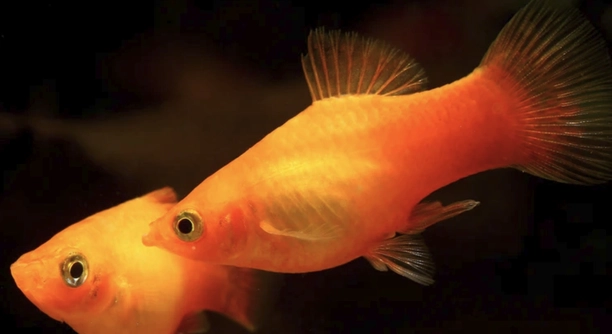
Platy fish are popular for community tanks because of their peaceful nature and bright colors. Many people enjoy keeping them with other fish, creating a lively and friendly aquarium. However, there are some important things to avoid to keep the tank healthy and happy.
Avoiding overcrowding, incompatible tank mates, poor water quality, improper feeding, lack of hiding spots, sudden changes in environment, and ignoring health signs are crucial for maintaining a balanced platy community tank. These factors directly impact the wellbeing and longevity of the fish.
Knowing what to avoid will help you create a stable environment where your platies can thrive and live comfortably with their tank mates.
Overcrowding the Tank
Overcrowding is a common mistake in platy community tanks. When too many fish share a small space, water quality quickly worsens. Waste builds up, leading to higher ammonia and nitrite levels, which can stress and harm the fish. Platies need enough room to swim freely without feeling cramped. A general rule is one inch of fish per gallon of water, but this depends on the fish size and tank setup. Overcrowded tanks also make it harder to maintain stable water parameters. Stress from limited space can weaken fish immune systems, increasing the risk of disease. Keeping the right number of fish promotes better health and natural behavior. Monitoring tank population regularly and avoiding impulse additions can help maintain a healthy balance. Proper filtration and regular water changes are also important to support a clean environment.
Overcrowding reduces oxygen levels and increases stress, which harms platy health and growth.
Controlling the number of fish in your tank is one of the easiest ways to prevent many common problems. It keeps water cleaner and fish calmer. A well-spaced tank allows platies to swim actively, display natural colors, and reduce aggressive behavior. Avoid adding too many fish too quickly. If you want to add new fish, consider upgrading your tank size first. Consistent maintenance and observation ensure your platy community stays balanced and thriving over time. This simple step saves effort and prevents costly health issues.
Incompatible Tank Mates
Adding fish that do not get along with platies can cause stress and injury. Platies are peaceful, so they do best with other calm fish that share similar water needs. Aggressive or very large fish may bully or eat smaller platies. Fish with different temperature or pH preferences can struggle to thrive together. Some species also compete for the same food or territory, leading to constant fights. When choosing tank mates, research species carefully to ensure compatibility. Avoid mixing fin-nippers or overly active fish with platies. Livebearers like guppies and mollies often make good companions. Keeping compatible fish creates a peaceful and stable tank environment that supports the health of all inhabitants.
Poor Water Quality
Poor water quality can quickly harm platies. High ammonia, nitrite, or nitrate levels stress fish and cause illness.
Regular water testing is essential. Use a reliable test kit to monitor ammonia, nitrite, nitrate, pH, and hardness. Changing 20–30% of the water weekly helps keep these levels safe. Avoid overfeeding and remove uneaten food to reduce waste buildup. A good filter supports biological balance by breaking down toxins. Without proper care, poor water quality can lead to fin rot, sluggishness, and even death. Keeping water clean ensures platies stay active and healthy.
Water changes, proper filtration, and avoiding overstocking are key to maintaining a stable environment. Test water often to catch problems early before fish suffer irreversible damage.
Improper Feeding
Overfeeding platies leads to water pollution and health issues. Feeding too much or too often causes leftover food to rot and increases waste.
Feed small amounts once or twice a day. Give only what platies can eat in 2–3 minutes. Use high-quality flakes or pellets designed for livebearers. Supplement occasionally with fresh vegetables like peas or spinach for added nutrition. Avoid feeding fatty or sugary foods that platies cannot digest well. Proper feeding supports healthy growth, vibrant colors, and prevents obesity. It also keeps the tank environment clean and stable by limiting excess waste.
Balanced feeding routines improve fish health and reduce maintenance needs. Consistency is more important than quantity, and sticking to a schedule keeps platies happy and thriving.
Lack of Hiding Spots
Platies need places to hide to feel secure and reduce stress. Without enough hiding spots, they may become shy or aggressive.
Plants, rocks, and decorations provide natural shelters. Live plants also improve water quality and create a comfortable environment.
Sudden Environmental Changes
Sudden changes in temperature, pH, or water conditions shock platies and weaken their immune systems. Consistency is key for a healthy tank.
Always introduce changes slowly, adjusting water parameters over several days. Use a heater and monitor pH regularly. Avoid drastic water changes or adding new fish too quickly to prevent stress and illness.
Ignoring Health Signs
Ignoring early signs of illness delays treatment and puts all fish at risk. Watch for lethargy, faded colors, or damaged fins.
Prompt attention to health issues helps prevent disease spread and improves recovery chances. Regular observation keeps your platies thriving.
FAQ
How often should I clean my platy community tank?
Cleaning depends on tank size, number of fish, and filtration. Generally, partial water changes of 20–30% every week or two help maintain water quality. Clean the filter media gently when needed but avoid washing it with tap water, which can kill beneficial bacteria. Remove leftover food and waste regularly to prevent buildup. Keeping a consistent cleaning schedule helps prevent toxic conditions and keeps your platies healthy.
What temperature is best for platies?
Platies thrive between 70°F and 78°F (21°C to 26°C). Keeping the temperature steady within this range supports their metabolism and immune system. Sudden drops or spikes in temperature can stress the fish, making them prone to illness. Use a reliable aquarium heater and thermometer to monitor and maintain consistent warmth in the tank.
Can platies live with other types of fish?
Yes, platies do well with other peaceful community fish like guppies, mollies, tetras, and corydoras catfish. Avoid aggressive or large fish that may bully or eat platies. It’s important to match species with similar water and temperature needs to ensure everyone thrives.
How do I know if my platies are stressed?
Signs of stress include hiding excessively, loss of color, rapid breathing, and unusual swimming patterns like darting or lethargy. Stress often comes from poor water quality, overcrowding, or incompatible tank mates. Addressing these issues quickly reduces stress and prevents disease.
What should I feed my platies?
Platies eat high-quality flake or pellet food designed for livebearers. Supplement their diet with occasional treats like frozen or live brine shrimp, daphnia, or finely chopped vegetables such as peas and spinach. Avoid overfeeding—small amounts once or twice a day are enough.
Why are my platies not breeding?
Breeding may slow if water quality is poor or temperatures are too low. Platies breed best in clean water around 75°F to 78°F. Providing plenty of plants gives fry hiding places. Also, avoid overcrowding and stress, which can reduce breeding activity.
How do I prevent diseases in my platy tank?
Maintain good water quality, avoid overcrowding, and quarantine new fish before adding them to the tank. Feed a balanced diet and watch for signs of illness. Regular tank maintenance and observation help catch problems early. Healthy, unstressed fish are less likely to get sick.
Is a filter necessary in a platy community tank?
Yes, a filter is essential. It removes waste, helps maintain oxygen levels, and supports beneficial bacteria that break down harmful toxins. Choose a filter suitable for your tank size and clean it according to the manufacturer’s instructions to keep it effective.
How large should my tank be for platies?
A minimum of 10 gallons is recommended for a small group of platies. Larger tanks provide more stable water conditions and space for tank mates. Giving your fish ample room reduces stress and promotes healthy behavior.
Can I keep male and female platies together?
Yes, but females may become stressed if there are too many males due to constant mating attempts. A ratio of two females to one male helps balance interactions and keeps females healthier. Watching their behavior helps you adjust the mix if needed.
Taking care of a platy community tank requires attention to several important details. Avoiding overcrowding, choosing compatible tank mates, and maintaining good water quality are all key to keeping your fish healthy. Overcrowding can lead to poor water conditions and stress, while incompatible fish can cause fighting or harm. Clean water supports the fish’s immune systems and helps prevent disease. Paying attention to these basics creates a peaceful and thriving tank environment for your platies and other fish.
Feeding is another important part of tank care. Overfeeding can pollute the water and cause health problems, while underfeeding affects growth and energy. It is best to feed small amounts once or twice a day, giving only what the fish can eat quickly. Using good-quality food designed for platies, along with occasional fresh vegetables, keeps them well-nourished. Providing hiding spots and avoiding sudden changes in temperature or water parameters also help platies feel safe and reduce stress, which supports their overall health.
Watching your fish regularly for any signs of illness is crucial. Early detection and treatment of health problems improve recovery chances and prevent spreading to other fish. By keeping the tank clean, balanced, and stable, you create a safe home where platies can live happily. These simple steps may take some effort but will pay off in the long run with beautiful, active fish. A well-maintained community tank is rewarding and enjoyable for anyone who cares for their aquatic pets.

Hello,
If you enjoy the content that we create, please consider saying a "Thank You!" by leaving a tip.
Every little bit helps us continue crafting quality advice that supports the health, happiness, and well-being of pets around the world, for pets of all shapes, sizes, and species.
We really appreciate the kindness and support that you show us!