
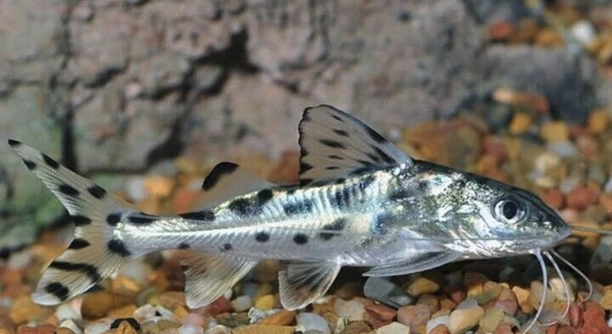
Have you ever stood by your aquarium, watching your Pictus catfish zip around, and wondered if they even notice you? These small, striped fish are full of energy and often stay busy in their watery world.
Pictus catfish do not appear to enjoy or react to being watched in the same way social animals might. Their behavior is driven more by environmental factors like lighting, tank mates, and hiding spaces than by human interaction.
Understanding their natural instincts can help you create a tank that feels safe and comfortable for them while keeping your viewing experience enjoyable.
Understanding Pictus Catfish Behavior
Pictus catfish are naturally shy and active during twilight hours. In the wild, they spend most of their time hiding among rocks and roots, only coming out to search for food when it feels safe. In home aquariums, their behavior stays mostly the same. They move quickly and often stay close to the bottom or near cover. Bright lights or sudden movements can make them hide. When people watch them, they don’t usually respond directly. Instead, they keep doing what feels safe. That’s why you might notice them zipping around when no one is close to the tank but hiding once someone approaches. This doesn’t mean they’re scared of you personally—it just shows how sensitive they are to change. Creating a calm and stable environment will help them feel more secure. That includes dim lighting, hiding spots, and keeping the tank in a low-traffic area of your home.
These fish prefer consistency over attention. Loud noises and fast movement outside the tank can make them uneasy.
Even though they don’t react to people the same way a dog or cat might, they still have habits and patterns worth watching. Over time, you may learn when they’re most active or how they behave when relaxed.
Creating a Comfortable Environment
It’s important to focus on their comfort rather than interaction. A secure tank helps them thrive.
A well-designed tank is key for Pictus catfish. They like space to swim freely but also need places to hide. Use smooth rocks, driftwood, and caves to give them security. Avoid strong lighting—use dim or adjustable lights to mimic their natural setting. Tank mates also play a big role in their comfort. Avoid aggressive or slow-moving fish that might stress them out or get hurt by their fast movements. Choose peaceful fish that can handle the Pictus catfish’s speed. Water quality is just as important. Keep the temperature stable, and perform regular water changes to avoid stress. Avoid tapping on the glass or making sudden movements nearby. These small things can unsettle them. Instead of trying to make them notice you, let them explore at their own pace. This will allow them to settle in and act naturally. Over time, they may become less skittish as they adjust to your presence.
Signs Your Pictus Catfish Feels Safe
When a Pictus catfish feels safe, it will swim more openly and explore different parts of the tank. You may see it darting around quickly or resting near decorations without rushing to hide. These are all positive signs.
A relaxed Pictus catfish will often come out more during the early morning or evening, when the lighting is softer. It may swim alongside tank mates without acting overly skittish. If it eats well and maintains a regular pattern of activity, that’s a good indicator of comfort. You might even see it resting on the bottom or in a sheltered spot without acting nervous. Its movements should be smooth and steady rather than frantic. Although it won’t interact with you directly, a calm and curious Pictus is showing that it feels secure. Stress behaviors, like constant hiding or erratic swimming, suggest something in the tank may be bothering it.
If your fish rarely comes out, it could be reacting to stress. Loud sounds, strong lights, or aggressive tank mates may be causing it to hide more often. Try dimming the light, offering more hiding spaces, or moving the tank to a quieter area. These changes can help it feel more at ease and adjust better.
Why Interaction Feels Limited
Pictus catfish are not social in the way many people expect from pets. They don’t seek out attention or build bonds with humans. Their instincts focus more on survival than on forming connections with people.
Because they are nocturnal and naturally shy, Pictus catfish are wired to avoid attention rather than seek it out. Unlike fish that might recognize their owner during feeding time, Pictus catfish show little interest in who is outside the tank. They rely more on their environment than on external interactions. Their fast, darting movements help them escape danger in the wild, and that behavior carries into captivity. That doesn’t mean they’re unhappy—it just means they express safety and comfort differently. To support their needs, focus on their tank setup, diet, and routine. Over time, they may seem more active and present, but this is more a sign of comfort than connection.
Observing Without Stressing Them
If you want to watch your Pictus catfish without stressing them, avoid sudden movements near the tank. Sit quietly a few feet away and keep the room lights dim. This helps them feel more at ease while you observe.
Using a gentle side light instead of bright overhead lighting can make a difference. They’ll come out more when they don’t feel exposed. You might not get eye contact, but you’ll see their natural behavior if you give them space and time.
What Matters Most to Pictus Catfish
A stable, calm environment is what truly matters to a Pictus catfish. They don’t need or want attention from humans, but they do need clean water, plenty of swimming space, and hiding spots. These are the things that help them stay healthy and active. Watching them can still be enjoyable, especially when they feel comfortable enough to come out and explore. They’re most active during low-light hours, so adjusting your lighting to match their rhythm helps. When you care for their environment, they reward you with their natural behavior—quick swims, calm pauses, and occasional glimpses from behind decorations.
Final Thoughts on Being Watched
They may not react to your presence, but that doesn’t mean they’re unaware. They simply care more about their surroundings than about who’s watching.
FAQ
Do Pictus catfish recognize their owners?
Pictus catfish do not recognize their owners in the same way dogs or even some other fish might. They don’t form bonds with humans and show little response to faces or voices. Their behavior is mostly instinct-driven, with survival and environmental comfort being their focus. Over time, they may become less shy around a familiar routine, but it’s not due to recognition—it’s simply because they feel safe. If they swim more when you’re near, it’s likely a coincidence or part of their normal activity during certain times of day.
Why does my Pictus catfish always hide when I walk by?
These fish are naturally cautious and react to movement outside the tank. When you walk by, your shadow or sudden appearance can feel threatening. Their instincts tell them to hide first and observe later. This doesn’t mean you’re doing anything wrong—it’s just how they stay safe. You can reduce this reaction by keeping lighting soft and avoiding quick movements near the tank. Over time, they may feel more comfortable and stay out longer, even when people are nearby.
Can Pictus catfish become more social with time?
They can appear more active and visible once they adjust to their environment, but they won’t become social in the way some expect. Their version of social behavior is being less fearful. As they settle in, they may explore more openly and swim throughout the tank, even with people watching. However, they don’t seek interaction and won’t follow you or react to your presence directly. What changes over time is their comfort level, not their interest in bonding.
Is it bad to watch Pictus catfish often?
Watching them isn’t harmful, as long as it’s done respectfully. Avoid tapping on the glass, using bright lights, or hovering over the tank. These things can make them feel unsafe. If you give them space, watch from a short distance, and keep your movements slow, you can enjoy observing them without causing stress. It’s all about letting them feel in control of their space. When they feel secure, they’ll move more naturally, and that’s when watching becomes enjoyable for both of you.
Do they behave differently at night?
Yes, Pictus catfish are nocturnal by nature. They become more active after the lights go off or during dim hours of the day. At night, they swim more freely and cover more ground in the tank. If you want to see their true behavior, try using a dim blue LED or moonlight setting. This allows you to observe them without disturbing their routine. You’ll likely see more activity, including feeding and exploring, during these quiet nighttime hours.
What signs show that a Pictus catfish is stressed?
Hiding constantly, darting frantically, loss of appetite, and faded coloring are common signs of stress. Stress can come from poor water quality, aggressive tank mates, bright lighting, or too much noise around the tank. If your catfish always stays hidden or seems overly jumpy, check for changes in the tank environment. Stable water conditions, plenty of hiding spaces, and the right tank mates can help lower stress levels and improve their behavior.
How can I make my Pictus catfish feel safer in the tank?
Start by providing several hiding spots using caves, plants, and driftwood. Keep the lighting soft, and avoid placing the tank in high-traffic areas. Make sure the water parameters are stable, with regular cleaning and monitoring. Avoid loud sounds and fast movements near the tank. Choose peaceful tank mates that don’t crowd or chase your Pictus catfish. Keeping these conditions steady allows the fish to feel more secure and may encourage them to come out more often.
Do Pictus catfish ever get bored?
While they don’t get bored the same way humans or more interactive animals do, they still need stimulation. A tank with open space, hiding areas, and some movement—like a gentle current—can help keep them active. Changing the tank layout from time to time or adding new safe decorations can encourage them to explore. They’re curious by nature, so giving them a space that feels both safe and interesting supports their well-being. Boredom isn’t usually the issue—stress is more likely if they’re inactive.
Can they live alone, or do they need other catfish?
Pictus catfish can be kept alone, but they often do better in small groups. When housed with others of their kind, they may feel more secure and active. However, keeping more than one requires a larger tank, as they need space to swim and establish their own hiding spots. If the tank is too small, crowding can lead to stress or aggression. If you’re keeping just one, make sure it has a peaceful environment with good hiding places to stay comfortable.
Is it okay if my Pictus catfish doesn’t come out during the day?
Yes, it’s perfectly normal. These fish are more active in low light and may stay hidden during the day. This doesn’t mean they’re sick or unhappy. If they eat well and come out at night, their behavior is likely normal. Give them time, maintain a calm tank, and you’ll eventually see them more. Their activity level has more to do with their natural rhythm than with human presence or schedule.
Final Thoughts
Pictus catfish are interesting fish with habits that don’t always match what people expect from pets. They don’t seek out attention or interact with humans the way some other animals might. Instead, they focus on what feels safe and familiar. Their comfort comes from their environment, not from who is watching them. While they may notice movement outside the tank, they don’t show signs of recognizing specific people. This doesn’t make them less enjoyable to keep. In fact, part of their charm is watching them act naturally when they feel secure and at ease.
If you’re patient and create a calm tank setup, you’ll begin to see more of their natural behavior. They may swim more during quiet times or explore the tank slowly when they feel safe. Watching these moments can be just as rewarding as interacting with a more social pet. Over time, their habits might become more predictable, and you’ll learn when they’re most active or relaxed. Even if they don’t respond to your presence, it’s still possible to enjoy and care for them in a way that meets their needs. What matters most is their comfort and health—not how much they notice you.
Providing them with hiding spaces, soft lighting, peaceful tank mates, and clean water is the best way to keep them happy. Respecting their space means watching without disturbing them. You don’t have to interact with them directly to enjoy having them in your home. Their quick swimming, quiet resting, and cautious exploring can still be interesting to observe. The more they trust their environment, the more you’ll get to see. In the end, it’s not about whether they like being watched—it’s about whether they feel safe enough to live comfortably in your care.

Hello,
If you enjoy the content that we create, please consider saying a "Thank You!" by leaving a tip.
Every little bit helps us continue crafting quality advice that supports the health, happiness, and well-being of pets around the world, for pets of all shapes, sizes, and species.
We really appreciate the kindness and support that you show us!