
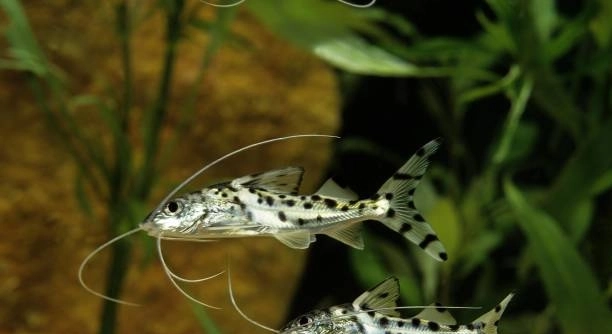
Pictus catfish are popular freshwater fish known for their active and peaceful nature. Many aquarium owners wonder if these fish prefer living alone or with others. Understanding their social habits is important for creating the best tank environment.
Pictus catfish can live alone but generally do better in groups of at least three or more. They are social fish that thrive with companions, which helps reduce stress and encourages natural behaviors in a home aquarium.
Knowing the best living situation for your pictus catfish will improve their health and happiness. The following options offer better companionship and tank dynamics for these fish.
Social Behavior of Pictus Catfish
Pictus catfish are naturally social animals that live in groups in the wild. In aquariums, they feel more comfortable and secure when kept with others of their kind. When alone, they may become shy or hide more often, which can make it harder to see their natural behavior. A group of at least three helps them interact and swim actively. These fish enjoy exploring together and have a better chance of staying healthy when they have companions. However, overcrowding should be avoided since it can cause stress and water quality issues. The tank size should be large enough to support multiple pictus catfish, usually starting at 30 gallons. Providing hiding spots and open swimming space helps keep their environment balanced and reduces aggression. Proper social settings create a more lively and natural aquarium, making it enjoyable to watch.
Pictus catfish thrive in groups but need enough space to swim freely. Group living helps them stay active and healthy.
Keeping pictus catfish together encourages natural behavior and reduces stress. If a group isn’t possible, enrichment like plants and hiding spots can help keep a single fish more comfortable. Tank mates should be peaceful and similar in size to avoid conflict. Monitoring water quality regularly is important because social fish produce more waste. Feeding a balanced diet supports their well-being. Overall, matching their social needs makes a noticeable difference in how happy and lively pictus catfish appear in home tanks.
Better Tank Mates for Pictus Catfish
Choosing tank mates carefully is essential for pictus catfish to thrive. Peaceful fish of similar size work best, such as tetras, gouramis, or danios. Aggressive or very small fish should be avoided since pictus catfish may accidentally harm or stress them.
Good tank mates help keep the environment balanced and reduce boredom for all fish. It is important to research each species’ water and temperature needs to ensure compatibility. Mixing different species can create an interesting and dynamic tank, but the overall space and hiding spots must accommodate everyone. Introducing new fish slowly allows all species to adjust without conflict. When tank mates live peacefully together, the aquarium becomes a more natural and engaging habitat. This helps pictus catfish display their best behaviors and enjoy their surroundings without fear or stress.
Housing Requirements for Pictus Catfish
A tank of at least 30 gallons is recommended for pictus catfish to provide enough swimming space. They prefer moderate water flow and a temperature between 72°F and 78°F. Soft, sandy substrate helps protect their delicate barbels from damage.
Good filtration is necessary to maintain clean water since pictus catfish are sensitive to poor conditions. Adding plants and hiding spots gives them security, helping to reduce stress. Open swimming areas are also important because these fish are active swimmers and like to explore the tank. Regular water changes keep the environment healthy. The balance between hiding spaces and open areas creates a comfortable home for pictus catfish to thrive.
Lighting should not be too bright, as pictus catfish prefer dimmer environments. Providing a well-structured tank encourages natural behavior and improves their overall health.
Feeding Pictus Catfish
Pictus catfish are omnivores that enjoy a varied diet including sinking pellets, frozen or live foods like bloodworms and brine shrimp. They search for food along the bottom of the tank, so sinking food is ideal.
Feeding them once or twice a day in small amounts prevents leftover food from polluting the tank. Overfeeding can cause water quality problems and health issues. It’s helpful to supplement their diet with vegetables occasionally, such as blanched zucchini or cucumber slices. This variety supports their nutritional needs and keeps them active. Observing their eating habits helps identify if they are getting enough food or if changes are needed. A balanced diet supports their energy and vibrant appearance in the aquarium.
Common Health Issues
Pictus catfish are generally hardy but can suffer from common freshwater fish diseases like ich and fin rot. Stress, poor water quality, and improper diet increase their risk of illness.
Regular tank maintenance and monitoring water parameters help prevent health problems. Early detection of symptoms is key to successful treatment and recovery.
Tank Setup Tips
Using a dark substrate mimics their natural habitat and reduces stress. Smooth decorations prevent injuries to their barbels. Provide plenty of hiding places but leave open space for swimming. Avoid sharp objects that could harm them.
Behavior to Watch For
Lethargy, loss of appetite, or hiding more than usual may indicate stress or illness. Prompt attention to these signs can protect your pictus catfish’s health.
FAQ
Can a pictus catfish live alone?
Yes, a pictus catfish can live alone, but it is not ideal. These fish are social by nature and feel more comfortable in groups. Living alone may lead to stress or shy behavior, making them less active and harder to observe. Keeping at least three pictus catfish together is better for their well-being.
How many pictus catfish should be kept together?
A group of three to six pictus catfish is recommended. This allows them to interact naturally without overcrowding the tank. Proper space and hiding spots are necessary to support this group size. Larger groups need bigger tanks to avoid stress and aggression.
What size tank do pictus catfish need?
A minimum of 30 gallons is needed for a small group of pictus catfish. They are active swimmers and need enough room to move freely. Bigger tanks provide a more stable environment and reduce water quality issues. For more than three fish, a 40-gallon tank or larger is better.
What kind of tank mates work well with pictus catfish?
Peaceful, medium-sized fish that share similar water requirements are ideal. Examples include tetras, danios, and gouramis. Avoid aggressive species or very small fish that might be bullied or eaten. Always introduce new tank mates slowly to monitor compatibility.
What do pictus catfish eat?
They are omnivores and eat sinking pellets, frozen or live foods like bloodworms, brine shrimp, and small insects. Supplementing their diet with blanched vegetables like zucchini or cucumber is beneficial. Feeding once or twice daily in small amounts is best to avoid leftover food.
How often should pictus catfish be fed?
Feeding once or twice a day is sufficient. Overfeeding can pollute the water and harm their health. Remove any uneaten food to keep the tank clean. Observing their eating habits helps adjust feeding amounts as needed.
What water conditions do pictus catfish need?
They prefer water temperatures between 72°F and 78°F with moderate flow. The pH should be between 6.5 and 7.5. Clean, well-filtered water is essential because they are sensitive to poor quality. Regular water changes help maintain a healthy environment.
Do pictus catfish need special substrate?
Soft, sandy substrate is best to protect their delicate barbels. Sharp gravel or rocks can cause injury. A natural, smooth substrate mimics their wild habitat and helps them feel secure.
How do pictus catfish behave in the tank?
They are active, especially during the evening and night. Pictus catfish like to explore and swim in groups. They use their barbels to search for food along the bottom. Providing hiding spots helps them feel safe and reduces stress.
Can pictus catfish live with aggressive fish?
No, aggressive fish can stress or harm pictus catfish. They are peaceful and do best with calm tank mates. Stress from aggression can lead to illness and poor behavior. Choosing compatible species is key to a peaceful aquarium.
What signs show a pictus catfish is stressed or sick?
Signs include hiding excessively, loss of appetite, lethargy, or damaged fins. Changes in swimming patterns or visible spots can also indicate illness. Early attention to these symptoms improves recovery chances.
How often should the tank be cleaned for pictus catfish?
Partial water changes of 20-25% every week or two help maintain water quality. Cleaning the substrate and filter regularly prevents buildup of harmful waste. Good maintenance reduces the risk of disease.
Can pictus catfish jump out of the tank?
Yes, pictus catfish are known to be good jumpers. A secure lid on the tank is important to prevent escapes. Open tanks increase the risk of injury or death from jumping.
Are pictus catfish good for beginners?
They can be suitable for beginners with some aquarium experience. Maintaining stable water conditions and proper care is necessary. Their social nature and activity make them rewarding but require commitment to tank maintenance.
How long do pictus catfish live?
With good care, pictus catfish can live up to 8 years in captivity. Proper diet, tank size, and water quality contribute to their lifespan. Healthy living conditions allow them to thrive and show natural behavior.
Pictus catfish are interesting and lively fish that add activity to any freshwater tank. They are social creatures who generally do better when kept with others of their kind. While they can live alone, they often feel more secure and display natural behaviors when in groups. Providing enough space and proper tank conditions is important for their health and happiness. A well-maintained tank with hiding spots, good water quality, and a suitable diet will help pictus catfish thrive in a home aquarium.
It is important to consider their social nature when deciding how to keep pictus catfish. Keeping at least three or more in a tank gives them companionship and reduces stress. This also helps them become more active and easier to observe. However, overcrowding should be avoided since it can lead to competition for food and space, which can increase stress. Along with a proper tank size, choosing peaceful tank mates that share similar water needs can create a balanced environment for all fish involved.
Overall, pictus catfish require attention to their living conditions and social needs to stay healthy and happy. Their care involves more than just feeding; maintaining water quality, providing space for swimming, and offering a varied diet are all essential. When these needs are met, pictus catfish become lively and engaging additions to your aquarium. Taking time to understand and meet their requirements will reward you with an active and healthy fish that enriches your tank.

Hello,
If you enjoy the content that we create, please consider saying a "Thank You!" by leaving a tip.
Every little bit helps us continue crafting quality advice that supports the health, happiness, and well-being of pets around the world, for pets of all shapes, sizes, and species.
We really appreciate the kindness and support that you show us!