
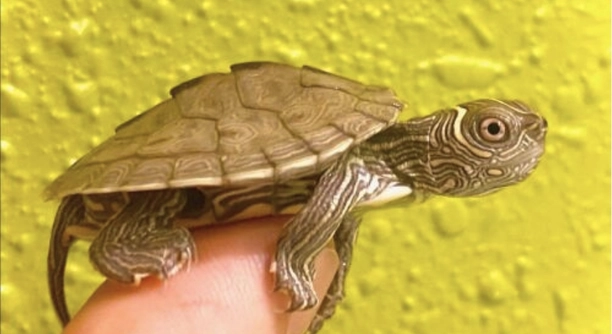
Map turtles are fascinating reptiles, often kept as pets for their unique appearance and calm demeanor. However, their health requires attention, especially when it comes to proper nutrition. Vitamin deficiency can be a concern for these turtles.
Map turtles can suffer from vitamin deficiencies if their diet lacks essential nutrients, leading to various health problems. A balanced diet with proper supplements is vital to prevent deficiencies, ensuring your turtle stays healthy and active.
Being aware of the signs of vitamin deficiency can help you maintain your turtle’s well-being. Recognizing early symptoms is key to ensuring their long-term health and happiness.
Common Vitamin Deficiencies in Map Turtles
Map turtles, like many reptiles, require a balanced diet to stay healthy. When they do not get enough of certain vitamins, their health can be seriously affected. Vitamin A and D deficiencies are two of the most common concerns. Vitamin A is crucial for eye health and immune function, while vitamin D helps in calcium absorption. Without enough of these, your turtle could face problems like poor vision or weakened bones. Additionally, a lack of proper vitamins may lead to growth issues and a decrease in overall vitality. Providing your map turtle with a varied diet that includes leafy greens, protein sources, and proper supplements is key to preventing these deficiencies.
It’s also important to consider the role of UVB lighting, as it helps turtles produce vitamin D naturally. A deficiency in this area can make it hard for them to absorb calcium properly, leading to soft shell issues and potential deformities.
To avoid these problems, map turtles should be given a well-rounded diet and adequate exposure to UVB light. A mix of commercial turtle food and fresh vegetables can go a long way in providing the nutrients they need.
Symptoms of Vitamin Deficiency in Map Turtles
Signs of vitamin deficiency in map turtles often appear gradually. One of the earliest symptoms could be a lack of energy or lethargy. You may notice your turtle spending more time hiding or less time swimming. If you observe these behaviors, it might indicate a nutrient deficiency that needs to be addressed.
Other symptoms to watch out for include changes in the skin and shell. Vitamin A deficiency, in particular, can cause dry or flaky skin, while a lack of vitamin D may cause shell softening. These signs are often noticeable over time and are a clear indication that something isn’t right. If left untreated, vitamin deficiencies can lead to more serious health concerns, including difficulty in growth or respiratory issues. Additionally, if your map turtle starts to exhibit eye problems, such as swelling or cloudiness, it could point to a deficiency in vitamin A.
It is important to keep track of any changes in your turtle’s behavior or appearance. By addressing these issues early, you can help your map turtle recover and prevent more severe problems. Regularly offering nutrient-rich food and ensuring proper UVB exposure can go a long way in keeping your turtle healthy.
Causes of Vitamin Deficiency in Map Turtles
The most common cause of vitamin deficiency in map turtles is a poor diet. Feeding them a limited range of food that lacks essential nutrients can result in deficiencies. Another factor is inadequate exposure to UVB light, which is crucial for producing vitamin D. Without UVB, turtles can’t absorb calcium properly, leading to a range of health issues. Furthermore, insufficient supplementation or an imbalanced diet can also contribute to the problem.
Improper water conditions, like poor filtration or high levels of toxins, can indirectly contribute to nutritional deficiencies by affecting your turtle’s ability to digest food properly. These environmental factors may cause stress, which in turn weakens their immune system.
An unvaried diet is another common reason. Turtles need a mix of leafy greens, protein sources, and some fruits to meet all their nutritional needs. By offering a broad range of foods and supplements, you can help prevent these deficiencies.
How to Prevent Vitamin Deficiency
To prevent vitamin deficiencies in map turtles, a well-balanced diet is key. Include a variety of vegetables, such as dandelion greens, collard greens, and kale, along with protein sources like shrimp, worms, and fish. Commercial turtle pellets can also be a good supplement but should not be the sole food source.
Another essential step is providing proper UVB lighting. Map turtles require exposure to UVB light to produce vitamin D, which is necessary for calcium absorption and overall bone health. Without it, even the best diet won’t ensure proper calcium metabolism.
Lastly, always monitor the water quality and ensure that the environment is stable and stress-free. Healthy water conditions help your turtle digest food efficiently, which plays a role in nutrient absorption. Combining these strategies will help keep your map turtle’s health in check.
Diagnosing Vitamin Deficiency in Map Turtles
If you suspect your map turtle has a vitamin deficiency, the first step is to observe its behavior. Signs like lethargy, loss of appetite, or unusual hiding could indicate a health issue. Pay attention to any visible changes, like a dry or discolored shell, which could also signal a deficiency.
Taking your map turtle to a vet for a thorough checkup is the most reliable way to diagnose vitamin deficiencies. A veterinarian can perform blood tests and other evaluations to confirm what might be missing in your turtle’s diet. They can also guide you on the best course of action for treatment.
Treatment Options for Vitamin Deficiency
Once the vitamin deficiency is diagnosed, the treatment often involves diet changes or supplementation. For instance, a vet might recommend specific vitamin A or D supplements to correct the imbalance. Along with supplements, offering fresh, nutrient-dense foods will help replenish missing vitamins over time.
A proper UVB light setup is also crucial. If your turtle isn’t getting enough UVB exposure, a new light source can help restore its ability to synthesize vitamin D, which is important for calcium absorption and overall health.
Vitamin Supplementation for Map Turtles
If you’re unable to offer a varied diet, adding vitamin supplements can be an effective solution. These can be in the form of powders or liquids that you sprinkle over food. However, it’s essential to use them in moderation to avoid overdosing, which can lead to toxicity.
FAQ
How can I tell if my map turtle has a vitamin deficiency?
Signs of vitamin deficiency can vary, but the most common symptoms include lethargy, loss of appetite, or a lack of interest in swimming. You might also notice physical changes such as dry or flaky skin, or a soft and deformed shell. Eye issues, like swelling or cloudiness, can be a sign of vitamin A deficiency. If you notice any of these signs, it’s important to examine your turtle’s diet and environment closely. Taking your turtle to the vet for a proper diagnosis will provide more clarity.
What are the main vitamins my map turtle needs?
Map turtles need vitamin A and vitamin D to stay healthy. Vitamin A supports their immune system, eye health, and skin, while vitamin D is crucial for calcium absorption, helping keep their bones and shell strong. Calcium is just as important, and a deficiency in vitamin D can prevent your turtle from absorbing calcium properly. A balanced diet and proper UVB lighting are essential to ensure your turtle gets these nutrients in the right amounts.
What foods should I give my map turtle to prevent vitamin deficiencies?
Map turtles should have a varied diet that includes leafy greens like collard greens, dandelion greens, and kale. Protein sources such as shrimp, worms, and fish are also important. Occasionally, you can offer fruits like strawberries or apples as treats. Commercial turtle pellets can help supplement the diet but should not be relied on exclusively. A combination of fresh vegetables, protein, and occasional fruits will ensure your turtle gets the vitamins and nutrients it needs to stay healthy.
Can map turtles get vitamin D from sunlight?
Yes, map turtles can produce vitamin D naturally when exposed to UVB light. This is why it’s so important to provide them with a proper UVB light source, especially if they are kept indoors. UVB light helps them synthesize vitamin D3, which is necessary for calcium absorption. Without UVB exposure, turtles may develop calcium deficiency, leading to soft shells and other bone-related issues. If your turtle spends time outside in natural sunlight, be sure to monitor the exposure, as too much direct sun can cause overheating.
How long should my map turtle be exposed to UVB light each day?
Your map turtle should have about 10-12 hours of exposure to UVB light each day. This mimics the natural sunlight cycle and ensures your turtle can produce enough vitamin D. The UVB light should be placed within a safe distance from the turtle’s basking area to maximize its effectiveness. Be sure to replace the UVB bulbs every 6-12 months, as their strength decreases over time, even if the light still works.
Can I give my map turtle supplements for vitamins?
Yes, vitamin supplements can be beneficial if your map turtle’s diet is lacking in certain nutrients. However, it’s important to use them carefully. Over-supplementing can lead to toxicity. For example, excessive vitamin A or D can cause serious health issues. It’s always best to consult with a veterinarian before starting any supplement regimen. If you’re unsure, using supplements sparingly and sticking to a varied, nutrient-rich diet is often the safest route.
How can I make sure my map turtle’s shell stays healthy?
A healthy diet rich in calcium, vitamin D, and other essential nutrients is the key to a strong shell. Provide a balance of leafy greens, protein, and occasional treats to support growth. UVB light is equally important, as it helps your turtle absorb calcium properly. Also, be mindful of water quality. Clean water reduces stress and helps your turtle digest food properly, allowing it to absorb nutrients more effectively. Regular checkups with a vet will ensure any potential issues are caught early.
Is it okay to feed my map turtle a diet of only pellets?
While pellets can be a part of your map turtle’s diet, they should not be the only food source. Pellets are often formulated to provide essential nutrients, but they lack the variety and natural elements that turtles need. Fresh vegetables and protein sources are important for their overall health and well-being. A diet consisting mainly of pellets can lead to imbalances, especially if the pellets don’t include all the necessary vitamins and minerals. Variety is the best way to ensure your turtle gets all the nutrients it needs.
What should I do if my map turtle has a vitamin deficiency?
If your map turtle shows signs of vitamin deficiency, consult with a veterinarian immediately. They will likely perform tests to confirm the deficiency and may recommend changes to the diet or supplementation. In the meantime, adjust your turtle’s diet to include more nutrient-dense foods. Increasing UVB exposure is also critical if vitamin D is lacking. With proper care, many deficiencies can be corrected, but it’s important to act quickly to avoid long-term health issues.
Can vitamin deficiencies cause permanent damage to my map turtle?
Vitamin deficiencies, if left untreated for too long, can cause permanent damage. For example, a prolonged lack of vitamin A can lead to permanent eye damage, while a vitamin D deficiency can result in soft, deformed shells and weakened bones. The sooner you address any deficiencies, the better the chance your turtle will recover fully. Regular vet visits and a proper diet can prevent most long-term damage, so early detection is crucial.
Final Thoughts
Taking care of a map turtle requires more than just providing a tank and food. It’s essential to make sure they’re getting all the nutrients they need to stay healthy. Vitamin deficiencies can cause various health problems, from weak bones to skin issues, but they are preventable. By offering a varied diet with fresh vegetables, protein, and occasional fruits, you can give your turtle the nutrients it requires. Supplementing with vitamins can also help, but it’s important to avoid overdoing it and always follow proper guidelines.
UVB lighting plays a key role in your turtle’s health as well. Without enough UVB light, map turtles cannot properly absorb calcium, which can lead to shell deformities and other bone issues. Setting up a proper lighting system is an easy and important step to ensuring your turtle remains healthy. Regular exposure to UVB light helps them synthesize vitamin D3, which is necessary for calcium metabolism and overall well-being. If your turtle doesn’t have access to natural sunlight, a good UVB bulb can make all the difference.
Paying attention to your map turtle’s behavior and health is just as important as providing the right diet. Changes like lethargy, poor appetite, or changes in skin or shell appearance can indicate a nutritional issue. The sooner you spot any signs of deficiency, the quicker you can address them. A well-balanced diet, proper lighting, and regular vet checkups are all part of maintaining a healthy and happy map turtle. By taking these simple steps, you can ensure your turtle thrives and enjoys a long, healthy life.

Hello,
If you enjoy the content that we create, please consider saying a "Thank You!" by leaving a tip.
Every little bit helps us continue crafting quality advice that supports the health, happiness, and well-being of pets around the world, for pets of all shapes, sizes, and species.
We really appreciate the kindness and support that you show us!