
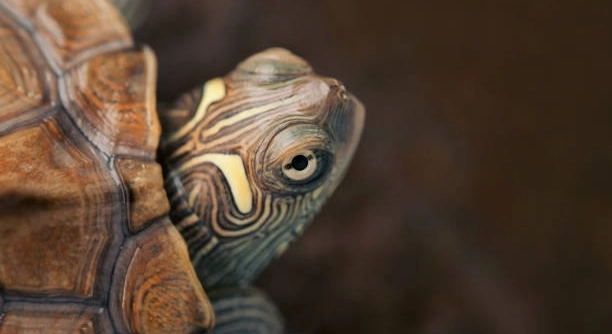
Map turtles are fascinating creatures that many people enjoy keeping in their tanks. Their unique patterns and behaviors make them an interesting pet. However, if you’re considering keeping different subspecies of map turtles together, there are a few important factors to think about.
While different subspecies of map turtles can technically coexist in a tank, it requires careful consideration. Factors like tank size, temperament, and environmental conditions must all align to reduce stress and potential conflict among the turtles.
Managing a mixed tank can be challenging, but it can also be done with the right knowledge. We will discuss the factors that play a role in ensuring peaceful cohabitation among map turtle subspecies.
Understanding Map Turtle Subspecies
Map turtles come in several subspecies, each with distinct features. While some look similar, they can have differences in size, color patterns, and behaviors. For example, the Northern Map Turtle is generally larger and more aggressive than the Southern Map Turtle. Knowing these differences can help determine whether they can coexist peacefully. If you’re planning to keep more than one type of map turtle in the same tank, it’s crucial to understand how each subspecies behaves in different environments. Some are more territorial, while others might not mind sharing space as long as they have enough room and resources.
Having a tank that is large enough to accommodate multiple turtles can significantly reduce conflicts. Space ensures that each turtle has its own area to claim, which helps prevent territorial disputes. You should also consider the type of setup in your tank, including water filtration, basking areas, and hiding spots. These features can help each turtle feel secure.
In addition to physical space, providing sufficient food and proper care for all turtles is essential. Some subspecies may need a higher amount of food or a specific type, so it’s vital to offer variety while avoiding competition. A balanced diet can help prevent aggression driven by hunger.
Compatibility Between Different Map Turtles
Even with a well-equipped tank, compatibility between different map turtle subspecies isn’t guaranteed. It often comes down to the individual turtle’s temperament. Some turtles might be more dominant, while others may be calmer, which can lead to uneven social dynamics in the tank.
Pay attention to how the turtles interact, especially during feeding times. If one subspecies seems to be constantly chasing or bullying others, it might be best to separate them. Over time, stress can lead to health problems, which is why it’s essential to monitor their behavior carefully. By ensuring a peaceful environment, your turtles are more likely to thrive together.
Tank Size and Environment
When housing multiple subspecies of map turtles, tank size is crucial. The more space available, the less likely the turtles will feel crowded, which can reduce aggression. Aim for at least 75 gallons for two adult turtles. Larger tanks allow each turtle to claim its own area, minimizing conflicts.
Additionally, setting up the tank with enough basking spots, rocks, and aquatic plants can provide the turtles with places to hide and rest. A good filtration system is also essential to maintain water quality, as dirty water can lead to stress and health issues. The right environment is key to ensuring that your turtles feel comfortable.
Water temperature should be stable and kept at the right level for each subspecies. Turtles are sensitive to fluctuations in temperature, so be sure to monitor it regularly. Also, consider adding UVB lighting to ensure they get the necessary exposure for proper shell and bone health.
Behavioral Considerations
Map turtles have different behavior patterns depending on their subspecies. Some are naturally more social, while others can be more aggressive or solitary. Aggressive turtles tend to dominate, pushing others away from basking spots or food sources. It’s important to keep an eye on their behavior and be ready to separate them if fights occur.
It’s also worth noting that younger turtles tend to get along better than adults. As they mature, territorial behaviors become more pronounced. If you plan on introducing new turtles, it’s best to do so when they are younger to reduce the chance of aggression. Socialization during early life stages can help establish more peaceful relationships in the future.
Feeding and Nutrition
When keeping multiple subspecies, it’s essential to feed them appropriately to avoid competition. Different subspecies may have slightly different dietary needs. Some might prefer more protein, while others may require more vegetables. Providing variety in their diet can help ensure that all turtles get the nutrients they need.
Make sure there’s enough food for everyone and avoid overfeeding. Uneaten food can create water quality problems and lead to aggression among the turtles. Monitor their eating habits and remove any leftover food promptly to keep the tank clean and reduce stress.
Monitoring Social Interactions
Keep a close eye on how your turtles interact with each other. Aggressive behavior, like chasing or biting, should not be ignored. Even subtle signs of stress, such as hiding more often or avoiding certain areas, can indicate discomfort or conflict.
If you notice bullying, it might be necessary to separate the turtles. Continuous tension can affect their health, so early intervention is key. Keep in mind that some turtles may require time to adjust to sharing space, especially if they’re introduced at different ages or sizes.
Health and Well-being
Stress from overcrowding or poor tank conditions can weaken your turtles’ immune systems. Regular water changes, proper filtration, and UV lighting are important to prevent illnesses. Check for signs of sickness, such as changes in behavior, shell condition, or appetite. A healthy environment is essential for cohabitation success.
FAQ
Can different map turtle subspecies live together?
Yes, different map turtle subspecies can live together, but it requires careful planning. It’s important to know the specific needs of each subspecies in terms of space, food, and behavior. Some subspecies may be more territorial or aggressive than others, so it’s essential to monitor their interactions closely. Providing plenty of space and resources, such as basking spots and hiding areas, can help reduce conflict.
What is the minimum tank size for multiple map turtles?
A minimum tank size of 75 gallons is recommended for two adult map turtles. Larger tanks are always better, especially when housing multiple turtles, as they need space to move around freely. More space reduces the chances of territorial disputes and ensures that each turtle has its own area to bask and rest. Larger tanks also provide more room for water filtration, which is essential for maintaining water quality.
Can I keep baby and adult map turtles together?
It’s not ideal to keep baby and adult map turtles in the same tank. Adults can sometimes become aggressive towards younger turtles, and the size difference can create risks. Adult turtles may bully or accidentally injure babies while competing for resources. If you do choose to house them together, ensure that the tank is large enough, and provide enough food and hiding spots to reduce the chances of aggression.
How can I tell if my map turtles are stressed?
Map turtles show signs of stress through changes in behavior or physical condition. If your turtle becomes more reclusive, hides frequently, or stops eating, it could be a sign of stress. Physical signs like shell discoloration, soft spots, or lesions can also indicate stress or illness. Always monitor their behavior closely and adjust the tank environment if necessary. Stress can lead to health issues, so it’s important to address the problem early.
How do I manage the feeding of multiple turtles?
To avoid competition and ensure all turtles get enough food, feed them separately if possible. Place food in different areas of the tank or use feeding platforms to give each turtle its own space. Overfeeding should be avoided to prevent water quality problems. Make sure the food is appropriate for each subspecies, offering a mix of protein, vegetables, and commercial turtle food. Remove any uneaten food after feeding to keep the water clean.
Do map turtles need UVB lighting?
Yes, map turtles need UVB lighting to maintain healthy shells and bones. UVB light helps them metabolize calcium, preventing shell deformities and bone issues. It’s essential to provide UVB lighting for around 10-12 hours a day. Make sure the lighting is positioned properly so the turtles can bask underneath it. Be sure to replace the bulbs every six months, as their UVB output decreases over time.
Can map turtles eat live food?
Yes, map turtles can eat live food, including fish, worms, and insects. Live food provides a natural source of protein that they would encounter in the wild. However, it’s important to ensure that the live food is free from parasites or diseases, as these can harm the turtles. Offer live food in moderation and balance it with other food sources like vegetables and pellets to maintain a healthy diet.
How do I prevent aggression between map turtles?
Aggression can often be prevented by ensuring the tank is large enough and providing plenty of resources, such as basking spots, hiding places, and food. Keeping only one dominant turtle in the tank can also help, as multiple dominant turtles are more likely to fight. Regular monitoring is necessary to identify early signs of aggression, like chasing, biting, or intimidation. If aggression persists, separating the turtles may be necessary.
What are the common health problems in map turtles?
Common health problems in map turtles include shell rot, respiratory infections, and metabolic bone disease. Shell rot is usually caused by poor water quality or injury, while respiratory infections are linked to improper water temperature or humidity. Metabolic bone disease can occur if the turtle doesn’t receive enough UVB light or calcium in its diet. Regular tank maintenance and a proper diet can help prevent most health issues.
Can I keep other species of turtles with map turtles?
It’s generally not recommended to house different species of turtles together, especially if they have different habitat needs. Map turtles are often more aggressive towards other species, and differences in size, temperament, and diet can lead to conflicts. If you do keep different species together, ensure they have ample space, separate basking areas, and appropriate environmental conditions tailored to each species. It’s best to stick with map turtles of the same subspecies when possible.
Final Thoughts
Keeping different map turtle subspecies together can be done successfully, but it takes a bit of planning and careful attention to their needs. While map turtles can live peacefully in the same tank, it’s important to understand their individual requirements. This includes making sure they have enough space, food, and access to areas where they can bask or hide. Aggression can often stem from overcrowding or competition for resources, so a larger tank with multiple basking spots can help keep things peaceful. Regular monitoring of their interactions will also help catch any signs of stress or conflict early on.
In addition to physical space, setting up the right environment is key. Water quality, temperature, and UVB lighting are essential for map turtles to thrive. Without proper care, stress can quickly develop, leading to health issues like shell rot or respiratory infections. You must also consider each subspecies’ temperament. Some are more aggressive or territorial than others, which can lead to problems if they’re not introduced carefully. Observing their behavior is crucial, as you may need to make adjustments in the tank setup or, in some cases, separate them.
Overall, with the right setup and attention, different map turtle subspecies can coexist. The most important factors are providing a large enough tank, creating a balanced environment, and keeping a close watch on how the turtles interact. If you notice any signs of aggression or stress, don’t hesitate to make changes, whether it’s by providing more resources or even separating them. As long as their needs are met and you’re attentive to their behavior, map turtles can live together in harmony.

Hello,
If you enjoy the content that we create, please consider saying a "Thank You!" by leaving a tip.
Every little bit helps us continue crafting quality advice that supports the health, happiness, and well-being of pets around the world, for pets of all shapes, sizes, and species.
We really appreciate the kindness and support that you show us!