
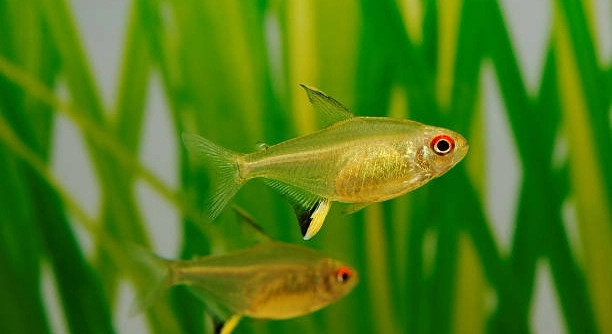
Are your lemon tetras showing signs of stress after being moved to a new tank? Adjusting to different water conditions can be challenging for these delicate fish, affecting their behavior and overall well-being in subtle ways.
Lemon tetras typically exhibit changes in swimming patterns, appetite, coloration, and interaction when acclimating to new water. Monitoring these behavioral and physical indicators allows aquarists to assess adaptation progress and intervene promptly to maintain fish health.
Recognizing these adjustment signs early can ensure your lemon tetras thrive and remain healthy in their new aquatic environment.
Changes in Swimming Patterns
When lemon tetras are adjusting to new water, one of the first signs you may notice is a shift in their swimming behavior. They might swim more slowly or hide near plants and decorations. Some tetras may dart quickly across the tank, which is often a reaction to stress or unfamiliar water conditions. Observing how your fish move can give you valuable insight into how well they are acclimating. Fish that swim steadily and explore their environment without frantic movements usually indicate that they are adapting successfully. Conversely, constant hovering near the surface or corners may suggest discomfort or issues with water parameters. It’s important to monitor these patterns over several days. Consistent changes often signal the need for minor adjustments in temperature, pH, or filtration. Maintaining a stable routine in feeding and lighting can also help your tetras feel more secure in their new surroundings.
Lemon tetras swimming erratically or hiding often reflect stress from environmental changes, signaling that closer observation is needed.
Careful observation of swimming patterns helps you understand the fish’s comfort level. By noting sudden changes, you can respond quickly to adjust water parameters. Over time, steady and balanced swimming indicates that the tetras have acclimated and are settling in comfortably. Encouraging gentle activity with minimal disturbances supports their adaptation, and providing a mix of open swimming areas and sheltered spots allows them to explore safely. Paying attention to these subtle movements ensures their well-being and helps prevent potential health issues before they escalate.
Appetite and Feeding Habits
Appetite changes are a clear sign of water adjustment. Some lemon tetras may eat less at first or show disinterest in certain foods.
Reduced feeding can result from stress, unfamiliar water chemistry, or sudden environmental changes. Fish may take several days to resume normal eating habits. It’s important to offer small, frequent meals instead of large portions, which can prevent water quality issues and encourage eating. Providing a variety of foods, including flakes, micro pellets, and occasional live or frozen options, helps stimulate appetite. Observing how each tetra responds individually is crucial because some fish adjust faster than others. Maintaining consistency in feeding times can also reassure the fish and promote normal digestion. Over time, gradual improvement in appetite indicates that they are acclimating successfully.
Monitoring feeding habits allows you to track adjustment progress. Adjustments in diet, portion sizes, and meal frequency can aid in settling your lemon tetras effectively.
Color Changes
Lemon tetras may show duller colors when adjusting to new water. Fading or pale hues often indicate stress or acclimation to different water conditions.
Color changes occur as the fish react to stress or shifts in water chemistry. Reduced brightness can signal that the tetras are trying to adapt to pH, temperature, or hardness changes. Sometimes, the color returns gradually as the fish become comfortable. Sharp contrasts or unusual patterns might suggest that the fish is experiencing prolonged stress or illness. Observing color alongside behavior gives a clearer picture of their adjustment. Ensuring stable water conditions and minimizing sudden changes helps maintain their natural vibrancy.
Lighting, tank decorations, and diet can also affect color intensity. Consistent feeding and a calm environment encourage natural pigmentation. Monitoring these aspects ensures your lemon tetras regain healthy, vivid colors and maintain overall well-being.
Interaction with Other Fish
Lemon tetras may hide or avoid other fish when adjusting, showing reduced social interaction. Stress can make them less active within a school.
Avoidance is a protective response as the fish acclimates. They may linger near plants or decorations rather than joining the group immediately. Gradually, as comfort increases, interactions with tank mates improve. Observing changes in social behavior alongside swimming and feeding patterns provides insight into overall adaptation. Sudden aggression or bullying from other fish can exacerbate stress, so careful monitoring is essential. Adjusting tank layout or providing extra hiding spots can support smoother social integration.
Tracking interactions helps identify when tetras feel secure. Creating a balanced environment with enough space, plants, and shelters encourages gradual social engagement and reduces stress. Over time, these steps foster a calm and cohesive community, allowing lemon tetras to thrive in their new surroundings.
Resting Spots
Lemon tetras may spend more time resting near plants or decorations while adjusting to new water. Staying in sheltered areas helps them feel secure during acclimation.
Frequent resting is normal during adaptation. The fish conserve energy while processing changes in water chemistry, temperature, or flow.
Breathing Patterns
Increased or rapid gill movement can indicate stress from new water conditions. Monitoring breathing helps detect early adjustment issues.
Social Grouping
Lemon tetras often stay closer together when adapting. Tight schooling provides safety and reduces stress during the acclimation period.
How long does it take for lemon tetras to adjust to new water?
Lemon tetras usually take a few days to a couple of weeks to acclimate fully. The adjustment period depends on differences in pH, temperature, and hardness between the old and new water. Minor fluctuations are common, but large changes can prolong stress and slow adaptation. Observing swimming, feeding, and color patterns provides insight into their comfort level. Fish that resume normal behavior and interact with tank mates typically indicate successful acclimation. Maintaining stable water conditions and avoiding sudden changes during this period helps them settle faster. Patience is key, as forcing quick adaptation may harm their health.
What signs indicate that lemon tetras are struggling with new water?
Signs of stress include hiding constantly, clamped fins, erratic swimming, and faded coloration. A sudden loss of appetite or rapid gill movement can also signal difficulty adjusting. Prolonged hiding or isolating from the school may indicate discomfort or unsuitable water parameters. Tracking these behaviors daily helps prevent prolonged stress. Adjusting temperature, pH, or adding extra hiding spots can relieve tension. Consistent feeding and minimal disturbances also support their recovery. Noticing these signs early allows corrective action before health issues develop.
Should I change the water frequently while they adjust?
Frequent water changes are not recommended during adjustment unless water quality is poor. Large or sudden changes can worsen stress. Small, controlled water changes help maintain cleanliness without shocking the fish. Using a water conditioner and ensuring the new water matches temperature and pH reduces risk. Gradual adjustments are more effective than repeated large water swaps. Monitoring nitrate and ammonia levels ensures that the tank remains safe. Stability is more beneficial than rapid alterations, allowing lemon tetras to acclimate without additional stress. Over time, their behavior and color will reflect improved comfort.
Can diet help them adapt to new water?
Offering a variety of foods can stimulate appetite and provide essential nutrients. Flakes, micro pellets, and occasional live or frozen foods encourage feeding. Small, frequent meals are better than large portions, as overfeeding can affect water quality. Some tetras may initially eat less due to stress, but consistent feeding helps restore normal behavior. Observing each fish’s response ensures they receive proper nutrition. A balanced diet supports immunity and overall health, which is critical during acclimation. Providing familiar food from the old tank can also ease the transition.
Is it normal for lemon tetras to hide a lot at first?
Yes, hiding is common during the initial days in new water. Shelter offers security while they process environmental changes. Over time, as comfort increases, tetras explore more and interact with the school. Ensuring plenty of plants and decorations encourages gradual confidence. Avoiding sudden movements or tank disturbances supports their sense of safety. Fish that remain hidden for weeks may indicate water issues or ongoing stress, which requires attention. Monitoring both hiding behavior and other indicators like swimming and color gives a complete picture of adaptation progress.
How can I make the transition smoother for lemon tetras?
Match water temperature, pH, and hardness closely to their previous environment before introduction. Gradually acclimate them using a drip or floating bag method. Provide plenty of hiding spots and maintain consistent lighting and feeding schedules. Minimize tank disturbances during the first week. Observing behavior daily helps detect stress early. Keeping water quality high with proper filtration and partial water changes supports health. Avoid introducing aggressive or overly active tank mates initially. The calmer the environment, the faster they adjust. Patience and gentle care make the transition less stressful and promote long-term well-being.
When should I be concerned about health issues during acclimation?
Be concerned if lemon tetras show prolonged hiding, loss of appetite, faded color, rapid gill movement, or erratic swimming for more than a week. Persistent stress can weaken their immune system, making them vulnerable to disease. Sudden onset of white spots, fin damage, or lethargy requires immediate attention. Testing water parameters helps identify environmental causes. Correcting pH, temperature, or nitrate issues promptly can prevent further complications. Consulting with an experienced aquarist or veterinarian may be necessary if symptoms persist despite stable water conditions. Early action ensures their health and improves adaptation success.
Can tank layout affect how they adjust?
Yes, the layout can significantly impact stress levels. Open spaces combined with plants or decorations allow exploration while providing shelter. Areas with limited hiding spots may increase tension and erratic behavior. Rearranging carefully to create both open swimming zones and protected areas supports natural behavior. Avoid excessive clutter that limits movement, as it can reduce confidence. Proper placement of filters, heaters, and décor ensures even water flow and comfort. Observing which areas the fish prefer gives insight into their sense of security. A thoughtfully arranged tank promotes faster acclimation and healthier social interaction.
Do lemon tetras adjust better in groups or alone?
They adjust better in groups because schooling behavior provides security. Being with other tetras reduces stress and encourages normal activity. Isolation can lead to prolonged hiding, inactivity, and increased vulnerability. A small school of at least six individuals is recommended for optimal comfort. Observing the group dynamic can indicate how well the fish are adapting. Group interactions encourage exploration and feeding while promoting natural behavior. Ensuring compatible tank mates prevents bullying or aggression, which can slow adjustment. Supporting social behavior helps tetras regain confidence and settle into the new environment more effectively.
How long should I monitor their behavior closely?
Close monitoring is most critical during the first two weeks, though subtle changes can continue for up to a month. Daily observation of swimming, feeding, color, and social behavior helps detect stress early. Keeping a log can be useful for tracking progress. Minor fluctuations are normal, but consistent problems indicate the need for intervention. Maintaining stable water conditions, consistent feeding, and a calm environment during this period promotes faster acclimation. After observing steady behavior patterns, monitoring can become less intensive while still ensuring long-term health and comfort.
Adjusting to new water can be challenging for lemon tetras, but careful observation and consistent care make the process smoother. Changes in swimming, appetite, color, and social behavior are all normal signs as they acclimate to their environment. Paying attention to these behaviors allows you to understand how your fish are handling the transition. Minor hiding or slower movement is often part of the adjustment, and these behaviors usually improve as the tetras become comfortable. By providing a stable environment with proper temperature, pH, and water hardness, you reduce unnecessary stress and help the fish adapt more quickly. Using a drip acclimation method or slowly mixing new water with the tank water can make the change less abrupt and support a healthier transition. Watching your tetras closely during this time is key to ensuring they thrive in their new habitat.
Feeding and nutrition also play an important role during acclimation. Lemon tetras may eat less at first due to stress, but offering small, frequent meals can help maintain energy and encourage appetite. A varied diet that includes flakes, micro pellets, and occasional live or frozen foods supports overall health. Observing which foods your tetras prefer can help ensure they get proper nutrition while adjusting. It is also important to maintain water quality during feeding, as leftover food can affect tank conditions. By combining proper diet with stable water parameters, you give your lemon tetras the best chance of settling in smoothly. Attention to these details ensures that minor issues do not escalate into serious health problems, making the adjustment period less stressful for both the fish and yourself.
Finally, social behavior and tank environment are key factors in successful acclimation. Lemon tetras feel safer and adjust faster when they are in groups, as schooling behavior provides security and encourages normal activity. Providing plenty of hiding spots and open swimming areas allows them to explore while feeling protected. Avoid sudden changes in lighting, tank decorations, or water conditions, as these can increase stress. Regular monitoring of interactions between tank mates ensures that no fish is being harassed or isolated. With patience, careful observation, and attention to water quality, diet, and social needs, lemon tetras gradually adapt to their new environment. Supporting them through this period helps maintain their health, coloration, and energy, allowing them to thrive and exhibit their natural behavior in the long term.

Hello,
If you enjoy the content that we create, please consider saying a "Thank You!" by leaving a tip.
Every little bit helps us continue crafting quality advice that supports the health, happiness, and well-being of pets around the world, for pets of all shapes, sizes, and species.
We really appreciate the kindness and support that you show us!