
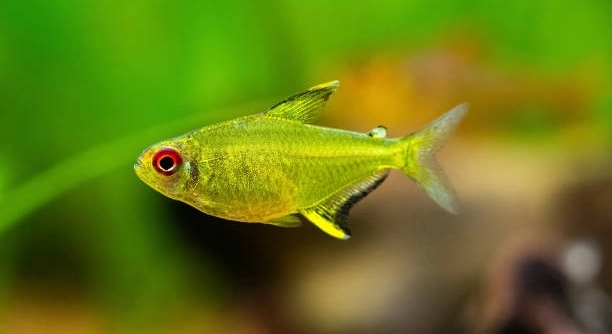
Do your Lemon Tetras seem restless or uneasy around other fish in your aquarium? These small, bright fish are often peaceful, yet their social needs and interactions can vary depending on the species they share space with.
Lemon Tetras generally do not require a break from other fish if housed with compatible species. Maintaining proper tank size, water conditions, and observing social behavior ensures their well-being, preventing stress and promoting healthy, balanced interactions.
Understanding their social dynamics is key to a harmonious aquarium. Observing subtle behaviors can help maintain a peaceful environment for all fish in your tank.
Understanding Lemon Tetra Behavior
Lemon Tetras are generally peaceful, schooling fish that thrive in groups of six or more. Their behavior can change depending on tank size, water conditions, and tank mates. Stress often arises when they are kept alone or with aggressive fish. Observing their interactions is key. Signs of stress include hiding, loss of color, or erratic swimming. Providing plants and hiding spots helps them feel secure. Tankmates should be similar in temperament and size to prevent bullying. Regular water changes and maintaining stable temperature and pH levels also support calm behavior. Feeding them a balanced diet of flakes, micro pellets, and occasional live food encourages natural activity. Even minor changes in the tank environment can affect their behavior, so careful attention is essential. By understanding their tendencies, you can create a harmonious environment that allows Lemon Tetras to flourish. Consistency and observation are crucial to supporting their well-being in a community tank.
Observing your Lemon Tetras regularly helps identify stress early. Quick action prevents long-term behavioral issues.
Providing the right tank setup and compatible companions allows Lemon Tetras to display natural behaviors. Plants, open swimming areas, and structured hiding spots encourage a balanced environment. Adjusting tank conditions gradually reduces stress, and monitoring interactions ensures peaceful coexistence. Small measures like spacing decorations and avoiding overcrowding make a significant difference.
Signs Your Lemon Tetras Need a Break
Lemon Tetras may show stress through color fading, hiding, or sudden changes in swimming patterns. Recognizing these early can prevent prolonged discomfort.
If tension arises among tankmates, temporary separation may help. Using a divider or a separate quarantine tank for a few days allows stressed fish to recover. Gradually reintroducing them reduces conflict and maintains school cohesion. Overcrowding is another common factor; reducing numbers or increasing tank size supports calm interactions. Observing feeding behavior also gives clues, as stressed fish often eat less. Adjusting environmental factors like lighting and water flow can further reduce stress. Providing varied hiding spots encourages natural behavior and gives timid fish control over their space. Tracking these patterns helps maintain a stable, healthy community. Proper planning ensures Lemon Tetras remain active, vibrant, and social, while also minimizing risks of aggression or illness. The goal is a balanced, peaceful aquarium that respects their needs without unnecessary intervention.
Ideal Tank Companions
Peaceful, small fish like Neon Tetras or Corydoras catfish usually coexist well with Lemon Tetras. Avoid aggressive or much larger species, as they can stress or harm your tetras. Compatibility ensures a calm, balanced tank environment.
Providing compatible tankmates is key to preventing stress in Lemon Tetras. Fish that are similarly sized and temperamentally peaceful tend to coexist without conflict. Introducing new species gradually and monitoring interactions allows you to detect tension early. Keeping a school of at least six Lemon Tetras helps them feel secure, reducing the chance of bullying. Observing daily behavior ensures they remain active, social, and healthy, while maintaining tank harmony.
Some community fish may occasionally nip fins or dominate space. Arranging the tank with plants, decorations, and open swimming areas helps distribute territories and reduces tension. Separating overly aggressive fish or adding additional hiding spots can prevent conflict. Monitoring feeding ensures all species get proper nutrition, while consistent water quality supports healthy interactions. Gradual adjustments to tankmates and layout maintain a peaceful environment, allowing Lemon Tetras to thrive alongside their companions without unnecessary stress or intervention.
Managing Stress in Lemon Tetras
Stress in Lemon Tetras can result from overcrowding, aggressive tankmates, or poor water conditions. Recognizing early signs allows quick action to maintain fish health and activity.
Adjusting environmental factors is crucial when stress appears. Proper water temperature, pH stability, and regular filtration reduce discomfort. Providing hiding places with plants, rocks, or ornaments allows tetras to retreat when needed. Overcrowding should be addressed by reducing numbers or increasing tank size. Observing interactions during feeding helps detect dominant or timid behavior. Temporary separation of stressed individuals prevents escalation, allowing them to recover without impacting the school. Gradual changes in layout or companion species minimize shock.
Diet and routine also affect stress levels. Offering varied, high-quality foods supports immune health and activity. Maintaining a consistent schedule for feeding and maintenance provides predictability, reducing anxiety. Monitoring behavior, swimming patterns, and coloration helps detect subtle signs of stress before they worsen. Combining environmental adjustments, compatible companions, and attentive care ensures Lemon Tetras remain active, social, and vibrant. Over time, this approach creates a stable, harmonious tank where all species coexist with minimal conflict.
Signs of Aggression
Lemon Tetras usually remain peaceful, but aggression can occur with incompatible tankmates. Fin nipping, chasing, or sudden hiding are common signs that your fish may need space or a change in companions.
Overcrowding or lack of hiding spots can increase tension. Monitoring behavior daily helps catch early signs of stress and prevents long-term problems.
Adjusting Tank Environment
Rearranging decorations, adding plants, or creating open swimming areas can reduce conflict. Giving Lemon Tetras space to establish territories improves comfort and encourages natural behavior, making the tank more balanced and less stressful for all fish.
Feeding and Routine
Consistent feeding schedules and a balanced diet help Lemon Tetras maintain health. Varied foods like flakes, micro pellets, and occasional live treats support energy, growth, and natural activity within the school.
Temporary Separation
If a fish shows signs of stress or aggression, isolating it briefly allows recovery. Using a divider or separate tank prevents injury while maintaining social structure in the main aquarium.
FAQ
Do Lemon Tetras get along with other fish?
Yes, Lemon Tetras are generally peaceful and thrive in a community of small, non-aggressive fish. Ideal tankmates include Neon Tetras, Harlequin Rasboras, and Corydoras catfish. Avoid larger, aggressive species that can chase or stress them. Keeping them in groups of at least six helps reduce anxiety and encourages natural schooling behavior. Observing their interactions daily ensures all fish remain comfortable.
How do I know if my Lemon Tetra is stressed?
Signs of stress include faded colors, hiding excessively, swimming erratically, or reduced appetite. Overcrowding, aggressive tankmates, or poor water conditions are common causes. Monitoring their behavior and adjusting environmental factors, like adding hiding spots or rearranging decorations, can quickly reduce stress. Temporary separation of a stressed fish may also help recovery.
Do Lemon Tetras need breaks from each other?
Lemon Tetras usually do not need breaks from each other if kept in proper groups. Their schooling instinct keeps them social and calm. Stress occurs more often when they are kept alone, with aggressive species, or in overcrowded tanks. Providing plants, open swimming areas, and consistent water conditions supports peaceful interactions.
Can tank size affect Lemon Tetra behavior?
Yes, tank size is important. Small tanks can cause stress, increase aggression, and limit swimming space. A minimum of 20 gallons is recommended for a small school. Larger tanks allow for more plants, decorations, and open areas, which reduce tension and give fish options to retreat if needed.
What is the best way to introduce new fish?
Introducing new fish slowly is essential. Quarantine newcomers for a few days to check for disease. Gradually acclimate them to the water temperature and conditions of the main tank. Adding new fish at different ends of the tank or using a divider can prevent immediate aggression and allows Lemon Tetras to adjust comfortably.
How important are hiding spots for Lemon Tetras?
Hiding spots are crucial. Plants, rocks, and ornaments provide security and reduce stress. Timid or stressed fish can retreat when needed, which helps maintain school cohesion. Open swimming areas combined with hiding spots create a balanced environment where all fish can exhibit natural behavior.
What should I feed Lemon Tetras?
A varied diet is best. Flakes and micro pellets form the staple, while occasional live or frozen foods like brine shrimp or daphnia provide enrichment. Feeding small amounts multiple times a day prevents overfeeding and promotes natural activity. Watching feeding behavior helps detect stress or illness early.
How do I manage aggression in a community tank?
Aggression can be managed by adjusting tankmates, rearranging decorations, and adding hiding spots. Overcrowding should be avoided, and overly aggressive fish may need temporary separation. Observing interactions during feeding and daily behavior ensures conflicts are addressed before escalation. Proper tank conditions support calm and active Lemon Tetras.
Can water conditions cause stress?
Yes, unstable water conditions are a major cause of stress. Lemon Tetras prefer slightly acidic to neutral pH, stable temperature between 72–79°F, and clean, filtered water. Regular water changes and testing ensure they remain healthy. Sudden fluctuations can lead to illness or behavioral changes.
How long can Lemon Tetras live in a community tank?
With proper care, Lemon Tetras can live 5–7 years. Maintaining stable water conditions, compatible tankmates, and a nutritious diet supports longevity. Regular observation and prompt action when stress or illness occurs help maximize their lifespan and overall well-being in the aquarium.
Lemon Tetras are small, peaceful fish that do best in a well-planned community tank. Their natural instinct is to school, and keeping them in groups of six or more provides security and reduces stress. Proper tank size is important, as overcrowding can quickly lead to tension and unhealthy behaviors. A minimum of 20 gallons allows enough swimming space, while providing decorations, plants, and open areas gives each fish options to explore or retreat. Observing their interactions regularly helps identify early signs of stress or aggression, ensuring the school remains balanced and calm.
Compatibility with other fish is key to maintaining a harmonious tank. Lemon Tetras do well with small, non-aggressive species like Neon Tetras, Harlequin Rasboras, and Corydoras catfish. Larger or territorial fish can intimidate them, causing hiding, erratic swimming, or fin nipping. Gradually introducing new tankmates and monitoring their behavior is essential. Adjusting the tank environment, such as adding extra hiding spots or rearranging decorations, allows timid fish to find safe areas and prevents conflicts. A consistent routine, stable water conditions, and a balanced diet further support calm and healthy behavior.
Stress management is crucial for Lemon Tetras’ long-term health. Signs of stress include fading colors, reduced appetite, and unusual swimming patterns. Addressing these issues promptly by adjusting water conditions, temporarily separating stressed fish, or improving the tank setup can prevent long-term problems. Feeding a varied diet of flakes, micro pellets, and occasional live food supports their activity, growth, and immune system. Paying attention to their behavior and environment creates a stable, vibrant aquarium where Lemon Tetras can thrive alongside compatible tankmates. Proper care ensures they remain active, social, and visually bright, contributing to a peaceful and enjoyable community tank.

Hello,
If you enjoy the content that we create, please consider saying a "Thank You!" by leaving a tip.
Every little bit helps us continue crafting quality advice that supports the health, happiness, and well-being of pets around the world, for pets of all shapes, sizes, and species.
We really appreciate the kindness and support that you show us!