
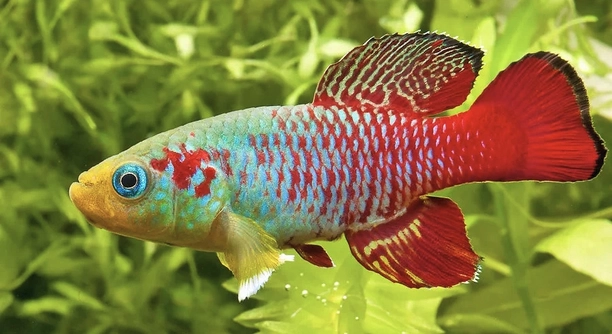
Many aquarium enthusiasts enjoy watching killifish because of their lively behavior. These small fish are often seen darting around and sometimes leaping out of the water. Their jumping habits make them unique compared to some other fish species.
Killifish tend to jump more frequently than many other aquarium fish. This behavior is linked to their natural instincts and environment, where jumping helps them avoid predators or catch insects near the water surface. It is a common trait observed across various killifish species.
Understanding why killifish jump can help you create a safer and more comfortable environment for them in your aquarium. Knowing these habits will make caring for them more enjoyable and less stressful.
Why Killifish Jump More Often
Killifish come from environments where jumping helps them survive. In the wild, they live in small pools or streams with many predators nearby. Jumping allows them to escape danger quickly. It can also help them catch insects on the water surface, which are an important part of their diet. This natural instinct stays with them even when they live in an aquarium. Because of their small size and quick reflexes, they are more likely to leap out of the water than bigger, slower fish. Another reason is their need for oxygen. Killifish sometimes jump when the water doesn’t have enough oxygen or if they feel stressed. This behavior signals that something might not be perfect in their environment, like poor water quality or a tight tank. Understanding these triggers can help keep your killifish healthy and reduce their jumping.
Jumping is a normal behavior for killifish but can be reduced by improving tank conditions and tank cover.
Providing proper tank care and a secure lid will protect your killifish and help them feel safer, reducing their need to jump out of the aquarium.
How to Keep Killifish Safe from Jumping
Killifish are skilled jumpers, so having a tight-fitting lid on the aquarium is essential. Without a secure cover, they can easily escape and injure themselves. It’s best to use a lid that fits well and leaves no gaps. Adding plants or decorations near the water surface also helps killifish feel more secure. These natural hiding spots can lower their stress and reduce jumping. Regular water checks are important too. Clean, oxygen-rich water keeps them calm. Keep the water temperature stable and avoid sudden changes. If the fish feel safe and comfortable, they will jump less. Small adjustments like these create a better home for your killifish and improve their well-being overall. Taking these steps is a simple way to enjoy watching your fish without worrying about them jumping out.
Common Triggers for Killifish Jumping
Killifish often jump when they feel threatened or stressed. Loud noises, sudden movements, or other fish chasing them can cause this reaction.
Stressful conditions like overcrowding or poor water quality increase the chance of jumping. If the tank is too small or dirty, killifish feel unsafe and may try to escape. Another trigger is a lack of hiding places. Without plants or decorations, killifish have nowhere to feel secure, leading to more jumping.
Changes in the environment also play a role. Sudden temperature shifts or bright lights can startle killifish, prompting them to leap. Even new tank mates can cause stress if they are aggressive. Paying attention to these triggers and adjusting the tank setup helps reduce jumping behavior and keeps killifish calmer.
Preventing Killifish from Jumping Out
A tight-fitting lid is the best way to prevent killifish from jumping out of the tank. This stops accidents and keeps the fish safe.
Besides a lid, maintaining good water quality is essential. Regular water changes, proper filtration, and stable temperature create a calm environment. Adding plenty of plants and decorations gives killifish places to hide and feel secure. Avoid overcrowding by keeping the right number of fish in the tank. Also, minimize sudden noises or movements around the aquarium to reduce stress. These steps together make jumping less likely and help killifish stay healthy and happy in their home.
Are All Killifish Prone to Jumping?
Not all killifish jump equally. Some species are more active and prone to jumping, while others stay calmer.
Factors like habitat, temperament, and size influence how often they jump. Smaller, more energetic species tend to jump more than larger, calmer ones.
How Tank Setup Affects Jumping
The design of your tank can either encourage or prevent jumping. Open tanks without covers increase the risk. Including floating plants and hiding spots makes killifish feel safer and less likely to jump. Proper lighting and gentle water flow also help keep them calm.
Watching Your Killifish Behavior
Observing your killifish closely helps spot jumping triggers early. Notice if changes in the tank or other fish cause stress. This can prevent injuries and keep your fish healthy.
Why do killifish jump out of the water?
Killifish jump mostly because of instinct and stress. In the wild, jumping helps them escape predators or catch food near the surface. In an aquarium, stress from poor water quality, overcrowding, or sudden movements can cause them to jump. They may also leap if they feel cramped or lack hiding spots.
Can killifish hurt themselves when they jump?
Yes, killifish can injure themselves if they jump out of the tank. They might land on hard surfaces or dry areas, which can cause physical harm or even death. This is why a secure lid is important to keep them safe and prevent accidents.
How can I stop my killifish from jumping?
To reduce jumping, make sure the tank water is clean and well-oxygenated. Keep the temperature stable and avoid sudden changes. Add plenty of plants and decorations for hiding places. Use a tight-fitting lid to prevent escapes, and avoid startling the fish with loud noises or quick movements.
Do all killifish species jump the same amount?
No, jumping varies between species. Some killifish are naturally more active and jump often, while others are calmer. Factors like size, environment, and temperament affect how much they jump. Observing your specific species can help you understand their behavior better.
Is it normal for killifish to jump when feeding?
Yes, killifish sometimes jump during feeding. They may leap to catch floating insects or food particles on the water surface. This behavior is natural and usually not a sign of stress, but it still requires a covered tank to avoid escapes.
Does tank size affect killifish jumping?
Tank size does impact jumping behavior. Small or overcrowded tanks increase stress, making killifish more likely to jump. Providing enough space for swimming and hiding reduces their need to leap and improves overall health.
Can jumping be a sign of illness?
Sometimes, yes. If killifish jump excessively, it might mean they are uncomfortable due to disease or poor water conditions. Look for other signs like changes in color, appetite, or activity, and check water parameters to rule out health issues.
What kind of lid works best for killifish tanks?
A tightly fitting, secure lid made of glass or plastic works best. It should have no gaps where killifish can slip through. Some lids come with feeding openings that close easily, preventing fish from jumping out during feeding times.
Will killifish stop jumping as they get used to the tank?
Often, killifish calm down after settling in. As they feel safer and less stressed, jumping usually decreases. However, some species remain naturally jumpy, so continuous tank care and a secure lid are necessary.
Are floating plants helpful in reducing jumping?
Yes, floating plants provide shade and hiding spots near the surface, which makes killifish feel safer. This lowers stress and can reduce the urge to jump. Plants also improve water quality by absorbing excess nutrients.
Is it okay to have tank mates with killifish?
Tank mates can be okay if chosen carefully. Aggressive or larger fish may stress killifish, increasing jumping. Peaceful, similarly sized species that don’t compete for space work better. Watch interactions closely to ensure harmony.
Can I train my killifish to jump less?
Killifish can’t be trained like pets, but they respond well to a calm environment. Consistent tank care, gentle handling, and avoiding sudden disturbances help them feel secure, which reduces jumping behavior over time.
How often should I check my tank to prevent jumping?
Daily quick checks are best to spot signs of stress or water issues early. Weekly water testing and cleaning maintain good conditions. Keeping a regular schedule helps prevent problems that lead to jumping.
Does water temperature influence jumping?
Yes, killifish prefer stable temperatures. Sudden drops or rises in water temperature can stress them and cause jumping. Using a reliable heater and thermometer helps keep the water steady.
Are there any special decorations to prevent jumping?
Dense plants, both floating and rooted, create a natural cover that makes killifish feel secure. Driftwood and rock formations near the surface also provide shelter. Avoid sharp or rough decorations that might harm fish if they jump.
What should I do if my killifish does jump out?
If you find a killifish outside the tank, gently place it back in water as soon as possible. Check for injuries and watch for signs of stress or illness. Improving the tank setup after the incident helps prevent future escapes.
Killifish are naturally active and sometimes jump more than other fish. This behavior comes from their instincts to escape danger or catch food in the wild. In an aquarium, this jumping can still happen, especially if they feel stressed or unsafe. It is important to understand that jumping is a normal part of killifish behavior, but it also shows that they need a comfortable environment to thrive. By paying attention to their needs, you can help reduce jumping and keep them healthy.
Creating a good home for your killifish means focusing on water quality, space, and security. Clean, well-oxygenated water with stable temperature helps the fish feel calm. Giving them enough room to swim and places to hide lowers their stress levels. A secure lid on the tank is essential to prevent accidents when they do jump. These simple steps make a big difference in their well-being. When killifish feel safe, they are less likely to try to escape their tank by jumping.
Watching your killifish closely is a good way to learn more about their behavior. Notice when and why they jump, and check the tank for possible causes. If they jump often, it could mean they are uncomfortable or stressed. Adjusting the tank setup or routine can help stop this. Killifish need a peaceful and stable environment to live happily. Taking care of these needs will allow you to enjoy their lively nature without worrying about jumping problems.

Hello,
If you enjoy the content that we create, please consider saying a "Thank You!" by leaving a tip.
Every little bit helps us continue crafting quality advice that supports the health, happiness, and well-being of pets around the world, for pets of all shapes, sizes, and species.
We really appreciate the kindness and support that you show us!