
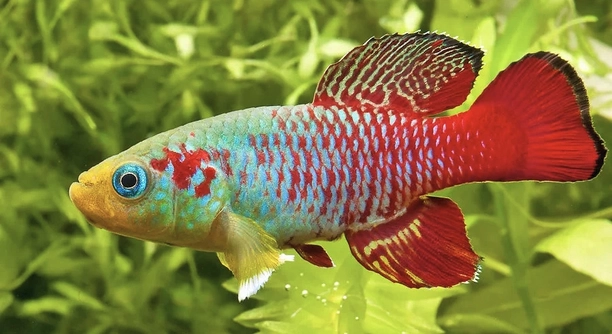
Killi fish are small, colorful freshwater fish many people enjoy keeping at home. They thrive best when their water environment matches their natural habitat. Maintaining the right water conditions helps keep these fish healthy and active.
Seven key water parameters influence the well-being of killi fish: temperature, pH level, hardness, ammonia, nitrite, nitrate, and oxygen concentration. Proper control of these factors creates an ideal environment that supports their survival and growth.
Knowing these important water details can improve your fishkeeping experience and ensure your killi fish live a happy, healthy life.
Temperature
Killi fish are sensitive to changes in water temperature, so it is important to keep their tank within a stable range. They usually do well between 72°F and 78°F (22°C to 26°C). Temperatures outside this range can stress the fish, making them more vulnerable to illness. Using a reliable heater and thermometer helps maintain consistent warmth. Avoid placing the tank near windows or vents where temperature fluctuates. Sudden drops or rises can cause shock, so gradual changes are best when adjusting. In general, warmer water encourages activity and feeding, while colder water may slow their metabolism. Keeping the temperature steady supports their natural behavior and growth.
A stable temperature keeps killi fish comfortable and healthy, reducing stress and the risk of disease.
Proper temperature control supports breeding success as well. Many species of killi fish breed better when water temperature stays consistent. This also affects their immune system, helping them fight off infections and live longer in captivity.
pH Level and Water Hardness
Killi fish prefer slightly acidic to neutral water, with pH levels between 6.0 and 7.5. Water hardness also matters, as they thrive in soft to moderately hard water. Soft water has fewer minerals like calcium and magnesium, which mimics their natural environment. Testing pH and hardness regularly ensures the water stays within this range. If levels are too high or low, fish may show signs of stress such as clamped fins or reduced appetite. Using water conditioners can help adjust these parameters safely.
Keeping pH and hardness stable helps killi fish feel secure in their tank, supporting overall health and vitality.
Water chemistry influences how well killi fish absorb nutrients and maintain their bodily functions. Sudden shifts in pH can cause skin irritation or disrupt gill function. Maintaining correct water hardness prevents scale damage and helps maintain a healthy slime coat. In their natural habitats, many killi fish live in soft, slightly acidic waters, so replicating these conditions in the tank supports their well-being. Regular testing and adjustments can prevent common problems related to poor water quality. This simple care step will keep your fish swimming happily and avoid many health issues before they start.
Ammonia
Ammonia is highly toxic to killi fish, even at low levels. It comes from fish waste and decaying matter in the tank. Keeping ammonia at zero is critical for their survival.
Ammonia buildup causes damage to fish gills and stress, leading to illness or death. Regular water changes and a well-established biological filter help remove ammonia efficiently. Test kits make monitoring ammonia levels easy. If ammonia is detected, immediate partial water changes and reducing feeding can control it. Avoid overstocking the tank to prevent excess waste production. Keeping the tank clean and cycling it before adding fish ensures ammonia stays at safe levels.
Biological filtration uses beneficial bacteria to convert ammonia into less harmful substances. These bacteria need time to grow and establish, so cycling your tank before introducing killi fish is essential. Adding ammonia detoxifiers can help in emergencies but should not replace proper tank maintenance. Preventing ammonia problems ensures a healthy environment where your fish can thrive without unnecessary risks.
Nitrite and Nitrate
Nitrite, like ammonia, is toxic and should be kept at zero in the tank. It is an intermediate product when beneficial bacteria break down ammonia. Nitrate is less harmful but should be kept low, ideally below 20 ppm.
Nitrite affects oxygen transport in fish, causing breathing difficulties and stress. Regular water testing helps catch dangerous levels early. Partial water changes reduce nitrite and nitrate buildup. Nitrate accumulates over time and can promote algae growth, affecting water quality. A planted tank can help absorb nitrates naturally. Feeding fish sparingly prevents excess waste production that increases these compounds. Keeping nitrite and nitrate under control supports strong, healthy killi fish by reducing toxic exposure and maintaining clear water conditions.
Oxygen Concentration
Killi fish need well-oxygenated water to stay healthy. Low oxygen levels can cause stress and make them more prone to disease.
Proper aeration and water movement help maintain oxygen levels. Avoid overcrowding, as too many fish can quickly reduce available oxygen in the tank.
Water Cleanliness
Regular cleaning and water changes are essential for killi fish health. Removing uneaten food and waste prevents harmful toxins from building up.
Keeping the tank clean supports stable water parameters and reduces stress for your fish, helping them live longer and more active lives.
Lighting
Killi fish do not require intense lighting. Moderate, natural-like light supports their natural behavior and reduces stress.
Bright or flashing lights can cause discomfort or hiding behavior, so use soft lighting and keep a regular day-night cycle.
FAQ
What is the ideal temperature range for killi fish?
Killi fish thrive best in water temperatures between 72°F and 78°F (22°C to 26°C). Keeping the temperature stable within this range reduces stress and supports their natural behaviors. Sudden changes in temperature can shock the fish, so avoid rapid fluctuations by using a reliable heater and monitoring regularly.
How often should I test my tank water?
Testing your tank water weekly is a good routine for keeping track of important parameters like ammonia, nitrite, nitrate, pH, and hardness. More frequent testing may be needed in new or heavily stocked tanks. Regular tests help you spot problems early and make timely adjustments to keep your killi fish healthy.
Why is ammonia so dangerous for killi fish?
Ammonia is toxic even at very low levels because it damages fish gills and causes severe stress. If left unchecked, it can lead to illness or death. Maintaining a fully cycled tank with beneficial bacteria that convert ammonia to less harmful substances is essential. Regular water changes also keep ammonia at zero.
Can killi fish tolerate different pH levels?
Killi fish prefer slightly acidic to neutral water, ideally between pH 6.0 and 7.5. They can tolerate minor fluctuations but sharp changes can cause stress or health issues. Using water conditioners or buffering agents helps stabilize pH. Regular testing ensures you keep the water chemistry suitable for your fish.
How hard should the water be for killi fish?
Soft to moderately hard water is best, as it resembles their natural habitat. Hard water with too many minerals can cause problems like scale damage or irritation. Testing water hardness regularly and using proper water sources or conditioners helps maintain the right balance.
What are signs of poor water quality in killi fish?
Signs include lethargy, loss of appetite, clamped fins, unusual swimming patterns, or visible skin issues like redness or spots. These symptoms often indicate high ammonia, nitrite, nitrate, or incorrect pH. Addressing water quality promptly improves fish health and reduces the chance of disease.
How much water should I change and how often?
Changing 20-30% of the water weekly is generally recommended to keep harmful substances low and maintain water quality. Partial water changes dilute toxins and replenish minerals. Always use treated water that matches the tank’s temperature and parameters to avoid stressing the fish.
Is it necessary to have plants in a killi fish tank?
Plants are beneficial but not required. They help absorb nitrates, improve oxygen levels, and provide hiding spots, which reduce stress. Live plants create a more natural environment, but if you use artificial plants, ensure good water quality and aeration to support the fish.
What type of filtration is best for killi fish?
A gentle filter that provides biological filtration without creating strong currents works best. Killi fish prefer calm water, so sponge filters or low-flow filters are good choices. Biological filtration supports beneficial bacteria that keep ammonia and nitrite levels safe.
Can killi fish live with other fish?
Killi fish are generally peaceful but may nip fins of slower or long-finned tank mates. Choose small, non-aggressive species that tolerate similar water conditions. Avoid large or aggressive fish that can stress or harm them. Always monitor interactions closely.
Keeping killi fish healthy starts with understanding their water needs. These fish are small but sensitive to changes in their environment. The right water temperature, pH, hardness, and clean conditions help them live longer and stay active. Paying attention to ammonia, nitrite, nitrate, and oxygen levels also keeps their tank safe. Regular testing and maintenance are key to avoiding problems before they start. When the water is right, killi fish show more natural behaviors, which makes watching them more enjoyable.
Many killi fish owners find that simple care routines make a big difference. Consistent temperature control with a heater and thermometer helps avoid stress. Testing water once a week for chemicals ensures the tank stays balanced. Changing part of the water regularly removes waste and harmful substances. Using gentle filters and not overcrowding the tank support clean, calm water. Adding plants can improve water quality and provide hiding places, making fish feel secure. These small steps add up and create a good home for your killi fish.
In the end, patience and care pay off. Killi fish need stable water conditions, and keeping an eye on their environment helps them thrive. By making water quality a priority, you protect your fish from many common health issues. It is easier to enjoy your tank when fish are healthy and active. Taking the time to learn about these water parameters helps you become a better keeper. This leads to a happier experience for both you and your killi fish.

Hello,
If you enjoy the content that we create, please consider saying a "Thank You!" by leaving a tip.
Every little bit helps us continue crafting quality advice that supports the health, happiness, and well-being of pets around the world, for pets of all shapes, sizes, and species.
We really appreciate the kindness and support that you show us!