
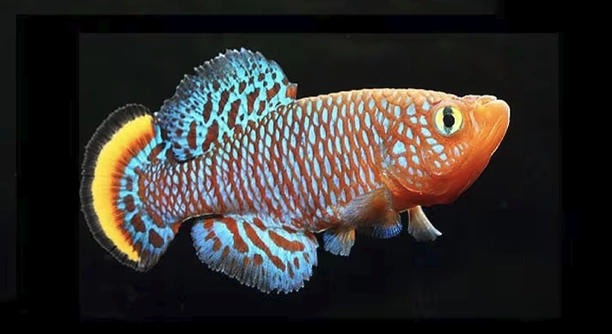
Have you ever wondered whether your killifish feels happier living alone or prefers having other fish nearby in its tank?
Killifish are generally solitary and thrive best when kept alone or in carefully managed environments, especially males, which can be territorial and aggressive. While some species tolerate companions, overcrowding or mismatched tank mates often lead to stress or conflict.
Knowing what makes your killifish feel secure helps prevent behavioral issues and health problems in the long run.
Understanding Killifish Behavior in Tanks
Killifish are known for their vivid colors and short lifespans, but their behavior can be complex. Most species are territorial, especially males. They often see other males as rivals and may become aggressive if space is limited. Female killifish can sometimes coexist, but only in larger tanks with ample hiding spots. A single male in a species-only setup often experiences less stress and fewer injuries. If multiple killifish are kept together, a carefully planned layout with plenty of cover, visual barriers, and separate territories is essential. It’s also important to consider species-specific needs since not all killifish behave the same way. Some tolerate groups better, while others need more isolation to thrive. Overcrowding, poor tank design, or incompatible pairings can lead to stress, illness, or even death. Observing them closely and adjusting their environment can make a big difference in their well-being.
Keeping a killifish alone can actually reduce stress and encourage healthier behavior, especially for males.
If you’re raising multiple killifish, it helps to space them out in a long tank with natural barriers like plants and rocks.
When Killifish Can Live with Others
Some killifish do better when housed with non-aggressive species that prefer different tank levels and don’t compete for the same space.
Tankmates must be carefully selected to avoid stress or fights. Small, peaceful species that keep to themselves and don’t resemble killifish are usually a safer choice. Avoid keeping multiple males together, unless the tank is large and heavily planted. If housing a pair, make sure the female has plenty of places to hide. Even within the same species, temperaments can vary, so always monitor interactions. If chasing or fin-nipping starts, separate them. For community tanks, it’s important to keep water conditions stable and introduce killifish last, so they don’t claim the whole tank as their own territory. In breeding setups, males and females should be paired temporarily to avoid constant stress. The goal is to create a calm, stable environment where killifish don’t feel the need to compete. Watch for signs of aggression and adjust your tank as needed.
Creating a Comfortable Space for Killifish
A quiet, well-structured tank makes a big difference. Floating plants, rocks, and driftwood help reduce stress by offering shelter and breaking sightlines. Killifish feel more secure when they can retreat and avoid constant visual contact with tank mates.
Aquascaping isn’t just about decoration—it serves an important purpose. When killifish can hide or separate themselves, they’re less likely to act out or become anxious. Spread out hiding spots evenly throughout the tank. Floating plants also help dim the light, which keeps them calm. Use smooth, rounded objects to prevent injury. Choose darker substrate tones to mimic their natural surroundings. Always avoid bright lighting or strong currents, which can cause discomfort. Make sure the tank is long enough to allow horizontal swimming, especially for more active species. A well-designed environment helps killifish focus more on exploring and less on defending space.
Tank size matters more than people think. A minimum of 10 gallons is good for one or a pair. Larger tanks are better for groups, but the space must be structured to divide territories. Using partitions or dense plants helps create visual separation. Killifish don’t need high filtration, but stable parameters are essential. Sudden shifts in temperature, pH, or hardness can stress them out. Always cycle the tank fully before adding them. A sponge filter works well since it provides gentle flow. Keep the water clean, but avoid frequent major changes—small, consistent adjustments are safer. Cover the tank tightly, as killifish are excellent jumpers. A calm, balanced setup supports their health and reduces aggressive behavior.
Social Signs to Watch For
Peaceful swimming, balanced feeding habits, and relaxed body language usually show your killifish feels comfortable. When they’re stressed, you might notice fin clamping, hiding, or aggressive chasing. Watch closely for changes in behavior.
Noticing their interactions helps you catch problems early. If one killifish starts isolating itself or constantly chases others, something’s wrong. Stress often leads to loss of color or appetite. These signs may seem small, but they matter. Remove aggressive fish right away if fights continue. Sometimes, it’s just a personality clash. You can rearrange the tank to reset territories or increase the number of hiding spots. When killifish feel safe, they show brighter colors, eat better, and move freely. Pairing the wrong species or overcrowding can undo your work quickly. If you’re unsure, try keeping them alone for a while. Often, that’s when their true personality and best behavior show.
Breeding and Temporary Pairing
Breeding setups require careful timing and space. Males can become aggressive if left too long with a female. Pair them briefly, then separate to avoid stress or injuries.
Use a spawning mop or fine plants to encourage egg-laying. Remove adults after spawning to prevent egg predation and reduce aggression.
Signs Your Killifish Prefers Solitude
When a killifish is more active, shows vibrant colors, and eats well while alone, it usually means they’re more comfortable that way. Isolation often reduces stress and promotes better overall health. Some species naturally avoid others and feel calmer without tank mates competing for space or attention.
Adjusting Based on Behavior
Watch closely for behavioral shifts after introducing tank mates. If aggression starts, it’s better to separate them quickly.
FAQ
Do killifish get lonely if kept alone?
Killifish do not typically experience loneliness like mammals might. Most species are naturally solitary and prefer being alone in their space. Unlike social fish that school or shoal, killifish are more comfortable without constant interaction. They can thrive and show their best colors and behavior when kept by themselves or in carefully managed setups.
Can killifish live with other fish?
Some killifish species can live with peaceful, non-aggressive tank mates that occupy different parts of the tank. It’s important to avoid other territorial fish or species that resemble killifish too closely, which may trigger aggression. Always monitor interactions closely and be ready to separate fish if signs of stress or fighting appear.
How many killifish can I keep in one tank?
The number depends on tank size and species temperament. For territorial species, one male per tank is best. Females may be kept in groups if space and hiding spots are adequate. Overcrowding increases stress and aggression, so always prioritize space and territory over numbers.
What tank size is ideal for killifish?
A minimum of 10 gallons is recommended for a single killifish or a breeding pair. Larger tanks work better for groups, provided there are enough plants and hiding places to break line of sight. Killifish need horizontal swimming space and areas to establish territory.
How important is tank decoration for killifish?
Tank decoration is crucial for killifish well-being. Plants, driftwood, and rocks provide shelter and break sightlines, helping reduce aggression and stress. Floating plants are especially helpful, as they create shaded areas that mimic natural habitats. Avoid bright lights and strong currents.
Why do killifish become aggressive?
Aggression often stems from territorial instincts, especially in males. Overcrowding, lack of hiding spots, or mixing incompatible species also contribute. Killifish defend their space fiercely when they feel threatened or crowded. Proper tank setup and careful monitoring can prevent many aggressive behaviors.
How can I tell if killifish are stressed?
Signs include hiding constantly, clamped fins, loss of color, refusal to eat, and erratic swimming. Stress can weaken their immune system and make them more vulnerable to disease. Stress usually arises from poor water quality, overcrowding, or aggressive tank mates.
What is the best way to reduce aggression in killifish tanks?
Provide plenty of hiding places and visual barriers to break lines of sight. Keep male killifish separate or in very large, planted tanks. Avoid overcrowding and choose peaceful tank mates. Regular water changes and stable water parameters help maintain calm conditions.
Do killifish jump out of tanks?
Yes, killifish are known jumpers. A tight-fitting lid is essential to prevent escapes and injuries. Make sure the lid allows for ventilation but is secure enough to keep your fish safely inside.
How do I introduce killifish to a community tank?
Add killifish last to avoid established territorial claims by other fish. Choose peaceful species that don’t compete for the same space or food. Observe closely after introduction and be ready to separate fish if aggression appears.
Can killifish tolerate changes in water conditions?
Killifish prefer stable water parameters. Sudden changes in temperature, pH, or hardness cause stress. Gradually acclimate them to new water conditions and maintain consistent quality with regular monitoring and partial water changes.
Is it necessary to separate male killifish?
For most species, yes. Males are territorial and often aggressive toward each other. Housing them separately or in very large tanks with plenty of cover minimizes fighting and injuries.
How long can killifish live in isolation?
Killifish can live healthy, full lifespans alone if their environment meets their needs. Many actually thrive better in isolation than in crowded tanks with constant competition.
Do killifish prefer dim or bright lighting?
Dim or moderate lighting that mimics their natural habitat is best. Bright lights can cause stress and encourage hiding or erratic behavior. Floating plants can help diffuse light and create a more comfortable setting.
What diet helps killifish stay healthy?
Killifish do well on a varied diet of live or frozen foods like brine shrimp, daphnia, and bloodworms. High-quality flake or pellet foods can supplement but should not be the only source. Feeding small amounts multiple times a day supports their energy needs.
How often should I clean a killifish tank?
Regular partial water changes (20-30% weekly) keep water clean without shocking the fish. Avoid full cleanings that disrupt beneficial bacteria. Removing uneaten food and debris promptly also prevents water quality problems.
Can killifish be kept with shrimp or snails?
Some species may tolerate peaceful invertebrates, but others might see small creatures as food. If you want to keep shrimp or snails, research the specific killifish species and watch interactions carefully.
What signs show a killifish is ready to breed?
Males display brighter colors and perform courtship dances. Females become rounder with eggs. A suitable breeding environment with spawning mops or fine plants encourages successful egg-laying.
How do I care for killifish eggs?
Remove adults after spawning to prevent egg predation. Keep eggs in clean, slightly acidic water with gentle aeration. Depending on species, eggs may hatch in a few days to weeks. Patience and careful monitoring are essential.
This FAQ covers key points to help keep killifish comfortable, healthy, and less stressed in various tank conditions. Proper care, observation, and environment adjustments make all the difference.
Killifish are fascinating fish with unique needs that often differ from other popular aquarium species. Their preference for either company or isolation depends largely on their natural behavior and individual temperament. Most killifish species are naturally solitary, especially the males, who can be quite territorial. Because of this, many do better when kept alone or in tanks carefully arranged to minimize aggression and stress. Understanding these preferences is important for their well-being and can help avoid common problems like fighting, injury, or stress-related illness.
Creating the right environment is key when keeping killifish, whether they are alone or with others. Providing plenty of hiding spots and visual barriers, such as plants and driftwood, allows them to feel secure. The tank should have enough space for them to swim freely but also to retreat when needed. Tank size, decoration, water conditions, and tankmate selection all play a role in how comfortable killifish feel. Even when they are kept with other fish, it is vital to choose peaceful species that won’t compete for territory or cause unnecessary stress. Keeping the tank stable and clean also helps maintain their health and reduces the chance of aggressive behavior.
Ultimately, the best approach depends on the species of killifish and the individual fish’s behavior. Some will thrive alone, showing brighter colors and more natural behavior, while others may tolerate or even enjoy the presence of compatible tank mates. Observing their actions closely can guide how to adjust their environment to suit their needs. Providing a calm, well-structured tank and respecting their nature goes a long way toward ensuring killifish live healthy, happy lives. Taking these steps can turn your killifish into a beautiful, lively addition to your aquarium.

Hello,
If you enjoy the content that we create, please consider saying a "Thank You!" by leaving a tip.
Every little bit helps us continue crafting quality advice that supports the health, happiness, and well-being of pets around the world, for pets of all shapes, sizes, and species.
We really appreciate the kindness and support that you show us!