
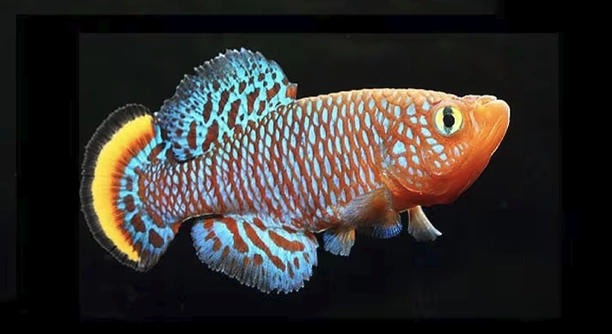
Killi fry are delicate fish that require specific water conditions to thrive. Maintaining the right water parameters helps support their health and growth. This article covers seven essential factors to monitor for successful killi fry care.
The ideal water parameters for killi fry include stable temperature, pH, hardness, ammonia, nitrite, nitrate levels, and oxygen concentration. Proper balance of these factors ensures a safe environment that promotes survival and development.
Knowing these key water conditions will help you create the best habitat for your killi fry. This information lays the foundation for healthy and vibrant fish.
Temperature Control for Killi Fry
Maintaining a stable temperature is crucial for killi fry health. The ideal range is typically between 72°F and 78°F (22°C to 26°C). Temperatures outside this range can cause stress or slow development. Rapid changes should be avoided as they shock the fry, potentially leading to illness or death. Using a reliable heater and thermometer helps keep the environment consistent. When adjusting temperature, do so gradually over several hours. Proper temperature supports metabolism and immune function, contributing to stronger growth and activity. Consistency creates a safe and comfortable space where the fry can thrive without added stress. Monitoring daily ensures any fluctuations are noticed and corrected promptly.
Stable temperature helps reduce stress and supports normal growth rates in killi fry. Keeping water within the recommended range is essential for their survival.
Small adjustments to temperature can greatly affect fry development. Consistent warmth encourages better feeding habits and resilience against disease.
Water pH and Hardness
The pH level for killi fry should remain slightly acidic to neutral, ideally between 6.0 and 7.0. Keeping pH stable avoids stress and promotes proper bodily functions. Hardness affects how minerals are absorbed and influences egg development. Soft to moderately hard water (around 3-10 dGH) is preferred. Sudden changes in pH or hardness can weaken the fry’s immune system and increase mortality risk. Testing water regularly helps maintain the correct balance. If pH adjustments are necessary, do them slowly to avoid shock. Using natural substrates and clean water sources helps keep these parameters steady. Proper pH and hardness contribute to a healthy environment where killi fry can grow without complications.
Ammonia and Nitrite Levels
Ammonia and nitrite must be kept at zero or near zero levels. Even small amounts are toxic to killi fry and can cause serious harm.
Both ammonia and nitrite are byproducts of fish waste and decomposing organic matter. Without proper filtration and regular water changes, these toxins build up quickly. High levels damage gills and stress fry, often leading to death. It’s important to cycle the tank before introducing fry and to test water frequently. Using live plants can help absorb some toxins, but mechanical and biological filtration are essential. If levels rise, immediate partial water changes are necessary to protect the fry.
Keeping ammonia and nitrite at safe levels supports healthy respiration and growth in killi fry. Monitoring these compounds daily during the early stages reduces risks and increases survival rates. Regular maintenance prevents toxin accumulation and keeps the water environment stable.
Nitrate Concentration and Oxygen Levels
Nitrate should be kept below 20 ppm to avoid stress and poor health in fry. High nitrates impair growth and weaken immune defenses.
Adequate oxygen is vital for killi fry survival. Oxygen levels must stay above 6 mg/L to ensure proper respiration. Oxygen depletion can occur due to overcrowding, poor aeration, or decaying matter. Aerators or gentle water movement help maintain oxygenation. Performing regular water changes also reduces nitrate buildup and replenishes oxygen. Balancing nitrate and oxygen levels creates a healthier environment, supporting active and robust fry development. Both parameters require consistent testing and management to avoid harmful effects.
Water Changes and Filtration
Regular water changes are essential to keep water parameters stable and safe for killi fry. Changing 20-30% of the water weekly helps remove toxins and replenish minerals.
Using gentle filtration prevents strong currents that can harm fry. Sponge filters are ideal because they provide biological filtration without disturbing the fry or sucking them in.
Lighting Conditions
Killi fry benefit from moderate lighting that mimics natural daylight. Too much light can increase algae growth and stress fry, while too little reduces activity and feeding.
Providing a consistent light schedule, around 10 to 12 hours per day, supports healthy behavior and growth. Using a timer helps maintain this routine without fluctuations.
Tank Size and Stocking Density
A larger tank reduces waste buildup and improves water quality. For killi fry, a minimum of 10 gallons is recommended to allow enough space for swimming and growth.
Feeding Frequency
Feeding small amounts multiple times daily encourages healthy growth. Overfeeding should be avoided to prevent water contamination and maintain stable parameters.
FAQ
What is the best temperature range for killi fry?
The best temperature range for killi fry is between 72°F and 78°F (22°C to 26°C). Keeping the water within this range helps support their metabolism and immune system. Avoid sudden temperature changes to prevent stress.
How often should I test the water parameters?
Testing water parameters at least twice a week is recommended, especially for ammonia, nitrite, nitrate, pH, and temperature. Frequent monitoring helps catch any changes early, so you can act before they harm the fry.
Can I use tap water for killi fry?
Tap water can be used if properly treated. Use a water conditioner to remove chlorine and chloramine, and let the water sit for a while to stabilize temperature and pH. Testing the water before adding it to the tank ensures safety.
How important is water hardness for killi fry?
Water hardness affects mineral availability and overall fry health. Soft to moderately hard water (3-10 dGH) is ideal. Too hard or too soft water can cause stress or developmental problems. Regular testing and adjustment keep hardness in the right range.
What should I do if ammonia or nitrite levels rise?
If ammonia or nitrite levels rise, perform an immediate partial water change of 25-50%. Check the filter for clogs and avoid overfeeding. Adding beneficial bacteria supplements can help speed up the biological filtration process.
How much should I feed killi fry daily?
Feed small amounts multiple times a day, about two to four times. Overfeeding can pollute the water and harm fry. Use high-quality fry food like infusoria, newly hatched brine shrimp, or finely crushed flakes to ensure proper nutrition.
Is aeration necessary for killi fry tanks?
Yes, aeration is important to maintain oxygen levels above 6 mg/L. Use gentle aeration methods like sponge filters or air stones placed where currents are soft. Proper oxygen helps fry breathe and reduces stress.
Can I keep other fish with killi fry?
It is best to keep killi fry separate from other fish, especially larger or aggressive species. Other fish might eat the fry or compete for food, reducing their chances of survival.
How often should I perform water changes?
Perform 20-30% water changes weekly to maintain water quality. More frequent changes may be necessary if water parameters deteriorate. Clean water reduces toxins and supports steady growth.
What lighting conditions are ideal for killi fry?
Moderate lighting for 10-12 hours daily is best. Too much light increases algae growth and stress, while too little light can reduce feeding activity. Use a timer to maintain consistent light cycles.
How big should the tank be for killi fry?
A minimum of 10 gallons is recommended to provide space for swimming and reduce waste buildup. Larger tanks help keep parameters stable and offer a healthier environment.
What type of filtration works best?
Sponge filters are ideal because they provide gentle filtration and biological support without creating strong currents. Avoid power filters with high flow that might harm fry.
Can I use live plants in a killi fry tank?
Live plants help absorb toxins and provide hiding places, which reduce stress. Choose hardy, low-light plants that don’t require heavy maintenance.
How do I prevent sudden pH changes?
Avoid adding chemicals or large amounts of untreated water at once. Use natural substrates and stable water sources. Regular testing and slow adjustments keep pH steady.
What signs indicate poor water quality?
Signs include lethargy, loss of appetite, gasping at the surface, or unusual swimming patterns. These symptoms suggest stress from poor parameters and need immediate attention.
Is it necessary to cycle the tank before adding killi fry?
Yes, cycling establishes beneficial bacteria that convert harmful ammonia and nitrite into less toxic nitrate. A fully cycled tank prevents toxic buildup and increases fry survival chances.
Final Thoughts
Maintaining the right water parameters is essential for the health and growth of killi fry. Each factor, from temperature to nitrate levels, plays a key role in creating a stable environment. Consistency is important because sudden changes can cause stress and illness. By keeping water conditions within the ideal ranges, you support the fry’s natural development and improve their chances of survival. Paying close attention to these details early on makes a significant difference in their long-term well-being.
Regular monitoring and maintenance of water quality are necessary parts of caring for killi fry. Testing for ammonia, nitrite, nitrate, pH, hardness, and oxygen helps detect any problems before they become serious. Routine water changes and gentle filtration keep harmful substances at safe levels. Adjusting parameters slowly prevents shock and helps fry adapt smoothly. Small actions like these ensure the environment remains safe and comfortable, allowing the fry to thrive. It also reduces the risk of disease and poor growth caused by poor water quality.
Understanding the specific needs of killi fry can feel demanding at first, but it becomes easier with experience. Each parameter contributes to their overall health, so balancing them all is key. Proper care leads to stronger, more active fry that develop properly into healthy adult fish. Following the guidelines for water temperature, pH, hardness, ammonia, nitrite, nitrate, and oxygen will give the fry the best possible start. Taking time and care to maintain these conditions shows in the success of your killi fry and your enjoyment as their caretaker.

Hello,
If you enjoy the content that we create, please consider saying a "Thank You!" by leaving a tip.
Every little bit helps us continue crafting quality advice that supports the health, happiness, and well-being of pets around the world, for pets of all shapes, sizes, and species.
We really appreciate the kindness and support that you show us!