
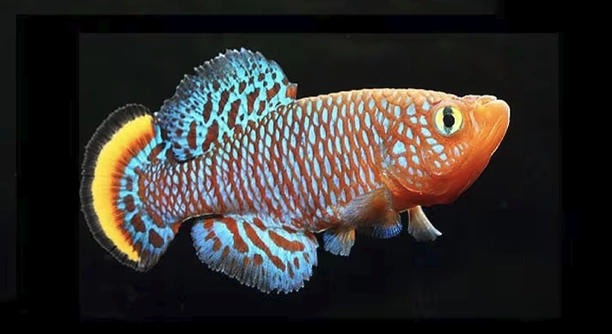
Killifish, often called killis, are popular aquarium fish known for their vibrant colors and delicate nature. Many keepers notice changes in their appearance, especially when the fish seem unsettled or stressed. Understanding these color changes can help maintain a healthy environment for these lively creatures.
Killifish do change color when stressed, typically becoming paler or duller. This color change is a physiological response linked to stress hormones affecting pigment cells. It serves as an indicator of their well-being and environmental conditions.
Recognizing these subtle shifts can help you respond to your killis’ needs and improve their care for a more vibrant tank.
Why Killis Change Color When Stressed
When killifish experience stress, their bodies react by altering the pigments in their skin. Stress can be caused by several factors like poor water quality, sudden changes in temperature, overcrowding, or aggressive tank mates. These conditions trigger the release of stress hormones, which directly affect the cells responsible for color in killis. The most noticeable change is usually a fading or dulling of their bright colors, making them look washed out. This response is a survival mechanism that can help them avoid predators in the wild by becoming less visible. However, in an aquarium setting, this color loss signals that something is wrong. Keeping an eye on these changes can help catch problems early before they impact the fish’s health severely. Maintaining stable water parameters and a calm environment supports the natural colors and overall well-being of killifish.
Stress hormones cause pigment cells to shrink or disperse, resulting in duller coloration and less vibrant patterns.
Observing the color shifts in your killis can guide you in adjusting their environment. Consistent care and proper tank conditions help restore their natural hues. It is important to act quickly when you see signs of stress, as prolonged exposure can lead to illness or reduced lifespan. Sometimes, color changes may be temporary, but if the environment remains unfavorable, the fish may never regain their full brightness. Regular water testing, proper feeding, and avoiding sudden disturbances are key steps in preventing stress. Additionally, providing hiding spots and suitable tank mates reduces tension among fish. Understanding these simple but effective care techniques can make a big difference in your killifish’s health and happiness.
How to Reduce Stress and Prevent Color Loss in Killifish
Stress in killifish is often avoidable by keeping their environment stable and comfortable.
Start with regular water changes to maintain good water quality. Test parameters for ammonia, nitrite, and nitrate levels frequently to ensure they remain safe. Use a heater and thermometer to keep the temperature steady within the species’ preferred range. Avoid overcrowding the tank by limiting the number of fish. Choose peaceful tank mates that do not threaten or chase the killis. Provide plenty of hiding places with plants, caves, or decorations to help the fish feel secure. Feeding a balanced diet with high-quality food supports their immune system and overall health. Minimizing loud noises and sudden movements around the tank can reduce stress triggers. Observing your killifish daily for any unusual behavior or signs of distress helps catch problems early. By following these steps, you create a calm environment that encourages vibrant colors and active behavior in your killifish.
Recognizing Stress Signs Beyond Color Change
Stress in killifish often shows in behaviors, not just color.
Common signs include hiding more than usual, erratic swimming, loss of appetite, and lethargy. These behaviors usually accompany color fading and can signal that your fish need attention.
Watching for these signs helps catch stress early. Sometimes environmental adjustments like changing tank conditions or removing aggressive fish can improve their mood quickly. Keeping a close eye on both behavior and color provides a fuller picture of their health. Stress affects killifish in many ways, so it’s important to consider all signs.
The Role of Environment in Killifish Stress
The tank environment plays a huge role in killifish well-being. Poor water quality, inappropriate temperature, and lack of hiding spaces all increase stress.
Killifish thrive in clean, stable water with temperatures between 72-75°F (22-24°C). Hard or acidic water closer to their natural habitat is ideal. Plants and caves give them places to retreat and feel safe. Crowded tanks or aggressive tank mates add constant pressure and can trigger color changes. Providing an environment that closely matches their natural conditions reduces stress and helps maintain their bright colors. Consistency and attention to detail make a big difference.
Feeding and Its Impact on Killifish Color
A balanced diet is essential for maintaining vibrant killifish colors.
Poor nutrition can cause dullness and increase stress levels. Feeding high-quality live or frozen foods helps keep them healthy and colorful.
How Lighting Affects Killifish Appearance
Proper lighting highlights the natural colors of killifish and supports their health. Too much or too little light can cause stress and color fading. Use moderate, consistent lighting and avoid sudden changes to keep their colors bright and stable.
Stress Recovery and Color Restoration
Killifish can regain their color once stress factors are removed. Recovery time varies but usually takes a few days to weeks with proper care and environment.
Avoiding Overcrowding in Your Tank
Overcrowding causes stress by increasing competition for space and resources, leading to color loss and health issues. Keeping the tank appropriately stocked promotes calmer, more colorful killifish.
FAQ
Do killifish always change color when stressed?
Not every killifish will show a noticeable color change when stressed, but many do. The extent of color fading depends on the individual fish, the cause of stress, and how long it lasts. Some may only show subtle changes, while others become visibly paler or duller.
How long does it take for killifish to regain their color after stress?
Recovery time varies, but typically killifish start to regain their natural colors within a few days to a couple of weeks after stressors are removed. Ensuring stable water conditions and reducing disturbances speeds up the process. Sometimes, if stress is prolonged or severe, colors may never fully return.
Can lighting alone cause killifish to change color?
Yes, improper lighting can affect their coloration. Too bright or inconsistent lighting can stress killifish, leading to duller colors. Conversely, adequate, stable lighting enhances their natural patterns and helps maintain vibrant hues. It’s best to provide moderate light that mimics their natural habitat.
Are certain killifish species more prone to color changes under stress?
Some species with brighter or more delicate coloration are more sensitive to stress and may show more noticeable color shifts. However, all killifish have some degree of color change potential when stressed. Observing your specific species helps you understand how sensitive they are.
Does water quality affect killifish coloration?
Absolutely. Poor water quality, including high ammonia, nitrite, or nitrate levels, can stress killifish and cause color loss. Maintaining clean water with regular testing and changes is critical for their health and color vibrancy.
Will killifish change color if they are sick?
Yes, illness often causes stress, which can lead to faded colors. If you notice persistent color dullness combined with unusual behavior or physical symptoms, it’s important to check for diseases and treat accordingly.
Can killifish change color during breeding?
Some killifish display brighter colors during breeding as a sign of health and readiness to mate. However, stress related to breeding competition or overcrowding can cause colors to fade. Monitoring their environment during this time is essential.
Is it normal for killifish to change color at night?
Yes, killifish often appear less colorful in low light or darkness. This natural adaptation helps them avoid predators. Their true colors usually return once the tank is lit again.
What are the best foods to maintain killifish color?
High-quality live or frozen foods like brine shrimp, daphnia, and bloodworms provide nutrients that enhance coloration. Including a variety of foods helps keep their colors bright and their health strong.
How can I reduce stress when introducing new fish to a killifish tank?
Introduce new fish slowly and in quarantine if possible. Make sure tank conditions are stable, provide hiding spots, and avoid overcrowding. Watch closely for signs of aggression or stress and separate fish if needed.
Can water temperature fluctuations cause color changes?
Yes, sudden or extreme temperature changes can stress killifish and cause color fading. Maintaining a stable temperature within their preferred range is important to prevent this.
Does handling killifish cause stress and color loss?
Handling killifish can be stressful and cause temporary color dulling. It’s best to minimize handling and use nets carefully to reduce stress.
Are there any supplements to help restore killifish color?
Certain vitamin supplements and color-enhancing foods can support pigmentation, but they cannot replace proper care and environment. Supplements should be used cautiously and as part of a balanced diet.
How often should I check for stress signs in my killifish?
Daily observation is ideal. Early detection of stress signs like color changes or behavior shifts helps prevent more serious health problems.
Can killifish living alone show color changes due to stress?
Yes, even solitary killifish can experience stress from poor water quality, lack of hiding places, or other environmental factors, which may affect their color.
Is stress-induced color change reversible?
In many cases, yes. Removing stress factors and improving care typically allows killifish to regain their colors. However, prolonged or extreme stress might cause permanent changes.
Do killifish show stress color changes differently than other fish?
Killifish are known for vivid colors, so their changes may be more noticeable. Other fish might show stress through different signs, but color change is a common response in many species.
Should I separate stressed killifish from others?
If aggression or bullying causes stress, separating the affected fish can help reduce stress and allow recovery. Otherwise, improving tank conditions benefits all inhabitants.
What is the best way to monitor killifish health related to color?
Keep a log of water parameters, feeding, and behavior alongside color observations. Regular monitoring helps identify stress causes quickly.
Are there natural behaviors linked to color changes in killifish?
Some color shifts occur during social interactions, mating, or territorial displays. These changes are usually temporary and different from stress-related fading.
Killifish are beautiful and delicate creatures that show their health in many ways, including their color. Changes in their color can be an important signal that something in their environment needs attention. Stress is one of the most common reasons killifish lose their vibrant colors. This stress can come from factors like poor water quality, temperature shifts, overcrowding, or aggressive tank mates. Understanding these causes and how they affect killifish color is essential for keeping them healthy and happy. Watching for color changes along with other behaviors can give a clear sign of how your fish is feeling and what might need to be improved in their care.
Keeping killifish in a stable and comfortable environment is the best way to prevent stress and color fading. Regular water testing, proper feeding, suitable tank mates, and providing hiding spaces all contribute to their well-being. Lighting and water temperature should also be consistent and close to their natural habitat conditions. When stressors are removed or reduced, killifish often regain their bright colors, showing that they are healthy again. It is important to act quickly if you notice signs of stress or dull coloration to avoid long-term health problems. Good tank maintenance and gentle handling help reduce stress and support the natural beauty of killifish.
Overall, paying close attention to your killifish’s color is a useful tool in monitoring their health. While some color changes are normal and linked to natural behaviors, significant or prolonged fading is usually a sign of stress or illness. By keeping their environment clean and stable, feeding them well, and minimizing stress factors, you can help your killifish maintain their vibrant colors. This not only improves their appearance but also their quality of life. Taking care of these small but sensitive fish requires patience and care, but the reward of seeing them healthy and colorful makes the effort worthwhile.

Hello,
If you enjoy the content that we create, please consider saying a "Thank You!" by leaving a tip.
Every little bit helps us continue crafting quality advice that supports the health, happiness, and well-being of pets around the world, for pets of all shapes, sizes, and species.
We really appreciate the kindness and support that you show us!