
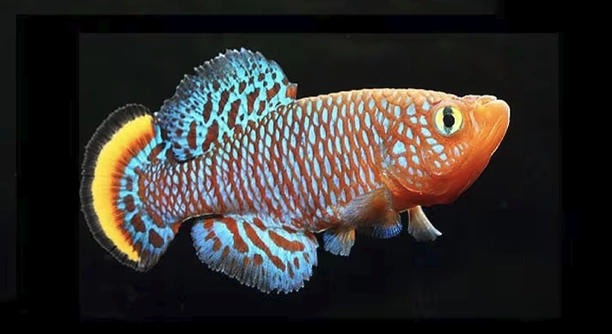
Killi fish are small, colorful freshwater fish that need a carefully planned tank environment. Creating the right layout can help these fish thrive and show off their natural beauty. Many hobbyists enjoy designing unique spaces suited to killi fish needs.
Successful killi fish tank layouts focus on providing ample hiding spots, appropriate water flow, and suitable plants. These elements create a natural habitat that supports killi fish behavior and health, while enhancing the overall aesthetic of the aquarium.
Exploring different tank setups reveals how small changes can improve your fish’s comfort and tank appearance. This guide will present creative ideas to inspire your next killi fish aquarium project.
Natural Aquascape with Driftwood and Moss
A natural aquascape using driftwood and moss creates a calm, realistic environment for killi fish. Driftwood provides natural hiding spots and surfaces for beneficial bacteria, while moss offers soft textures and additional cover. These elements replicate the fish’s native habitats, promoting natural behavior and reducing stress. Placing driftwood vertically or leaning it against the tank wall adds visual interest and space for the fish to explore. Moss can be attached to the driftwood or rocks, creating a layered effect. The combination also supports water quality by offering more surface area for biological filtration. Avoid overcrowding to maintain open swimming areas. This setup requires regular trimming of moss to prevent decay and ensure water clarity. Using low-light plants complements the driftwood and moss, enhancing the natural look without overwhelming the tank. The balance of open and covered spaces makes this layout both practical and visually appealing for killi fish owners.
Driftwood and moss layouts provide both shelter and natural aesthetics while supporting fish health and tank balance.
Choosing the right type of driftwood is essential; avoid wood that can leach harmful substances. Soaking and boiling driftwood before placement helps remove tannins, which can discolor water. Moss varieties like Java moss or Christmas moss are ideal because they grow well underwater and do not require intense lighting. Secure moss with thread or mesh until it attaches to surfaces. Regular maintenance includes trimming moss and checking for any decay. Water changes are important to prevent tannin buildup. Adding a few hardy low-light plants, such as Anubias or Cryptocoryne, enhances the habitat without demanding much care. This layout is ideal for beginners and experienced hobbyists looking for a low-maintenance, natural tank. The natural setup encourages killi fish to exhibit typical behaviors such as hiding, exploring, and resting among plants and wood.
Floating Plants for Shade and Cover
Floating plants provide shade and cover, creating a secure environment for killi fish. They help diffuse light, reduce algae growth, and improve water quality by absorbing excess nutrients.
Floating plants like Salvinia or duckweed create soft shadows and reduce water surface agitation, calming the fish. These plants also provide spawning sites for some killi species. They grow quickly and need regular thinning to prevent overcrowding. Balancing the amount of floating cover ensures enough light reaches the lower tank areas for other plants. This layout style enhances the natural feel of the tank and promotes fish wellbeing by mimicking shaded waters found in the wild. It is particularly helpful in brightly lit rooms or tanks with strong artificial lighting, reducing stress on sensitive species.
Floating plants can be combined with submerged plants and hiding spots to create a multi-layered tank environment. Proper maintenance includes removing excess floating plants and monitoring water parameters.
Minimalist Layout with Open Swimming Space
A minimalist tank design gives killi fish plenty of open space to swim freely. This setup focuses on clean lines and limited decorations to avoid overcrowding.
Open swimming areas encourage natural activity and reduce territorial aggression among killi fish. Minimal decorations, such as a few smooth stones or a single plant cluster, provide hiding spots without cluttering the tank. Maintaining clear water is easier in this style, as fewer plants and decorations mean less organic matter to break down. This simplicity also makes tank maintenance quicker and more efficient. Killi fish benefit from unobstructed movement, which promotes their health and reduces stress. A minimalist tank suits species that prefer open water and strong swimming ability. Lighting should be moderate to avoid stressing the fish while highlighting their colors. Regular water changes and monitoring keep this straightforward setup balanced.
This layout works well in smaller tanks or with species that need room to explore. It also allows the beauty of the fish to take center stage without distractions.
Layered Layout with Substrate Variation
Using different substrate layers adds depth and texture to the tank, enhancing the habitat for killi fish. A mix of sand, fine gravel, and leaf litter creates varied zones.
The substrate variation supports natural foraging and breeding behaviors. Leaf litter offers shelter and mimics the forest floor environment where many killi fish originate. It also encourages beneficial microorganisms that improve water quality. Sand and fine gravel provide comfortable spaces for eggs and fry. This setup requires careful cleaning to avoid disturbing delicate layers. Maintaining balanced water parameters is essential because decomposing leaves release tannins that can lower pH. Periodic removal and replacement of leaf litter prevent excessive buildup. Combining layered substrates with low-light plants enhances visual appeal and shelter. This design supports a healthy, natural environment that encourages active and healthy killi fish.
Layered substrate layouts combine aesthetics and function, replicating natural habitats while offering diverse zones for fish behavior.
Compact Nano Tank Design
A compact nano tank is perfect for small spaces and limited numbers of killi fish. It offers a cozy environment while maintaining easy maintenance.
This design emphasizes efficiency with carefully chosen plants and minimal decorations. It creates a visually pleasing yet functional home for killi fish.
Vertical Planting for Space Optimization
Vertical planting maximizes tank space by using tall, narrow plants and wall-mounted moss. This allows more swimming room at the bottom and middle levels of the tank.
Vertical setups improve oxygen exchange and create multiple hiding spots. They also add height and dimension to the aquarium without crowding the swimming area, supporting healthy fish behavior.
Biotope Tank for Authentic Habitat
A biotope tank replicates the exact conditions of a killi fish’s natural environment. It uses native plants, substrate, and water parameters to closely mimic their habitat.
This approach supports natural behaviors and promotes fish health by providing familiar surroundings. The authentic setup can be both educational and rewarding for the keeper.
FAQ
How often should I clean a killi fish tank?
Cleaning frequency depends on tank size, stocking levels, and filtration. Generally, a 20-30% water change every week is sufficient. Partial water changes help remove waste without disturbing beneficial bacteria. Cleaning the substrate with a siphon during water changes keeps the tank healthy. Avoid full cleanings too often, as this can stress the fish and disrupt the tank’s ecosystem.
What plants work best for killi fish tanks?
Low-light plants like Java moss, Anubias, and Cryptocoryne suit killi fish tanks well. Floating plants such as duckweed and Salvinia provide shade and reduce light intensity. These plants offer hiding spots and support natural behavior. Avoid fast-growing, high-light plants that need frequent trimming or strong lighting, which can stress killi fish.
Can killi fish live with other species?
Killi fish are often territorial and may not do well with aggressive or much larger fish. Peaceful tank mates like small rasboras or certain tetras can work if the tank is large enough and has ample hiding spots. Avoid fin-nipping species or those that compete aggressively for food. It’s best to research compatibility carefully before mixing species.
How do I encourage breeding in a killi fish tank?
Providing a stable environment with clean, soft water encourages breeding. Adding spawning mops, Java moss, or fine-leaved plants gives the fish suitable places to lay eggs. Slightly lowering water temperature and increasing feeding frequency can stimulate spawning. Remove adults after eggs are laid to prevent them from eating the fry.
What water parameters are ideal for killi fish?
Killi fish prefer soft, slightly acidic to neutral water, with pH between 6.0 and 7.0. Temperature should be maintained between 72°F and 78°F (22°C to 26°C). Regular monitoring and gradual adjustments prevent stress. Avoid sudden changes in water quality or temperature, as killi fish are sensitive to fluctuations.
Why is my killi fish hiding all the time?
Excessive hiding may indicate stress or poor tank conditions. Check water quality, temperature, and tank layout for adequate hiding spots and comfortable conditions. Overcrowding or aggressive tank mates can also cause this behavior. Ensuring the fish feels secure and has enough space helps reduce hiding.
How much should I feed killi fish?
Feed small amounts twice daily, only what they can consume in a few minutes. Overfeeding causes water quality issues and health problems. A varied diet including live or frozen foods like brine shrimp, daphnia, and bloodworms is best. Supplement with high-quality flakes or pellets formulated for carnivorous fish.
Can killi fish tolerate different lighting conditions?
Killi fish prefer moderate to low lighting to mimic their natural shaded habitats. Intense or prolonged bright lighting can stress them and encourage algae growth. Using floating plants or dimmable aquarium lights helps create a balanced environment that suits their needs.
How do I prevent algae in a killi fish tank?
Control light duration to about 6-8 hours per day and avoid excess nutrients by not overfeeding. Introducing live plants that compete with algae for nutrients helps reduce growth. Regular partial water changes and cleaning surfaces also prevent algae buildup. Avoid using chemicals unless absolutely necessary.
What size tank is best for killi fish?
A minimum of 10 gallons is recommended for a small group of killi fish. Larger tanks provide more stable water conditions and space for natural behavior. Choose tank size based on species, number of fish, and desired layout complexity. Proper filtration and maintenance are equally important for success.
Creating a suitable tank layout for killi fish requires understanding their natural behaviors and needs. These small fish thrive best in environments that provide both open swimming space and plenty of hiding spots. Incorporating elements such as plants, driftwood, and varied substrates helps replicate the conditions they experience in the wild. This not only supports their health but also encourages natural behaviors, making the aquarium more engaging to observe. A well-planned tank layout balances aesthetics with functionality, ensuring the fish have enough room to move freely while feeling secure.
Maintenance plays a key role in keeping a killi fish tank healthy. Regular water changes and monitoring of water parameters help maintain stability and reduce stress on the fish. It is important to avoid overcrowding the tank with decorations or excessive plants, as this can limit swimming space and make cleaning difficult. Choosing appropriate plants and decorations that suit the fish’s needs simplifies maintenance and supports a balanced ecosystem. In addition, understanding the specific preferences of the killi species you keep will guide decisions on tank setup, lighting, and feeding routines.
Each tank layout offers different benefits depending on the available space and the species’ requirements. Whether opting for a natural aquascape with moss and driftwood or a minimalist design with open areas, the focus should remain on creating a comfortable environment. Attention to detail in tank arrangement will improve fish wellbeing and enhance the aquarium’s visual appeal. By carefully planning and maintaining the tank, you can create a habitat where killi fish thrive and display their unique colors and behaviors consistently.

Hello,
If you enjoy the content that we create, please consider saying a "Thank You!" by leaving a tip.
Every little bit helps us continue crafting quality advice that supports the health, happiness, and well-being of pets around the world, for pets of all shapes, sizes, and species.
We really appreciate the kindness and support that you show us!