
Have you ever noticed how some fish seem to return to the same spots, almost like they’ve claimed a little patch of water?
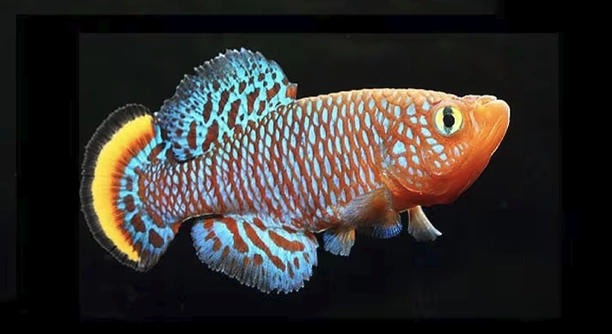
Killifish can remember and recognize their territory, relying on visual and spatial memory cues to navigate and defend familiar areas. Studies show they revisit specific zones, suggesting a clear link between territorial behavior and memory retention.
Their behavior reflects a complex memory system that plays a key role in how they interact with their environment and other fish.
How Killifish Use Memory to Navigate Their Territory
Killifish are known for their vibrant colors, but they also display interesting behaviors when it comes to territory. These fish often return to the same area repeatedly, indicating they remember specific spots within their environment. Scientists studying killifish have found that they use landmarks and patterns to find their way. Memory plays an important role in helping them avoid danger and locate food sources. When placed in a familiar tank, killifish are quick to settle into previous routines, swimming in familiar paths. This behavior suggests a level of spatial awareness and learned recognition. Some species show more territorial behavior than others, depending on their environment and stress levels. Overall, memory helps killifish maintain a consistent space that supports their survival. These patterns are not random. They follow routines and appear to show preference for certain areas, even after being removed and placed back in the same setting.
Some killifish rely more heavily on memory than others, especially when they’re living in environments that don’t change often.
Their ability to recall territory shows up clearly when researchers track their movements. In controlled studies, killifish that had previously explored a tank were quicker to return to familiar areas than those without prior exposure. Visual cues like objects, plants, or shadows helped them stay oriented. Researchers also noted that killifish tend to claim territory through consistent patrolling and repeated use of certain zones. They don’t just wander; their movement patterns suggest an internal map. This supports the idea that killifish have a strong memory, shaped by experience. In natural settings, this can help them avoid threats, conserve energy, and establish dominance. Their behavior isn’t just instinct—it’s a combination of learned responses and environmental awareness. Even small changes in the tank layout can affect their ability to find their favorite spots. The more stable their environment, the more confident and consistent their navigation seems to become.
Environmental Factors That Influence Killifish Memory
Lighting, tank size, and the presence of other fish can influence how well killifish remember their territory and navigate.
Environmental stability plays a large role in shaping a killifish’s memory patterns. In tanks where the layout remains unchanged, killifish become quicker and more consistent in finding their territory. Objects like rocks, plants, or artificial structures act as markers that help them recall where to go. When these cues are removed or rearranged, killifish often seem confused or take longer to settle. Stress also impacts memory. Overcrowding or frequent tank changes can make it harder for them to form strong spatial memory. Additionally, light conditions influence how well they see and recognize familiar zones. Dim lighting may delay their response, while stable, clear lighting enhances their recall. Temperature shifts can also impact brain activity, which plays into memory retention. Killifish do best in well-maintained, low-stress environments. When conditions remain steady, their memory sharpens, and their behavior becomes more predictable and focused, especially around their preferred spots.
How Social Behavior Affects Memory in Killifish
Killifish are naturally curious, but their memory is also shaped by how they interact with other fish. Social interactions can either support or interrupt their ability to remember certain areas, especially when competing for space.
When killifish are housed in groups, dominant individuals often take control of preferred zones, reinforcing their memory through repetition and patrolling. Subordinate fish, on the other hand, may avoid these areas, leading to less consistent spatial memory. Group dynamics can push fish to explore new spots or revisit safe zones, depending on past outcomes. Killifish also observe each other’s behavior, learning where to go based on shared cues. This indirect learning strengthens memory through experience. While competition can be stressful, it also encourages smarter navigation. Fish that have been in social environments longer tend to respond more quickly to familiar surroundings. Their behavior shows a mix of learned patterns, observation, and personal experience.
Territorial disputes, while stressful, can help refine a killifish’s memory. When fish are repeatedly chased from one area, they begin to recognize safe zones more quickly. These avoidance behaviors are stored in memory and influence how they choose spaces moving forward. Dominant fish benefit most, as constant patrol builds stronger memory links. Over time, these behaviors become patterns that help the fish maintain control over a territory. Observational learning also plays a role—killifish often mimic each other, forming preferences based on what they’ve seen work. Even without direct conflict, they recognize which areas are worth returning to. This kind of memory-building helps killifish become more efficient at navigating their space while minimizing risks and conserving energy.
The Role of Stress and Enrichment in Memory Retention
Stress can affect how well killifish store and recall information. A calm, well-structured space makes it easier for them to develop strong memory patterns. Overcrowded tanks or frequent changes can interrupt this process and weaken their territorial behavior.
Environmental enrichment plays a key role in how killifish process and retain information. Tanks that offer visual cues, hiding spots, and a stable layout allow the fish to create mental maps of their surroundings. These features reduce stress by providing security and familiarity. Without them, killifish tend to wander more and display inconsistent behavior, often forgetting previously favored zones. Stressful conditions—like sudden water changes or the presence of aggressive fish—can interfere with how memories are stored. Killifish need predictable surroundings to build strong spatial recognition. When tanks stay consistent over time, their ability to recall specific places improves noticeably. Enrichment helps them thrive, supporting not only memory but also overall health and social behavior.
Why Routine Matters for Killifish
Killifish become more confident when their routine stays the same. Feeding times, lighting schedules, and tank layout all help reinforce memory. Consistency supports learning and reduces confusion in both solitary and social environments.
Breaking routine can make killifish more anxious and less responsive. When their environment changes often, they hesitate and take longer to explore familiar spaces.
How Killifish Respond to Changes in Their Environment
Killifish are sensitive to even small changes in their surroundings. Moving an object or adjusting lighting can shift their behavior quickly. Some may avoid areas they once favored, while others adapt after a short adjustment period. These changes influence how they use memory, especially when navigating their territory. Inconsistent surroundings can lead to hesitancy, while a stable environment allows memory to grow stronger. Regular tank cleaning and small layout tweaks are fine if done gradually. Sudden or frequent changes, however, disrupt memory cues. For stronger territorial behavior, it helps to maintain a familiar space over time, reinforcing their learned preferences.
Observation Supports Spatial Memory
Killifish often watch each other closely. They learn which areas are safe or taken just by observing how others behave.
FAQ
Do all killifish show territorial memory?
Not all killifish show strong territorial memory. It depends on the species, environment, and individual behavior. Some species are naturally more territorial and show repeated patterns in their swimming. Others, especially those in constantly changing habitats, may not form lasting territorial preferences. Individual fish also vary in how they respond to cues. In stable tanks, territorial memory is more common. When fish have time to learn their space, memory strengthens. In crowded or stressful conditions, it may not show at all. So while many killifish demonstrate territorial memory, it’s not guaranteed in every case.
How long can killifish remember a specific area?
Killifish can remember areas for days or even weeks, depending on consistency in their environment. If landmarks, lighting, and layout stay the same, memory tends to last longer. Studies suggest killifish use both short-term and long-term memory, especially when returning to areas tied to food or safety. When surroundings change, memory can fade quickly. Removing or replacing familiar objects can cause them to avoid or forget those zones. But in tanks that remain predictable, they continue revisiting favorite spots over extended periods. Their memory improves with repetition and becomes more reliable when reinforced through routine and cues.
Can killifish learn from other fish?
Yes, killifish often observe and learn from each other. In shared tanks, they notice where others spend time or avoid. This behavior helps them form memory-based choices without needing direct experience. If a dominant fish defends an area, others may stay away. If one fish frequently visits a zone with food, others might follow. Observation allows for indirect learning, especially in new environments. It reduces the need for trial and error. Killifish don’t just rely on instinct—they process what they see, and this shapes their memory over time. Social learning is a clear part of how they navigate.
Does enrichment help improve their memory?
Enrichment plays an important role in strengthening killifish memory. Tanks with objects, plants, and hiding spots give the fish more reference points. These visual and spatial cues support memory by helping them recognize and return to familiar zones. Without enrichment, their behavior is more random and less focused. Enrichment also reduces stress, which is known to interrupt memory. A fish in a well-structured, enriched tank is calmer and more consistent in its movements. Memory builds faster when the environment is engaging but stable. Even small features, like a single plant or rock, can support stronger territory recognition.
Can killifish get confused if you change the tank layout?
Yes, sudden layout changes can confuse killifish. If familiar cues are removed or moved, they may hesitate to explore or revisit previous areas. These shifts can disrupt learned behavior and delay territory recall. Killifish rely heavily on landmarks, so altering them affects how they move and remember space. They may swim aimlessly or become less active right after changes. Over time, they can relearn the new layout, but it takes longer without stability. Making changes slowly helps reduce confusion. Gradual adjustments allow them to update their internal map and form new memory links without overwhelming them.
Is memory linked to survival in the wild?
Memory plays a key role in killifish survival. In the wild, remembering safe hiding spots, food sources, and escape routes can mean the difference between safety and danger. Territorial memory helps them avoid predators, reduce energy use, and return to familiar zones that support their needs. Wild killifish use natural cues like rocks, shadows, and plants in much the same way they do in tanks. Their memory allows them to make smart decisions based on past experiences. While behavior in captivity is more controlled, the role of memory in navigating and surviving remains important in both settings.
Final Thoughts
Killifish are more than just colorful fish in a tank. Their ability to remember territory shows how memory and environment are closely connected. In both natural and controlled settings, these fish use learned cues to return to familiar places. Whether it’s a rock, plant, or lighting pattern, killifish rely on consistent surroundings to help them move with purpose. When their environment remains stable, their memory becomes stronger, and their behavior becomes more predictable. These patterns are not just random swimming—they show signs of past experience and learned routines. This behavior reflects how even small fish can process and store information in ways that support their daily life.
Routine, space, and social behavior all influence how well killifish remember. In shared tanks, dominant fish often claim certain areas, reinforcing memory through repetition. Others learn by watching and responding to these patterns. Social interaction encourages smarter use of space and reduces unnecessary movement. Environmental enrichment also helps. When killifish live in well-decorated tanks, they have more cues to rely on, making their memory stronger. Stress, on the other hand, disrupts this process. Overcrowding, sudden changes, or lack of structure can make killifish forget what they’ve learned. A calm and familiar space gives them the best chance to develop and maintain memory.
Understanding how killifish remember their territory can help improve their care in captivity. Keeping their tank consistent, enriched, and low-stress supports both memory and overall health. Their behavior reflects more than just instinct—it’s shaped by what they see, feel, and experience. Memory plays a key role in helping them feel safe, confident, and oriented in their space. This behavior is also seen in wild killifish, where memory helps them survive. By giving killifish the right environment, we allow them to show their natural behaviors more clearly. Their ability to remember may seem simple, but it adds depth to how they live and interact with the world around them. Observing this behavior reminds us that even small fish can have complex and meaningful patterns worth paying attention to.

Hello,
If you enjoy the content that we create, please consider saying a "Thank You!" by leaving a tip.
Every little bit helps us continue crafting quality advice that supports the health, happiness, and well-being of pets around the world, for pets of all shapes, sizes, and species.
We really appreciate the kindness and support that you show us!