
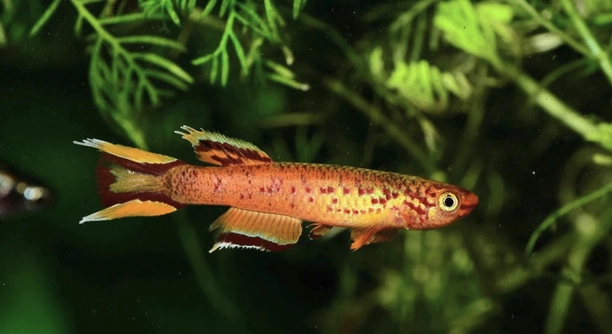
Killi fish are popular aquarium pets known for their vibrant colors and active swimming habits. Many owners notice their behavior can change depending on the environment’s noise and movement levels. Understanding these preferences can improve fish care and tank setup.
Killi fish generally prefer a calm environment with minimal noise and activity. Excessive disturbances can cause stress, reducing their natural behaviors and overall health. Maintaining a peaceful habitat supports their well-being and encourages natural, healthy activity patterns.
Learning how killi fish respond to different surroundings helps create a balanced and healthy aquarium environment for these delicate creatures.
How Killi Fish React to Noise and Movement
Killi fish are sensitive to their surroundings, especially sounds and activity near their tanks. Loud noises or sudden movements can startle them, causing them to hide or swim erratically. In quieter settings, they appear more relaxed and display natural behaviors like exploring or interacting with plants. The constant presence of noise or frequent tapping on the glass can increase their stress levels over time. Stress weakens their immune system, making them more prone to illness. Observing their reactions to different levels of activity can help you create a better habitat. For example, placing the tank in a low-traffic room or using a cover can reduce disturbances. Gentle, predictable activity near the tank, like feeding times, helps killi fish feel secure. By controlling noise and movement, you promote healthier, more natural behavior in your fish, improving their overall happiness and lifespan.
Stress from noise and movement impacts killi fish behavior and health negatively.
Maintaining a calm environment is essential for killi fish to thrive. Consistent noise or sudden activity can trigger stress responses, leading to hiding or reduced feeding. By minimizing external disturbances and creating a steady routine, you help your fish stay comfortable. Using soft lighting and avoiding vibrations near the tank also contributes to a stable environment. Even small changes, like moving the tank away from doors or windows, can make a difference. When fish feel secure, they swim freely and show their natural colors and activity. Watching them in a peaceful setting reveals their true nature, which can be rewarding. Keeping noise and movement low is a simple step that leads to a healthier aquarium, benefiting both the fish and their owner.
Creating the Ideal Environment for Killi Fish
Reducing noise and sudden movements around the tank supports killi fish well-being.
A suitable tank environment for killi fish includes calm water, stable temperature, and minimal disturbances. Their natural habitat is quiet and slow-moving, so replicating this helps them feel safe. Plants, hiding spots, and gentle water flow also contribute to a secure space. Bright lights and loud sounds can make them nervous, so a balanced setup is necessary. Regular feeding times with minimal disruption encourage consistent behavior. Tank placement is important; areas away from busy household traffic work best. Monitoring your fish’s response to changes helps identify stress triggers. By paying attention to their comfort, you can adjust the environment accordingly. A peaceful tank setup allows killi fish to display their natural swimming patterns and vibrant colors, making the aquarium enjoyable to watch. Simple adjustments can greatly improve their quality of life and your experience as a caretaker.
Signs of Stress in Killi Fish
Killi fish often show stress through changes in behavior or appearance. They may hide more, lose color, or swim erratically. These signs usually mean the environment is too noisy or active.
Stress affects their appetite and immune system, causing health issues if prolonged. When disturbed frequently, killi fish might avoid open spaces, hiding behind plants or decorations. Their colors can fade, making them look dull. Erratic swimming or sudden bursts of speed can also indicate fear or discomfort. It’s important to watch for these signs early to adjust their environment and reduce stress. Small changes like lowering noise or limiting movement near the tank help the fish regain calmness.
Preventing stress helps maintain vibrant colors and natural behavior. Regular observation and quick adjustments keep killi fish healthy and comfortable.
Adjusting Your Aquarium Setup
Choosing the right tank location is key. Avoid placing the aquarium near busy areas with loud noise or constant movement.
Use plants and decorations to create hiding spots and break up open areas, which helps fish feel secure. Soft lighting reduces stress, as bright lights can overwhelm killi fish. Keeping water conditions stable with proper filtration and temperature control also supports well-being. Regular cleaning avoids sudden disturbances, which can frighten the fish. Adding gentle background noise, like a soft filter hum, can mask sudden sounds that might startle them. Consistent feeding routines make the fish feel safe and reduce stress from unpredictability. Adjusting these factors creates a balanced environment where killi fish thrive and show their true colors.
Small adjustments improve fish comfort and behavior, benefiting both fish and owner.
Ideal Tank Companions for Killi Fish
Killi fish do best with peaceful tank mates that won’t stress them. Avoid aggressive or fast swimmers.
Small, calm species like certain tetras or rasboras usually get along well with killi fish, reducing competition and stress.
Feeding Behavior and Activity Levels
Killi fish are more active during feeding times. They respond well to a calm environment while searching for food. Stress can reduce their appetite and cause lethargy. Regular feeding with high-quality food supports healthy activity and helps maintain their natural behaviors.
Light and Noise Control
Controlling light and noise helps keep killi fish calm and active. Avoid harsh lighting and loud sounds near the tank. This creates a stable environment, encouraging natural swimming and feeding patterns.
FAQ
Do killi fish prefer complete silence?
Killi fish do not require complete silence, but they do prefer a quiet environment with minimal sudden noises. Constant loud sounds or sharp noises can stress them, making them hide or act nervously. Soft background noise, like the gentle hum of a filter, is usually not harmful and may even help mask abrupt sounds that could startle them.
How much activity near the tank is too much for killi fish?
Too much movement or frequent tapping on the glass disturbs killi fish. High activity around the tank, such as children playing nearby or pets running, can increase their stress. Keeping the tank in a calm area with limited sudden movement helps the fish stay relaxed and behave naturally.
Can killi fish get used to household noise?
Killi fish can become somewhat accustomed to regular, low-level household noise if it is consistent and predictable. However, irregular loud noises or sudden changes in volume continue to cause stress. Gradual exposure to moderate background sounds helps them adapt, but their environment should still be mostly peaceful.
What are the best ways to reduce stress for killi fish?
Providing hiding spots like plants or decorations allows killi fish to retreat when they feel threatened. Maintaining steady water conditions, controlling lighting, and avoiding sudden changes in the environment also reduce stress. Consistent feeding schedules and minimal disturbances near the tank are important.
How does stress affect killi fish health?
Stress weakens the immune system of killi fish, making them more vulnerable to infections and diseases. It can also cause loss of appetite, faded colors, and abnormal swimming behavior. Long-term stress may shorten their lifespan, so managing their environment carefully is essential for their health.
Is it better to have a covered tank for killi fish?
A covered tank helps reduce noise and movement from above, which can startle killi fish. It also prevents other pets or objects from disturbing the fish. However, good ventilation is necessary to keep water quality stable. A cover adds an extra layer of protection to keep the environment calm.
Do killi fish prefer certain types of lighting?
Killi fish thrive under soft, natural lighting rather than bright or harsh lights. Intense lighting can cause stress and encourage hiding. Using dimmable or indirect light helps simulate their natural habitat, making them more comfortable and encouraging natural activity.
Can tank mates increase stress for killi fish?
Yes, aggressive or fast-moving tank mates can cause stress. Killi fish prefer calm, non-aggressive companions. Choosing compatible species that occupy different levels of the tank or have similar temperaments helps reduce competition and conflict.
How often should the tank be cleaned to avoid disturbing killi fish?
Regular cleaning is important, but it should be done gently and on a consistent schedule. Sudden, deep cleanings can disturb fish. Partial water changes and careful substrate cleaning reduce stress while maintaining water quality.
Do killi fish react differently to noise at night?
Killi fish tend to be less active at night, and loud noises can disrupt their rest. A quiet environment during nighttime hours helps maintain their natural day-night rhythm and reduces stress.
Can stress cause killi fish to stop breeding?
Stress often inhibits breeding behaviors in killi fish. A calm, stable environment with minimal disturbances encourages spawning. Stressful conditions, such as excessive noise or activity, can prevent mating and egg-laying.
Are there signs that killi fish are happy and stress-free?
Healthy, stress-free killi fish display bright colors, swim actively, and explore their environment. They feed regularly and show normal social behaviors if kept with compatible tank mates. Consistent activity and vibrant appearance are good indicators of well-being.
What should I do if my killi fish show signs of stress?
If signs like hiding, loss of color, or erratic swimming appear, assess the environment for noise, movement, or water quality issues. Reduce disturbances, add hiding places, and check water parameters. Sometimes isolating the fish temporarily helps until they recover.
Does playing music or ambient sounds help killi fish?
Soft ambient sounds may help mask sudden noises, but loud or unpredictable music can increase stress. It’s best to keep sounds low and consistent. Silence or gentle background noise from aquarium equipment is usually sufficient.
Can killi fish live in a high-traffic area?
High-traffic areas often lead to increased noise and movement, which stresses killi fish. They do better in quieter rooms or spaces with controlled activity levels. If placement in a busy area is unavoidable, additional measures like tank covers and plants can help reduce stress.
Are there specific times when killi fish are more sensitive to noise or activity?
Killi fish are usually more sensitive during feeding, breeding, and resting periods. Minimizing disruptions during these times supports their health and encourages natural behaviors. Quiet and calm conditions during these moments help reduce stress.
How does tank size affect stress related to noise and activity?
Larger tanks with ample hiding spots can help killi fish feel safer and reduce stress from noise or activity. Smaller tanks may offer fewer retreats and magnify disturbances, making fish more vulnerable to stress. Providing enough space is important for comfort.
Is it normal for killi fish to hide more when there is noise?
Yes, hiding is a common stress response. If noise levels increase, killi fish often retreat to plants or decorations for safety. Frequent hiding over long periods may signal a need to improve tank conditions or reduce environmental disturbances.
Killi fish have clear preferences when it comes to their environment, especially regarding noise and activity levels. They tend to do best in calm and stable surroundings where sudden loud noises or constant movement are minimized. When the environment is too noisy or busy, these fish can become stressed, which affects their behavior and overall health. Providing a quiet space for them, with gentle water flow and steady lighting, helps them feel secure. This allows them to swim naturally and display their vibrant colors, making them a pleasant addition to any aquarium.
Stress is one of the biggest challenges for killi fish in captivity. It can cause them to hide more, lose their bright colors, and reduce their appetite. Over time, stress weakens their immune system, making them more vulnerable to illness. Observing their behavior closely helps catch signs of stress early so that adjustments can be made. Simple steps like placing the tank in a quieter room, limiting sudden movements near the tank, and adding plants or decorations for hiding spots create a better environment. Consistency is important too, such as feeding them at regular times and keeping water conditions stable.
Ultimately, caring for killi fish means understanding how sensitive they are to their surroundings. Creating a peaceful habitat not only reduces stress but also encourages healthy activity and natural behavior. By controlling noise and movement around the tank, you support their well-being and improve their quality of life. This makes the experience of watching and caring for killi fish more enjoyable. Paying attention to their needs and adjusting the environment thoughtfully ensures these small, colorful fish thrive in a home aquarium.

Hello,
If you enjoy the content that we create, please consider saying a "Thank You!" by leaving a tip.
Every little bit helps us continue crafting quality advice that supports the health, happiness, and well-being of pets around the world, for pets of all shapes, sizes, and species.
We really appreciate the kindness and support that you show us!