
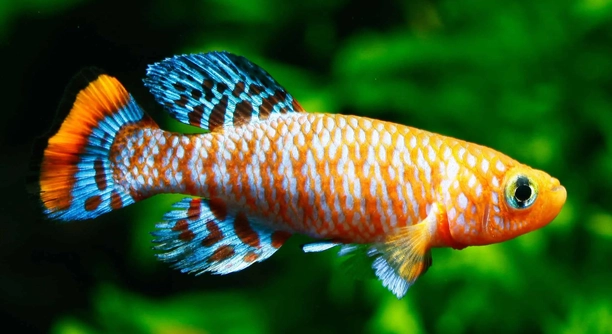
Killi fish are small, colorful fish often kept by hobbyists in home aquariums. They have unique behaviors that make them interesting pets. Many people wonder about their social needs and living conditions.
Killi fish can live happily alone if their environment meets their basic needs, including proper tank size, clean water, and appropriate hiding spots. They are not schooling fish, so solitary living is natural and usually stress-free.
Understanding their specific care requirements can improve their well-being and help keep your killi fish content in a solitary setting.
Understanding Killi Fish Behavior
Killi fish are naturally solitary in many cases. In the wild, they often live in small territories where they do not rely on large groups for safety or social interaction. Their behavior is focused on exploring their environment, finding food, and avoiding predators. When kept in an aquarium, they tend to act similarly. Providing a tank with enough space and plants or hiding spots helps them feel secure. It’s common for them to swim alone without signs of stress or loneliness. They can be shy and prefer places to retreat when feeling threatened. Unlike schooling fish, they don’t seek company or become aggressive if kept alone. Observing your killi fish closely can reveal if they are content. Signs of well-being include regular swimming patterns, bright colors, and healthy appetite. Avoid overcrowding to prevent stress or competition for resources.
Killi fish enjoy a calm environment that mimics their natural habitat.
Keeping the tank clean and stable supports their health. A consistent feeding schedule with varied food ensures they get the nutrients needed. Tank mates can sometimes stress them, so it is best to keep them with peaceful species if any. Their peaceful nature means they do not require companions for social reasons, but they do need stimulation from their environment. Plants, rocks, and places to hide keep them active and comfortable. The right conditions create a balanced habitat where a killi fish thrives alone.
Signs Your Killi Fish Is Happy Living Alone
Watching your killi fish’s behavior is the best way to tell if it is happy alone.
If your fish explores the tank confidently, shows good coloration, and eats well, it is likely comfortable. Some killi fish may show bursts of energy or curiosity, swimming around actively. Lack of signs like hiding constantly or refusing food means they are probably not stressed. If the fish is lethargic or hiding excessively, it may indicate a problem with the environment, not loneliness. Maintaining good water quality and proper temperature supports a healthy mood. The key is to create a space that feels safe and engaging. Happiness in killi fish is seen through their natural behaviors, not through interaction with others. Simple adjustments to their tank can improve their overall well-being significantly.
Creating the Right Environment
A properly set-up tank is essential for a happy killi fish.
The tank should have enough space, at least five gallons for one killi fish, to allow comfortable swimming. Including live plants and hiding spots reduces stress and mimics their natural surroundings. Stable water conditions with regular maintenance keep the fish healthy. Temperature should generally be between 72-78°F, depending on the species. Avoid strong currents because killi fish prefer calm waters. Lighting should be moderate, not too bright, to help the fish feel secure.
A balanced diet is important to keep them energetic and vibrant. Offering a variety of live or frozen foods like brine shrimp or daphnia can improve their health. Regular observation ensures that the tank setup remains suitable and adjustments can be made as needed.
When to Consider Tank Mates
Killi fish can live alone well, but sometimes owners want companions.
If you decide to add tank mates, choose peaceful, non-aggressive species that won’t compete for the same space. Avoid large or fast swimmers that may intimidate your killi fish. Small community fish like some tetras or rasboras are usually compatible. Watch for any signs of aggression or stress after introducing new fish. Sometimes, tank mates can cause unexpected stress, so it’s important to monitor interactions closely. Always quarantine new fish before adding them to avoid disease. With careful selection and observation, tank mates can coexist peacefully with killi fish.
Common Stress Signs in Killi Fish
Stress in killi fish can show through changes in behavior.
Watch for signs like hiding more than usual, loss of color, or refusing food. These may indicate an issue with their environment or health.
How to Reduce Stress in a Solitary Killi Fish
Maintaining clean water and stable temperature is key to reducing stress. Adding plenty of plants and hiding places makes the tank feel safer. Avoid sudden changes in light or water conditions, as killi fish are sensitive. Feeding a varied diet helps keep them healthy and active. Regular tank maintenance and gentle handling can prevent unnecessary stress and promote a calm environment where the fish can thrive alone.
Breeding Considerations for Solitary Killi Fish
Breeding killi fish requires special attention to tank setup and conditions.
Monitoring Health in a Single Killi Fish
FAQ
Can killi fish live happily alone?
Yes, killi fish can live happily alone if their tank conditions meet their needs. They are not schooling fish and don’t require companions for social interaction. A quiet, well-maintained environment with enough space, plants, and hiding spots helps them feel secure and stress-free.
How big should the tank be for a single killi fish?
A tank of at least five gallons is recommended for one killi fish. This size allows enough room for swimming and territory. Providing plants and decorations gives them places to hide and explore, which supports their well-being.
What kind of water conditions do killi fish need?
Killi fish prefer clean, well-filtered water with stable temperature between 72°F and 78°F. They thrive in slightly acidic to neutral pH levels (around 6.0 to 7.0). Regular water changes are important to maintain quality and prevent buildup of harmful substances.
Can killi fish be kept with other species?
Yes, but only with peaceful, non-aggressive fish that won’t compete for space or food. Suitable tank mates include small tetras or rasboras. Avoid large or fast fish that might intimidate or harm them. Always monitor interactions to ensure a peaceful community.
Do killi fish need special food?
Killi fish eat a variety of foods, including live, frozen, and high-quality flake or pellet foods. They prefer live foods like brine shrimp, daphnia, or bloodworms, which help maintain their vibrant color and energy. A varied diet is best for their health.
How often should I feed my killi fish?
Feeding once or twice daily is sufficient. Offer only what they can eat within a few minutes to avoid leftover food that pollutes the tank. Consistent feeding times help maintain their routine and health.
What are common signs of illness in killi fish?
Look for lethargy, loss of color, clamped fins, rapid breathing, or refusal to eat. White spots, torn fins, or unusual swimming patterns can indicate disease. Early detection and proper care improve recovery chances.
How do I reduce stress for my solitary killi fish?
Keep water clean, stable, and within the right temperature range. Provide hiding places and avoid sudden changes in light or environment. Handle the fish gently and keep tank noise low to maintain a calm atmosphere.
Is breeding killi fish difficult?
Breeding can be challenging but rewarding. It requires specific tank conditions, such as soft, slightly acidic water and plenty of plants or spawning mops. Separate males and females if aggression occurs, and prepare a dedicated breeding tank for fry safety.
How long do killi fish live?
Killi fish typically live between two and four years with proper care. A healthy diet, clean environment, and low stress levels contribute to their lifespan.
Can I keep more than one killi fish in the same tank?
It depends on the species and tank size. Some killi fish are territorial and may fight if kept together, especially males. If you want multiple fish, ensure enough space and observe them closely for aggression.
What is the best way to introduce a new killi fish to an existing tank?
Quarantine the new fish for at least two weeks to check for illness. Introduce it slowly by floating the bag in the tank to equalize temperature. Use a net to transfer the fish gently and observe the tank afterward to ensure peaceful behavior.
Do killi fish need special lighting?
Moderate lighting that mimics natural conditions works best. Too much light can stress the fish, while too little may affect plant growth and the fish’s activity levels. Providing shaded areas helps them feel safe.
How often should I clean the killi fish tank?
Perform partial water changes of 20-30% weekly to maintain water quality. Clean the substrate and decorations as needed, but avoid disturbing beneficial bacteria. Regular maintenance keeps the tank environment healthy and stable.
Are killi fish good for beginners?
They can be a good choice for someone willing to maintain stable water conditions and provide a calm environment. Their care is straightforward, but they need specific temperature and water quality, so some basic knowledge is important.
Killi fish are unique little pets that do well living alone when their needs are met. They do not rely on other fish for company and can feel comfortable in a quiet, well-maintained tank. Creating a safe environment with enough space, clean water, and places to hide helps them stay calm and healthy. Their natural behavior is suited to solitary living, which means they are not lonely when kept by themselves. Watching how they act and making sure they eat well are good ways to tell if they are happy.
Taking care of a single killi fish is not very difficult, but it does require attention to detail. The right water temperature, regular cleaning, and a balanced diet are important parts of their care. Live plants and decorations add comfort and reduce stress. Stress can affect their health quickly, so keeping the environment stable is key. Avoiding overcrowding and choosing peaceful tank mates, if any, also helps keep a killi fish calm. When cared for properly, they can live several years and show bright colors and active behavior.
In summary, a killi fish can thrive living alone with the proper setup and care. Their peaceful nature and specific needs make them a good pet for someone who enjoys watching small, lively fish in a peaceful tank. Paying attention to their environment and behavior ensures they remain healthy and content. While they do not require companionship, enriching their space and routine will keep them active and comfortable. Understanding these simple needs helps make sure your killi fish enjoys a good life on its own.

Hello,
If you enjoy the content that we create, please consider saying a "Thank You!" by leaving a tip.
Every little bit helps us continue crafting quality advice that supports the health, happiness, and well-being of pets around the world, for pets of all shapes, sizes, and species.
We really appreciate the kindness and support that you show us!