
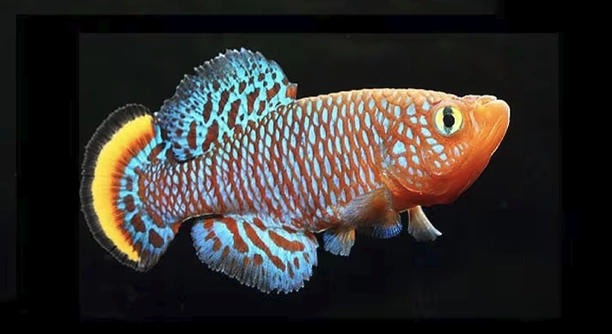
Do you ever find yourself setting up a peaceful aquarium, only to wonder if your Killifish can live happily with other species?
Killifish can be kept in a community tank, but only under specific conditions. Species selection, tank size, temperament, and water parameters must all be carefully managed to reduce stress and aggression among the fish.
Balancing the needs of Killifish with other tank mates takes planning, but the result can be a vibrant and harmonious aquatic environment.
Understanding Killifish Behavior and Needs
Killifish are known for their vibrant colors and interesting personalities. However, their needs are a bit different from other community fish. Many species of Killifish are territorial, especially males, and this can lead to aggression if they feel crowded or threatened. They also prefer calm waters with plenty of hiding spots, which help reduce stress. If the tank is too active or doesn’t have enough cover, Killifish may become shy or aggressive. Most species prefer soft, slightly acidic water and a steady temperature. It’s also important to know that some Killifish are short-lived, so they do best in stable conditions with proper care. Feeding them a varied diet and monitoring their health regularly can help them live longer and stay active. Overall, Killifish can be sensitive to change, so keeping their environment balanced is key to a peaceful setup.
Avoid placing them with fast or fin-nipping fish, as this often causes stress or injury.
Killifish do best with small, peaceful tank mates that won’t compete for space or food. Dwarf rasboras, small tetras, or Corydoras catfish are usually a safe choice. These species share similar water requirements and are calm by nature. A densely planted tank works well, offering each fish a space to hide or rest. Killifish like to stay near the top or middle of the tank, while other peaceful species may stay at the bottom, helping reduce conflict. It’s a good idea to keep only one male Killifish per tank, especially in smaller setups. This helps prevent fighting and keeps the group more stable. Watching your fish closely when adding new tank mates can help you spot any problems early. If the fish show signs of stress or aggression, adjusting the setup or separating individuals may be needed to keep the tank safe and healthy.
Setting Up the Right Tank Environment
A well-structured tank helps reduce stress and supports healthy interactions between species. Plants, rocks, and driftwood create important hiding spaces.
Start with a tank size of at least 20 gallons, especially if you want to keep Killifish with other species. A larger tank helps provide space and reduce tension between fish. Use gentle filtration to avoid strong currents that could bother them. Plants like Java moss or floating species create cover and help the fish feel more secure. You can also use leaf litter or small caves to provide extra places to rest or hide. Keeping a steady temperature between 72–75°F and maintaining slightly acidic water (pH around 6.0–7.0) is ideal. Light should be soft and not too bright, as Killifish prefer dimmer settings. Feed them live or frozen food like brine shrimp or daphnia to match their natural diet. Avoid overcrowding and introduce new fish slowly to prevent stress. With proper planning, Killifish can be part of a calm, attractive community tank.
Choosing Suitable Tank Mates
Peaceful and slow-moving fish make the best companions for Killifish. Avoid pairing them with aggressive or fast swimmers, as this can cause stress or chasing. Look for fish that share similar water needs and won’t compete for food or space.
Some good options include ember tetras, pygmy Corydoras, and small rasboras. These species are peaceful, calm, and usually stay out of the Killifish’s way. Shrimp and snails can also be added, as long as the tank is well-established and there’s enough cover. Keep tank mates small to prevent intimidation or competition. Avoid fish like bettas, tiger barbs, or larger cichlids, as they may become territorial or too active. It helps to observe the tank closely during the first few days after introducing new fish. If you notice any signs of fin nipping, stress, or hiding, consider removing the troublemaker or rearranging the tank layout.
When choosing tank mates, consider the size and layout of the aquarium. A densely planted setup helps create boundaries between species, which reduces tension. Fish that stay in different areas of the tank are less likely to interact in a negative way. Killifish usually stay near the surface, while bottom dwellers like small loaches or Corydoras keep to the lower level. This natural separation can help keep the tank peaceful. Keep an eye on feeding habits—some Killifish are picky and may need separate feeding areas. Having too many fish competing for the same food can increase stress and cause aggression. Feeding smaller amounts more often helps ensure all species get their share. Keeping the stocking level light allows each fish enough space to swim and settle comfortably, making a big difference in the overall balance of your tank.
Observing Behavior and Making Adjustments
Observation is key. Watch for changes in behavior like hiding, nipping, or loss of appetite. These can be early signs that something is wrong. A calm, active tank means your fish are adjusting well and feel comfortable in their space.
Killifish often behave differently when placed in a group. Some become shy, while others grow more confident. If one fish starts chasing or bullying others, it may need to be removed or placed in a separate tank. Stress can also show through pale colors or sudden hiding. Watch feeding time—if a fish isn’t eating, it may be uncomfortable with its tank mates. Rearranging decorations or adding more plants can help break sight lines and reduce aggression. Make small changes one at a time so the tank doesn’t become unstable. Even a small adjustment, like adding another hiding spot, can shift behavior in a positive way.
Keeping a written record of your fish’s behavior can help track any patterns or changes. If you notice the same issues happening after certain changes—like adding new fish or changing the feeding schedule—you can easily trace the cause. Weekly water tests are also helpful. Water quality affects behavior more than most people expect. Poor conditions often lead to stress, which can trigger aggression or illness. Maintaining stable water parameters, keeping the tank clean, and using a gentle light cycle can help avoid sudden shifts in mood. Every tank is slightly different, so it’s important to stay flexible and make changes based on what you see rather than what’s written in general care guides. What works well for one setup may not suit another. Patience and consistent care will lead to a more peaceful tank.
Feeding Considerations in a Community Tank
Killifish prefer small live or frozen foods like brine shrimp, daphnia, or bloodworms. In a community setup, feed slowly and in small amounts to make sure all fish get a fair share without overfeeding.
Use sinking and floating foods to reach fish at different levels. This helps reduce competition and allows Killifish to feed at the surface while bottom feeders clean up what’s left. Avoid flakes that dissolve quickly, as they can cloud the water and go uneaten.
Managing Breeding Behavior
Male Killifish may become territorial during breeding, especially in small tanks. This can lead to chasing or aggressive displays toward other fish. To reduce stress, limit the number of males and provide more plants or spawning mops. Some species scatter eggs while others guard a spot, so knowing their habits helps plan better. If breeding becomes too active, consider separating pairs or using a breeding tank. This prevents stress in the main tank and protects eggs from being eaten by other fish. Keep breeding activities controlled to maintain a peaceful setup.
Final Thoughts on Compatibility
Not all Killifish species are suited for a shared tank. Always research the specific species you plan to keep, as their needs and temperaments can vary a lot.
FAQ
Can all types of Killifish live in a community tank?
No, not all Killifish are suited for a community tank. Some species, like Golden Wonder Killifish, are more adaptable, while others, such as many annual Killifish, are better kept alone or in species-only setups. Aggressive tendencies, short lifespans, or very specific care needs can make certain types difficult to keep with others. Always research the exact species before deciding. Even peaceful types can act differently based on the tank conditions or the temperament of individual fish. When in doubt, start with more peaceful species and monitor their behavior closely.
Do Killifish eat other fish in a community tank?
Killifish usually won’t attack or eat healthy adult fish that are their size or larger. However, they may eat very small fish or fry if given the chance. For example, newly hatched guppies or small rasbora fry can be seen as food. Killifish have strong hunting instincts and sharp eyesight, especially when they’re kept on a protein-rich diet. If your tank includes tiny fish or invertebrates, make sure there are plenty of hiding spots. In general, avoid keeping Killifish with fish that are small enough to fit in their mouths.
What should I do if my Killifish is being aggressive?
If a Killifish is chasing or nipping at other fish, the first step is to rearrange the tank décor. Changing the layout breaks up territories and gives fish a chance to settle into new areas. You can also add more plants or decorations to block sight lines. In some cases, separating the aggressive fish into its own tank is the best option. Keep an eye on feeding—hunger can lead to irritation. Also, make sure the tank isn’t overcrowded. Too many fish in a small space increases stress and competition.
How many Killifish can I keep together?
It depends on the size of your tank and the species you’re keeping. In a 20-gallon tank, one male and two to three females is usually a safe setup for peaceful species. This helps reduce male aggression and gives females space to avoid constant chasing. Keeping more than one male can lead to fights unless you have a very large tank with lots of cover. Some hobbyists prefer to keep Killifish in pairs or alone to avoid stress entirely. Always match the number of fish to your tank size and setup.
Can Killifish and shrimp live together?
In many cases, yes—Killifish and shrimp can share a tank, especially if the shrimp are adults and there are hiding spots. However, baby shrimp are often at risk. Killifish will usually eat shrimp fry if they’re small enough to catch. To improve the chances of shrimp survival, use moss or fine plants where young shrimp can hide. Some Killifish are more aggressive toward shrimp than others, so watch interactions closely at first. Cherry shrimp, Amano shrimp, or Ghost shrimp are commonly paired with peaceful Killifish in planted tanks.
What water parameters are best for Killifish in a community tank?
Most Killifish prefer soft, slightly acidic to neutral water with a pH between 6.0 and 7.5. Temperature should stay between 72–75°F. A stable environment is more important than hitting an exact number. Sudden changes in pH, temperature, or hardness can cause stress or illness. In a community setup, choose tank mates that thrive under similar conditions. Use a gentle filter to maintain water quality without strong flow. Regular water testing is helpful to make sure levels stay safe and consistent for all species in the tank.
Are Killifish active or shy in a community tank?
Their behavior depends on the tank setup, species, and tank mates. Some Killifish are active and bold, especially when they feel safe and have enough space. Others may hide if the tank is too bright, noisy, or crowded. Providing cover, dim lighting, and keeping calm tank mates can help Killifish feel more comfortable. Over time, many become more confident and show off their colors. Avoid placing them with pushy or fast-moving fish that might cause them to stay hidden or stressed. A balanced setup supports their natural activity levels.
Can Killifish be kept with guppies or bettas?
Killifish can sometimes live with guppies, but it’s not always ideal. Males from both species can be territorial and may nip at each other’s fins, especially in small tanks. Bettas are usually not a good match. Both Bettas and Killifish are surface dwellers and may compete for space. They may also display aggression toward one another due to their bright colors and similar size. If you try keeping them together, use a larger tank with plants at all levels and observe their behavior carefully. Separate them at the first sign of conflict.
How do I know if my Killifish is happy in a community tank?
A healthy and content Killifish will have bright coloring, eat regularly, and swim calmly through the tank. It should interact normally with its surroundings and not hide all the time or chase others constantly. If the fish shows signs of stress—like staying near the surface, hiding for long periods, or refusing food—it may not be comfortable. Check water quality, tank mate behavior, and the overall setup to find the cause. A calm, peaceful tank with stable conditions usually brings out the best in your Killifish.
Final Thoughts
Keeping Killifish in a community tank can work well, but it depends on the species, tank setup, and the types of other fish you choose. Some Killifish are peaceful and do fine with calm, small tank mates. Others may become territorial or stressed if conditions aren’t right. That’s why it’s important to learn about the specific type of Killifish you plan to keep. Don’t assume all Killifish have the same behavior or care needs. A little research before setting up your tank can help prevent problems later on. Every fish has its own personality, so watching them closely after setup is just as important as planning ahead.
Tank conditions play a big role in how well your Killifish adapt to a community environment. They like calm water, stable temperatures, and lots of plants or hiding spots. If the tank is too bright, crowded, or active, they may hide or become aggressive. A peaceful tank setup with the right balance of species makes a big difference in their behavior. Choosing tank mates that stay in different areas of the aquarium can also help reduce interaction and avoid tension. For example, bottom dwellers like Corydoras stay away from the surface, where most Killifish spend their time. This kind of separation creates a more peaceful balance in the tank.
Some hobbyists prefer to keep Killifish alone or in pairs, especially if they are new to the species. That can be a good way to learn about their needs before placing them with others. If you decide to keep them in a community tank, start slowly and monitor how they interact. Feeding times, hiding behaviors, or signs of stress can tell you a lot. It may take a few adjustments to get the setup just right, and that’s okay. What works for one tank may not work for another, even with the same species. A calm, balanced tank will not only help your Killifish thrive but also make the entire setup more enjoyable to watch and care for. With the right planning, Killifish can become a colorful and peaceful part of a well-managed community tank.

Hello,
If you enjoy the content that we create, please consider saying a "Thank You!" by leaving a tip.
Every little bit helps us continue crafting quality advice that supports the health, happiness, and well-being of pets around the world, for pets of all shapes, sizes, and species.
We really appreciate the kindness and support that you show us!