
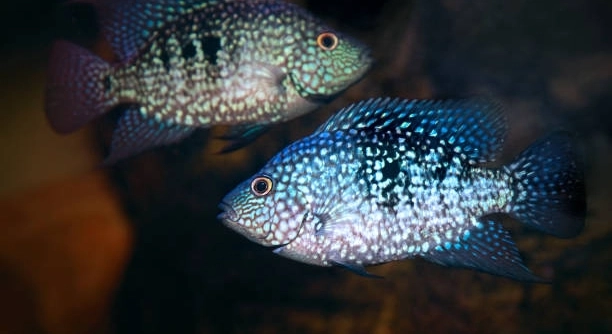
Jack Dempsey fish are fascinating creatures, especially during their spawning period. Observing them in their natural habitat reveals unique behaviors that often surprise even experienced aquarists. Their actions can be strange, yet they are part of natural instincts.
During Jack Dempsey spawning, behaviors such as nest building, aggressive chasing, color changes, and protective guarding of eggs are commonly observed. These behaviors ensure reproductive success and are essential for the survival of offspring in controlled or wild environments.
Understanding these behaviors can help fishkeepers maintain a healthy environment for breeding. Observing these patterns provides insight into their natural instincts and overall well-being.
Nest Building and Territory Marking
Jack Dempseys are known for constructing nests before spawning. They clean a flat area of substrate and move small rocks to create a secure site for their eggs. This behavior helps ensure the eggs stay protected and oxygenated. Males are particularly active, repeatedly digging and shifting gravel to maintain the nest’s shape. Females may assist by fanning water over the nest, keeping the eggs healthy. Aggressive displays often accompany this stage, as males defend their chosen territory from intruders. These displays can include flaring fins, body shaking, and sudden lunges toward nearby fish. The nest is both a home for the eggs and a signal to potential mates. Observing this process gives insight into their complex breeding behavior and highlights the importance of environmental conditions in a tank. Nest-building is crucial for successful reproduction, reflecting instinctive behaviors passed down through generations. Careful attention to tank setup can support these natural actions effectively.
Maintaining a stable environment encourages proper nest construction. Proper substrate and minimal disturbance improve spawning success and egg survival.
Successful nesting requires patience and observation. Understanding their territorial instincts can help prevent stress and aggression, ensuring healthier breeding conditions overall.
Aggressive Chasing and Courtship
During spawning, chasing is a key behavior between male and female Jack Dempseys.
Males actively pursue females and may chase rivals away from the nesting area. This chasing is part of the courtship process and serves as a method of selecting strong, healthy mates. Females respond to persistent males by swimming closely to the nest, signaling readiness. Aggression peaks when multiple males are present, as competition for mates intensifies. Courtship is often accompanied by color changes and fin displays, making interactions more vivid. While it may seem violent, chasing is an essential natural behavior, ensuring only the fittest offspring survive. Observing these interactions carefully allows breeders to separate overly aggressive individuals and reduce stress. Tanks should provide enough space and hiding spots to minimize injuries and allow females to choose partners freely. By monitoring chasing behavior, fishkeepers can create conditions that support both reproduction and overall health, maintaining harmony in the tank.
Color Changes and Displays
Jack Dempseys exhibit dramatic color changes during spawning. Their bodies darken, and bright blues and greens appear on fins and scales. This visual shift signals readiness and dominance, playing a key role in courtship and territorial defense.
Color changes are a response to hormonal shifts triggered by breeding conditions. Males show the most vibrant transformations to attract females and intimidate rivals. Females also display subtle variations, indicating their receptiveness to mating. These shifts are temporary but highly noticeable, often intensifying during aggressive encounters or when guarding the nest. Tank lighting and water quality can influence how vivid these colors appear, making proper care essential. Observing these changes provides insight into mood, readiness, and overall health, and allows careful monitoring of stress levels during this sensitive period.
Monitoring color changes helps identify dominant individuals and supports breeding management. It also provides clues about potential aggression and stress in the tank environment.
Egg Fanning and Guarding
During spawning, Jack Dempseys constantly fan their eggs to ensure proper oxygen flow. This behavior prevents fungal growth and keeps the eggs healthy.
Fanning involves rapid fin movements over the eggs, circulating water and keeping debris away. Both males and females may participate, although males usually take the lead in guarding. Guarding also includes chasing intruders and positioning themselves between threats and the nest. This protective behavior reduces the risk of predation and ensures higher survival rates. Environmental factors like water current and temperature affect how efficiently eggs are fanned, so a stable tank setup is crucial. Observing fanning can help breeders determine egg health and detect early problems. Continuous vigilance is key during this stage, as eggs are vulnerable and require careful attention.
Guarding behavior may also include sudden aggression toward tank mates. Recognizing these actions ensures the breeding pair remains safe while maintaining a stable tank environment.
Aggressive Defense of the Nest
Males fiercely protect their nest from intruders. They chase other fish and display flared fins to maintain control. This aggression ensures eggs remain safe and undisturbed during development.
Aggression peaks immediately after spawning, then gradually decreases as eggs mature. Close observation helps manage tank dynamics and prevent injuries.
Cleaning and Maintenance of the Nest
Jack Dempseys continuously remove debris and weak or unfertilized eggs from the nest. This behavior keeps the area clean and improves the chances of healthy offspring. Regular maintenance ensures the surviving eggs receive optimal conditions for hatching.
Feeding Behavior Changes
During spawning, Jack Dempseys may reduce food intake. Their focus shifts to guarding, fanning, and maintaining the nest, which can temporarily alter normal feeding patterns and energy use.
Interaction with Fry
After hatching, parents guide and protect fry. They stay close, leading them to safe areas, ensuring higher survival rates and supporting early development.
FAQ
Why do Jack Dempseys change color during spawning?
Jack Dempseys change color as part of their breeding behavior. Hormonal shifts cause males to display brighter blues, greens, and darker body tones. These changes signal readiness to mates and establish dominance over other males. Females show subtler shifts that indicate receptiveness. Proper lighting and clean water make these colors more visible, helping you observe health and stress levels during spawning.
How long does nest building take?
Nest building can last several days. Males clean a flat area of substrate and move small rocks or gravel to create a secure site. Females sometimes assist, but males are primarily responsible. The process involves repeated digging, shifting, and rearranging to form a stable environment for eggs. Environmental stability, including temperature and water quality, influences how quickly the nest is completed. Continuous observation ensures eggs will have optimal conditions once spawning begins.
What is egg fanning, and why is it important?
Egg fanning involves moving water over the eggs using rapid fin movements. This keeps eggs oxygenated, removes debris, and prevents fungal growth. Males primarily fan eggs, though females may occasionally assist. Proper fanning increases survival rates by maintaining healthy conditions. In tanks, ensuring gentle water flow and clean conditions supports effective fanning and protects developing embryos.
How aggressive are Jack Dempseys during spawning?
Aggression is strongest around nest construction and after eggs are laid. Males chase other fish, flare fins, and display lunging behavior to protect territory and offspring. Females may also show minor aggression when guarding eggs. Providing hiding spots and sufficient space in the tank can reduce stress and prevent injuries. Observing aggression carefully helps manage breeding pairs and ensures eggs remain safe.
Do Jack Dempseys eat during spawning?
Feeding often decreases during spawning. Their energy is focused on nesting, fanning eggs, and defending territory. While some may eat small amounts, it is normal for appetite to reduce temporarily. Offering easily digestible foods in small portions ensures they maintain strength without overfeeding. Observation is key to prevent nutritional deficiencies during this period.
How do parents interact with fry?
Once eggs hatch, parents guide and protect fry. They lead them to safer areas of the tank and prevent other fish from disturbing them. This parental care improves survival rates and ensures fry develop in a stable environment. Monitoring interactions helps avoid accidental harm and supports early fry development.
What environmental factors influence spawning?
Temperature, water quality, and tank layout affect spawning behavior. Stable temperatures, clean water, and a suitable substrate encourage nest building and proper egg development. Avoid sudden changes or overcrowding to reduce stress and support natural behaviors. Observation ensures any problems are addressed quickly, improving breeding success.
Can multiple males spawn in the same tank?
Multiple males can lead to increased aggression. Competition for females and nests may stress fish and reduce egg survival. Providing separate territories or additional hiding spots can help reduce conflict. Careful observation ensures all fish remain healthy and aggressive encounters are minimized.
How can I tell if eggs are healthy?
Healthy eggs are clear or slightly golden and firmly attached to the substrate. Unfertilized or fungus-infected eggs appear cloudy or white and should be removed to prevent spreading issues. Monitoring egg condition daily allows timely intervention and improves survival rates.
When do fry become independent?
Fry gradually become independent a few weeks after hatching. Parents reduce guidance and protection as fry grow stronger. By this stage, they begin exploring and feeding on their own. Observing growth and behavior ensures they transition safely to independent feeding and reduces risks of overcrowding.
Final Thoughts
Spawning Jack Dempseys display a range of behaviors that may seem unusual but are entirely natural. From nest building to aggressive defense, each action serves a specific purpose in ensuring successful reproduction. Understanding these behaviors helps fishkeepers provide an environment that supports the health and well-being of both parents and offspring. Observing them closely allows you to notice subtle changes in color, aggression, or activity that indicate readiness for spawning or potential stress. Careful attention to these behaviors is important because it gives insight into their natural instincts and how they respond to environmental conditions. While some actions may appear harsh, such as chasing or fanning eggs repeatedly, they are essential for survival and healthy development.
Providing the right conditions can make a significant difference in breeding success. Stable water temperature, clean substrate, and proper hiding spaces all contribute to successful nesting and egg development. Tank setup is especially important when multiple fish are involved, as it helps reduce conflicts and stress. By monitoring their actions, you can separate overly aggressive fish if necessary or adjust tank conditions to support normal behavior. Nutrition also plays a key role; feeding a balanced diet before and during spawning ensures that fish have the energy needed for nest building, fanning, and defending their territory. Maintaining these factors allows breeding to occur more naturally and increases the chances that eggs will hatch and fry will survive.
Observing Jack Dempseys during spawning can be both educational and rewarding. Their behaviors offer a glimpse into instincts that have been honed over generations. Understanding these actions, from egg fanning to guiding fry, helps fishkeepers manage the tank more effectively and provide care that aligns with their natural needs. Over time, familiarity with their patterns can help anticipate changes, reduce stress, and support long-term health. By respecting their behaviors and providing proper conditions, breeders can create an environment where Jack Dempseys thrive and reproduce successfully. Paying attention to these details ensures not only the survival of eggs and fry but also the overall harmony of the tank, allowing fish to display their natural instincts fully and safely.

Hello,
If you enjoy the content that we create, please consider saying a "Thank You!" by leaving a tip.
Every little bit helps us continue crafting quality advice that supports the health, happiness, and well-being of pets around the world, for pets of all shapes, sizes, and species.
We really appreciate the kindness and support that you show us!