
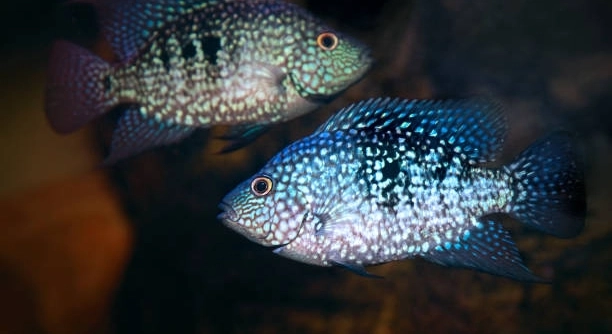
Jack Dempsey fish are popular for their vibrant colors and lively personalities in home aquariums. Their behaviors can be intriguing, often displaying habits that make them more than just beautiful additions to a tank.
Jack Dempsey fish do exhibit behaviors that resemble rearranging rocks. They often move substrate and stones to establish territories, create hiding spots, or prepare areas for breeding, showing both instinctual and environmental interactions within their habitat.
Observing their activities can reveal fascinating insights into their natural instincts and tank dynamics, offering a closer look at how they interact with their environment.
Creating a Suitable Tank Layout
Jack Dempsey fish thrive in tanks that mimic their natural environment. A mix of rocks, sand, and sturdy decorations helps them feel secure while allowing natural behaviors like digging and rearranging. Soft substrate is ideal for moving around, while heavier rocks provide stable hiding spots. Plants, either real or artificial, add cover and reduce stress, creating areas where they can retreat if feeling threatened. Open swimming space is equally important, as Jack Dempsey fish are active and need room to move. The placement of rocks and decorations should allow for both exploration and territorial boundaries. Observing their patterns can help adjust the layout to suit their preferences. Regular maintenance ensures the substrate and rocks remain safe and stable, preventing accidental injuries. Proper lighting and moderate water flow also contribute to their comfort. A well-planned tank layout minimizes aggressive behavior and encourages healthy activity.
A thoughtfully arranged tank supports both mental and physical health.
Watching how they interact with their environment reveals their preferences and natural instincts.
Adjusting decorations, substrate, and hiding areas gradually can reduce stress and prevent excessive digging. By observing the fish, owners can notice favored spots and modify the setup accordingly. Providing multiple hiding places reduces conflict among tankmates and helps maintain harmony. Soft sand or fine gravel allows natural digging without harming fins or scales. Rocks should be stable to prevent accidents, yet movable enough to let the fish engage in instinctive behaviors. Plants can be arranged to create shaded areas, while open spaces enable active swimming. Lighting that mimics day and night cycles encourages normal activity levels and supports overall health. Consistent water quality and temperature keep the fish comfortable, reducing erratic rearranging behavior. By thoughtfully managing the tank layout, owners can satisfy their fish’s instincts, minimize stress, and create a balanced, engaging environment for long-term care.
Encouraging Natural Behavior
Providing proper materials and hiding spots promotes healthy instincts and reduces stress.
Allowing Jack Dempsey fish to dig and move objects supports mental stimulation. Offering a variety of substrates, rocks, and plants gives them control over their environment. Observing which areas they prefer or frequently rearrange helps in arranging the tank more effectively. Regularly rotating decorations or changing layouts slightly can keep them engaged without causing disruption. Encouraging natural behaviors reduces boredom and supports physical fitness. Consistent care and monitoring ensure the rearranging remains safe and constructive.
Feeding and Its Impact on Behavior
Feeding routines can influence how Jack Dempsey fish interact with rocks and substrate. They may dig more after meals to explore or hunt for leftover food, making diet a factor in their rearranging habits.
Providing a balanced diet reduces stress and limits excessive digging. Offering sinking pellets or occasional live food encourages natural foraging without overfeeding. Uneaten food can prompt more substrate movement, so monitoring portions helps maintain order in the tank. Feeding at consistent times creates predictability, calming the fish and reducing frantic digging. Treats like bloodworms or brine shrimp can be given sparingly, adding variety while supporting natural hunting behaviors. Observing their response after feeding helps adjust diet and tank setup.
Over time, feeding patterns can shape territory use and rock arrangement. Jack Dempsey fish often dig near feeding areas, clearing spaces or moving smaller stones. Recognizing these habits allows owners to create zones where digging is acceptable, preventing disruption of planted or delicate areas. Adjusting feeding locations and substrate depth encourages natural behaviors while keeping the tank organized. Careful planning ensures both dietary needs and environmental enrichment are met.
Monitoring Tank Health
Regular water testing is essential to maintain safe conditions for Jack Dempsey fish. Poor water quality can increase stress and lead to more destructive rock-moving behavior.
Stable water parameters support natural activity and reduce unnecessary digging. Checking pH, temperature, ammonia, nitrites, and nitrates ensures a healthy environment. Frequent partial water changes remove waste and prevent harmful buildup. Proper filtration and aeration keep water clean and oxygenated. Observing fish for signs of illness or stress helps catch problems early. Healthy fish are more likely to engage in normal digging behavior without overdoing it.
A consistent maintenance routine encourages a balanced tank ecosystem. Removing debris from the substrate prevents obstructions that might trigger excessive rock movement. Trimming plants and repositioning decorations when necessary keeps hiding spots functional and safe. Filtration systems should be cleaned regularly to maintain efficiency. Monitoring water parameters allows adjustments before issues affect fish behavior. By addressing potential stressors, owners can ensure Jack Dempsey fish remain active but controlled in their digging. Over time, this supports both the fish’s instincts and the overall aesthetics of the tank, creating a healthier and more enjoyable habitat.
Signs of Excessive Digging
Excessive digging can indicate stress, boredom, or territorial disputes in Jack Dempsey fish. Observing the frequency and intensity of rock movement helps identify underlying issues before they escalate.
Not all digging is harmful, but constant rearranging may damage plants or disturb other tank inhabitants. Monitoring behavior ensures the tank remains safe and balanced.
Adjusting Tank Decor
Repositioning rocks and decorations can help manage digging behavior. Creating multiple hiding spots reduces conflict and gives the fish areas to claim.
Arranging soft substrate in preferred areas allows controlled digging while protecting sensitive plants. Rotating decorations occasionally keeps the environment engaging without causing disruption.
Social Dynamics
Jack Dempsey fish may dig more when sharing a tank with other fish. Territorial behavior often triggers rearranging to assert dominance or protect space.
Understanding their social interactions can guide tank design, spacing, and decoration placement to minimize stress and maintain harmony.
FAQ
Why do Jack Dempsey fish move rocks in their tank?
Jack Dempsey fish move rocks primarily to establish territory and feel secure. They often dig and rearrange substrate to create hiding spots or clear areas for breeding. This behavior is instinctive and helps them manage their environment, giving them a sense of control.
Is rock-moving behavior harmful to the tank?
Rock-moving is usually harmless if the tank is properly arranged. However, excessive digging can damage plants, shift decorations, or disturb other fish. Using heavier rocks for stability and soft substrate for digging helps minimize potential damage while allowing natural behavior.
How can I reduce excessive digging?
Providing plenty of hiding spots and stable decorations can reduce excessive digging. Arranging soft substrate in specific areas encourages controlled digging. Maintaining proper water quality, feeding routines, and monitoring social interactions also help reduce stress-related digging.
Do Jack Dempsey fish dig more during breeding?
Yes, digging increases during breeding. They often clear flat surfaces or create shallow pits for eggs. Both male and female fish may engage in rearranging rocks to prepare safe areas for spawning and protect eggs from disturbances.
Can tank size affect digging behavior?
Smaller tanks may increase territorial stress, causing more digging. Larger tanks with ample space and properly spaced decorations allow them to establish zones without frequent disruption, reducing excessive rock-moving behavior.
Should I change the substrate for Jack Dempsey fish?
Soft sand or fine gravel is ideal for these fish. It allows natural digging without harming fins or scales. Hard or sharp substrates can cause injury, so choosing a suitable material helps support instinctive behaviors safely.
How do social dynamics impact rock rearranging?
Jack Dempsey fish are territorial. Adding tankmates can trigger rearranging as they assert dominance or defend territory. Proper spacing, hiding spots, and careful selection of compatible fish reduce conflict and minimize disruptive digging.
Does feeding influence digging habits?
Feeding can increase digging as fish search for leftover food or create areas near feeding zones. Consistent feeding schedules and monitoring portions help control this behavior while still allowing natural foraging instincts.
Can decorations prevent destructive behavior?
Yes, stable decorations provide security and reduce stress. Rocks that are heavy enough to stay in place but still allow some movement give fish the freedom to interact naturally without causing chaos. Rotating or rearranging decorations occasionally can also keep them engaged.
How can I tell if digging is a problem?
Excessive digging that damages plants, uproots decorations, or causes conflict indicates an issue. Regular observation helps identify patterns, and adjusting the tank layout, substrate, or social environment can resolve most problems.
Are there signs that stress is causing digging?
Rapid, constant rearranging, aggression toward tankmates, or hiding for long periods can signal stress. Monitoring water quality, tank conditions, and social interactions is key to addressing these behaviors early.
Can Jack Dempsey fish coexist with other species safely?
Yes, with careful planning. Choosing compatible species and providing adequate space and hiding spots minimizes territorial disputes and excessive digging. Observing interactions and adjusting tank layout ensures peaceful coexistence.
Does lighting affect their activity levels?
Proper day-night lighting helps regulate activity. Overly bright or inconsistent lighting can stress fish, leading to more digging. A consistent light cycle encourages normal behavior and supports overall well-being.
Is rearranging rocks a sign of intelligence?
Yes, it demonstrates problem-solving, environmental awareness, and instinctive planning. The fish actively modify their surroundings to suit needs for territory, comfort, and breeding, showing cognitive engagement with their habitat.
How often should I monitor their digging behavior?
Daily observation is ideal. Noting patterns and changes helps identify stress, health issues, or social problems early. Adjusting tank setup or routines based on these observations ensures a safe and enriching environment for the fish.
Can I train or redirect digging behavior?
While you can’t stop natural instincts, providing designated digging areas, stable decorations, and enrichment objects can guide the behavior safely. Encouraging natural activity in controlled ways keeps fish active without harming the tank setup.
Do Jack Dempsey fish ever stop rearranging rocks?
They rarely stop completely, as it is instinctual. Over time, as territory and environmental needs are met, the frequency may decrease, but some digging will always occur as part of normal behavior.
What are the best tank decorations for digging fish?
Smooth rocks, driftwood, and soft substrate are ideal. Decorations should balance stability with opportunities for digging. Avoid sharp edges, unstable stacks, or fragile items that could break during rearranging.
How does water quality influence digging behavior?
Poor water quality increases stress, often leading to excessive digging. Maintaining proper pH, temperature, and low levels of ammonia, nitrites, and nitrates keeps fish healthy and reduces disruptive substrate movement.
Can rearranging rocks indicate health problems?
Sudden increases in digging, lethargy, or aggression may indicate health issues. Observing behavior alongside physical signs like discoloration or fin damage helps determine if a veterinary checkup is needed.
Is it normal for them to move plants as well as rocks?
Yes, they may uproot or move plants while digging. Using sturdy plants in pots or anchoring them in the substrate can minimize damage while allowing natural behaviors to continue.
Do males and females dig differently?
Males tend to dig more aggressively during breeding to claim territory and prepare egg-laying sites. Females may dig less frequently but still participate in clearing areas for spawning or foraging.
Can temperature changes affect digging?
Fluctuating or inappropriate temperatures can increase stress and activity, including more frequent digging. Keeping the water within recommended ranges for Jack Dempsey fish maintains normal behavior patterns.
How long does rearranging behavior last in a day?
It varies by fish, tank setup, and social conditions. Some fish may spend several hours rearranging, while others focus on short, repeated sessions. Observing patterns helps plan tank layout and enrichment.
Are there signs that digging is for entertainment or enrichment?
Gentle, repetitive digging without aggression often indicates engagement rather than stress. Providing designated digging areas allows fish to satisfy instincts safely while remaining mentally stimulated.
Can substrate type alone change digging frequency?
Yes, softer, movable substrates encourage natural digging, while harder substrates may limit movement. Choosing the right substrate balances instinctual behavior with tank safety and plant protection.
How should I respond if my fish damages decorations?
Rearrange items safely, replace fragile decorations, and ensure hiding spots and soft substrate are available. Adjusting layout and providing enrichment helps redirect behavior without restricting instincts.
Do Jack Dempsey fish rearrange rocks at night?
Some activity may occur at night, especially if tank lighting is low. They may move small stones or dig quietly, though most active rearranging typically happens during daylight cycles.
Is frequent rock rearranging a problem for breeding pairs?
It is natural and usually indicates readiness to spawn. Ensuring safe areas for eggs and sufficient hiding spots supports breeding without disrupting the rest of the tank.
Can rearranging rocks improve their health?
Yes, it provides physical activity and mental stimulation. Allowing them to dig and explore safely contributes to overall well-being, supporting natural instincts and reducing stress-related behaviors.
How do I balance plant protection with digging behavior?
Use sturdy, anchored plants or potted plants in substrate-heavy areas. Soft substrate around plants can absorb digging without uprooting or damaging vegetation.
What is the best way to observe digging without causing stress?
Watch quietly from a distance or through one side of the tank. Avoid sudden movements or tapping on glass, as this can trigger defensive digging or stress behaviors.
Can rearranging behavior be redirected to a specific tank area?
Yes, placing loose substrate and movable rocks in designated zones encourages controlled digging. This prevents disruption of planted or delicate areas while satisfying natural instincts.
Do juvenile Jack Dempsey fish dig as much as adults?
Juveniles dig less aggressively but still interact with substrate. As they grow, territorial instincts increase, leading to more noticeable rearranging behavior in adult fish.
Can tank shape affect digging behavior?
Elongated or irregularly shaped tanks allow better territorial distribution and reduce conflict. Providing space along with hiding spots limits excessive rock rearranging caused by territorial disputes.
Should I be concerned if only one fish digs constantly?
It may indicate territorial dominance, stress, or boredom. Observing interactions and adjusting tank layout, hiding spots, and enrichment can address this without restricting natural behavior.
Does seasonal change affect digging?
Temperature, light, or routine changes can slightly influence activity, including digging. Maintaining consistent conditions minimizes stress-related digging while supporting natural instincts.
Can Jack Dempsey fish coexist with non-digging species?
Yes, with careful selection. Non-territorial, robust fish can coexist if the tank provides space, hiding spots, and substrate zones for both types of behavior.
How often should I rearrange decorations for enrichment?
Small, gradual changes every few weeks keep fish engaged without causing stress. Sudden or large rearrangements may trigger defensive digging or aggression.
Do Jack Dempsey fish move rocks to create swimming paths?
Yes, they may clear areas to swim freely or establish territory boundaries. This behavior combines instinct, exploration, and environmental control.
Can substrate depth influence digging intensity?
Deeper, soft substrate encourages more digging, while shallow layers limit movement. Choosing the right depth balances natural behavior with tank safety and plant protection.
Is it normal for fish to flip small stones repeatedly?
Yes, flipping stones or moving small items is part of natural exploration and territory establishment. Providing suitable materials ensures safe engagement.
Do older fish dig less than younger adults?
Activity may decline slightly with age, but instinctive digging continues. Older fish may focus more on territory maintenance than frequent rearranging.
Can rearranging behavior signal mating readiness?
Yes, clearing surfaces or creating pits often indicates preparation for spawning. Observing these behaviors helps understand breeding cycles and territorial dynamics.
How do I prevent injuries during digging?
Use smooth, stable rocks and soft substrate. Avoid sharp edges, stacked unstable items, or fragile decorations that could fall during movement. Regular monitoring ensures safety.
Is rock-moving more common in single-species tanks?
Yes, territorial focus may increase. Providing adequate space, multiple hiding spots, and enrichment reduces overactive digging, even in single-species setups.
Do Jack Dempsey fish interact with decorations other than rocks?
Yes, they may explore plants, driftwood, or ornaments. They use these items for hiding, territory marking, or enrichment, but heavier objects should remain stable to prevent accidents.
Can rearranging behavior indicate boredom?
Occasionally, excessive or repetitive digging without environmental triggers may suggest boredom. Adding enrichment, hiding spots, or designated digging areas keeps fish engaged and reduces destructive behavior.
How can I safely introduce new rocks?
Rinse thoroughly, avoid sharp edges, and place them gradually in areas designated for digging. Observe how fish interact and adjust placement as needed.
Does water current affect digging?
Strong currents may discourage digging, while gentle or minimal flow allows natural movement of substrate. Adjusting filtration or positioning rocks can help balance activity levels.
Is it normal for fish to push rocks against tank glass?
Yes, pushing objects against glass is part of territory marking or exploration. Providing movable rocks elsewhere reduces repeated contact with the tank walls.
How can I track rock-moving patterns?
Observe and note which areas are most active, how frequently rocks are moved, and interactions with other fish. Patterns guide tank adjustments and enrichment planning.
Do Jack Dempsey fish rearrange rocks in groups?
Occasionally, multiple fish may move substrate or rocks near each other, especially during territory disputes or spawning. Proper spacing and hiding spots minimize conflicts.
Can rearranging behavior indicate aggression?
Yes, aggressive digging often coincides with chasing or territorial displays. Differentiating between playful or instinctive digging and aggressive behavior helps manage tank dynamics.
Does rearranging rocks help with physical exercise?
Yes, digging and moving objects provide activity that strengthens muscles, improves coordination, and stimulates mental engagement. It contributes to overall health.
Can substrate material change over time affect digging?
Yes, compacted or degraded substrate may reduce digging or cause frustration. Maintaining soft, clean substrate supports instinctual behavior and tank health.
How do I prevent damage to fragile decorations?
Anchor or use heavier items, provide movable zones for digging, and observe behavior regularly. This allows natural instincts without breaking delicate decorations.
Can Jack Dempsey fish rearrange rocks for comfort?
Yes, they often adjust substrate to create secure spots, shaded areas, or open spaces for swimming. This behavior reflects instinctive preferences for comfort and safety.
Is digging behavior affected by tank lighting intensity?
Bright lights may increase stress-related digging, while consistent, moderate lighting encourages normal activity. Adjusting lighting helps maintain healthy behavior patterns.
Do Jack Dempsey fish prefer certain rock types?
Smooth, rounded rocks are safer for movement and digging. Rough or sharp rocks may discourage interaction or cause injury, so selection impacts behavior and safety.
How long does it take for new fish to start rearranging rocks?
Typically within days to weeks as they establish territory. Observing interactions during this period helps prevent conflicts and informs tank layout adjustments.
Can rearranging rocks affect plant growth?
Yes, uprooted or shifted plants may struggle. Anchoring plants or providing designated digging zones protects vegetation while allowing natural behavior.
Does rearranging behavior indicate curiosity?
Yes, flipping stones and moving substrate shows exploration, environmental awareness, and instinctive interaction with their surroundings.
Are there seasonal changes in rock-moving activity?
Activity may fluctuate slightly with temperature or light changes, but regular care and stable conditions minimize seasonal impact.
Can rearranging rocks help reduce aggression?
Providing multiple digging zones and hiding spots can redirect energy and reduce territorial disputes, creating a calmer tank environment.
Do Jack Dempsey fish rearrange rocks differently in planted vs. bare tanks?
In planted tanks, they may focus digging around open spaces or substrate areas. Bare tanks often see more general substrate movement, as they create territory without obstruction.
Can rearranging behavior indicate readiness to spawn?
Yes, preparing flat surfaces or pits often signals spawning readiness, especially in males establishing territory. Observing these changes helps understand breeding cycles.
How often should I check on their rock-moving activity?
Daily observation helps detect stress, aggression, or health issues early. Consistent monitoring ensures a safe and enriched tank environment.
Does rearranging behavior vary by individual fish?
Yes, personality, age, and sex influence how often and intensely fish move rocks. Recognizing individual patterns helps in tank management.
Can rearranging behavior interfere with feeding?
Sometimes, especially if food falls into substrate. Monitoring feeding areas and providing designated digging zones helps minimize disruption.
Are there ways to enrich the tank without encouraging destructive digging?
Yes, using anchored decorations, floating plants, and designated digging zones allows stimulation while protecting sensitive areas.
Do Jack Dempsey fish rearrange rocks more at certain times of day?
Typically during active daylight hours. Most rearranging occurs when they feel alert and territorial, though minor activity can happen at night.
How can I balance digging behavior with tank aesthetics?
Providing designated zones for digging, using anchored decorations, and observing behavior allows natural instincts without disrupting visual appeal.
Does rearranging behavior continue throughout their lifespan?
Yes, though intensity may decrease with age. Instinctive digging and rock-moving behaviors persist as a normal part of their activity.
Can rearranging rocks indicate dominance in the tank?
Yes, more active digging and territory marking often signal dominance. Observing patterns helps manage social dynamics and prevent conflict.
How do I prevent fights over digging areas?
Provide multiple zones, hiding spots, and stable decorations. Careful selection of compatible fish and monitoring interactions reduces territorial disputes.
Is it safe to use decorative sand or pebbles?
Yes, if they are smooth and free of sharp edges. Avoid toxic or painted materials that can harm fish. Soft, safe substrate encourages natural digging.
Do Jack Dempsey fish ever dig for fun?
Yes, playful or exploratory digging is common. Providing safe areas and materials satisfies instincts and keeps them mentally stimulated.
Can rearranging behavior impact water clarity?
Yes, digging can stir up substrate, causing temporary cloudiness. Regular filtration and partial water changes maintain clarity while allowing natural activity.
Are there health benefits to controlled digging?
Yes, it provides exercise, mental stimulation, and reduces stress. Allowing safe digging supports overall physical and psychological well-being.
Does tank temperature influence digging patterns?
Stable, appropriate temperatures maintain normal behavior. Sudden fluctuations may trigger stress-induced digging or aggression.
Can rearranging behavior be a response to boredom?
Yes, in unstimulating tanks, fish may dig excessively. Adding enrichment and designated digging zones keeps them engaged and reduces destructive activity.
How do I encourage digging in a safe way?
Provide soft substrate, movable rocks, and designated areas for interaction. This satisfies instincts while minimizing damage to plants or decorations.
Does rock-moving behavior indicate intelligence?
Yes, it shows environmental awareness, problem-solving, and instinctive planning. They actively modify surroundings for comfort, territory, and breeding purposes.
Can rearranging rocks interfere with tank filtration?
Occasionally, loose substrate may clog filters. Using filter guards and careful substrate management prevents issues while supporting natural behavior.
How do I differentiate playful digging from aggressive digging?
Playful digging is gentle, repetitive, and without chasing others. Aggressive digging accompanies chasing, displays, or territorial defense. Observing context clarifies intent.
Is it normal for Jack Dempsey fish to rearrange rocks in pairs?
Yes, particularly during breeding or territorial displays. Providing ample space reduces conflicts and allows cooperative or competitive interactions safely.
Can rearranging behavior indicate curiosity about new decorations?
Yes, fish explore and move new items instinctively. Gradual introduction and observation ensure safe interaction without stress or injury.
Do Jack Dempsey fish rearrange rocks for comfort or temperature regulation?
Primarily for comfort and territory. Substrate and rock placement can create shaded or protected areas, indirectly supporting temperature regulation and safe resting spots.
Can rearranging behavior become obsessive?
If triggered by stress, poor water quality, or boredom, digging may become repetitive. Improving tank conditions and enrichment usually resolves obsessive behavior.
Are certain tankmates more likely to trigger digging?
Aggressive or territorial species can increase rearranging as Jack Dempsey fish defend territory. Careful selection and spacing reduce conflicts and excessive digging.
Does digging behavior vary by water depth?
Shallow tanks may limit substrate movement, while deeper tanks allow more extensive rearranging. Appropriate depth supports natural behavior without causing stress.
Can rearranging rocks affect breeding success?
Yes, preparing flat surfaces and pits improves
Jack Dempsey fish are naturally active and territorial, which explains why they often move rocks, dig in the substrate, and rearrange decorations in their tank. This behavior is instinctive, reflecting their need to establish safe zones, create hiding spots, and prepare areas for breeding. Observing these actions provides insight into their personalities and natural tendencies. They are not being destructive on purpose; rather, they are interacting with their environment in ways that satisfy instincts and help them feel secure. Understanding this behavior allows tank owners to provide appropriate conditions that support both the fish and the tank setup.
Creating a tank that accommodates their instincts is key to managing rock-moving behavior. Using soft substrate allows for safe digging, while heavier rocks and stable decorations prevent accidental damage. Providing multiple hiding spots and open swimming areas helps reduce territorial disputes and encourages natural behavior without harming plants or ornaments. Feeding routines also play a role in their activity levels, as fish may dig more around feeding areas. Maintaining water quality and monitoring social interactions ensures that excessive digging is not a result of stress, overcrowding, or incompatible tankmates. Paying attention to these factors allows owners to create a balanced environment that supports both physical and mental health.
While it is impossible to stop Jack Dempsey fish from moving rocks entirely, it is possible to guide the behavior in ways that are safe and controlled. Designating areas for digging, choosing appropriate substrate and decorations, and observing patterns of behavior all help maintain a visually appealing and functional tank. Their digging and rearranging are part of what makes them engaging and interactive pets, giving owners the chance to understand their instincts more closely. By providing the right environment, owners can ensure their fish remain healthy, active, and stimulated while minimizing potential damage to plants, decorations, or other fish. This approach supports long-term well-being for both the fish and the tank as a whole.

Hello,
If you enjoy the content that we create, please consider saying a "Thank You!" by leaving a tip.
Every little bit helps us continue crafting quality advice that supports the health, happiness, and well-being of pets around the world, for pets of all shapes, sizes, and species.
We really appreciate the kindness and support that you show us!