
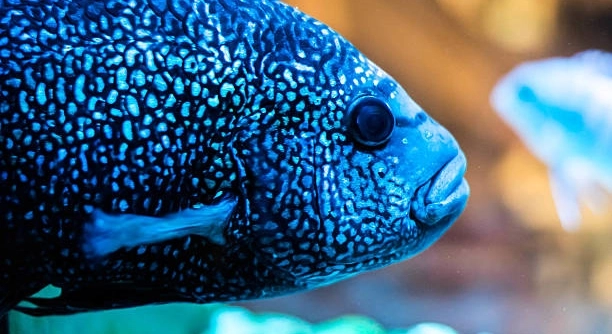
Jack Dempsey fish are known for their striking colors and lively personalities, making them a popular choice for aquarium enthusiasts. Observing their behavior closely can reveal subtle preferences that impact how they interact with their environment daily.
Research indicates that Jack Dempsey fish do show tendencies to favor certain tank items. Preferences often relate to hiding spots, substrate types, and decorations that mimic natural environments, providing comfort and security while reducing stress in captive conditions.
Recognizing these preferences helps create a more suitable tank, enhancing the fish’s well-being and encouraging natural behaviors. Proper selection of tank items can lead to a healthier, more active environment.
Understanding Jack Dempsey Fish Behavior
Jack Dempsey fish are naturally territorial and curious. They often explore their tanks thoroughly, inspecting decorations, plants, and substrate. Observing them over time reveals patterns in how they interact with different items. Some prefer hiding in caves or behind ornaments, while others spend more time near open spaces. Their behavior is influenced by tank size, water conditions, and the presence of other fish. Decorations that offer shelter or mimic natural hiding spots are usually more appealing. Plants, both live and artificial, provide security and reduce stress. Smooth rocks or driftwood often become favorite resting areas. Fish may also show repeated interest in specific areas, indicating comfort and preference. Understanding these behaviors can guide how you set up a tank, ensuring the fish feel secure and confident. Adjustments in layout and tank items can improve overall activity and reduce aggression. Observation is key to identifying these subtle choices and patterns.
Tank layout directly impacts comfort, activity, and stress levels for Jack Dempsey fish.
Preferences can shift over time as fish mature or as tank conditions change. Regular observation is necessary. Changes in decorations or plant placement may alter their favored spots, reflecting evolving comfort zones. Fish may adapt to new items gradually, and repeated interaction with certain areas signals strong preference. Careful monitoring ensures a balanced, engaging environment.
Selecting Tank Items for Comfort
Adding suitable tank items encourages natural behavior and reduces anxiety. Plants, rocks, caves, and driftwood provide hiding places and exploration zones. Each item should be placed with intention, considering size and spacing to allow swimming and territorial boundaries. Smooth surfaces are preferred to prevent injury, and stable decorations avoid sudden displacement. Live plants can improve water quality while offering cover. Decorations that replicate natural textures and shapes are usually favored. Open spaces should remain for swimming, feeding, and social interaction. Observing how fish use these areas helps determine which items are most appreciated and which may be ignored. A mix of shelter and open areas creates a dynamic environment where fish feel safe and active. Rotating or slightly repositioning decorations can stimulate curiosity without causing stress. Balance between aesthetics and function ensures the tank remains visually appealing while meeting the behavioral needs of Jack Dempsey fish.
Proper selection of tank items contributes to healthier, more engaged fish. By tailoring the environment to their preferences, stress is reduced and natural behaviors are encouraged. Understanding these interactions allows for a more fulfilling habitat, enhancing both the fish’s life and the aquarium’s overall balance. Observation remains essential, as preferences can change with age and environmental shifts. Adjustments over time ensure continued comfort.
Commonly Favored Tank Items
Jack Dempsey fish often prefer caves, rocks, and dense plant clusters. These items offer hiding spaces and security. Driftwood and smooth decorations are also popular. Open areas remain important for swimming and territorial displays. Choosing items with natural textures encourages exploration and reduces stress, keeping the fish active.
Live plants provide both shelter and natural water filtration. Fish frequently hide among leaves or near plant bases, using them to feel secure. Rocks and driftwood serve as resting areas and territorial markers. Caves and ornaments with enclosed spaces allow the fish to retreat when stressed. Alternating textures and heights keeps the tank stimulating, encouraging movement and curiosity while supporting natural behaviors.
Placement matters as much as type. Items should be arranged to allow clear swimming paths while maintaining hiding spots. Observing which areas the fish repeatedly visit helps identify favorites. Some items may be ignored, while others become consistent resting or exploration zones. Stability is important to prevent accidental displacement. Regularly checking fish behavior ensures the tank remains engaging and comfortable. Adjustments can be subtle, moving items slightly to maintain novelty without creating stress.
Observing Preferences Over Time
Preferences can change as Jack Dempsey fish grow and adapt. Monitoring behavior reveals shifts in favored hiding spots and exploration patterns. Tracking these changes helps maintain a suitable environment.
Regular observation shows how fish interact with different textures and structures. Juvenile fish may prefer smaller shelters, while adults choose larger caves or driftwood for security. Changes in tank conditions, such as lighting or water flow, can influence their choices. Fish may show curiosity by exploring new items, then gradually favoring those that feel safest. Noticing repeated interactions, resting areas, or territorial displays indicates comfort. Items that are consistently used become core components of their preferred setup, while ignored decorations may be rotated or removed. Keeping a flexible approach allows the tank to evolve with the fish’s needs, ensuring ongoing well-being.
Enhancing Tank Comfort
Adding soft substrate and smooth decorations reduces injury risk for Jack Dempsey fish. Rounded rocks, sand, and fine gravel provide comfort while swimming and resting. Avoid sharp or unstable items that could harm the fish or disrupt their territory.
Providing multiple hiding spots encourages confidence. Caves, driftwood, and dense plants allow the fish to retreat when stressed. Spacing these items properly maintains clear swimming paths while keeping the tank dynamic.
Using Plants Effectively
Live and artificial plants offer shelter and security. Tall plants create vertical cover, while low-growing species provide resting areas near the substrate. Placement should allow easy movement between plants and open spaces. Plants can also act as markers for territorial boundaries, helping reduce aggression among tank mates.
Monitoring Fish Interaction
Regular observation of interactions with tank items is crucial. Note repeated use of caves, plants, or resting areas. Items consistently ignored may be repositioned or removed. Adjusting placement based on behavior ensures the tank remains engaging, safe, and suitable for Jack Dempsey fish, promoting natural activity and reducing stress.
FAQ
Do Jack Dempsey fish prefer live plants over artificial ones?
Jack Dempsey fish respond positively to both live and artificial plants. Live plants offer added benefits like water filtration and oxygenation, while artificial plants are low-maintenance and provide consistent hiding spots. The fish usually choose items that create shelter or break up open areas, rather than focusing solely on whether plants are real or fake. A mix of both often works best, offering variety and stability.
How many hiding spots should I provide in a tank?
Providing multiple hiding spots is essential, especially in a tank with multiple fish. At least two to three hiding areas per fish are recommended. This ensures each fish can retreat when stressed or territorial behavior arises. Caves, driftwood, and dense plant clusters create a secure environment. Overcrowding hiding spots is unnecessary, but having options prevents conflict and promotes natural behavior.
Do Jack Dempsey fish have favorite types of decorations?
Yes, they tend to prefer decorations that mimic natural habitats. Smooth rocks, caves, driftwood, and dense plants are commonly favored. Rounded edges and stable placement reduce injury risk. Fish often gravitate toward decorations they can explore, rest near, or hide behind. Preferences can vary between individuals, so observing their interaction with each item helps identify favorites.
Can Jack Dempsey fish ignore some items completely?
It is common for fish to ignore certain decorations. Items that do not provide shelter, security, or stimulation may be left unused. Observing patterns over time helps determine which items are valued. Ignored decorations can be rotated, removed, or replaced with alternatives that better suit the fish’s preferences, keeping the tank engaging and safe.
Do tank items affect stress levels in Jack Dempsey fish?
Yes, the type and arrangement of tank items directly affect stress. Proper hiding spots reduce anxiety, while open spaces allow natural movement. Items that mimic natural environments, like caves and driftwood, offer security. Inadequate or poorly arranged items may increase aggression, restlessness, or hiding behavior. Monitoring behavior helps ensure comfort.
How often should I change tank decorations?
Frequent changes are unnecessary, but occasional adjustments can stimulate exploration. Rotating plants, moving rocks, or adding new hiding spots can maintain interest. Changes should be gradual to avoid stress. Observing how the fish interact with new placements ensures adjustments improve the environment without disrupting comfort zones.
Do Jack Dempsey fish show preferences for certain tank areas?
Yes, they often develop favorite zones, such as near caves, plant clusters, or open swimming paths. These areas may change with age, tank conditions, or social dynamics. Fish will repeatedly use zones that feel safe, comfortable, and aligned with their territorial instincts. Recognizing these areas helps optimize tank layout for well-being.
Can multiple Jack Dempsey fish share favorite items?
Multiple fish may share certain items, but territorial disputes can arise. Providing enough hiding spots and evenly distributing favored items prevents conflict. Observing behavior allows adjustment of placements to reduce aggression. Shared favorite areas should be monitored to ensure dominant fish do not monopolize resources.
Do Jack Dempsey fish interact differently with plants versus rocks?
Yes, they often use plants for hiding and rocks for resting or territorial displays. Plants offer vertical cover and a sense of safety, while rocks and driftwood serve as stable landmarks and observation points. Placement should balance both, creating zones for shelter, movement, and interaction.
How can I tell if my fish likes a specific decoration?
Repeated use is the clearest indicator. Fish may rest, hide, or patrol around the item consistently. Avoiding items or showing hesitation indicates low preference. Monitoring patterns over days or weeks helps identify favored decorations. Adjusting placement based on these observations enhances comfort and engagement in the tank.
Do preferences change as fish grow?
Yes, juvenile Jack Dempsey fish often favor smaller shelters, while adults choose larger caves or driftwood. Growth, maturity, and changing social dynamics influence which items they value most. Regular observation ensures the tank adapts to their evolving needs and maintains a secure, stimulating environment.
Are there items that should be avoided entirely?
Sharp-edged, unstable, or toxic items should be avoided. Anything that could injure the fish or disrupt their territory may increase stress or aggression. Safe, stable decorations with smooth surfaces and natural textures support healthy behavior and reduce risks. Prioritizing safety ensures the fish can interact with items confidently.
Can I encourage interaction with new tank items?
Yes, placing new items gradually and near familiar areas helps encourage exploration. Observing initial hesitation is normal. Fish will usually inspect new items cautiously before adopting them as preferred spaces. Strategic placement and patience support positive engagement without causing stress.
Do Jack Dempsey fish prefer solitary or clustered hiding spots?
Preferences vary. Some fish enjoy solitary spots for privacy, while others use clustered areas for safety. Providing a mix allows individuals to choose based on comfort or social dynamics. Ensuring sufficient space prevents overcrowding and supports natural behavior.
How important is observation for maintaining preferences?
Observation is critical. Monitoring how fish interact with tank items helps identify favorites, ignored areas, or signs of stress. Adjusting layout or decorations based on behavior ensures a comfortable and engaging environment. Continuous observation supports long-term health and encourages natural activity patterns in Jack Dempsey fish.
This FAQ covers common questions about tank item preferences, hiding spots, and behavior, providing practical guidance for creating a secure and stimulating environment.
Final Thoughts
Creating a comfortable and engaging tank for Jack Dempsey fish requires attention to their behavior and preferences. These fish are naturally curious, territorial, and sensitive to their environment. Providing a mix of hiding spots, open spaces, and decorations that mimic natural habitats is essential. Items like caves, driftwood, smooth rocks, and plants offer shelter, reduce stress, and encourage exploration. Observing how your fish interacts with these items helps determine which are truly favored. Preferences can vary between individuals, so it is important to provide variety and flexibility. Even small adjustments, such as repositioning a plant or moving a rock, can have a noticeable impact on their comfort and activity levels. Ensuring that tank items are safe, stable, and appropriately sized reduces the risk of injury and supports natural behavior.
Jack Dempsey fish often develop clear favorites over time. They may consistently rest near certain rocks, hide in specific caves, or explore particular plant clusters. These preferences are not static. Growth, social dynamics, and changes in tank conditions can all influence behavior and choice. Regular observation allows you to track these shifts and make necessary adjustments. Providing multiple hiding spots prevents conflict between fish, especially in tanks with more than one Jack Dempsey. A balanced layout, combining shelter with open swimming areas, helps the fish feel secure while still encouraging activity. Observing repeated interactions with decorations also highlights which items contribute most to their well-being. Ignored items can be rotated, removed, or replaced with alternatives that better meet their needs. Understanding these behaviors helps create a stable and stimulating environment for the fish.
Maintaining a tank that aligns with Jack Dempsey fish preferences benefits both their health and overall behavior. A well-planned setup encourages natural activity, reduces stress, and minimizes aggressive or restless behaviors. By tailoring the tank to their needs, fish become more confident and comfortable, interacting with their environment in ways that reflect natural instincts. Attention to detail, such as safe decoration choices, thoughtful spacing, and consideration of individual personalities, ensures a balanced habitat. Regular monitoring and willingness to make small changes support long-term success. Over time, the tank becomes a space where the fish thrive, showing vibrant colors, active exploration, and healthy interactions. Creating this type of environment requires patience and observation, but the result is a healthier, more engaging, and enjoyable experience for both the fish and the caretaker.

Hello,
If you enjoy the content that we create, please consider saying a "Thank You!" by leaving a tip.
Every little bit helps us continue crafting quality advice that supports the health, happiness, and well-being of pets around the world, for pets of all shapes, sizes, and species.
We really appreciate the kindness and support that you show us!