
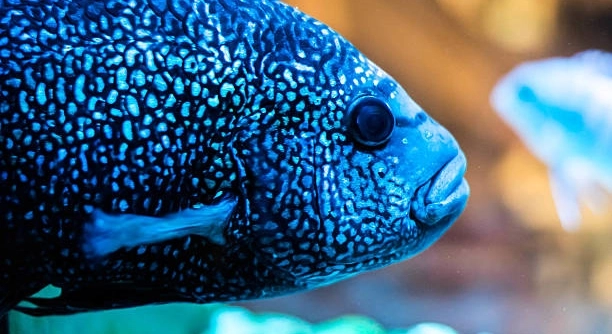
Jack Dempsey fish are known for their bold colors and lively personalities. Many hobbyists enjoy watching them swim, feed, and interact in their aquariums, making them a fascinating subject for observing behavior patterns and learning abilities.
Jack Dempsey fish are capable of learning simple routines through consistent repetition and positive reinforcement. Studies indicate that they can associate certain cues with feeding or environmental changes, demonstrating memory retention and adaptive behavior in controlled aquarium settings.
Understanding how these fish develop routines can improve tank management and enhance their well-being. Observing their behavior carefully offers insights into training and creating a stimulating environment for them.
How Jack Dempsey Fish Learn Routines
Jack Dempsey fish learn through repetition and consistent environmental cues. By offering food at the same time each day or using a specific signal, such as tapping the tank or moving a feeding tool, they begin to recognize patterns. Over time, these fish can anticipate feeding or changes in their tank environment. Observing them closely helps identify their responses and adjust the routine for better results. Learning is gradual and varies depending on the fish’s age, temperament, and overall health. Stress-free conditions enhance their ability to retain new behaviors. Providing hiding spots and maintaining water quality ensures they remain comfortable while learning. Positive reinforcement, like rewarding them with favorite foods, strengthens the association between the cue and the expected action. Over weeks, they can respond reliably to certain cues, demonstrating memory retention. This makes managing their daily care easier and more predictable.
Training consistency allows fish to learn faster and retain routines effectively, improving their daily interactions and comfort.
Establishing a routine benefits both the fish and the owner. When Jack Dempsey fish recognize feeding times or signals, tank maintenance becomes smoother. They are less stressed, more active, and easier to monitor for health issues. Consistency in their environment supports their natural behaviors, making them more confident swimmers. Tracking their responses can highlight preferences and unique traits, offering insight into their intelligence. Engaging them with simple routines also prevents boredom, which can lead to aggression or lethargy. Over time, these small efforts build a more harmonious aquarium setup. Observing subtle changes, such as increased movement during feeding cues or approaching the tank front, signals that the fish understand the pattern. The process is simple but requires patience and attention. Adjusting cues or rewards slightly can maintain their interest and ensure routines remain effective, creating a stable and healthy habitat for the fish.
Tips for Teaching Routines
Start with one consistent cue, such as a feeding tool or sound, to prevent confusion and help the fish associate it clearly with an action.
To teach a routine effectively, begin with short, repeated sessions. Use a single cue consistently and reward responses immediately. Avoid sudden changes in environment or feeding times, as this can disrupt learning. Observe how quickly each fish reacts, as individual variation affects the pace of learning. Gradually extend the routine, adding small steps only after the fish reliably responds to the first. Maintain calm, stress-free tank conditions, ensuring water quality and hiding spaces are optimal. Reinforcement through preferred foods strengthens the connection between the cue and the expected behavior. Track their progress and make minor adjustments when needed. Over weeks, their memory and response will improve, allowing more complex routines. Incorporating environmental enrichment, like rearranged decorations or gentle movement exercises, keeps the learning process engaging. Consistency, patience, and careful observation are key to successful routine training for Jack Dempsey fish.
Common Mistakes When Training Jack Dempsey Fish
Skipping cues or feeding at inconsistent times can confuse the fish and slow learning. Overhandling or sudden movements may stress them, making them less responsive to routines. Patience and consistency are essential for reliable results.
Providing inconsistent cues or changing feeding schedules often undermines the fish’s ability to form associations. If the tank environment is frequently altered, stress levels rise, reducing attention and memory retention. Using multiple cues at once can also lead to confusion, making the fish unsure which signal to follow. Maintaining stable water conditions, gentle handling, and clear, repeated signals ensures that learning progresses smoothly. Stress-free interactions allow the fish to engage with routines naturally, improving reliability and confidence.
Overfeeding as a reward can lead to health problems and reduced motivation to respond to cues. Balancing reinforcement with proper nutrition supports both learning and long-term well-being. Avoid excessive repetition without breaks, as fatigue reduces responsiveness. Tracking progress helps identify which methods are most effective, allowing small adjustments that strengthen routine retention. Each fish reacts differently, so observing and adapting to individual behavior ensures the training remains efficient. By combining consistency, proper reinforcement, and careful observation, routines can become part of their natural behavior without causing stress or health issues.
Environmental Factors Affecting Learning
Water quality, temperature, and tank setup significantly impact a fish’s ability to learn. Poor conditions or overcrowding reduce engagement with routines, while stable environments encourage responsiveness.
Jack Dempsey fish respond best in a tank with clear water, adequate space, and suitable hiding spots. Fluctuating temperatures, high ammonia levels, or overstocking can cause stress, decreasing focus and learning ability. Regular maintenance, including water changes and monitoring, supports their health and improves memory retention. Proper lighting and gentle currents also play a role, as extreme conditions may distract or overwhelm them. Ensuring a calm, consistent environment allows them to associate cues with actions more effectively. Environmental stability reinforces routine learning and encourages confident, natural behavior within the tank.
Tools to Help Train Jack Dempsey Fish
Using consistent feeding tools or visual cues makes training easier. Simple items like tongs, colored sticks, or specific feeding spots help fish associate actions with rewards.
Timers and automated feeders also reinforce routines. They ensure cues and feeding times remain predictable, helping fish learn faster and retain patterns over time.
The Role of Observation
Careful observation allows you to understand how each fish responds to cues. Noting movement, approach speed, and attention levels helps refine training methods. Recognizing subtle signs, such as fin movement or swimming patterns, indicates whether the fish is comfortable and engaged. Adjusting techniques based on these observations strengthens routine learning and ensures each fish develops at its own pace.
Reward Strategies
Using favorite foods immediately after a correct response strengthens the association. Small, consistent rewards are more effective than large, infrequent ones.
FAQ
Can Jack Dempsey fish recognize their owner?
Jack Dempsey fish can recognize the person who feeds them regularly. They respond to consistent presence and cues, often swimming to the front of the tank when their caretaker approaches. Recognition is linked to routine and repetition rather than complex social bonding.
How long does it take for them to learn a routine?
Learning speed varies with age, health, and temperament. Younger, healthier fish tend to respond faster. With consistent cues and reinforcement, simple routines such as feeding schedules or responding to a signal can be established within one to two weeks. Patience and observation are essential.
What is the best way to reward them?
Favorite foods work best as immediate reinforcement. Small portions prevent overfeeding and maintain motivation. Using a preferred treat right after the fish performs the desired behavior strengthens the connection between the cue and the action, making learning more effective.
Can they learn multiple routines at once?
Jack Dempsey fish can learn multiple routines, but introducing too many cues simultaneously may cause confusion. It is more effective to master one routine before adding another. Gradually increasing complexity helps the fish retain learned behaviors and respond reliably.
Do environmental changes affect their learning?
Yes, sudden changes in water quality, temperature, or tank setup can disrupt learning. Stability is crucial. A consistent, stress-free environment allows the fish to focus on cues and routines, improving memory retention and reducing anxiety-related behaviors.
How often should I practice routines with them?
Short, frequent sessions are more effective than long, irregular ones. A few minutes daily reinforces cues without causing stress. Repetition, combined with proper rewards, ensures routines become part of their natural behavior over time.
Is it normal for them to forget routines?
Occasionally, fish may seem to forget routines if cues are inconsistent or environmental stress occurs. Reinforcing the behavior regularly and keeping conditions stable helps maintain learned patterns and prevents regression.
Can they learn tricks beyond feeding routines?
Yes, Jack Dempsey fish can learn simple behaviors such as following a target, swimming through obstacles, or responding to taps on the tank. Success depends on patience, consistent cues, and appropriate reinforcement. Complex tricks should be introduced gradually.
What are signs that they are stressed during training?
Signs include hiding excessively, rapid gill movement, erratic swimming, or aggression. Stress can reduce learning ability. Adjusting the routine, reducing handling, and ensuring water quality and hiding spots are optimal helps the fish feel secure and more responsive.
Is it possible for all Jack Dempsey fish to learn routines?
Most healthy fish can learn basic routines, but individual differences in temperament affect speed and responsiveness. Some may take longer or respond less consistently. Tailoring methods to each fish and observing reactions improves overall success.
Can overfeeding interfere with training?
Overfeeding reduces motivation to respond to cues. Fish may become less active or ignore routines if they are full. Using small, targeted rewards preserves engagement while maintaining health, making training more effective and consistent.
How can I track their progress?
Keep notes on response times, approach behavior, and engagement with cues. Recording successes and adjustments allows gradual improvements. Observing patterns over time helps refine routines, ensuring learning is steady and tailored to each fish’s behavior.
Are visual cues more effective than tapping or sound?
Both visual and auditory cues can work, but visual cues like colored sticks or hand signals are often clearer for Jack Dempsey fish. Combining cues with rewards reinforces learning, but it is important to remain consistent with the chosen signal.
Can learning routines improve their overall health?
Yes, routines reduce stress, encourage activity, and prevent boredom. Fish that follow predictable patterns tend to eat better, remain more active, and display fewer aggressive or lethargic behaviors, supporting both mental and physical well-being.
What mistakes should I avoid during training?
Avoid inconsistent cues, sudden tank changes, overfeeding, and long, stressful sessions. Each mistake can confuse or stress the fish, slowing learning. Consistency, gentle handling, and short, repeated sessions maximize success and maintain a healthy, engaging environment.
How do I know when a routine is fully learned?
A routine is established when the fish responds reliably to a cue without hesitation. Responses should become predictable over several days. Maintaining reinforcement ensures the behavior remains consistent, and minor adjustments help keep the fish engaged without frustration.
Can older Jack Dempsey fish still learn new routines?
Yes, older fish can learn, though it may take longer. Memory retention may be slower, and patience is key. Consistent cues, stress-free conditions, and appropriate reinforcement allow older fish to adopt and retain new behaviors successfully.
Is it necessary to train them every day?
Daily practice is ideal but not strictly required. Consistent, frequent sessions accelerate learning, while occasional breaks prevent fatigue. Regular engagement reinforces routines and maintains responsiveness, keeping the fish active and comfortable in their environment.
Can learning routines reduce aggression?
Structured routines can reduce aggression by providing predictability. Fish that anticipate feeding or environmental changes are less likely to display territorial behavior. Combining routines with proper tank setup, adequate space, and hiding spots further decreases stress and conflict among tankmates.
What is the simplest routine to start with?
Feeding routines are easiest to introduce. Using consistent timing, location, and cues helps fish form associations quickly. Once they respond reliably, additional routines or behaviors can be gradually added without overwhelming them.
How important is patience in training?
Patience is essential. Learning occurs gradually, and forcing the fish can cause stress and setbacks. Observing subtle behaviors, adjusting cues gently, and reinforcing small successes ensures routines are learned effectively while maintaining well-being.
Do Jack Dempsey fish remember routines after a break?
They often retain learned behaviors even after short breaks, though response speed may decrease. Reinforcing the routine after a pause helps refresh memory, ensuring consistent performance without starting from scratch.
Are there limits to what they can learn?
Jack Dempsey fish are capable of simple associations and repeated behaviors. Complex tricks or abstract tasks are beyond their ability. Training should focus on predictable, achievable actions to maximize success and reduce frustration for both fish and caretaker.
Can tankmates interfere with learning?
Yes, aggressive or highly active tankmates may distract or stress them. Separate training areas or isolated sessions improve focus. Ensuring each fish has space and minimal disturbances enhances learning and reinforces positive behaviors.
How can I combine multiple rewards effectively?
Alternating small food treats with environmental enrichment, like rearranged decorations or gentle water currents, keeps routines engaging. Variety prevents boredom and maintains motivation while supporting overall mental stimulation.
Is it better to use one trainer or multiple?
Consistency is important. One person giving cues reduces confusion. If multiple people interact, they should use the same signals, timing, and reinforcement to avoid conflicting associations that could slow learning.
How long should training sessions last?
Short sessions of a few minutes work best. Extended periods can cause fatigue and stress, reducing attention. Frequent, brief sessions reinforce behavior without overwhelming the fish, promoting better retention and engagement.
Can learning routines improve observation skills for owners?
Yes, training encourages careful monitoring of behavior, health, and preferences. Observing subtle reactions strengthens the owner’s ability to detect early signs of stress, illness, or behavioral changes, improving overall care quality.
Do water parameters affect memory retention?
Stable water temperature, pH, and cleanliness support learning. Fluctuations increase stress and can impair memory. Maintaining optimal conditions ensures that learned behaviors are retained and reduces distractions that interfere with routine training.
Are some Jack Dempsey fish more trainable than others?
Yes, temperament, age, and prior experiences influence trainability. Calm, curious individuals often respond faster, while shy or aggressive fish may need more time and patience to adapt to cues. Adjusting methods for each fish increases success.
Can visual distractions hinder training?
Bright lights, excessive movement outside the tank, or reflective surfaces can reduce focus. Minimizing distractions during training sessions allows the fish to concentrate on cues and respond more reliably.
Is it beneficial to rotate rewards?
Yes, occasional variation in treats keeps the fish interested while maintaining motivation. However, sudden drastic changes may confuse them. Gradual variation alongside consistent cues balances engagement and learning.
How do I prevent boredom during routine training?
Incorporate small environmental changes, vary cue positions, and offer brief interactive sessions. Boredom reduces motivation, so combining learning with stimulation ensures the fish remains active and responsive over time.
Can water flow affect training?
Strong currents may stress or distract the fish. Gentle, stable flow is ideal for focus. Adjusting water movement during training sessions ensures the fish can concentrate on cues and respond accurately.
Is it necessary to use both visual and auditory cues?
Not always. Many Jack Dempsey fish respond better to visual cues, though some may also notice sounds. Choose one primary cue and remain consistent, adding secondary cues only if needed.
Can learned routines help with medical care?
Yes, fish that recognize feeding cues or respond to visual signals are easier to guide for observation, feeding medicated food, or temporarily isolating them for treatment. Training reduces stress during routine care.
How do I know if a routine is too complex?
If the fish consistently fails to respond or shows stress signs, the routine may be too advanced. Simplifying steps or breaking it into smaller actions improves learning outcomes and maintains engagement.
Can training influence social interactions among tankmates?
Predictable routines reduce competition and aggression during feeding. Fish that anticipate feeding or cues are less likely to compete excessively, promoting a calmer, more stable social environment.
Do Jack Dempsey fish need individual training sessions?
Individual sessions are ideal, especially in community tanks. This prevents distractions and ensures each fish receives consistent cues and reinforcement, improving routine retention and reducing stress.
How does age impact learning capacity?
Younger fish tend to learn faster, but older fish can still acquire simple routines. Patience and consistent reinforcement allow all ages to participate successfully, though response time may vary.
Can learning routines prevent destructive behaviors?
Yes, predictable routines reduce stress and boredom, which are common triggers for aggression, digging, or rearranging tank decorations. Engaged fish focus on cues instead of developing undesirable behaviors.
Is reinforcement always necessary after a routine is learned?
Periodic reinforcement helps maintain behavior. While constant rewards aren’t required once a routine is established, occasional positive reinforcement keeps the fish engaged and responsive over the long term.
How do I introduce a new routine without disrupting existing ones?
Add new behaviors gradually, ensuring the fish reliably responds to existing routines first. Introduce the new cue in short sessions with consistent rewards, minimizing confusion and maintaining learned patterns.
Can stress from tankmates affect memory retention?
Yes, aggressive or overly active tankmates increase stress, reducing attention and memory. Creating safe zones or separate training areas ensures the fish can focus on cues and retain learned behaviors effectively.
Are there signs that a fish enjoys training?
Engaged fish swim toward cues, react quickly, and appear active and alert. Relaxed body language and consistent responses indicate that the training process is comfortable and stimulating rather than stressful.
Does lighting affect learning?
Moderate, consistent lighting is best. Sudden changes or overly bright conditions can stress fish and reduce responsiveness. Stable lighting enhances cue recognition and maintains routine consistency.
How can I maintain routines while on vacation?
Automated feeders or a trusted caretaker maintaining consistent cues ensure routines continue. Brief breaks may occur, but maintaining environmental stability preserves learned behaviors and reduces stress during absence.
Can routines be adapted for different tank sizes?
Yes, the core principles remain the same. Larger tanks may require stronger visual cues or more precise feeding locations, while smaller tanks need careful spacing to avoid territorial disputes. Adaptation ensures all fish can learn effectively.
Are Jack Dempsey fish better at visual or food-based learning?
They respond well to both, but immediate food rewards tied to visual cues are most effective. Combining these methods reinforces learning while keeping engagement high and motivation consistent.
Can training routines improve overall tank harmony?
Yes, predictable feeding and behavioral cues reduce stress, aggression, and competition. Consistent routines create a calm environment, encouraging natural swimming patterns and healthier social interactions among tankmates.
How do I know if a training session is too stressful?
Signs include hiding, erratic swimming, or refusal to respond. Shortening sessions, reducing handling, and ensuring environmental comfort prevents stress and supports consistent learning.
Can multiple fish learn simultaneously?
Yes, but individual differences may require separate sessions. Observing each fish ensures that all respond appropriately and prevents dominant individuals from interfering with others’ learning.
Does water temperature affect memory retention?
Stable, optimal temperatures improve responsiveness and learning. Fluctuations increase stress and reduce the ability to retain routines, making consistent conditions essential for effective training.
Are there limits to how many routines they can remember?
Jack Dempsey fish can handle several simple routines, but too many simultaneous cues may overwhelm them. Introducing new behaviors gradually ensures retention without causing confusion or stress.
Can training help detect health issues early?
Yes, changes in response times or interest in cues can signal illness or stress. Monitoring these behaviors during routines allows for timely intervention and better care.
How do I prevent regression in learned routines?
Maintain consistent cues and occasional reinforcement. Avoid sudden environmental changes and ensure the fish remains motivated. Regular observation and gentle practice prevent loss of previously learned behaviors.
Does tank decor impact training effectiveness?
Yes, cluttered or heavily decorated tanks may distract fish. Clear sightlines and designated feeding areas improve focus, making cues easier to recognize and respond to reliably.
Can learning routines reduce aggression toward tankmates?
Yes, structured feeding times and predictable signals reduce competition and stress. Engaged fish are less likely to display territorial or aggressive behavior, fostering a calmer environment.
Are visual cues better than sound cues?
Generally, visual cues are clearer for Jack Dempsey fish. Hand signals, colored sticks, or objects work best. Sound cues can supplement but should remain consistent and simple to avoid confusion.
Do they respond better to short or long training sessions?
Short sessions of a few minutes are most effective. Long sessions may cause fatigue or stress, reducing responsiveness. Frequent, brief interactions maintain engagement and improve memory retention.
How often should routines be reinforced once learned?
Periodic reinforcement is beneficial. Occasional rewards keep the fish engaged and responsive, even after a routine is mastered, ensuring consistency without overfeeding or overtraining.
Can learned routines help with tank maintenance?
Yes, fish that follow predictable behaviors are easier to feed, observe, and guide for temporary isolation or care. Predictable routines reduce stress during maintenance activities.
Is individual temperament important for training success?
Yes, each fish’s personality affects learning speed and reliability. Calm, curious fish adapt faster, while shy or aggressive individuals may require more patience and tailored methods for successful routine learning.
Can they forget routines if stressed?
Yes, stress from tankmates, environmental changes, or poor water quality can reduce memory retention. Returning to calm, stable conditions and consistent reinforcement helps restore learned behaviors.
Are there ways to keep routines engaging long-term?
Varying cues, rotating rewards, and incorporating mild environmental enrichment prevents boredom. Keeping routines simple but stimulating ensures fish remain attentive and responsive over time.
How do I start training multiple fish without confusion?
Introduce routines individually, using separate cues if possible. Observe each fish’s response, then gradually combine sessions while monitoring for interference. Clear, consistent signals prevent confusion and ensure all fish learn effectively.
Can routine learning improve feeding efficiency?
Yes, fish that recognize feeding cues eat promptly and consistently, reducing waste and improving nutrition. Predictable patterns also allow better monitoring of individual intake and overall health.
Does age limit learning capacity?
Older fish can learn, though it may take longer. Patience and consistent reinforcement allow routines to be adopted successfully, even if response times are slower than younger fish.
Can visual distractions outside the tank interfere?
Yes, movement, reflections, or bright lights can reduce attention. Minimizing distractions during training sessions improves focus and ensures cues are recognized and acted upon reliably.
Is it better to train in the morning or evening?
Timing should be consistent with feeding schedules. Fish respond best when cues are predictable, regardless of the time of day. Matching training to their regular activity patterns maximizes responsiveness.
How do I handle fish that are slow to respond?
Be patient and break routines into smaller, achievable steps. Use consistent cues and gentle reinforcement, allowing the fish to build confidence and gradually improve responsiveness.
Can Jack Dempsey fish learn without food rewards?
Food is the most effective motivator, but some fish respond to environmental enrichment or visual cues. However, food-based rewards ensure faster learning and stronger associations with the cue.
How do I combine multiple training methods effectively?
Use one primary cue with a clear reward system. Supplement with secondary cues gradually, ensuring consistency. Observing responses allows adjustment, maintaining clarity and motivation without overwhelming the fish.
Are there signs that a routine is too easy?
Rapid, consistent responses with little hesitation indicate the fish has mastered the routine. Gradually increasing complexity or introducing mild variations keeps engagement high and learning ongoing.
Can they be trained to perform tricks for observation purposes?
Yes, simple behaviors like following a target or swimming through a designated path can be taught. Success depends on patience, consistent cues, and proper reinforcement tailored to each fish’s abilities.
Do they retain routines after changing tanks?
They may retain learned behaviors if the environment remains similar. Significant changes in layout, water conditions, or tankmates can disrupt memory, requiring reinforcement to restore the routine.
How do I balance multiple rewards without overfeeding?
Use small portions and combine food rewards with environmental enrichment. This maintains motivation while supporting health and preventing weight-related issues during routine training.
Can training improve their overall activity levels?
Yes, predictable cues and engaging routines encourage movement and exploration, reducing lethargy and promoting healthier swimming patterns and natural behaviors within the tank.
Does learning routines reduce aggression during feeding?
Yes, predictable cues minimize competition and stress. Fish that anticipate feeding are calmer, focusing on cues rather than competing with tankmates, creating a more stable and peaceful environment.
How do I know if a routine is too stressful for multiple fish?
Signs include hiding, erratic swimming, or avoidance of cues. Adjusting the pace, using individual sessions, and ensuring stable environmental conditions reduces stress and supports successful learning.
Are some routines better suited for group training?
Feeding cues and simple collective behaviors work well. More complex routines may require individual sessions to ensure clarity and avoid interference from dominant or shy fish.
Can water movement interfere with learning?
Strong currents may distract or stress fish. Gentle, consistent water flow ensures they can focus on cues and respond accurately, supporting better memory retention and engagement.
Is visual consistency important for cues?
Yes, using the same colors, shapes, or objects for cues
Final Thoughts
Training Jack Dempsey fish to follow routines is possible with patience, consistency, and observation. These fish respond best to repeated cues paired with positive reinforcement, usually in the form of favorite foods. Establishing a routine takes time, and each fish will learn at its own pace depending on age, temperament, and health. Some fish may pick up behaviors quickly, while others require several weeks of practice. It is important to keep sessions short and consistent, allowing the fish to focus and retain the information without becoming stressed or fatigued.
Environmental stability plays a major role in routine learning. Clear water, proper temperature, adequate space, and hiding spots make fish feel secure and more receptive to cues. Sudden changes in water quality, tank setup, or lighting can disrupt learning and increase stress, making them less responsive. A calm and predictable environment supports memory retention and encourages natural behavior. Over time, the fish begin to recognize specific signals or feeding times and respond reliably. Observing their reactions carefully allows you to adjust cues and reinforcement methods to match their learning style. Even small adjustments in timing, cue consistency, or rewards can make a noticeable difference in how effectively a routine is learned.
Consistency and patience are the keys to success in training Jack Dempsey fish. Reinforcement should be immediate, small, and frequent to maintain motivation. Avoid overfeeding or overwhelming the fish with complex routines too quickly. Gradually building routines step by step ensures that the fish retain learned behaviors without confusion. Training also provides benefits beyond learning; it reduces stress, prevents boredom, encourages activity, and can improve overall tank harmony. Each successful routine strengthens the bond between the fish and their caretaker in a practical sense, making daily care easier and more predictable. With careful observation, consistent practice, and a stable environment, Jack Dempsey fish can reliably learn simple routines and respond to cues, enriching their daily life and supporting their well-being.

Hello,
If you enjoy the content that we create, please consider saying a "Thank You!" by leaving a tip.
Every little bit helps us continue crafting quality advice that supports the health, happiness, and well-being of pets around the world, for pets of all shapes, sizes, and species.
We really appreciate the kindness and support that you show us!