
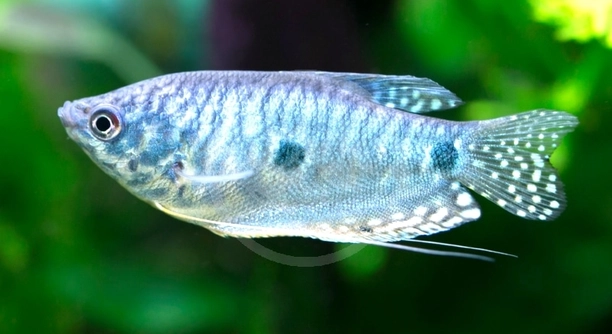
Is your gourami acting a little different lately, swimming less or staying hidden more than usual when it used to be active?
Gouramis are social fish by nature, and when kept alone or in a sparse tank, they may show signs of loneliness through changes in behavior, appetite, or energy levels.
Understanding these signs can help you create a healthier, more comfortable environment for your fish and strengthen your bond with your aquatic friend.
Your Gourami Hides More Than Usual
When a gourami misses company, it might spend a lot of time hiding behind plants, decorations, or in the corners of the tank. This behavior can be easy to overlook, especially if your tank has lots of coverage. However, consistent hiding may signal emotional stress or loneliness. In the wild, gouramis are used to being around other fish and having regular interaction. When kept alone or in a quiet tank, they can become withdrawn. Lack of movement or interaction can also lead to health problems over time. It’s important to watch for these small shifts in behavior. A healthy gourami should be curious and active, swimming freely throughout the tank. When that stops happening, the environment might need adjusting. Adding more visual stimulation, gentle tank mates, or simply spending more time near the tank can help improve its behavior and mood.
A lonely gourami often retreats from its environment, showing less interest in daily activity and surroundings.
Creating an enriched space with plants, hiding spots, and the right lighting can reduce this behavior. If hiding continues, consider adding compatible fish to the tank. Some gouramis thrive when they can watch and interact with others. It makes the space feel more natural and active for them.
Loss of Appetite and Energy
When a gourami feels isolated, one of the first things you might notice is that it stops showing excitement during feeding time.
Skipping meals or eating less can lead to long-term health issues if not addressed. A lonely gourami may seem slow or uninterested in its food, especially if it used to swim up quickly at feeding time. Social stimulation plays a role in eating habits—when a fish feels comfortable and supported, it tends to have a healthy appetite. If your gourami is missing company, the stress can lower its energy levels too. You might notice it moving sluggishly or resting more often at the bottom of the tank. These changes can happen gradually, making it important to monitor their routine. Keep track of how much they eat and how often they explore the tank. Offering live or varied food might help re-engage them temporarily, but the core issue may still be emotional. A solitary tank can feel uninviting, especially for species that thrive on activity.
Constant Glass Surfing
Glass surfing is when your gourami repeatedly swims up and down along the tank walls. It’s a clear sign of restlessness or stress. This behavior often appears when the fish feels bored or lacks stimulation from its surroundings.
A gourami that misses company may develop this habit as a way to release energy or seek interaction. It can happen more often when the tank is too quiet or lacks movement. In a more natural setting, gouramis are curious and explore their space actively. When alone, they may try to interact with their reflection or hope for attention from outside the tank. Adding peaceful tank mates or placing the aquarium in a lively part of the home might reduce this behavior. It’s also helpful to provide floating plants and gentle currents to mimic their natural environment and encourage more grounded swimming patterns.
If your gourami is constantly swimming along the glass, it may not feel settled in its environment. This repetitive behavior is not just physical; it’s emotional, too. It can be your fish’s way of coping with loneliness or lack of stimulation. Without social or visual interaction, the tank may feel too empty, pushing the fish to act out in unusual ways.
Aggression Toward Tank Decor
Sometimes a lonely gourami will start attacking objects in the tank, like plants or decorations. It might nip at leaves, push items around, or act territorial even if it’s the only fish. This can be a sign of pent-up energy and emotional imbalance.
Gouramis can become frustrated when they don’t have other fish to watch or engage with. In place of social interaction, they may start interacting forcefully with objects in the tank. This isn’t just boredom—it can reflect emotional discomfort. While not all aggression means loneliness, when combined with other signs like glass surfing or hiding, it can point to a lack of company. Giving your gourami some mental stimulation, such as rearranging the tank or adding floating toys, can help. Still, a more lasting solution might be introducing a few compatible tank mates that won’t stress or overcrowd the fish.
Lack of Bubble Nest Building
Male gouramis often build bubble nests when they feel secure and content in their tank. If your gourami used to build them but suddenly stops, it could mean it’s feeling unsettled or emotionally flat. This change is often linked to loneliness or lack of stimulation.
Without another fish nearby, your gourami may not feel the need to display natural behaviors like nest building. This can be a sign that it’s not feeling its best. Restoring some activity or adding peaceful tank mates may help bring this behavior back.
Less Interest in Movement
A gourami that misses company might slow down noticeably. It may stay still for long periods, showing little interest in swimming or exploring the tank. This reduced movement is a physical sign of low stimulation or mild depression. Fish need interaction, even just visual, to stay mentally active.
Color Becomes Dull
Gouramis show brighter colors when they’re happy and healthy. A lonely or stressed gourami may appear faded or dull over time.
FAQ
Can gouramis live alone?
Yes, gouramis can live alone, but that doesn’t always mean they should. Some species are more independent, while others do better with visual or social interaction. Dwarf and pearl gouramis, for example, tend to be more social and often thrive when housed near peaceful tank mates. A single gourami in a quiet, unstimulating tank may show signs of stress, boredom, or loneliness. While they don’t need constant interaction like schooling fish, they do benefit from a more dynamic environment that includes movement, visual engagement, and occasional interaction. If your gourami seems inactive or sad, being alone may be part of the issue.
How do I know if my gourami is bored or lonely?
Look for behaviors like constant glass surfing, hiding, lack of appetite, or sudden aggression toward decor. These are common signs that a gourami is not feeling emotionally balanced. Another clue is a lack of bubble nest building in males. Gouramis are naturally curious and expressive, so when they stop responding to their environment or seem sluggish, it’s worth considering whether they’re feeling isolated. Watching for changes in movement, color, and feeding habits can help you figure out if boredom or loneliness is affecting their behavior. Small shifts often mean a lot in fish behavior.
Will adding another gourami help?
It depends on the species, gender, and tank size. Some gouramis are territorial, especially males, and may become aggressive if paired with another of the same type. Others do better in small groups, as long as the tank is large enough and provides hiding spots. Introducing a second gourami should be done carefully, with quarantine first, and observation for signs of stress or fighting. In many cases, it’s safer to add peaceful, non-aggressive tank mates from different species instead. This way, your gourami gets company and stimulation without the risk of territorial fights.
Can I add tank mates without stressing my gourami?
Yes, but choose carefully. Look for peaceful, slow-moving fish that won’t nip fins or compete aggressively for food. Good options might include small tetras, rasboras, or cory catfish. Avoid fin-nippers or highly active swimmers, as they can overwhelm your gourami. Always introduce new fish gradually and monitor closely. A heavily planted tank or one with lots of hiding spots will help reduce stress for all fish involved. It also gives your gourami the chance to retreat if it needs space. Adding tank mates slowly can improve your gourami’s mood without creating new problems.
What if I don’t want to add other fish?
There are still ways to help. Rearranging tank decor can make the space feel new and interesting. Floating plants, mirror toys, or occasional changes in lighting can stimulate your gourami without needing more fish. You can also vary their diet with live or frozen food to add interest during feeding. Spending more time near the tank or creating visual activity outside the glass can help, too. Your gourami may not understand company the way we do, but it responds to movement, sounds, and interaction. Even small changes can brighten its day and reduce loneliness.
How big should the tank be for a social gourami?
A minimum of 20 gallons is recommended for a single gourami, but if you plan to add tank mates, aim for 30 gallons or more. The more space, the better. Gouramis like having room to swim freely and hide when needed. A larger tank also helps reduce aggression, as it gives each fish its own area. Plants, rocks, and decorations create visual barriers and help mimic a natural habitat. Bigger tanks with more structure allow your gourami to feel secure while still having opportunities to observe or interact with other fish around them.
Can stress from loneliness make my gourami sick?
Yes. Emotional stress can weaken a fish’s immune system, making it more prone to disease. If your gourami is constantly anxious, not eating well, or showing dull coloration, its overall health could decline. Stress can lead to infections, digestive issues, and even shorten its lifespan. By watching for early signs of emotional stress and addressing them—whether through stimulation, tank mates, or enrichment—you can help your gourami stay healthier and more active over time. A happy fish is a strong fish, and emotional care plays a big part in that balance.
Final Thoughts
Taking care of a gourami goes beyond feeding it and keeping the water clean. These fish have emotional needs, too. When they miss company, it can show in small but important ways—like hiding more, eating less, or acting out. Some of these signs can be easy to miss if you’re not sure what to look for. Paying attention to these behaviors helps you understand when something isn’t right. A gourami that once seemed active and curious may suddenly become still or uninterested in its surroundings. These are not just random changes. They can be signs that your fish is feeling lonely or bored.
You don’t always need to add more fish to solve the problem, though that can help in many cases. Some gouramis enjoy being around other peaceful fish, while others just need more activity in their space. Rearranging decorations, offering a variety of food, or simply spending time near the tank can make a difference. Tank size, lighting, and structure also matter. A tank that looks beautiful to us might not feel good to a fish if it’s too empty or quiet. By creating an environment that offers both comfort and stimulation, you help your gourami feel safer and more engaged with its surroundings.
Being a good fish keeper means understanding both the physical and emotional needs of your pet. Loneliness in gouramis is often overlooked, but it can have a real impact on their health and happiness. The signs may seem small at first, but they matter. Watching closely, adjusting the tank setup, or making small changes in daily care can lead to big improvements. It’s not always about doing more—it’s about doing what’s right for your fish. Each gourami is different, so learning what works best for yours takes time and patience. With the right care and attention, your gourami can live a peaceful and fulfilling life in your tank.

Hello,
If you enjoy the content that we create, please consider saying a "Thank You!" by leaving a tip.
Every little bit helps us continue crafting quality advice that supports the health, happiness, and well-being of pets around the world, for pets of all shapes, sizes, and species.
We really appreciate the kindness and support that you show us!