
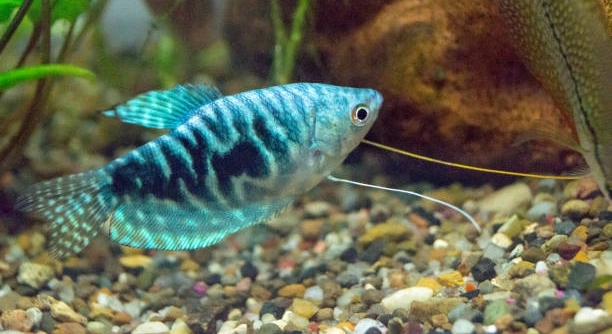
Have you ever set up a tank for your gourami but felt unsure about whether the shape of the aquarium really matters?
Gourami generally prefer wide tanks over tall ones, as this gives them more horizontal space to swim and explore. Their natural behavior involves surface breathing and side-to-side movement, which wider tanks accommodate more effectively.
Tank shape plays a role in how comfortable and active your gourami will be in their environment.
Why Tank Shape Matters for Gourami
Gourami are labyrinth fish, which means they breathe air from the surface. Because of this, the shape of their tank influences how easily they can reach the top to breathe. A wide tank gives them more surface area to swim across and reach oxygen easily, while a tall tank limits their space and can lead to stress. In the wild, gourami swim in calm, shallow waters. Mimicking this natural setup by choosing a horizontally spacious tank supports their comfort and movement. When kept in taller tanks, they may become less active or have difficulty accessing food and oxygen. A wide tank also allows for better planting, which gourami enjoy for hiding and exploring. These factors all contribute to their health and general well-being. While depth is sometimes considered for aesthetic reasons, it’s best to prioritize the needs of the fish. A wide tank helps create a more suitable and low-stress environment.
Wide tanks support natural behavior and help gourami feel safer in their space.
Gourami enjoy slow-moving water and rely on horizontal swimming. A long tank allows for easier navigation and helps distribute oxygen and heat more evenly. This promotes a healthier and more balanced tank setup that benefits the entire aquarium.
Setting Up the Right Tank Environment
Tank decorations and plants should be placed in a way that doesn’t restrict surface access.
A good setup includes a wide tank with floating plants and gentle filtration. Floating plants offer security while still letting light through and keeping the surface open for breathing. Live plants along the bottom and sides give gourami places to hide and feel safe. Avoid strong currents, as they prefer calm water. Use sponge filters or adjustable flow filters to reduce water movement. Include broad-leaf plants or driftwood to break up lines of sight, which helps reduce territorial behavior, especially in male gourami. Stick to soft lighting and include shaded areas for a more natural feel. Monitor temperature and water quality closely—gourami thrive in stable, warm environments. A well-thought-out tank layout that takes into account space, light, water flow, and cover helps reduce stress. This not only supports physical health but also encourages more natural and relaxed behavior.
Choosing the Right Tank Size
A single gourami should have at least 20 gallons of space, with an extra 10 gallons for each additional fish. This helps prevent overcrowding and makes it easier to manage aggression, especially between males or when mixing species.
A proper tank size reduces stress and supports stable water conditions. Smaller tanks can lead to fast waste buildup and unstable parameters, which harm your gourami’s health. A wider tank gives them the space they need for side-to-side swimming, which helps them stay active and alert. When space is limited, dominant gourami may bully others, leading to injuries or isolation. Providing a larger tank reduces these risks and allows for better plant placement and hiding spots. Consider the full size of adult gourami before buying a tank—many grow bigger than expected. Making this choice early on saves time, money, and effort later when upgrades become necessary.
Multiple gourami need more space to swim freely without running into each other constantly. A long, wide tank with room for plants, decorations, and open areas supports peaceful behavior and helps maintain water quality. It also gives each fish space to claim a territory, which reduces tension and encourages natural interactions.
Common Mistakes to Avoid
Using tall, narrow tanks for gourami can limit surface access, which is important for their breathing. Overcrowding and strong water currents are also common mistakes that stress these fish.
Some tanks look good but don’t meet gourami needs. Tall tanks may hold the right number of gallons, but their shape makes it harder for gourami to reach the surface. This becomes more stressful as they grow or if the water level drops. Avoid overdecorating with tall plants or vertical structures that block swimming space or surface access. Strong filters may also create currents that push gourami around, making them hide or rest too much. Always check the flow rate and adjust it if your fish seem to struggle. Don’t forget to factor in adult size when planning how many to keep. Young gourami may seem fine in small groups, but as they grow, space and compatibility become more important.
Filtration and Water Flow
Gourami prefer calm water, so avoid filters that create strong currents. Use sponge filters or models with adjustable flow settings to keep the environment gentle and stress-free.
Fast-moving water can make gourami hide or struggle to swim. A smooth flow supports relaxed behavior and easier surface breathing.
Ideal Tank Mates
Choose peaceful fish that won’t nip at fins or compete for surface space. Good options include corydoras, small rasboras, and peaceful tetras. Avoid aggressive species or fast swimmers that may stress or harass your gourami.
Lighting and Plant Cover
Soft lighting with floating plants creates a comfortable and natural tank setup. This gives gourami cover while still allowing access to the surface.
FAQ
Do gourami need tall tanks to swim vertically?
Gourami do not need tall tanks because they mainly swim horizontally. Their natural movement involves gliding near the surface and side to side. A wide tank allows more room for this type of swimming and makes it easier for them to reach the surface to breathe. Tall tanks limit horizontal swimming space, which can lead to less activity and stress.
Can gourami live comfortably in a small tank?
Small tanks can cause problems for gourami due to limited space and unstable water conditions. These fish require room to swim and explore, as well as a stable environment with good oxygen levels. A minimum of 20 gallons for a single gourami is recommended to support their health and behavior. Small tanks also make it harder to control water quality, which can harm your fish.
What tank decorations are best for gourami?
Gourami thrive in tanks with floating plants, broad-leaf plants, and driftwood. Floating plants help provide cover and keep the surface area open for breathing. Plants and decorations also give gourami hiding spots and help reduce stress. Avoid tall or dense decorations that block swimming paths or access to the surface. Keep the tank layout simple and spacious.
How important is water flow in a gourami tank?
Water flow should be gentle in a gourami tank. Strong currents can make these fish stressed and force them to expend extra energy swimming against the flow. Using sponge filters or filters with adjustable flow settings helps maintain calm water. Calm water allows gourami to swim naturally and easily reach the surface for air.
Are gourami aggressive towards other fish?
Gourami can be territorial, especially males, but they are generally peaceful with compatible tank mates. Providing enough space and hiding spots helps reduce aggression. Avoid mixing gourami with aggressive or very active fish, as this can cause stress or injury. Choose calm, peaceful species that stay in different parts of the tank.
What is the ideal temperature for gourami tanks?
Gourami do best in warm water, between 75°F and 82°F (24°C to 28°C). Keeping the temperature stable within this range supports their metabolism and immune system. Sudden changes or cold water can weaken gourami and increase the risk of disease. Use a reliable heater and thermometer to maintain consistent warmth.
How often should I clean a gourami tank?
Regular water changes of about 20-30% every one to two weeks are ideal for maintaining water quality. Cleaning the tank and filter regularly helps remove waste and prevents toxins from building up. Avoid deep cleaning all at once, as it can stress the fish. Maintaining stable conditions is more important than frequent, intense cleaning.
Can gourami live with other gourami?
Yes, gourami can live with other gourami, but tank size and fish temperament matter. Males may fight if the tank is too small or lacks hiding spots. Keeping one male with several females or multiple females reduces conflict. Provide ample space and decorations to help each fish claim its territory.
What signs show that a gourami is stressed?
Stressed gourami may hide frequently, lose appetite, or show faded colors. They might also breathe rapidly or stay near the surface excessively. Aggression or lethargy can be signs of discomfort. Poor tank conditions, overcrowding, or strong currents often cause stress. Regularly checking water quality and behavior helps prevent problems.
Is tank size more important than tank shape for gourami?
Both tank size and shape are important, but size has a bigger impact on water quality and space. A wide tank shape supports natural swimming and surface access. However, an adequately sized tank ensures stable water conditions and room for multiple fish. Combining the right size with a wide layout creates the best environment.
Final Thoughts
Choosing the right tank for gourami is essential for their health and well-being. These fish prefer tanks that provide enough space to swim freely and reach the surface easily. A wide tank is usually better than a tall one because gourami swim mainly side to side rather than up and down. The right tank size helps maintain stable water conditions, reduces stress, and supports natural behavior. Proper planning before setting up the tank can save trouble later and help your gourami live a longer, healthier life.
Tank setup also plays a crucial role. Using gentle filtration and soft lighting creates a calm environment that suits gourami well. Adding floating plants and open swimming areas offers shelter without blocking surface access. Avoid strong water currents that make swimming difficult. Keeping compatible tank mates and managing aggression with enough space reduces conflicts. Regular maintenance, including partial water changes and checking water parameters, keeps the tank clean and comfortable for your fish. Attention to these details ensures gourami thrive and display their natural colors and behaviors.
Ultimately, caring for gourami involves understanding their needs and adapting the tank to fit them. Each gourami species may have slight differences, but most benefit from similar conditions that prioritize horizontal swimming space and calm water. Meeting these requirements helps prevent common health and behavior problems. Whether you are a new or experienced aquarist, focusing on tank shape, size, filtration, and decoration will create an environment where gourami can flourish. Investing time and effort into these aspects will result in a more rewarding and enjoyable experience keeping these peaceful, attractive fish.

Hello,
If you enjoy the content that we create, please consider saying a "Thank You!" by leaving a tip.
Every little bit helps us continue crafting quality advice that supports the health, happiness, and well-being of pets around the world, for pets of all shapes, sizes, and species.
We really appreciate the kindness and support that you show us!