
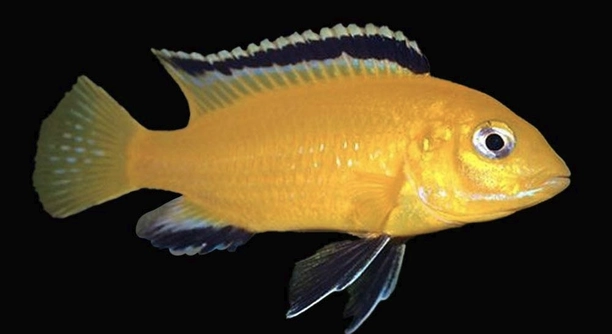
Keeping electric yellow cichlids can be rewarding, but many beginners make simple mistakes that affect their health. These vibrant fish need careful attention to water quality, tank setup, and feeding habits to thrive.
Avoiding overfeeding, improper tank mates, poor water conditions, and inadequate hiding spaces is crucial for maintaining healthy electric yellow cichlids. Each mistake can cause stress, illness, and stunted growth, so preventing these issues ensures a stable and balanced aquarium environment.
Learning the common pitfalls will help you provide the best care for your fish. Simple changes in routine can make a big difference in their well-being.
Overfeeding Your Electric Yellow Cichlids
Overfeeding is a common mistake when keeping electric yellow cichlids. These fish have small stomachs, and too much food can lead to bloating, poor water quality, and even disease. Many people think giving more food will make the fish grow faster or appear more vibrant, but it often causes more harm than good. Fish may leave uneaten food at the bottom of the tank, which decomposes and increases ammonia and nitrate levels. High ammonia and nitrate levels can irritate gills, reduce oxygen, and stress your fish. Stress weakens their immune system, making them more prone to infections. It is better to feed small portions multiple times a day or follow a strict feeding schedule that matches their natural appetite. Watching your fish closely after feeding helps determine if you need to adjust the amount. Proper feeding practices will not only keep water cleaner but also support healthy growth and natural behavior.
Feeding small amounts two to three times daily prevents waste buildup and keeps electric yellow cichlids healthy and active.
Overfeeding may seem harmless, but its impact grows quickly. Excess food can cloud water, cause algae blooms, and disrupt the natural balance in the tank. Maintaining a clean environment and controlled feeding ensures your fish remain energetic and display their full colors. Regular monitoring of their behavior and tank cleanliness makes a noticeable difference in long-term health. Consistency in feeding also helps prevent aggression among cichlids, as food fights are less likely when portions are adequate. Proper feeding supports digestion and reduces the risk of swim bladder issues. By adjusting portions gradually, you can see how each fish responds and tailor feeding to their needs. This attention to detail shows in their overall appearance and activity levels, creating a healthier, more stable aquarium that requires less maintenance over time.
Choosing Incompatible Tank Mates
Introducing the wrong fish into a tank with electric yellow cichlids can cause stress, aggression, and even injury. These cichlids are territorial, and incompatible species can trigger constant fights, leaving both fish and owner frustrated.
Mixing species with similar size and temperament reduces conflict. Peaceful but equally robust fish are ideal. Avoid overly aggressive or very passive species, as imbalances lead to stress. Proper tank space and hiding spots also help ease territorial disputes, giving fish room to establish their areas. Paying attention to compatibility prevents injuries and ensures a calmer, more predictable aquarium environment.
Tank mate selection is critical for maintaining harmony. Electric yellow cichlids are naturally dominant, and small or slow-moving fish may become targets. Aggressive tank mates can challenge them constantly, which increases stress and can stunt growth. Choosing compatible fish requires research on behavior, size, and environmental needs. Providing plenty of space, rocks, and shelters allows each fish to claim a territory and retreat when necessary. Observing interactions in early stages helps prevent fights before they escalate. Proper planning ensures a balanced community, reduces mortality, and enhances the visual appeal of your tank. Even minor mismatches in temperament can lead to significant problems, so investing time in careful selection keeps your fish active, healthy, and vibrant.
Poor Water Quality
Maintaining clean water is essential for electric yellow cichlids. Dirty water can cause stress, infections, and even death. Frequent testing and partial water changes help keep ammonia, nitrite, and nitrate levels safe. Filtration must match tank size and bioload for stability.
Even small changes in water chemistry can have major effects. Electric yellow cichlids are sensitive to pH swings and high nitrate levels, which can weaken their immune system and reduce coloration. Temperature fluctuations also stress fish, making them more prone to disease. Regular water testing for ammonia, nitrite, nitrate, and pH ensures conditions remain stable. Performing weekly partial water changes of 20-30 percent removes waste and prevents harmful buildup, while cleaning the filter and substrate supports overall water quality. Proper maintenance provides a healthier, calmer environment, allowing fish to exhibit natural behaviors and maintain bright coloration.
Overlooking water quality often leads to hidden problems. Uneaten food, decaying plants, and overstocked tanks contribute to poor conditions. Maintaining consistency in temperature, pH, and oxygen levels is just as important as removing visible debris. Even experienced keepers find that frequent monitoring and adjustments prevent sudden health issues. Using high-quality filtration and avoiding overcrowding ensures the tank stays balanced. Establishing a routine for water changes, filter maintenance, and testing creates a stable environment where electric yellow cichlids thrive. This care reduces stress-related behaviors, improves appetite, and supports long-term health.
Neglecting Hiding Spaces
Electric yellow cichlids need places to hide. Lack of hiding spots increases aggression and stress, affecting growth and coloration. Rocks, caves, and decorations provide safe retreats and reduce conflict.
Without sufficient shelters, dominant fish may bully others, leading to injuries and social tension. Hiding spaces give shy or smaller cichlids confidence and reduce stress-related diseases. Placing rocks, driftwood, and artificial caves strategically allows fish to claim territories naturally. Proper layout ensures every fish has access to shelter, helping maintain a balanced community.
Providing multiple hiding spaces supports natural behavior and reduces conflict. Territorial disputes become less frequent when fish can retreat. Even in small tanks, creative arrangements of decorations, plants, and rocks can create secure zones. Some cichlids use these spaces for breeding or resting, which encourages healthy routines. Observing how fish interact with their environment helps identify spots that need adjustment. Prioritizing shelters creates a calmer tank, promotes natural activity, and enhances overall fish health. By arranging spaces thoughtfully, each cichlid enjoys a safe area, improving both social harmony and visual appeal.
Using Incorrect Substrate
The right substrate is important for electric yellow cichlids. Sharp or rough materials can injure their delicate fins and bodies. Sand or smooth gravel is ideal, allowing natural digging behavior without risk of cuts or abrasions.
A poor substrate can trap debris and waste, leading to water quality issues. Smooth surfaces make cleaning easier and prevent bacteria buildup. Choosing a substrate that matches their natural environment also encourages normal behaviors and reduces stress, keeping fish healthier and more active.
Inconsistent Temperature
Electric yellow cichlids require stable water temperatures between 75°F and 82°F. Sudden drops or spikes can weaken their immune system and increase susceptibility to disease. Maintaining a consistent temperature helps them stay active and display vibrant colors.
Ignoring Diet Variety
Feeding only one type of food limits nutrients. Electric yellow cichlids thrive on a mix of pellets, flakes, and occasional live or frozen foods. A balanced diet supports growth, coloration, and overall health.
Overcrowding the Tank
Too many fish in one tank causes stress, aggression, and poor water quality. Providing adequate space allows each cichlid to establish territory and reduces conflicts, supporting healthier behavior and development.
FAQ
What is the best tank size for electric yellow cichlids?
A tank of at least 55 gallons is recommended for a small group of electric yellow cichlids. They are active and territorial, so extra space helps reduce aggression. Larger tanks allow for better water stability, more hiding spots, and room for proper swimming and social interaction.
How often should I perform water changes?
Weekly water changes of 20-30 percent are ideal. This helps remove waste, leftover food, and harmful chemicals like nitrates. Frequent partial changes maintain water quality without shocking the fish, ensuring their health and vibrant colors remain consistent.
What temperature and pH do they need?
Electric yellow cichlids thrive in water between 75°F and 82°F with a pH of 7.8 to 8.6. Consistency is key. Sudden changes in temperature or pH stress the fish, weakening their immune system and making them more prone to disease.
Can they live with other cichlids?
They can live with similar-sized, semi-aggressive cichlids if the tank is large enough. Avoid pairing them with overly aggressive or very passive fish. Providing plenty of hiding spots and territories reduces conflicts and keeps all fish calmer.
What should I feed them?
A varied diet is essential. High-quality cichlid pellets, flakes, and occasional live or frozen foods like brine shrimp or bloodworms work well. Avoid overfeeding, as uneaten food can pollute the tank. Feeding smaller portions multiple times a day keeps them healthy.
How do I reduce aggression?
Provide hiding spots and maintain a proper number of fish in the tank. Overcrowding or lack of shelters increases aggression. Observing interactions and adjusting tank layout helps reduce fights. Separating highly aggressive individuals temporarily can also prevent injuries.
How often should I clean the filter?
Filters should be cleaned every 2-4 weeks, depending on tank size and bioload. Avoid over-cleaning, as beneficial bacteria live in the filter. Rinse filter media gently with tank water to preserve these bacteria while removing debris.
Why are my cichlids losing color?
Faded colors often indicate stress, poor water quality, or a lack of proper nutrition. Regular water tests, balanced diets, and stable environmental conditions help maintain their bright, electric yellow coloration.
Can they breed in a home aquarium?
Yes, with proper conditions. Provide flat rocks or caves for spawning, stable water parameters, and a calm environment. Electric yellow cichlids are maternal mouthbrooders, so females carry eggs in their mouths until fry are ready to swim freely.
What signs indicate illness?
Look for lethargy, loss of appetite, faded colors, or clamped fins. Rapid breathing or unusual swimming patterns can also signal problems. Early detection and proper water care can prevent serious health issues.
How many should I keep together?
A small group of 5-6 is manageable in a 55-gallon tank. Keeping an odd number often reduces aggression because territorial disputes are distributed more evenly. Always monitor for signs of bullying or stress.
Are live plants safe for their tank?
They can damage delicate plants while digging. Hardy species like Java fern or Anubias work best, attached to rocks or driftwood. Substrate plants may be uprooted, so consider artificial plants if maintaining live ones is difficult.
How do I acclimate new fish?
Float the bag in the tank for 15-20 minutes, gradually mixing tank water into the bag every 5 minutes. This helps them adjust to temperature and water chemistry slowly, reducing stress and the risk of shock.
How can I prevent algae growth?
Regular water changes, proper lighting, and controlled feeding limit nutrients that feed algae. Adding algae-eating fish or snails can also help, but avoid overcrowding. Cleaning decorations and glass surfaces regularly keeps the tank visually appealing.
What is the lifespan of electric yellow cichlids?
With proper care, they live 8-10 years on average. Stable water conditions, a balanced diet, and a well-maintained tank are key to reaching their full lifespan and keeping them healthy and active.
Can I use tap water for their tank?
Yes, but it must be treated to remove chlorine or chloramine. Water conditioners make tap water safe. Testing for pH, hardness, and ammonia ensures a stable environment for electric yellow cichlids.
How do I handle aggression during feeding?
Feed in multiple spots to prevent dominant fish from taking all the food. Smaller portions distributed evenly reduce competition and stress. Observing behavior helps adjust feeding strategies to ensure all fish get proper nutrition.
Is it necessary to quarantine new fish?
Quarantining for 2-4 weeks prevents introducing diseases to an established tank. Monitor for signs of illness, parasites, or unusual behavior before adding new fish to the main aquarium.
Can electric yellow cichlids tolerate low-light conditions?
They prefer moderate lighting. Too dim light may reduce activity, while too bright can increase stress. Adjustable lighting and shaded areas from decorations or plants help them feel secure.
How do I encourage natural behavior?
Provide hiding spots, territories, and a varied diet. Observing interactions and adjusting the tank layout encourages natural digging, exploring, and social behaviors, keeping them active and engaged.
Electric yellow cichlids are beautiful and lively fish, but they need careful attention to thrive. Their bright color and active behavior make them rewarding to keep, but mistakes in feeding, tank setup, or water care can lead to stress and health problems. Understanding their needs is the first step to providing a stable environment. Overfeeding, poor water quality, and lack of hiding spaces are some of the most common issues. By keeping these factors in check, you ensure your cichlids stay healthy and vibrant. It is also important to choose tank mates carefully and avoid overcrowding, as aggression and stress increase in cramped conditions. With the right setup, your fish can show natural behavior and maintain their striking colors.
Maintaining water quality is central to their well-being. Regular testing, partial water changes, and proper filtration help keep ammonia, nitrite, and nitrate levels under control. Temperature and pH consistency are equally important because sudden changes weaken their immune systems and can trigger disease. Providing hiding spots and proper substrate allows fish to feel secure and reduces stress, which in turn lowers the chances of aggression and injury. A balanced diet of pellets, flakes, and occasional live or frozen foods supports growth, coloration, and overall health. Feeding small portions multiple times a day prevents waste buildup and keeps the tank cleaner. Observing your cichlids daily helps identify small issues before they become serious problems. Small, consistent steps make a big difference in maintaining a healthy aquarium environment.
Planning and care go hand in hand for long-term success. Choosing the right tank size, selecting compatible tank mates, and arranging hiding spaces thoughtfully create a more stable community. Understanding their natural behaviors and preferences allows you to provide an environment where they can thrive. Monitoring behavior, water parameters, and feeding routines regularly ensures early detection of problems. Even small adjustments, like relocating rocks or changing feeding methods, can reduce stress and improve overall health. With patience and attention, electric yellow cichlids can live for many years, offering both beauty and activity in the tank. Their care requires commitment, but the results—a colorful, lively, and balanced aquarium—are worth the effort.

Hello,
If you enjoy the content that we create, please consider saying a "Thank You!" by leaving a tip.
Every little bit helps us continue crafting quality advice that supports the health, happiness, and well-being of pets around the world, for pets of all shapes, sizes, and species.
We really appreciate the kindness and support that you show us!