
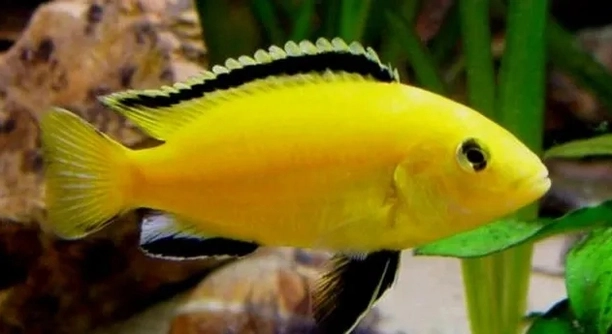
Electric Yellow Cichlids are vibrant and active fish that many hobbyists enjoy keeping in home aquariums. Their behavior can be fascinating, and observing how they respond to their environment provides insight into their daily routines and preferences.
Research indicates that Electric Yellow Cichlids do not have a demonstrated preference for music, but they are sensitive to vibrations in their tank. Vibrations can influence their movement, feeding habits, and stress levels, affecting their overall health and well-being.
Understanding these responses can help improve tank conditions and create a more comfortable environment for these striking fish. Their sensitivity to subtle changes is worth noting for any attentive fish owner.
How Electric Yellow Cichlids React to Sound
Electric Yellow Cichlids have keen senses that allow them to detect changes in their environment, including sound and vibration. While they do not have ears like mammals, they sense vibrations through their lateral line system, a series of sensory organs along their sides. These vibrations can come from water movement, nearby tapping, or even music played near the tank. Most cichlids do not react to melodies or rhythm in the way humans might expect. Instead, sudden or consistent vibrations may cause them to move quickly, hide, or become more alert. Observing their behavior can give insights into their comfort level, feeding patterns, and social interactions. Too much vibration can stress them, while gentle, infrequent disturbances are usually harmless. Adjusting your tank environment and minimizing unnecessary noise ensures they remain relaxed and healthy. Their responses are subtle, and patience is needed to notice changes over time in their behavior and mood.
Vibrations in the tank influence activity, aggression, and comfort, so monitoring these signals is essential for healthy cichlids.
Regularly checking how they respond to environmental stimuli helps maintain a calm and balanced tank ecosystem. Consistent observation is key to understanding their needs and adjusting conditions accordingly.
Tips to Minimize Stress from Vibration
Keeping the tank away from heavy foot traffic and speakers can help reduce unnecessary vibrations.
Even small adjustments in placement or cushioning around the tank can make a significant difference in fish behavior. Vibrations can cause unease, impacting feeding and social interactions. By controlling these environmental factors, the overall atmosphere of the tank becomes more stable. Observing patterns in their reactions allows you to identify which areas or activities generate the most disturbance. Simple measures like using anti-vibration pads under the tank or positioning it on a sturdy surface help maintain stability. Routine maintenance should be gentle to avoid sudden shocks or strong water currents that could stress the cichlids. Over time, you will notice calmer, more confident behavior, reflecting their comfort with the environment. Taking these steps ensures Electric Yellow Cichlids can thrive without unnecessary anxiety caused by vibrations, promoting healthier and more natural behaviors within the aquarium.
Observing Behavioral Changes
Electric Yellow Cichlids show changes in activity when exposed to strong vibrations. They may swim faster, hide, or cluster together. Subtle shifts in movement can indicate stress or discomfort caused by environmental disturbances, including sounds and vibrations from nearby sources.
Tracking these behavioral shifts helps in identifying which stimuli affect the fish most. Some cichlids respond to vibrations with increased alertness, while others may retreat to corners or behind decorations. Feeding patterns can also be affected, with some fish becoming hesitant or skipping meals. Close observation over days or weeks provides a clear picture of their normal behavior and the triggers that disturb it. Noting these patterns allows adjustments to their environment for a calmer tank.
Consistent monitoring of these responses ensures the cichlids remain comfortable. Changes in swimming, hiding, or feeding are reliable indicators of their reaction to vibrations, helping to maintain a stable and healthy habitat for them.
Reducing Environmental Stress
Placing the aquarium on a stable surface minimizes vibrations. Anti-vibration pads or thick mats help reduce disturbances from surrounding movements.
Even minor adjustments, such as moving speakers or avoiding tapping the tank, can significantly reduce stress. Sudden water changes or strong currents can startle the fish, so handling the tank gently during maintenance is important. Keeping equipment, such as filters and pumps, operating quietly also helps maintain a peaceful environment. Observing their behavior after each change allows fine-tuning of conditions, creating a calmer, more predictable habitat. Reducing constant disturbances supports feeding routines, social interactions, and overall well-being.
A stable environment prevents unnecessary stress responses, encourages natural behavior, and enhances the health of Electric Yellow Cichlids. Quiet surroundings help the fish thrive and display their typical activity without fear or agitation.
Signs of Stress
Electric Yellow Cichlids may show stress through rapid gill movement, clamped fins, or reduced activity. These signs often appear when vibrations or sudden noises disrupt their usual routine.
Changes in appetite, frequent hiding, and erratic swimming are also common indicators. Recognizing these early helps prevent long-term health issues and maintain a stable environment.
Adjusting Tank Placement
Positioning the aquarium away from doors, heavy traffic, and electronics reduces environmental stress. Stability and minimal disturbance are key for the cichlids’ comfort and daily behavior. Keeping the tank in a quieter area helps the fish feel safe and less reactive to external vibrations.
Using Gentle Equipment
Filters, pumps, and air stones should operate quietly. Loud or strong equipment can create vibrations that unsettle the fish. Choosing equipment designed for low noise and minimal water disturbance ensures a calm environment, supporting healthy behavior and reducing stress responses.
Consistency in Routine
Maintaining regular feeding, lighting, and cleaning schedules helps Electric Yellow Cichlids feel secure. Predictable routines reduce anxiety caused by sudden environmental changes, supporting their overall well-being and natural behavior patterns.
FAQ
Do Electric Yellow Cichlids react to music?
Electric Yellow Cichlids do not react to music in the way humans do. They cannot perceive melody or rhythm, but vibrations from nearby speakers may cause subtle changes in their movement or behavior. Loud or bass-heavy music can startle them, so it is best to keep sound sources away from the tank.
Can vibrations harm my cichlids?
Yes, strong or constant vibrations can stress Electric Yellow Cichlids. Stress may lead to reduced feeding, hiding, or aggressive interactions with other tank mates. Gentle vibrations, such as minor water movement, are usually harmless, but repeated disturbances should be minimized for their well-being.
How can I tell if my cichlids are stressed?
Look for signs like clamped fins, rapid gill movement, erratic swimming, or hiding more than usual. Loss of appetite and changes in color can also indicate stress. Observing their behavior consistently helps identify issues before they affect long-term health.
Is tank placement important for reducing vibration stress?
Absolutely. Positioning the aquarium on a stable surface, away from doors, appliances, or speakers, reduces unwanted vibrations. Using anti-vibration pads or thick mats can further minimize disturbances. A quiet, stable environment keeps the cichlids relaxed and allows natural behaviors to continue.
Do cichlids prefer calm water over constant movement?
Yes, Electric Yellow Cichlids thrive in tanks with moderate, controlled water flow. Strong currents or abrupt changes can startle them, while gentle, steady water movement supports natural swimming and feeding habits. Maintaining balance in filtration and aeration helps reduce stress.
Can equipment create unnecessary stress?
Filters, pumps, and air stones that produce strong noise or vibration can disturb the fish. Choosing low-noise, stable equipment and securing it properly prevents excess water movement, which contributes to a calmer, healthier environment. Regular maintenance should also avoid sudden shocks or turbulence.
How often should I monitor my cichlids’ behavior?
Daily observation is ideal. Watching how they swim, interact, and feed allows you to spot changes early. Noting patterns over weeks helps understand their normal behavior and detect reactions to environmental changes, including vibration or sudden noise.
Do cichlids get used to household sounds over time?
Some habituation is possible if the sounds are consistent and not overwhelming. They may become less reactive to minor disturbances, but sudden loud noises or strong vibrations will still cause stress. Gradual exposure helps them adjust without impacting health.
Is it safe to play soft music near the tank occasionally?
Soft, low-volume music usually does not harm Electric Yellow Cichlids. Avoid placing speakers directly on the tank or using heavy bass, as vibrations can startle the fish. Gentle background sound away from the tank is generally acceptable.
Can stress from vibrations affect breeding behavior?
Yes, stressed cichlids may show reduced interest in spawning or caring for fry. A stable, calm environment with minimal disturbances supports natural breeding behavior and ensures fry survival. Reducing vibration and providing hiding spaces improves their comfort and reproductive success.
What are some quick ways to reduce stress after sudden vibrations?
Turn off or move nearby equipment causing vibrations, reduce water movement, and give the fish time to settle. Adding decorations or plants for shelter allows cichlids to feel secure. Observation after the disturbance ensures they return to normal behavior without lingering stress.
Are younger cichlids more sensitive to vibrations than adults?
Juveniles can be more reactive, as their stress tolerance is lower. They may hide more frequently or show erratic swimming. Extra care with tank placement, gentle equipment, and consistent routines helps young cichlids develop normally and reduces stress risks.
Do different cichlid species respond differently to vibrations?
Yes, species vary in sensitivity. Electric Yellow Cichlids are moderately sensitive, while other cichlids may tolerate more or less disturbance. Observing species-specific behavior helps tailor tank conditions for comfort, health, and natural activity levels.
Can vibrations affect feeding habits?
Strong vibrations can cause hesitation during feeding. Some cichlids may eat less or compete aggressively if startled. Maintaining a calm environment during feeding supports proper nutrition and reduces stress-related issues.
How can I make my cichlid tank more resilient to household vibrations?
Use a stable stand, anti-vibration pads, and low-noise equipment. Place the tank away from high-traffic areas. Soft decorations and hiding spaces allow fish to feel secure, buffering them from minor disturbances while promoting natural behaviors.
Electric Yellow Cichlids are sensitive fish that respond to their environment in ways that may not always be obvious at first glance. They do not have the ability to appreciate music as humans do, but they are highly aware of vibrations in the water. These vibrations can come from many sources, including speakers, household movement, or even routine maintenance in the aquarium. While small and occasional disturbances usually do not harm them, repeated or strong vibrations can lead to stress. Stress in cichlids can manifest as clamped fins, erratic swimming, hiding, and even reduced appetite. Over time, chronic stress can affect their overall health, including immune function and lifespan. Observing how your cichlids react to different levels of vibrations is key to understanding what they can tolerate and what may be too disruptive for them. Paying attention to these subtle behavioral changes allows you to adjust the tank environment accordingly.
Maintaining a calm and stable tank is essential for the well-being of Electric Yellow Cichlids. Tank placement plays an important role in minimizing vibrations and unnecessary disturbances. Keeping the aquarium away from doors, high-traffic areas, or electronic equipment that produces noise or vibrations can help create a more secure environment for the fish. Anti-vibration pads or thick mats under the tank stand are simple solutions that can significantly reduce the transfer of vibrations from the floor. Additionally, selecting quiet filters, pumps, and air stones ensures that the water flow does not create unnecessary movement or sound that could stress the fish. Regular maintenance should be conducted gently, avoiding sudden changes in water movement or abrupt handling. Even small steps like these contribute to a calmer habitat and support natural behaviors such as swimming, feeding, and interacting with tank mates. A stable environment reduces the risk of stress-related issues and encourages healthier, more active cichlids.
Observing and responding to the needs of Electric Yellow Cichlids requires patience and consistency. Daily monitoring of their behavior allows you to notice patterns, identify stressors, and implement solutions before issues escalate. Providing hiding spots or decorations offers the fish a sense of security when minor vibrations do occur. Consistency in feeding, lighting, and cleaning routines also helps them feel safe and reduces anxiety caused by environmental changes. While they may never respond to music the way humans do, creating an environment free from excessive vibrations ensures that they remain comfortable, healthy, and active. Understanding these factors and taking proactive measures not only supports their physical health but also encourages natural, relaxed behavior that is enjoyable to watch. Maintaining a calm, predictable, and carefully managed tank environment is the best way to promote the long-term well-being of Electric Yellow Cichlids.

Hello,
If you enjoy the content that we create, please consider saying a "Thank You!" by leaving a tip.
Every little bit helps us continue crafting quality advice that supports the health, happiness, and well-being of pets around the world, for pets of all shapes, sizes, and species.
We really appreciate the kindness and support that you show us!