
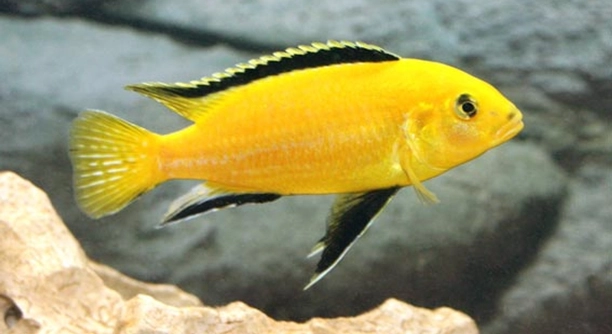
Are your electric yellow cichlids constantly leaping out of the tank, leaving you worried about their safety? These vibrant fish are active and can sometimes exhibit jumping behavior that seems sudden and unpredictable.
Electric yellow cichlids jump primarily due to environmental stress, poor water quality, lack of hiding spots, or inadequate tank conditions. Addressing these factors through proper tank setup, diet, and maintenance significantly reduces jumping incidents and improves overall fish health.
Understanding why these fish jump will help you maintain a safer and more comfortable environment for them. Preventive steps can keep your cichlids secure and thriving in their habitat.
Tank Conditions and Water Quality
Poor tank conditions are a leading reason electric yellow cichlids jump. These fish need stable water parameters and a clean environment. High ammonia, nitrite, or nitrate levels can cause stress, making them more likely to leap. Uneven temperatures or sudden changes in water chemistry can trigger similar reactions. The tank size also matters. Crowded tanks or insufficient space make cichlids feel trapped, prompting attempts to escape. Providing a properly cycled tank with consistent temperature, regular water changes, and enough space is crucial. Decorations and hiding spots reduce stress by giving fish places to retreat. Sand or fine gravel substrates can prevent injury if fish do jump. Lighting should mimic a natural day-night cycle to maintain their rhythm. Observing your cichlids daily helps you catch water quality issues before they escalate.
Maintaining stable water conditions keeps your cichlids calmer and reduces jumping incidents, helping them thrive.
Ensuring the right environment is essential. Frequent water testing and gradual adjustments prevent stress. Use a filter suited to your tank size, and perform partial water changes weekly. Adding plants or rocks creates hiding spaces that reduce anxiety. Avoid overcrowding by following stocking guidelines. Monitoring temperature daily and avoiding sudden shifts keeps fish comfortable. Even minor improvements in tank setup can dramatically reduce jumping behavior. When water quality is optimal, electric yellow cichlids exhibit calmer swimming patterns and more predictable behavior, which benefits their health and longevity.
Diet and Feeding Practices
Overfeeding or irregular feeding can stress electric yellow cichlids. Balanced, consistent meals support their energy and reduce erratic behavior.
Feeding your cichlids high-quality food at scheduled times improves their overall health and stability.
A proper diet prevents stress-related jumping. Overfeeding leads to poor water quality from leftover food, increasing ammonia and nitrite levels. Underfeeding can make fish restless, prompting attempts to jump. Offer a mix of pellets, flakes, and occasional live or frozen foods. Divide portions into smaller meals throughout the day to reduce sudden spikes in activity. Avoid sudden changes in diet that can upset their digestive system. Supplementing with vitamins and minerals supports coloration, growth, and immunity. Observing how your fish respond after feeding helps identify any dietary issues early. Maintaining consistency in both food type and quantity helps create a predictable routine, which reduces stress and makes your cichlids feel secure. This attention to feeding practices can significantly lower their tendency to jump while promoting long-term well-being.
Lack of Hiding Spots
Electric yellow cichlids jump more when they feel exposed or threatened. Providing caves, rocks, and plants gives them secure areas to retreat.
Creating hiding spots reduces stress by giving fish places to escape from bright lights or tank mates. Decorations should be stable and smooth to prevent injury. Plants, either live or artificial, add cover and comfort. Avoid sharp edges, as cichlids can hurt themselves while jumping or exploring. Arranging rocks in stable formations and adding driftwood can also create natural shelters. Multiple hiding places prevent dominant fish from controlling all safe areas, reducing tension and aggressive behavior. A well-structured tank allows cichlids to feel secure, decreasing the likelihood of jumping while promoting natural behaviors.
Hiding spots mimic their natural habitat, improving comfort and overall well-being. Safe retreats are essential for calmer, less stressed fish.
Providing secure areas also encourages social harmony. Fish can claim territories without constant conflict, which reduces panic-induced leaps. Consistent observation helps ensure all fish have access to these spaces. Overcrowding hiding areas can lead to territorial disputes, so balance placement and number of shelters. Even small improvements, like adding a few extra caves or tall plants, can significantly lower stress levels. Comfortable fish exhibit calmer swimming, better coloration, and less erratic behavior, making the tank safer and more enjoyable for them.
Tank Lid and Jump Prevention
A secure tank lid is essential for keeping electric yellow cichlids inside. Many jumps occur due to lack of proper coverage.
Using a fitted lid or mesh cover prevents fish from escaping and reduces injury. Weighted lids or clips help keep covers in place.
Even when hiding spots and tank conditions are perfect, cichlids may still jump if the surface is open. Lids prevent accidental escapes during feeding or when startled. Glass, acrylic, or mesh lids work well, but ventilation must allow for airflow and maintain oxygen levels. Some fish may learn to push lighter lids, so ensure covers are heavy enough to stay in place. Observing how your fish react to lids helps adjust placement or type. Combining proper tank conditions, hiding spots, and secure lids creates a safer environment. Consistent lid use reduces stress from failed jumps and helps maintain overall fish health.
Stress from Tank Mates
Aggressive or overly active tank mates can make electric yellow cichlids feel threatened. This stress often leads to jumping.
Keeping compatible species together and observing interactions reduces anxiety. Avoid overcrowding and remove overly aggressive fish to maintain calm.
Sudden Environmental Changes
Sudden changes in lighting, temperature, or water parameters can trigger jumps. Electric yellow cichlids are sensitive to abrupt shifts.
Gradual adjustments help them adapt. Introduce new water slowly, adjust lighting gradually, and maintain stable temperature to reduce stress and prevent jumping.
Breeding Behavior
During breeding, electric yellow cichlids may jump more frequently. Hormonal changes increase activity and territorial instincts.
Providing plenty of hiding spaces and monitoring interactions helps manage stress. Separate breeding pairs if aggressive behavior becomes excessive.
FAQ
Why do electric yellow cichlids keep jumping out of the tank?
Electric yellow cichlids often jump due to stress, poor water quality, or insufficient hiding spots. Sudden changes in temperature, aggressive tank mates, or lack of secure cover can also prompt this behavior. Addressing these issues is the most effective way to reduce jumping.
How can I prevent my cichlids from jumping?
A secure tank lid is essential. Add caves, rocks, and plants to give them hiding places. Maintain stable water parameters, monitor temperature, and ensure compatible tank mates. Gradual adjustments when changing water or lighting also help keep fish calm.
Is tank size important for preventing jumping?
Yes, a spacious tank reduces stress and provides room for natural swimming. Overcrowding increases competition and anxiety, making cichlids more likely to leap. A minimum of 55 gallons is recommended for a small group, with more space for additional fish.
Can water quality affect jumping behavior?
Absolutely. High ammonia, nitrite, or nitrate levels create an unsafe environment. Regular water changes, proper filtration, and testing water parameters prevent stress-induced jumping. Consistent care ensures healthier, calmer fish.
Do cichlids jump more during feeding?
Sometimes. Overfeeding or irregular feeding can increase activity and sudden movement. Dividing food into smaller portions and sticking to a feeding schedule helps reduce frantic behavior and jumping incidents.
How do hiding spots help prevent jumping?
Hiding spots provide security and reduce anxiety. Electric yellow cichlids feel safer when they have places to retreat. Rocks, caves, and plants create a natural environment, lowering stress and the instinct to escape.
Can tank mates influence jumping?
Yes. Aggressive or overly active fish create stress and trigger escape attempts. Choosing compatible species and monitoring interactions helps maintain a calm tank, reducing the risk of jumping.
Are there signs my cichlids are stressed before jumping?
Look for erratic swimming, hiding excessively, loss of appetite, or color changes. These behaviors indicate stress, signaling the need for environmental adjustments before jumps occur.
Does breeding increase jumping behavior?
Breeding cichlids are more active and territorial. Males may chase others or jump more frequently. Providing extra hiding spots and monitoring interactions prevents injury during breeding periods.
What is the best lid type to prevent jumping?
Glass, acrylic, or mesh lids work well. Weighted or clipped covers are most effective. Ensure proper ventilation to maintain oxygen levels and prevent overheating while keeping fish securely inside.
Can sudden lighting changes cause jumping?
Yes. Electric yellow cichlids react strongly to abrupt lighting shifts. Gradually dimming or brightening the tank helps them adjust safely and reduces stress-related jumps.
How often should I check water parameters to prevent jumping?
Test water weekly for ammonia, nitrite, nitrate, and pH. Keeping parameters stable prevents stress and jumping. More frequent checks may be needed during water changes or after adding new fish.
Does substrate choice matter?
Yes. Smooth sand or fine gravel prevents injury if a fish jumps. Sharp or rough substrates increase risk of cuts and infections. A safe bottom layer contributes to overall comfort and stress reduction.
Can temperature fluctuations trigger jumping?
Sudden shifts in temperature cause stress and provoke leaping. Keep heaters stable and avoid placing tanks near drafts or sunlight. Consistency in temperature ensures a calmer, safer environment.
Are there behavioral adjustments I can make as an owner?
Yes. Observe your cichlids daily, maintain feeding and cleaning routines, and make gradual changes in their environment. Understanding their habits allows proactive measures to reduce jumping and improve well-being.
How do I handle a fish that has jumped out?
Act quickly but calmly. Place the fish back in the water gently, checking for injuries. Assess tank conditions, secure the lid, and identify stress factors to prevent future incidents. Immediate care improves survival and recovery.
Does overstocking increase jumping behavior?
Yes. Too many fish increase competition for space and resources, creating stress and more jumping incidents. Follow recommended stocking guidelines for electric yellow cichlids to maintain a healthy, calm environment.
Can adding plants reduce jumping?
Live or artificial plants provide cover, mimic natural habitats, and reduce anxiety. Plants also create boundaries that help cichlids feel secure, lowering the likelihood of leaping.
Is it normal for young cichlids to jump more?
Juvenile cichlids are more active and exploratory. They may jump more frequently than adults. Proper tank setup, hiding spaces, and secure lids help protect younger fish while they grow.
Can sudden noises or vibrations trigger jumping?
Yes. Loud sounds, tapping, or sudden movement near the tank can startle cichlids. Placing the tank in a quiet, stable area reduces stress and jumping frequency.
Are there medical conditions that cause jumping?
Illness or parasites can increase restlessness and erratic behavior. Observing symptoms like lethargy, discoloration, or fin damage may indicate a need for veterinary advice or treatment to prevent stress-related jumping.
Does water flow impact jumping behavior?
Strong currents or uneven flow can cause discomfort. Electric yellow cichlids prefer moderate flow. Adjusting filter output or adding flow barriers ensures a calmer swimming environment and reduces stress-induced jumps.
Can I train cichlids to jump less?
Training is limited. Consistent care, stable conditions, and secure lids are more effective than behavioral training. Over time, fish become accustomed to their environment, naturally reducing jumping.
Is temperature stability more important than water chemistry?
Both are critical. Stable temperature prevents shock, while proper water chemistry maintains health. Together, they minimize stress and help reduce jumping incidents.
How long does it take to stop jumping behavior?
Improvements can be seen within days to weeks after correcting environment, diet, and tank conditions. Consistency and monitoring are key for long-term results.
What is the safest way to rearrange the tank without causing jumps?
Make gradual changes. Introduce decorations or plants slowly, avoid sudden water parameter shifts, and observe fish reactions. Step-by-step adjustments prevent stress and reduce leaping.
Are some cichlids naturally more prone to jumping?
Yes. Electric yellow cichlids are naturally active and can be more jump-prone than other species. Providing a secure, enriched environment mitigates their natural tendency.
Does water surface agitation increase jumping?
Excessive splashing or bubbles near the surface may startle fish. Moderate aeration and careful placement of air stones reduce unnecessary stress.
Can seasonal changes affect jumping behavior?
Seasonal temperature or light changes may trigger activity spikes. Maintaining consistent indoor conditions helps keep electric yellow cichlids calm year-round.
What is the role of tank layout in preventing jumping?
A well-structured layout with hiding spaces, stable decorations, and smooth substrates creates a secure environment. Proper arrangement reduces stress, aggression, and the instinct to escape.
How often should I add new hiding spots or decorations?
Only as needed. Adding too frequently can stress fish. Introduce new structures gradually and monitor how cichlids adapt before making further changes.
Can diet changes reduce jumping behavior?
Balanced, consistent feeding reduces restlessness. Avoid sudden changes in food type or quantity. Small, regular meals help maintain energy levels without inducing frantic behavior.
Does lighting type matter for cichlid behavior?
Yes. Soft, consistent lighting mimics natural conditions. Avoid abrupt brightness or frequent on-off cycles. Proper lighting reduces stress and limits jumping incidents.
How do I know if my tank is safe enough to prevent jumps?
A safe tank has a secure lid, smooth substrate, hiding spots, stable water parameters, and compatible tank mates. Observing fish behavior over time confirms whether adjustments are effective.
Can overactive filtration cause jumping?
Strong or uneven water flow can stress cichlids. Adjust filter output to moderate levels and consider flow baffles. Calm currents promote comfort and reduce leaping tendencies.
Is it normal for cichlids to test tank boundaries?
Yes, they explore surroundings naturally. Secure lids and stable environment prevent injury while satisfying their curiosity safely.
Do sudden introductions of new fish trigger jumping?
Yes. New fish can create tension and territorial disputes. Quarantine new additions, introduce gradually, and provide extra hiding spots to reduce stress-induced leaping.
Can frequent tank cleaning cause stress?
If done abruptly, yes. Maintain consistent cleaning routines and avoid sudden water changes. Gradual, gentle maintenance reduces stress and prevents jumping episodes.
Does tank shape influence jumping frequency?
Yes. Taller tanks may encourage jumping. A combination of moderate height and secure lid is ideal. Horizontal space allows free swimming while minimizing escape attempts.
Are artificial caves better than natural ones?
Both work if safe and stable. Smooth, solid structures prevent injury. Variety in shapes and sizes allows cichlids to establish territory comfortably.
How can I monitor jumping behavior effectively?
Observe daily, noting times, triggers, and patterns. Tracking behavior helps identify causes and test solutions, ensuring preventive measures are effective.
Do juvenile and adult cichlids require different precautions?
Yes. Juveniles are more active and need secure lids and more hiding spots. Adults benefit from stable environment and compatible tank mates. Both require consistent water quality and diet.
Can electric yellow cichlids injure themselves when jumping?
Yes. They risk hitting the tank edge, lid, or decorations. Smooth surfaces, secure lids, and safe substrates minimize injury while maintaining a calm environment.
How long can stress-induced jumping continue?
Until environmental, dietary, or social stressors are resolved. Consistent care and preventive measures reduce incidents over days to weeks.
Are some times of day worse for jumping?
Early morning or feeding times may see more activity. Predictable routines and secure environment help reduce peak jumping periods.
Do tank vibrations from pumps or external sources affect jumping?
Yes. Vibrations can startle fish. Place tanks on stable surfaces and minimize external disturbances for calmer behavior.
Is it necessary to separate aggressive fish immediately?
Yes. Persistent aggression increases stress and jumping. Temporarily isolating aggressive individuals allows the rest to feel safe and reduces injury risk.
Can supplements reduce stress and jumping?
Vitamins and minerals support health but don’t eliminate stress triggers. Proper environment and routine care are more effective. Supplements only enhance resilience, not behavior directly.
How do I know if a fish injured from jumping is recovering?
Check for normal swimming, feeding, and color. Wounds should heal without infection. Persistent lethargy or discoloration may require veterinary care.
Are community tanks more prone to jumping than single-species setups?
Mixed tanks can increase stress due to territorial disputes. Single-species setups with proper hiding spots reduce stress and jumping incidents.
Does water hardness affect jumping?
Extreme hardness or sudden changes can stress cichlids. Maintain moderate, stable hardness to promote comfort and reduce leaping behavior.
How important is daily observation?
Crucial. Noticing subtle changes in swimming, feeding, or social interaction helps address stress factors before jumping becomes frequent.
Can frequent handling increase jumping?
Yes. Handling or netting stresses cichlids. Minimize direct contact and use gentle methods when necessary to reduce anxiety.
Do breeding pairs require special monitoring?
Yes. Increased territorial aggression can lead to jumps. Extra hiding spots, careful observation, and temporary separation may be needed to ensure safety.
Can substrate depth influence jumping?
Shallow substrates reduce impact injuries, but depth must allow natural digging and movement. Balanced depth supports both safety and natural behavior.
How can I tell if my tank lid is sufficient?
No fish should escape when the tank is unattended. Weighted, well-fitted lids with secure clips or locks ensure containment.
Are stress-reducing decorations effective for all cichlids?
Yes. Properly placed rocks, caves, and plants create visual barriers and safe zones, lowering stress and reducing jumping across age groups and activity levels.
Does water temperature consistency matter more than diet?
Both are essential. Stable temperature prevents shock, while balanced diet maintains energy. Together, they minimize stress and help reduce jumping incidents.
Can I combine preventive strategies for better results?
Yes. Using secure lids, hiding spots, stable water, compatible tank mates, and consistent feeding routines maximizes calm behavior and minimizes jumping.
How do I know when preventive measures are working?
Reduced jumps, calmer swimming, and improved coloration indicate effective interventions. Continuous observation ensures adjustments maintain positive results.
Do cichlids ever stop jumping naturally?
With proper care, yes. Reducing stress, providing secure habitat, and maintaining stable conditions gradually decrease jumping behavior over time.
What is the most common mistake owners make regarding jumping?
Ignoring water quality, overcrowding, or lack of hiding spots. Consistent tank maintenance and observation prevent most stress-related leaps.
Are there signs that a tank is perfectly safe?
Fish swim calmly, explore freely, and rarely attempt to jump. Proper lid, substrate, hiding spots, and water quality indicate a secure, stress-free environment.
Can external disturbances override all preventive measures?
Yes. Loud noises, vibrations, or sudden movements can trigger jumps even in a well-maintained tank. Minimizing external stressors is essential for complete safety.
Does tank orientation affect jumping?
Placement away from windows, drafts, and high-traffic areas reduces stress-induced jumping. Calm surroundings contribute significantly to stability and safety.
Are some cichlids naturally calmer than others?
Yes. Electric yellow cichlids are active, but individual temperament varies. Environment and care largely influence how frequently they jump.
Is long-term monitoring necessary?
Yes. Fish behavior can change with age, breeding, or environmental shifts. Ongoing observation ensures interventions remain effective.
Can I prevent all jumping behavior?
Not entirely, but combining proper tank setup, stable water, hiding spots, secure lids, compatible tank mates, and consistent care greatly reduces incidents.
Electric yellow cichlids are lively and active fish, and their jumping behavior can be a common challenge for many aquarists. Understanding the factors that contribute to this behavior is the first step in managing it effectively. Poor water quality, inadequate tank conditions, and environmental stress all play major roles in why these fish may leap from their tank. Ensuring that ammonia, nitrite, and nitrate levels are consistently monitored and kept within safe limits is essential. Stable water temperature and pH levels also reduce stress, making fish feel more secure in their environment. In addition to water parameters, the size of the tank and the presence of suitable hiding spots are crucial. A tank that is too small or overcrowded increases competition for space, which can heighten anxiety and trigger jumping. Rocks, caves, plants, and other decorations provide fish with areas to retreat, offering a sense of safety and reducing the likelihood of sudden leaps.
Diet and feeding routines also have a significant impact on cichlid behavior. Overfeeding or irregular feeding schedules can make fish restless and more prone to jumping. Offering balanced meals in measured portions and maintaining a consistent feeding schedule helps prevent sudden bursts of activity. Supplements such as vitamins and minerals support overall health, but they do not directly stop jumping; proper nutrition contributes to a stronger, calmer fish that is better able to cope with environmental stressors. Additionally, the behavior of tank mates can influence jumping tendencies. Aggressive or overly active fish increase stress, while compatible companions encourage a more stable and peaceful tank dynamic. Observing interactions and separating aggressive individuals when necessary can prevent stress-induced leaps and injuries. Over time, these small but consistent adjustments to diet, tank conditions, and social environment can make a noticeable difference in the behavior of your electric yellow cichlids.
Finally, preventative measures like a secure tank lid and careful management of environmental factors are key to keeping these fish safe. Even when hiding spots, proper tank size, and compatible companions are in place, jumps can still occur if the tank is open or exposed. A fitted lid, weighted or clipped to remain secure, prevents accidental escapes and reduces the risk of injury. Gradual adjustments to lighting, water changes, and tank rearrangements also help cichlids adapt without stress. Daily observation and attention to subtle changes in behavior allow you to address potential issues before they escalate. By combining all these strategies—stable water conditions, safe hiding spaces, proper diet, compatible tank mates, and secure lids—you create an environment that supports the natural activity of electric yellow cichlids while minimizing jumping. Consistency and attentiveness are the most reliable ways to maintain a healthy, safe, and calm tank for these vibrant fish.

Hello,
If you enjoy the content that we create, please consider saying a "Thank You!" by leaving a tip.
Every little bit helps us continue crafting quality advice that supports the health, happiness, and well-being of pets around the world, for pets of all shapes, sizes, and species.
We really appreciate the kindness and support that you show us!