
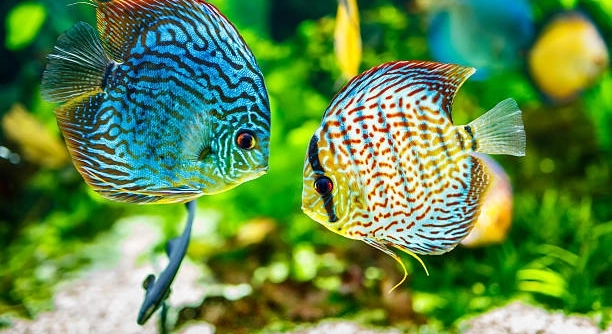
Discus fish are popular freshwater aquarium pets known for their vibrant colors and unique shape. Many owners observe their behavior closely and often notice these fish interacting with mirrors or reflective surfaces. Understanding how discus fish respond to their reflection is important for their care.
Research indicates that discus fish do not recognize themselves in reflections as humans do. Instead, they perceive the reflection as another fish in their territory. This behavior can lead to aggressive or curious responses, as the fish react to what they interpret as a potential rival or companion.
Exploring these reactions can help improve aquarium setups and reduce stress for discus fish. Knowing how they perceive reflections sheds light on their social and environmental needs.
How Discus Fish React to Their Reflection
When discus fish see their reflection, they often respond as if it is another fish nearby. This can lead to behaviors like flaring their fins, changing colors, or even trying to chase the reflection away. These reactions are common because discus fish are territorial by nature. They use visual cues to recognize other fish and mark their space. A mirror or shiny surface in the tank can trigger these responses, causing the fish to act more aggressively or defensively than usual. Sometimes, they may also show curiosity, swimming close to inspect the reflection more carefully. This behavior does not mean the fish understand the image is themselves, but rather they see a possible competitor or companion. Watching these reactions can be interesting and helps explain some of the behaviors you might notice when setting up reflective surfaces in your aquarium.
Reflections can increase stress levels in discus fish if they feel threatened.
Keeping reflective surfaces limited helps maintain calmer fish in the tank.
The Science Behind Self-Recognition in Fish
Self-recognition in animals is rare and has been mostly proven in some mammals and birds. For fish, this ability is not common, and discus fish are no exception. Studies using mirrors have shown that most fish react aggressively or curiously rather than showing signs of recognizing their own reflection. This indicates that discus fish do not possess the cognitive ability to understand the reflection as themselves. Instead, their brain interprets the mirror image as another individual, triggering natural social and territorial behaviors. This understanding helps aquarium owners manage tank environments better, avoiding stress caused by unnecessary visual triggers. Knowing this, it’s best to avoid placing mirrors or other reflective objects where discus fish can see themselves constantly, as it may lead to prolonged agitation or fatigue. By focusing on their natural behavior, owners can create a more peaceful habitat for discus fish to thrive.
Managing Discus Fish Behavior Around Reflections
Limiting reflective surfaces in the aquarium helps reduce stress and aggression among discus fish.
If mirrors or shiny objects are present, discus fish may become restless or try to attack their reflection repeatedly. This can tire them out and disrupt their usual calm behavior. Providing plenty of hiding spots and plants can help distract the fish from reflections and reduce territorial displays. Keeping the tank environment stable with proper water quality and temperature also supports their well-being. Monitoring your fish’s behavior regularly ensures you can make adjustments if signs of stress appear.
Creating a peaceful environment for discus fish means controlling what they see and minimizing triggers like reflections. This approach keeps the fish healthier and more comfortable in their home. Observing them closely helps you understand what changes might be necessary for their care.
How Aquarium Setup Influences Reflection Issues
The size and layout of the tank play a big role in how discus fish react to reflections. Larger tanks with plenty of decor reduce the chances of clear reflective spots. In contrast, small tanks with bare surfaces often create more reflections that fish notice.
Positioning lights and avoiding direct glare on the glass can also limit reflections. Some aquarium owners use background films or non-reflective coatings to reduce mirror-like surfaces. Regular tank cleaning prevents buildup that can increase glare or reflections. These adjustments are simple but effective in reducing unwanted stress from reflections. Taking time to arrange the tank thoughtfully benefits the fish’s behavior and overall health.
Signs of Stress From Reflection
Discus fish stressed by reflections may hide more often or lose their vibrant colors. Their appetite might decrease, and they can become unusually aggressive toward other fish or the glass surface.
Watching for these signs helps identify when reflections are causing problems. Early changes in behavior signal a need to adjust the tank environment or remove reflective surfaces.
Alternatives to Mirrors for Enrichment
Using plants, rocks, and other decorations offers better stimulation than mirrors. These natural elements provide hiding spots and encourage natural exploration without causing stress.
Providing varied environments supports healthier behavior and reduces aggression. Enrichment should focus on comfort and safety rather than visual tricks.
Mirror Tests and Fish Cognition
Mirror tests used to check self-awareness rarely show positive results in fish. Discus fish respond mostly with aggression or curiosity, not recognition. This suggests limited self-awareness in their species.
While some animals pass mirror tests, fish generally do not recognize themselves, relying more on other senses for social interactions.
Maintaining a Healthy Environment
Regular water changes and proper filtration keep discus fish calm and healthy. A stable environment reduces overall stress, including reactions to reflections.
Do discus fish get stressed by seeing their reflection?
Yes, discus fish can become stressed when they see their reflection. They often mistake it for another fish, which can cause territorial behavior or agitation. This stress may lead to reduced appetite, color fading, or increased hiding. Limiting reflections helps keep discus fish calm and comfortable.
How can I tell if my discus fish recognize themselves in the mirror?
Discus fish do not show signs of self-recognition in mirrors. They usually respond with aggression or curiosity, not behaviors that indicate self-awareness. Recognizing oneself involves understanding the reflection as “self,” which fish generally do not demonstrate. Their mirror responses are natural territorial or social reactions.
Is it safe to use a mirror to entertain discus fish?
Using mirrors to entertain discus fish is not recommended. While they may seem interested at first, reflections can cause stress or aggression over time. Continuous exposure to their reflection can tire them out or trigger constant territorial displays, which negatively affects their health and well-being.
What are the best ways to reduce stress caused by reflections?
To reduce reflection stress, remove or cover mirrors and shiny objects in the tank. Add plants, rocks, or decorations to break up reflective surfaces and provide hiding spots. Adjust tank lighting to minimize glare on the glass. Keeping a calm and natural environment is essential for discus fish comfort.
Do all fish react to their reflections like discus fish?
No, not all fish react the same way. Some species may ignore reflections, while others show aggressive or curious behavior. Most fish, including discus, interpret reflections as other fish rather than themselves. Each species’ behavior depends on its social nature and environment.
Can reflections cause fights among discus fish?
Yes, reflections can trigger fights if discus fish perceive the image as a rival. They may flare fins, chase, or nip at the glass, believing they are defending their territory. This can escalate stress and injury risk, especially in small or overcrowded tanks.
How often should I check my discus fish for stress signs?
Regularly observing your discus fish daily helps catch stress signs early. Changes in behavior, appetite, or color can indicate discomfort. Prompt action to remove reflections or improve the tank environment prevents long-term harm and promotes healthy fish.
Will removing mirrors improve my discus fish’s health?
Removing mirrors usually helps reduce stress and aggressive behavior, contributing to better health. A less stressful environment supports stronger immune systems and more natural behaviors, making discus fish more active and vibrant.
Are there alternative ways to enrich discus fish without mirrors?
Yes, natural enrichment like live or artificial plants, rocks, and gentle water movement stimulates discus fish without causing stress. These elements provide exploration opportunities and hiding places, which promote mental and physical well-being.
Can discus fish learn to ignore their reflection over time?
Some discus fish may become less reactive to reflections with repeated exposure, but this is not guaranteed. Continuous exposure still risks stress or exhaustion. It’s safer to limit reflections rather than rely on fish to adapt.
How does tank size affect discus fish’s reaction to reflections?
Larger tanks with more decorations reduce the chances of strong reflections, helping discus fish feel less threatened. Small, bare tanks often create clear reflective surfaces that increase aggressive or stressed behaviors. Tank size and setup significantly impact their comfort.
Do lighting conditions influence how discus fish see their reflection?
Yes, bright or direct lighting can intensify reflections, making them more noticeable and stressful. Using softer, diffused lighting helps reduce glare and reflection sharpness, creating a calmer environment for discus fish.
What should I do if my discus fish constantly attack their reflection?
If discus fish repeatedly attack their reflection, remove the source by covering or relocating reflective objects. Provide hiding spots and rearrange tank decor to distract and calm the fish. Monitoring water quality and tank conditions also supports recovery.
Is it normal for discus fish to ignore reflections sometimes?
Yes, discus fish may ignore reflections occasionally, especially if they are well-fed, comfortable, and not feeling territorial. However, this does not mean they recognize themselves, just that the reflection does not always trigger a reaction.
Can reflections affect discus fish breeding behavior?
Reflections can interfere with breeding by causing stress or aggressive displays that disrupt pair bonding. A calm, low-stress environment without reflections encourages natural reproductive behavior and better spawning success.
How important is water quality in managing reflection stress?
Good water quality reduces overall stress, helping discus fish cope better with environmental challenges like reflections. Stable water parameters support immune function and behavior, making fish less reactive and more resilient.
Should I use a mirror to test discus fish behavior?
Using a mirror for testing behavior can provide some insight into territorial responses but is not recommended as a regular practice. It may cause unnecessary stress and affect the fish’s health negatively over time.
Can discus fish become aggressive toward their own reflection?
Yes, discus fish often show aggression toward reflections, seeing them as rivals. This can include fin flaring, chasing, and nipping, behaviors that waste energy and cause stress.
What is the best way to create a reflection-free environment?
Cover reflective surfaces with aquarium-safe materials or reposition lighting to reduce glare. Use backgrounds and decorations to break up flat reflective areas. Regular cleaning prevents buildup that enhances reflections.
How can I keep discus fish calm and reduce territorial behavior?
Providing enough space, hiding spots, and stable water conditions lowers territorial instincts. Avoiding reflective triggers and maintaining a peaceful tank environment helps discus fish remain calm and healthy.
Discus fish are beautiful and fascinating creatures that require careful attention in their aquarium environment. Understanding how they react to their own reflection helps improve their care. Since discus fish do not recognize themselves in mirrors, they often respond to reflections as if encountering another fish. This can lead to stress or aggressive behavior, which is not healthy for them. Keeping reflective surfaces away from their tank or covering mirrors can prevent these issues. A calm and well-arranged environment supports the natural behavior of discus fish and helps them thrive.
Creating the right setup for discus fish involves more than just controlling reflections. Proper water quality, temperature, and space are crucial to their overall well-being. When the tank is clean and stable, discus fish feel less stressed and behave more naturally. Adding plants, rocks, and decorations not only reduces reflections but also provides hiding places where the fish can feel safe. These elements create a comfortable and interesting environment that encourages positive behaviors. Regular observation helps identify any changes in behavior or signs of stress, allowing adjustments to the tank before problems become serious.
In summary, knowing how discus fish interact with their reflections is a useful part of keeping them healthy and happy. Removing or minimizing mirrors and shiny surfaces can significantly reduce their stress levels. A well-planned aquarium with proper care makes a big difference in their behavior and appearance. Taking time to watch and understand your discus fish ensures they live in a peaceful environment that meets their needs. This thoughtful approach benefits both the fish and the aquarium keeper by creating a balanced and enjoyable space.

Hello,
If you enjoy the content that we create, please consider saying a "Thank You!" by leaving a tip.
Every little bit helps us continue crafting quality advice that supports the health, happiness, and well-being of pets around the world, for pets of all shapes, sizes, and species.
We really appreciate the kindness and support that you show us!