
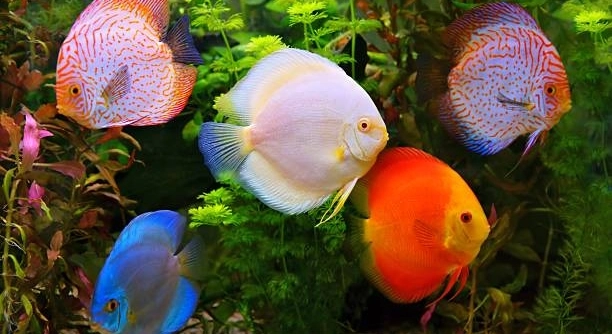
Have you ever noticed your discus showing interest in other fish and wondered if they’re trying to make a connection across species?
Discus can form bonds with other species, particularly peaceful and slow-moving tank mates. These interactions are often based on shared space and non-aggressive behavior rather than emotional bonding. However, compatibility varies depending on the environment and individual temperament.
Learning how discus interact with other species helps create a balanced and peaceful aquarium that supports their well-being and natural behavior.
What Helps Discus Tolerate Other Species
Discus tend to feel comfortable around other species when their tank is calm and stress-free. They prefer peaceful fish that won’t chase or nip at them. Tetras, corydoras, and some dwarf cichlids can be suitable companions if they match the discus in temperature and water preferences. Tank layout also matters—plenty of hiding spaces and plants reduce tension and allow fish to form their own areas. Discus rely on consistency, so sudden changes in water quality or tankmates can make them nervous. When properly matched and introduced gradually, discus can learn to coexist and even show relaxed behavior near other fish.
Group behavior is important to discus, so being housed with calm fish that do not disturb their routines can support bonding.
Understanding tank dynamics, stress signals, and compatible species makes it easier to build a community tank where discus feel secure and respond positively to others nearby.
Why Aggressive Fish Are a Problem
Aggressive fish can quickly stress discus, leading to health issues and broken social habits. Their constant movement or nipping can make discus hide, stop eating, or show faded coloring—clear signs they feel unsafe.
Tankmates should be chosen with care. While discus are social, they’re also sensitive and need a stable environment. Fish that move too quickly or show territorial behavior can interrupt the calm atmosphere discus thrive in. Over time, this stress weakens their immune system and reduces quality of life. Some fish may not appear aggressive at first but can become dominant during feeding or territory disputes. It’s also common for discus to withdraw from regular activities if they feel threatened. If you’re introducing a new species, watch closely for any behavior changes. A well-balanced tank includes fish that share similar rhythms, swimming patterns, and space needs. By focusing on compatibility, you create a healthier space for discus to live and interact peacefully.
Behaviors That Show Discus Are Comfortable
When discus feel comfortable around other species, they swim freely and remain active. Their colors stay bright, and they eat regularly without hesitation. They may hover near tankmates or even share spaces without acting stressed or territorial.
A calm discus will glide slowly through the water, exploring the tank without hiding. It won’t dart away when approached and may even join other fish in group swimming patterns. Another good sign is when it continues to eat well and maintains its appetite during feeding time. If a discus spends time near peaceful tankmates or shows mild curiosity, it’s likely feeling secure. You may also notice relaxed fin movements and minimal flaring. All these signs point to a discus that’s adjusting well and possibly forming a gentle bond with compatible species. This kind of peaceful coexistence shows your tank is balanced and supportive for both discus and other fish.
Discus can also show comfort by maintaining a routine. If they stick to their usual schedule of resting, swimming, and feeding—even with other fish present—it shows they aren’t feeling threatened. Occasionally, they may group loosely with similar-sized tankmates or remain near them during calm periods. Though not strong bonds, these behaviors show social tolerance. Keep in mind that discus rarely show affection like mammals do, but their body language and habits are clear signs of comfort. When discus appear alert, have steady breathing, and engage normally in their environment, you can trust that your current tank setup is allowing safe interaction. Observing these habits can help guide future additions to your community tank.
Signs of Stress You Shouldn’t Ignore
If a discus starts hiding for long periods, stops eating, or its colors turn dull, these are signs it’s uncomfortable. Constant flicking, rapid breathing, or sitting near the surface are also signs something is wrong in the tank.
Discus respond to stress quietly, but their behavior speaks volumes. If they avoid specific fish or retreat to the corners, they may be feeling threatened. Long-term stress can lead to illnesses like fin rot or infections, so catching signs early matters. If a discus begins darting around or constantly bumping into objects, it’s reacting to fear or discomfort. Some fish can trigger this without even touching the discus, just by their erratic movement. Watch for breathing changes, too—rapid gill movement can mean elevated stress levels. Adjusting the environment, removing aggressive tankmates, or improving water quality can help reverse the effects. Monitoring behavior consistently gives you the best chance to keep your discus healthy and socially stable.
Best Tankmates for Discus
Peaceful species like cardinal tetras, rummy nose tetras, and corydoras catfish are among the best tankmates for discus. These fish are calm, tolerate warm water, and won’t compete for territory or cause stress in the tank.
Ram cichlids, hatchetfish, and small plecos like the bristlenose also do well with discus. Their behavior remains non-intrusive, and they share similar water needs. Choosing fish that swim in different areas of the tank helps reduce conflict and creates a more natural balance.
How to Introduce New Fish Safely
When adding new fish to a discus tank, it’s best to quarantine them first. This reduces the risk of illness spreading and gives you time to observe their behavior. Use a separate tank for at least two weeks. Once cleared, introduce them slowly by floating their bag in the main tank to match temperature. Dim the lights and release the new fish gently. Watch for signs of aggression or stress in the first 48 hours. Avoid feeding right away to reduce excitement. Keep an eye on your discus—if they hide, stop eating, or display rapid gill movement, be ready to separate the fish. Controlled introductions make a big difference.
What to Avoid in a Discus Tank
Avoid fast-moving fish like barbs or danios, as they can stress discus. Fish that nip fins or claim territory should also be left out. Always choose calm species with similar temperature and care needs.
FAQ
Can discus fish recognize individual fish of other species?
Discus may not recognize specific individuals the way humans do, but they do respond to consistent behavior and presence. Over time, they can become used to certain fish in the tank and treat them differently than new additions. If a tankmate is calm and predictable, the discus may tolerate its presence more easily. Aggressive or fast-moving fish, on the other hand, tend to keep discus alert and stressed. Familiarity helps reduce fear, but it’s not necessarily a sign of emotional bonding. It’s more about recognizing which fish pose no threat.
Do discus get lonely if kept without other fish?
Discus are social and do better when kept in small groups of their own kind. They rely on group behavior for comfort and can become shy or withdrawn when isolated. While they don’t need other species to be happy, they do benefit from having a few compatible discus tankmates. Keeping them with peaceful fish can provide additional stimulation, but their strongest interactions will be with their own species. A group of five to six discus is often recommended for balanced social behavior and reduced stress.
Is it okay to keep discus with shrimp or snails?
Small shrimp like cherry or amano shrimp might be seen as food by discus. If the shrimp are too small, discus will likely chase or eat them. Larger snails like nerite snails, however, can be good tankmates. They stay out of the way and help clean the tank without bothering the discus. Snails that don’t multiply too quickly are a good choice for maintaining water quality. If you want to try shrimp, introduce them to a planted tank with hiding spots, but be prepared for losses unless the shrimp are large and fast.
How can I tell if my discus is being bullied?
If your discus hides often, stops eating, or stays in one corner, it might be getting bullied. You might also see one fish constantly chasing another, or signs of torn fins or sudden color changes. Breathing heavily or staying near the surface can also indicate stress. Watch for these signs, especially after introducing new fish. Removing the aggressive fish or rearranging the tank decorations can sometimes break the pattern. Adding more plants or hiding spaces gives your discus room to escape and feel safe again.
What’s the ideal tank setup for discus with other species?
A calm and spacious tank is best. Use gentle filtration, stable heaters, and soft lighting. Plants, driftwood, and hiding spaces help reduce stress and create natural boundaries. Keep the water temperature between 82°F and 86°F. Choose tankmates that thrive in similar conditions and don’t disrupt the discus’s calm nature. Overcrowding should be avoided, so always check how large each species gets. Feed discus and their tankmates separately if feeding habits are different. Regular water changes and testing are key to keeping conditions healthy for all fish in a mixed-species tank.
Can discus breed in a community tank?
Breeding is possible in a community tank, but it’s harder to protect the eggs and fry. Discus pairs usually become more aggressive when guarding their eggs, which can cause tension with other fish. Many hobbyists move the breeding pair to a separate tank for safety. If you keep them in the main tank, make sure there’s enough space and hiding areas for the pair and other fish. Keep the water clean and quiet, and avoid fish that might eat the eggs. While possible, breeding is easier in a more controlled setting.
Final Thoughts
Discus can live peacefully with other species, but their needs must come first when building a shared tank. They are sensitive to stress and rely on calm surroundings to stay healthy. Choosing the right tankmates makes a big difference in how they behave and feel. Slow-moving, non-aggressive fish that enjoy similar water conditions are usually the best match. A good setup includes plenty of plants, hiding spots, and open space to swim. When discus feel safe, they show natural behaviors and stay active. This not only helps their well-being but also creates a more balanced tank for everyone involved.
It’s important to pay attention to the discus after introducing new fish. Watch how they swim, eat, and interact. If they start hiding, stop eating, or seem dull in color, something might be wrong. In that case, you may need to make changes. Removing aggressive tankmates or improving water quality often helps. Giving your discus time to adjust also matters. Every fish reacts differently, so patience and observation go a long way. Adding new fish slowly, using a quarantine tank, and making sure conditions stay stable will reduce stress for all species. These small steps can make the difference between a peaceful tank and one filled with problems.
Discus don’t form emotional bonds like mammals, but they do learn to tolerate and share space with the right fish. Their comfort depends on the behavior of the other species and the environment they live in. A well-maintained tank with proper care allows discus to thrive—even in a mixed community. If you take the time to understand their signals and adjust when needed, it becomes easier to keep them calm and healthy. Whether you’re adding tetras, corydoras, or small plecos, the key is choosing fish that respect the discus’s calm nature. With the right choices and a little attention, discus can live alongside other species in a way that supports their health and natural behavior.

Hello,
If you enjoy the content that we create, please consider saying a "Thank You!" by leaving a tip.
Every little bit helps us continue crafting quality advice that supports the health, happiness, and well-being of pets around the world, for pets of all shapes, sizes, and species.
We really appreciate the kindness and support that you show us!