
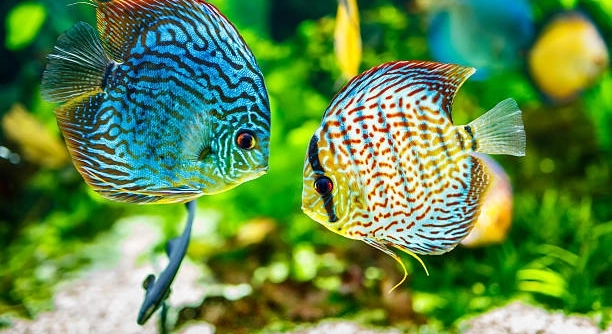
Discus fish require stable water conditions to thrive, but maintaining perfect water parameters can be challenging. Many aquarists perform minor water changes regularly to keep their tanks healthy. Understanding how discus fish respond to these small changes is important for their care.
Discus fish generally tolerate minor water changes well when done properly and gradually. Sudden, large shifts in water chemistry can cause stress, but small, routine adjustments help maintain water quality without negatively impacting the fish’s health.
Careful attention to water quality and change frequency ensures a healthy environment for discus fish and supports their long-term wellbeing in home aquariums.
Understanding Minor Water Changes for Discus Fish
Minor water changes involve replacing a small portion of tank water, typically between 10% and 25%, without disturbing the entire system. These small adjustments help remove waste, excess nutrients, and toxins, which can accumulate quickly in a discus tank. Because discus fish are sensitive to sudden water parameter shifts, gradual changes are essential. When done correctly, minor water changes improve water quality without causing stress. It is important to match the temperature and chemistry of the new water to the tank water to prevent shock. Consistency in performing these changes helps maintain stable conditions and reduces the risk of disease. By observing your discus fish during and after water changes, you can ensure they remain comfortable and healthy. Routine minor water changes support a balanced aquatic environment that promotes growth and vibrant coloration in discus fish.
Discus fish respond best to stable water parameters, so minor, consistent water changes are preferable to infrequent large ones.
Properly executed minor water changes maintain a clean environment, reduce toxins, and keep discus fish healthy. Avoid large water replacements, as they can stress the fish and disrupt the tank’s balance.
Signs of Stress During Water Changes
Discus fish may show signs of stress if water changes are too sudden or drastic. Common indicators include erratic swimming, hiding, loss of appetite, or faded colors. These behaviors suggest the fish are uncomfortable with the new water conditions. Monitoring water temperature, pH, and hardness before adding water reduces the chance of these issues. It is helpful to prepare the replacement water in advance, allowing it to reach tank temperature and match parameters closely. Using a water conditioner to remove chlorine or chloramines also protects the fish. Gradually performing water changes, such as using a drip method, further lessens stress. Ensuring a calm and gentle approach during water changes helps discus fish adjust smoothly and remain healthy.
A slow and careful water change routine minimizes stress and promotes discus wellbeing.
Water changes are essential, but preparation and gradual implementation are key to protecting discus fish from unnecessary stress. Keeping water conditions stable supports their natural behavior and vibrant appearance.
Preparing Water for Minor Changes
Matching the temperature of the new water to the tank is crucial. Sudden temperature differences can shock discus fish, causing stress or illness.
Using dechlorinated water helps prevent harmful chemicals like chlorine or chloramines from affecting the fish. Testing and adjusting pH and hardness ensures the new water aligns with existing tank conditions. Preparing water ahead of time allows it to stabilize to the correct temperature and chemical balance, reducing risks. Avoid using untreated tap water directly, as this can introduce toxins or sudden changes.
Water conditioners are useful to neutralize harmful substances. Keeping a separate container for treated water makes minor changes quicker and safer. This preparation reduces the chance of disturbing the delicate balance discus fish require for good health.
Frequency of Minor Water Changes
Regular minor water changes prevent toxin buildup and maintain water clarity. Most discus tanks benefit from weekly or bi-weekly changes, depending on tank size and fish load.
Overdoing water changes can disturb beneficial bacteria responsible for breaking down waste. Finding a balance between maintaining water quality and preserving the biological filter is key. Monitoring water parameters helps determine when changes are necessary. A schedule based on these readings avoids unnecessary stress on the fish. Keeping changes consistent improves tank stability and fish health over time.
Adapting water change frequency based on tank conditions ensures discus fish live in clean, stable water without disruption. Regular testing guides when to perform changes, supporting a healthy environment.
Impact of Minor Water Changes on Behavior
Discus fish usually remain calm during small water changes if done properly. Minor adjustments rarely cause noticeable behavioral changes.
If water changes are too sudden or large, discus may become restless or hide. Gradual changes help avoid stress-related behavior.
Maintaining Water Quality Between Changes
Regular testing for ammonia, nitrite, nitrate, pH, and hardness is essential. Maintaining stable water chemistry between changes prevents harmful spikes.
Monitoring helps catch problems early, allowing for timely minor adjustments. This proactive approach keeps discus fish comfortable and healthy, reducing the need for emergency water changes.
Tips for Stress-Free Water Changes
Perform water changes slowly and avoid disturbing the substrate. Using a siphon gently removes debris without stressing the fish.
Avoiding Common Mistakes
Changing too much water at once or using untreated water are common errors. Stick to small, prepared water changes to protect discus health.
FAQ
How often should I perform minor water changes for discus fish?
Most hobbyists find that changing 10-20% of the water weekly works well. This schedule keeps waste levels low and water parameters stable. However, frequency can vary depending on tank size, fish load, and filtration. Regular testing helps determine the best routine for your setup.
Can I use tap water directly for water changes?
Tap water usually contains chlorine or chloramines, which are harmful to discus fish. Always treat tap water with a proper water conditioner before adding it to the tank. This removes harmful chemicals and makes the water safe.
What temperature should replacement water be?
The new water should match the tank’s temperature closely—usually between 78°F and 86°F (25°C to 30°C) for discus fish. A sudden temperature change can shock them, so prepare water in advance to stabilize.
Will minor water changes stress my discus fish?
When done correctly and gradually, minor water changes rarely stress discus fish. Rapid or large water replacements can cause behavioral changes and stress. Use slow methods like drip acclimation if your fish seem sensitive.
What water parameters should I check before doing a water change?
Check pH, temperature, hardness, ammonia, nitrite, and nitrate levels. Make sure replacement water matches the tank’s pH and hardness to avoid sudden shifts. Keep ammonia and nitrite at zero, and nitrate below 20 ppm for best results.
How much water is safe to change at once?
For minor changes, 10-25% of the tank volume is ideal. Larger changes can disrupt the tank’s balance and harm beneficial bacteria. If a large change is necessary, it should be done very carefully and gradually.
Is it necessary to clean the substrate during water changes?
Lightly siphoning the substrate during water changes removes debris and uneaten food, improving water quality. Avoid disturbing the substrate too much, as it can release harmful substances and stress the fish.
What should I do if my discus fish show signs of stress after a water change?
Check water parameters immediately to ensure conditions are stable. If parameters are off, perform a partial correction slowly. Keep the tank environment calm and avoid further disturbances until the fish recover.
Can minor water changes improve discus fish coloration?
Yes. Stable, clean water supports healthy metabolism and vibrant colors. Dirty or unstable water can cause dullness and stress, so regular minor water changes help discus maintain their bright appearance.
Is using a water conditioner always necessary?
Yes, unless you use purified or RO (reverse osmosis) water that’s already safe. Conditioners remove chlorine, chloramines, heavy metals, and other toxins, making tap water safe for sensitive discus fish.
How can I prepare water for minor changes to avoid shocks?
Prepare water at least 24 hours in advance. Use a heater to reach the correct temperature and add conditioner. Test water chemistry and adjust pH or hardness if needed. Let the water sit to allow gases to dissipate.
What tools help make minor water changes easier?
A siphon hose, bucket, water test kits, and a heater for replacement water are essential. Some use drip lines to slowly add new water. Keeping dedicated containers for treated water saves time.
Are there alternatives to tap water for discus tanks?
Yes, reverse osmosis (RO) or distilled water is often used. However, pure RO water lacks minerals, so it must be remineralized to match discus requirements. Using pure water without adjustment can cause imbalances.
Can water changes prevent diseases in discus fish?
Regular water changes reduce waste buildup and prevent harmful bacteria and parasites from thriving. While not a cure, clean water supports the immune system and lowers disease risk.
What is the best way to monitor discus fish health during water changes?
Watch for unusual behavior, color fading, or hiding. Keep an eye on appetite and swimming patterns. Frequent water testing and observation provide early signs if adjustments are needed.
Minor water changes play an important role in keeping discus fish healthy and comfortable. These small, regular adjustments help maintain water quality by removing waste and toxins without causing major changes to the tank environment. Because discus fish are sensitive to sudden shifts in water conditions, it is best to avoid large water replacements. Instead, performing frequent minor water changes keeps the tank stable and supports the fish’s natural balance. Proper preparation of replacement water, including matching temperature and chemistry, is essential to prevent stress.
Consistency is key when caring for discus fish through water changes. Sticking to a routine helps maintain stable water parameters, which is crucial for their wellbeing. Monitoring water quality regularly ensures that you can spot any changes before they become a problem. If signs of stress appear, adjusting the water change process can help minimize discomfort. Being careful with water chemistry and temperature helps discus fish thrive by providing a safe, clean environment. Over time, this careful approach promotes strong health and vibrant colors.
Taking time to prepare for water changes and performing them gently benefits both the fish and the aquarium ecosystem. Avoid rushing or making sudden large changes, as this can upset the balance and lead to stress or illness. Using tools like siphons, water conditioners, and test kits makes the process easier and safer. In the end, small but consistent efforts to maintain water quality create a stable home for discus fish. This care helps them live longer and display their natural beauty in the aquarium.

Hello,
If you enjoy the content that we create, please consider saying a "Thank You!" by leaving a tip.
Every little bit helps us continue crafting quality advice that supports the health, happiness, and well-being of pets around the world, for pets of all shapes, sizes, and species.
We really appreciate the kindness and support that you show us!