
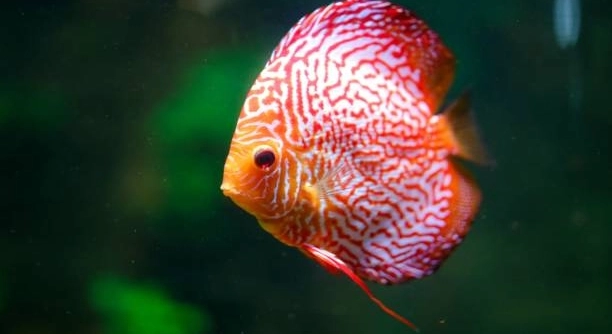
Discus fish are popular aquarium pets known for their bright colors and graceful swimming. Many people enjoy keeping them because they add beauty and calmness to any tank. They often wonder about their behavior and how they interact with owners.
Discus fish can be trained to recognize certain cues and respond to feeding times, but their learning ability is generally less advanced than that of goldfish. Unlike goldfish, discus require more patience and consistent routines for training.
Understanding the differences in training these fish helps in setting realistic expectations for owners and improving their care techniques.
Differences Between Discus Fish and Goldfish Training
Discus fish and goldfish are very different when it comes to training. Goldfish are more adaptable and tend to learn simple tricks faster. They often respond quickly to feeding cues and can be taught to take food from your hand. Discus fish, on the other hand, are more sensitive and shy. They need a calm and stable environment to feel comfortable enough to learn. Because discus fish come from slower-moving waters in the wild, they are less reactive and slower to recognize signals. Training discus requires more patience and consistent repetition. Unlike goldfish, which may accept a variety of foods, discus fish have a more specific diet and feeding routine, which also affects how you can train them.
Training discus fish takes time and gentle effort. Their natural behavior means they do not respond as quickly or as often as goldfish do.
If you want to train discus fish, it’s important to create a quiet tank environment, feed them at regular times, and be patient. Over time, they can learn to recognize your presence and expect food, but advanced tricks are rare.
Feeding Habits and Training Impact
Feeding habits play a big role in how well fish can be trained. Discus fish eat small amounts multiple times a day, preferring live or frozen foods. Goldfish can be fed less often and are less picky, which makes them easier to train with food rewards.
Because discus fish have a delicate digestive system, it’s important to avoid overfeeding or sudden changes in diet during training. Goldfish are more forgiving and can adapt to different food types more easily. This difference affects the training methods used for each species. Using the right feeding schedule and food type helps build trust with discus fish and improves their response to training cues. Training sessions should be short and gentle, focusing on building positive associations with feeding times. Consistency in feeding routines helps discus fish learn to come to the front of the tank when it’s time to eat.
Tank Environment and Training Success
A calm and stable tank environment is essential for training discus fish. Loud noises, sudden movements, or changes in water quality can stress them, making training difficult. Keeping the tank peaceful helps discus feel safe and more willing to respond.
Discus fish are very sensitive to water conditions. They need warm, clean water with stable pH and temperature levels. Frequent water changes and careful monitoring improve their comfort. When discus feel secure, they are more likely to recognize feeding cues and interact with their keeper. Bright lighting or overcrowded tanks can cause stress and reduce training success. It’s important to arrange the tank with enough space and hiding spots to help discus relax. Goldfish are generally less sensitive, so their training environment can be less strict.
Training discus fish is a slow process that depends heavily on a stress-free environment. Unlike goldfish, which tolerate varied tank setups, discus require careful maintenance. The effort put into creating the right environment increases the chances of them learning simple behaviors and responding to feeding times.
Tools and Techniques for Training
Using simple tools like feeding rings or target sticks can improve training results. Feeding rings keep food in one area, helping discus associate that spot with feeding time. Target sticks, such as a colored rod, can be used to guide fish toward a specific location.
Patience and consistency are important. Start by placing food in the feeding ring at the same time each day. Over weeks, discus will learn to gather there when you approach. Target sticks can help discus focus and move on command, but this requires slow repetition and calm handling. Avoid sudden movements that might scare them. Rewarding the fish immediately after they respond reinforces the behavior. Unlike goldfish, discus training sessions should be short to avoid stress.
It helps to use gentle voice tones or soft tapping near the tank as additional signals during training. These cues can signal feeding time and help discus recognize patterns. Unlike more active goldfish, discus benefit from low-pressure methods and gradual progress. Keeping training positive and consistent builds trust and encourages discus to respond over time.
Patience and Observation Are Key
Training discus fish requires a lot of patience. They won’t learn quickly like goldfish, so slow progress is normal. Observing their behavior carefully helps adjust training methods to their needs.
Every discus fish is different. Some may take longer to respond, while others might be naturally shy. Watching how they react to feeding and training cues helps you know when to slow down or try a different approach.
Common Mistakes to Avoid
Overfeeding during training can harm discus fish and cause water quality problems. Avoid rushing training sessions or forcing interactions, as stress can make them hide or refuse food. Consistency and gentle handling are essential for success.
Benefits of Training Discus Fish
Training discus fish improves their engagement and helps build trust. It can make feeding easier and reduce stress by creating predictable routines. Training also encourages mental stimulation, which benefits their overall health.
Final Tips for Success
Always be patient and consistent. Use calm movements and maintain a peaceful tank environment to help discus fish learn and thrive.
FAQ
Can discus fish really recognize their owner?
Yes, discus fish can learn to recognize their owner, but it takes time and consistency. They mostly identify people by routine and presence near the tank, especially during feeding times. Unlike goldfish, discus are shy and cautious, so it may take weeks or even months for them to show familiarity.
How long does it take to train a discus fish?
Training discus fish is a slow process. Some may start responding to feeding cues within a few weeks, but teaching them more complex behaviors can take several months. Patience and consistent routines are essential. Unlike goldfish, discus fish don’t respond well to quick training sessions.
What is the best food to use for training discus fish?
Frozen or live foods like bloodworms and brine shrimp work best. These foods attract discus and motivate them to respond to cues. Pellet foods can be used but may be less effective as rewards. Feeding quality food during training helps build trust and encourages participation.
Can discus fish learn tricks like goldfish?
Discus fish are less likely to perform tricks like goldfish because of their shy nature and slower learning ability. They can learn simple behaviors such as coming to the front of the tank for food, but advanced tricks are rare. Training discus requires gentler, more patient methods.
Is it safe to use target sticks with discus fish?
Yes, target sticks are safe if used carefully. The key is to move slowly and avoid sudden motions that could stress the fish. Target sticks help discus focus and follow simple commands over time. Always watch for signs of stress and stop if the fish seem frightened.
How often should training sessions be?
Short, frequent sessions work best. About 5 to 10 minutes once or twice a day is ideal. Long sessions can stress discus fish, so keeping training gentle and brief helps maintain their interest and reduces anxiety.
What are signs that discus fish are stressed during training?
Signs include hiding, rapid breathing, loss of appetite, or frantic swimming. If you notice any of these, stop training and allow the fish to calm down. Stress can harm discus fish quickly, so it’s important to keep sessions low-pressure.
Can discus fish be trained to eat from your hand?
Some discus fish can learn to eat from a hand with enough patience. This requires building trust over weeks and consistent feeding routines. Not all discus will accept this, but many will learn to come close to your hand during feeding.
Does tank size affect training success?
Yes, a larger tank with plenty of hiding spaces helps discus feel safe, which improves training success. Overcrowded or small tanks cause stress and reduce the fish’s willingness to engage. A calm, spacious environment encourages natural behavior and learning.
Can training improve the health of discus fish?
Training can improve health by reducing stress and encouraging regular eating habits. Fish that recognize feeding times often eat better and show less anxiety. Mental stimulation from training also benefits overall well-being.
What should be avoided when training discus fish?
Avoid sudden movements, loud noises, overfeeding, and long training sessions. These can cause stress or health problems. Also, avoid changing water conditions during training periods to keep the environment stable.
Is it possible to train multiple discus fish at once?
Yes, but it can be challenging. Some discus may learn faster than others, causing uneven responses. Training multiple fish requires patience and attention to each individual’s behavior and comfort level.
Can training discus fish help reduce aggression?
Training itself may not reduce aggression, but a calm tank environment and proper care help keep discus peaceful. Training builds trust, which can improve social interactions, but it is not a direct solution for aggression issues.
How do I know if my discus fish are ready to be trained?
Discus fish that show calm behavior, regular eating, and interest in their surroundings are more ready for training. Avoid starting training if fish are stressed, sick, or newly introduced to the tank.
What equipment is helpful for training discus fish?
Simple tools like feeding rings, target sticks, and timers for feeding routines are helpful. These tools create consistency and clear cues, which discus fish respond to better than random feeding or handling.
Training discus fish is quite different from training goldfish. Discus are more sensitive and require more patience and a calm environment to respond well. While they may not learn tricks quickly or easily, they can recognize feeding routines and even come to the front of the tank when it is time to eat. This slow learning process means owners need to adjust their expectations and focus on building trust over time. Consistent feeding schedules and gentle handling are important parts of training discus fish.
It is also important to remember that discus fish need very specific care, including stable water conditions and a peaceful tank setup. Stress can prevent discus from learning or responding to training cues. Using simple tools like feeding rings or target sticks can help create clear signals that discus fish can associate with food or attention. Short, gentle training sessions work best because long or rushed sessions can cause stress. Watching the fish carefully for signs of discomfort and adjusting training accordingly will lead to better results.
Overall, training discus fish is rewarding but requires patience and care. The benefits of training include better feeding habits, less stress, and increased interaction with the fish. While they may not perform tricks like goldfish, discus can learn to recognize their owner and respond to feeding times, which can make caring for them more enjoyable. Keeping the tank environment stable and providing consistent routines are the best ways to encourage discus fish to learn. With time and gentle effort, training discus fish can enhance their health and create a stronger bond between the fish and their owner.

Hello,
If you enjoy the content that we create, please consider saying a "Thank You!" by leaving a tip.
Every little bit helps us continue crafting quality advice that supports the health, happiness, and well-being of pets around the world, for pets of all shapes, sizes, and species.
We really appreciate the kindness and support that you show us!