
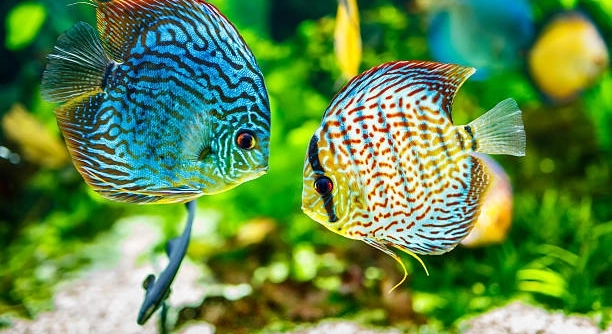
Discus fish are popular among aquarium lovers for their bright colors and calm nature. Many owners want to understand their behavior better, especially how they interact with plants in their tank. Knowing this can help create a comfortable home for them.
Discus fish do enjoy hiding under plants, as it provides them with a sense of security and reduces stress. Plants offer natural shelter that mimics their environment in the wild, helping them feel safe from potential threats and bright light.
Learning about this behavior can improve how you set up your aquarium. Creating the right environment ensures your discus fish stay healthy and comfortable.
Why Discus Fish Feel Safe Under Plants
Discus fish come from slow-moving rivers with lots of plants and roots, so they are used to having places to hide. Plants give them cover, which helps reduce stress and keeps them calm. When discus fish hide under leaves, they feel protected from bigger fish or bright lights that might scare them. This hiding behavior also helps them rest and stay comfortable during the day. If a tank has plenty of plants, discus are more likely to explore and show their true colors. Without plants, these fish can become shy and stressed. Providing plants mimics their natural environment and improves their overall health. It also helps keep the tank balanced by absorbing waste and offering oxygen. Adding soft, broad-leaf plants is best because discus can rest beneath them easily. Overall, plants play a big role in making discus fish feel safe and happy in their home.
Plants not only offer hiding spots but also contribute to better water quality. This creates a healthier tank environment for discus fish.
Having the right plants in your aquarium can make a big difference. Plants like Amazon swords, java fern, and cryptocoryne work well because they have large leaves that discus like to hide under. These plants don’t require too much light or care, making them perfect for beginners. When you place these plants thoughtfully, discus will feel more secure and less likely to hide all the time. It’s good to keep some open swimming space, too, so the fish can move around comfortably. Watching your discus explore both the plants and open areas shows they feel at ease. Keeping plants healthy is important—trim dead leaves and avoid chemicals that can harm both plants and fish. A balanced aquarium with the right plants helps discus fish thrive.
Choosing the Best Plants for Your Discus Tank
Soft-leafed plants are ideal for discus tanks because they provide gentle cover without sharp edges.
Discus fish prefer plants with broad, soft leaves where they can easily hide and rest. Plants like Amazon sword and java fern meet these needs well. They create natural shade and cover while keeping the water clean. It’s important to avoid plants that grow too fast or have hard, spiky leaves because they can stress or injure the fish. Adding a mix of tall and short plants gives discus various options to hide and swim freely. Live plants also support beneficial bacteria, which helps maintain water quality. Regular care, like trimming and removing dead leaves, keeps the tank healthy. Overall, picking the right plants makes your discus fish feel more secure and encourages their natural behavior. This helps keep them calm and colorful, making your aquarium more enjoyable to watch.
How Plants Affect Discus Fish Behavior
Plants create a calm environment that helps discus fish feel less threatened. They reduce stress and encourage natural behavior like exploring and resting.
When discus fish have plants to hide under, they often seem more confident and active. The plants give them shade and a place to retreat if they feel uneasy. This lowers their stress levels, which is important for their health. Stress can cause discus to lose color or become sick, so plants play a big role in keeping them bright and lively. You might notice your discus spending more time swimming openly when they feel safe in a planted tank.
Plants also help discus fish feel secure during feeding time. They often come out from hiding spots to eat and then retreat again if needed. This behavior shows how plants provide comfort while still allowing discus to interact with their environment naturally.
Maintaining Plants in a Discus Aquarium
Healthy plants need regular care like trimming dead leaves and controlling algae growth.
Keeping plants healthy means maintaining clean water and moderate lighting. Too much light can cause algae to grow fast, which competes with plants for nutrients. Removing algae and trimming plants helps keep the tank balanced. It’s also important to use fish-safe fertilizers if needed, but avoid chemicals that could harm discus fish. Regular water changes improve plant growth and keep the environment stable. Well-maintained plants not only look good but also support discus fish health by improving water quality and offering safe hiding spots. A healthy planted tank encourages discus to display natural behaviors and feel at ease in their home.
Common Plants That Discus Enjoy
Amazon swords, java fern, and cryptocoryne are popular plants that discus fish like. These plants have soft leaves that provide perfect hiding spots without sharp edges.
They are also easy to care for and help keep the water clean. Their broad leaves create shade and shelter, making discus feel more secure in the tank.
Avoiding Overcrowding with Plants
Too many plants can limit swimming space, causing stress for discus fish. It’s important to balance coverage and open areas so they can move freely. A few well-placed plants create comfort without restricting activity.
Lighting for a Planted Discus Tank
Moderate lighting supports plant health without stressing discus. Too much light can encourage algae growth and make discus shy. Proper light levels keep both plants and fish happy.
FAQ
Do discus fish need plants to feel comfortable?
Discus fish don’t absolutely need plants, but having them greatly improves their comfort and well-being. Plants provide hiding spots that reduce stress, which is important for their health. Without plants, discus can become shy and stressed, which may affect their appetite and color. In a bare tank, they might hide behind decorations or stay near the bottom, showing discomfort. Adding plants mimics their natural habitat, making them feel safer and more at ease.
Can artificial plants replace live plants for discus fish?
Artificial plants can offer hiding places, but they don’t provide the same benefits as live plants. Live plants improve water quality by absorbing nitrates and producing oxygen, which helps maintain a stable environment. They also create a more natural setting that encourages natural behaviors. Artificial plants might not be as soft or safe, sometimes having sharp edges that can injure delicate discus fins. For the best environment, live plants are recommended, but good-quality artificial plants can be used temporarily or in low-light tanks.
How do plants help with discus fish health?
Plants help keep the water clean by using waste nutrients like nitrates, reducing harmful buildup. They also add oxygen to the water, which is vital for discus fish. A planted tank tends to have fewer sudden changes in water chemistry, reducing stress on the fish. Stress weakens discus immune systems, so plants indirectly support their health. Additionally, the cover plants provide helps discus avoid aggressive tank mates or bright lights, lowering stress and preventing injuries.
What plants grow best in a discus tank?
Plants like Amazon sword, java fern, and cryptocoryne grow well in discus tanks. These plants have broad, soft leaves that discus like to hide under. They tolerate lower light and warmer water, matching discus tank conditions. These species are also hardy, making them easier to care for, especially for beginners. Floating plants like duckweed can add extra shade but might require regular thinning to prevent blocking too much light. Choosing plants that suit your tank’s light and water conditions is key for a healthy environment.
How often should I trim plants in my discus aquarium?
Trimming plants once every two to four weeks helps keep them healthy and encourages new growth. Removing dead or yellowing leaves prevents decay that can pollute the water. Regular trimming also stops plants from taking over the tank and ensures enough open space for discus to swim. If plants grow too dense, they can limit water flow and light, which affects both plants and fish negatively. Keeping a good balance between planted areas and open space supports discus comfort and tank health.
Can discus fish damage aquarium plants?
Discus fish generally do not harm plants. They are peaceful and tend to avoid eating or uprooting plants. However, young or stressed discus might nibble on soft plant leaves occasionally, but this behavior is rare. Strong root systems and healthy plants usually withstand any minor disturbances. It’s important to choose sturdy plants and anchor them well to prevent damage from fish movement or cleaning. Overall, discus are safe companions for most common aquarium plants.
What is the best way to introduce plants to a discus tank?
Introduce plants slowly to avoid upsetting the water conditions. Start by planting a few hardy species and watch how discus react. Make sure plants are clean and free from pests or chemicals before adding them. Gradually increase the number of plants as your tank stabilizes. This also allows you to monitor algae growth and water quality changes. Keeping water temperature and pH steady during this time helps plants and discus adjust comfortably to the new environment.
How do I prevent algae growth on plants in a discus tank?
Algae can grow quickly if the tank gets too much light or excess nutrients. To prevent this, avoid overfeeding discus and keep light levels moderate. Regular water changes and trimming plants remove dead matter that algae feed on. Introducing algae eaters like snails or certain shrimp can help control algae naturally. Balancing nutrients by not adding too many fertilizers also reduces algae risks. Maintaining clean water and healthy plants keeps algae under control, creating a better home for discus fish.
Are floating plants good for discus tanks?
Floating plants can be helpful as they create shade and reduce bright light that might stress discus. They also provide extra cover and help absorb excess nutrients. However, if they grow too dense, floating plants may block too much light, harming submerged plants and disrupting the tank’s balance. It’s important to thin them regularly and monitor how much light reaches the bottom of the tank. When managed well, floating plants contribute to a healthy, comfortable environment for discus fish.
Can planted tanks reduce discus fish aggression?
Plants can reduce aggression by breaking the line of sight between fish and providing hiding places. Discus fish are generally peaceful but may show territorial behavior when stressed or crowded. Dense planting offers safe spaces for shy fish to retreat, lowering conflict. It also reduces stress caused by constant exposure to other fish. While plants help, it’s important to keep the tank size adequate and avoid overstocking. Combining good tank management with plants creates a calm environment that minimizes aggressive behavior.
When setting up a tank for discus fish, thinking about plants is important. Plants offer more than just decoration; they help create a safe and natural space for discus to live in. These fish come from areas where water is full of plants, so having plants in the aquarium helps them feel at home. The plants give discus places to hide when they feel scared or need rest. This can lower their stress and keep them healthier. Stress in fish often leads to illness or loss of color, so plants play a key role in keeping discus vibrant and strong.
It is also important to pick the right plants. Soft, broad-leaf plants like Amazon sword, java fern, and cryptocoryne work best because discus like to rest under their leaves. These plants survive well in the warmer, low-light conditions that discus prefer. Having a mix of tall and short plants gives discus choices for hiding and swimming. But too many plants can make the tank feel crowded and limit swimming space. Keeping a good balance between plants and open water is the best way to help discus stay comfortable. Regular care, such as trimming dead leaves and controlling algae, keeps plants healthy and the tank clean.
Finally, plants also help keep the water healthy. They absorb harmful chemicals like nitrates and add oxygen to the water, which discus need to breathe. Healthy water means healthier fish. Good water quality combined with a natural environment helps discus act more like they would in the wild. When discus feel safe and relaxed, they are more likely to show their beautiful colors and natural behaviors. Taking time to care for both plants and fish creates a peaceful and balanced aquarium that is enjoyable to watch and good for discus long-term.

Hello,
If you enjoy the content that we create, please consider saying a "Thank You!" by leaving a tip.
Every little bit helps us continue crafting quality advice that supports the health, happiness, and well-being of pets around the world, for pets of all shapes, sizes, and species.
We really appreciate the kindness and support that you show us!