
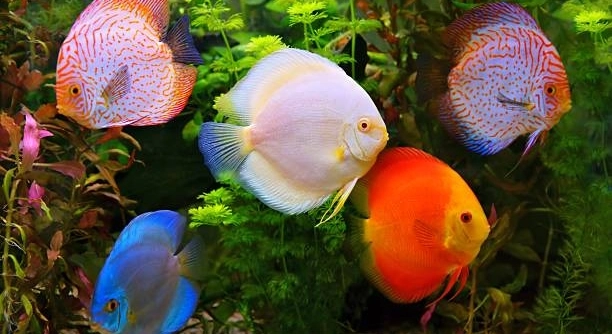
Are your young discus fish not growing as quickly or as evenly as you’d hoped, despite your best care and feeding efforts?
The key to healthy juvenile discus growth lies in seven essential nutrients: protein, fat, vitamins, minerals, fiber, carotenoids, and amino acids. Each plays a specific role in development, immunity, and color enhancement.
Understanding how each nutrient supports growth can help you adjust their diet and create the best environment for your discus to thrive.
Protein: Building Blocks for Growth
Protein is the most important nutrient for juvenile discus. It helps build muscle, repair tissue, and support overall growth. Fish in their early stages grow fast, and their bodies need a steady supply of high-quality protein. Look for food that includes fish meal, shrimp, or krill as the main ingredient. These are easier for discus to digest and provide complete amino acids. Avoid fillers like wheat or soy as they don’t offer much value. Protein should make up around 50% of a young discus diet, especially during their first six months when growth is rapid.
Good protein sources also help discus stay active and alert. You may notice brighter colors and more balanced swimming once their diet is improved.
Keep in mind that overfeeding protein can affect water quality. Uneaten food breaks down quickly, so feed smaller portions several times a day. This keeps both the fish and tank conditions healthy.
Fats: Supporting Energy and Cell Function
Fats give discus the energy they need to grow and stay active. They also help with hormone development and skin health.
A young discus needs fats, but only in moderation. Look for foods with fish oil or other marine-based fats. These support proper brain development and improve how well the fish absorb certain vitamins. Fat should make up about 10%–15% of their diet. If you notice your discus becoming sluggish or losing weight, low fat intake might be a reason.
It’s best to avoid foods with excessive saturated fats or poor-quality oils. These can make digestion harder and affect long-term health. A balanced fat level keeps the fish active, supports natural color, and helps regulate body temperature. Pairing fats with quality proteins allows discus to grow steadily without stress. When reading food labels, focus on fat sources just as much as protein to make sure your fish are getting what they need.
Vitamins: Small Nutrients, Big Impact
Vitamins support immune health, bone strength, and organ function. Without enough of them, discus can become weak, dull in color, or more prone to illness. A varied diet helps cover their vitamin needs naturally.
Vitamin C boosts immunity and helps prevent stress-related issues, especially in tanks with frequent water changes. Vitamin D supports bone and spine development, which is important for proper growth. Vitamins A and E are good for skin, eyesight, and reproduction. Most quality discus foods already include these, but it helps to rotate between dry, frozen, and live options. Over time, poor vitamin levels may lead to stunted growth, bent fins, or fading color.
Feeding discus a mix of food types makes it easier for them to get a full range of vitamins. You can also use liquid vitamin supplements if needed, especially during times of stress or when transitioning young fish to new foods.
Minerals: Strengthening the Framework
Minerals help build strong bones and regulate body functions like nerve signals and fluid balance. Calcium, phosphorus, magnesium, and potassium are especially important for growing discus. A shortage can lead to poor posture or abnormal swimming.
Calcium and phosphorus work together to form strong bones and healthy fin rays. Magnesium supports muscle movement and enzyme functions, while potassium helps regulate fluid inside cells. Most discus foods include basic mineral content, but some diets may still fall short. If you notice slower growth or signs of weakness, minerals could be a factor. Crushed eggshells or mineral-rich foods like daphnia and spirulina can help. Also, watch your water parameters—soft water often lacks these essential minerals. You might need to adjust hardness using safe supplements. By keeping both food and water balanced, you can support healthy, steady growth in your young discus.
Fiber: Aiding Digestion
Fiber helps juvenile discus digest their food properly and keeps their digestive tract functioning smoothly. Without enough fiber, they may experience bloating or constipation, which can affect growth and behavior.
Foods like spirulina, spinach, and peas offer gentle fiber that supports regular digestion without causing blockages or stress.
Carotenoids: Enhancing Natural Color
Carotenoids are pigments found in foods like shrimp, krill, and algae. They don’t just make discus look more colorful—they also support eye health and immunity. Juvenile discus especially benefit from carotenoids during growth, as color begins to develop early. Regular exposure through natural foods can lead to brighter, more vibrant fish over time.
Amino Acids: Supporting Tissue Repair
Amino acids help with tissue growth and repair. They also play a role in immune strength and energy. High-quality protein sources naturally contain all the amino acids juvenile discus need.
FAQ
How often should I feed juvenile discus to support proper growth?
Juvenile discus should be fed 4 to 6 times a day in small portions. Their fast metabolism requires frequent meals to support steady growth. Overfeeding in one sitting can lead to uneaten food, which harms water quality. Instead, spread out feeding times and watch how much they eat in 5 minutes. As they grow, you can slowly reduce the number of feedings. But during the first few months, consistency and small portions throughout the day are key to avoiding stunted growth and poor development. Stick to a routine and adjust if you see changes in appetite or behavior.
Can I feed my discus only dry food, like pellets or flakes?
Feeding only dry food can limit the variety of nutrients your discus receive. High-quality pellets and flakes are fine as part of the diet, but they shouldn’t be the only source. Juvenile discus benefit from frozen and live foods like bloodworms, brine shrimp, and daphnia. These foods provide natural proteins, fats, and vitamins that dry food may lack. Mixing food types also keeps them interested in eating. Some discus may ignore dry food entirely, especially when young, so it helps to slowly introduce it while keeping other food options available.
What signs show that my discus might have a nutrient deficiency?
Slowed growth, faded color, clamped fins, and abnormal swimming are some common signs. If a discus becomes less active, loses appetite, or stays in a corner, it could be a hint something is off. A poor diet can also make them more likely to get sick, especially in shared tanks. If you see frayed fins, poor posture, or digestive issues like white stringy poop, you may need to review their feeding routine and food quality. Offering a varied diet with essential nutrients can usually fix mild deficiencies before they become serious.
Do I need to add supplements to their food?
Supplements can be helpful but aren’t always necessary if you’re already using a varied, balanced diet. However, during times of stress or after illness, adding liquid vitamins or mineral powders to food can support recovery. Some breeders regularly coat dry food with vitamin supplements to make sure young discus get enough nutrients. Just be careful not to overdo it, especially with fat-soluble vitamins like A and D. If your fish are healthy, growing, and active, they’re likely getting what they need from their regular meals.
Is live food better than frozen or dry food for juvenile discus?
Live food is often more nutritious and triggers a stronger feeding response in discus. It’s especially helpful during the early stages when young fish can be picky. Live brine shrimp or blackworms are good choices, but they must be clean and parasite-free. Frozen food is a safer and more convenient option, offering similar benefits without the risk of introducing diseases. Dry food, while easiest to store and use, should be high quality and used alongside other food types. A good mix of all three provides the best coverage for protein, fats, and other essential nutrients.
How important is water quality when feeding high-protein foods?
Water quality is just as important as the food itself. High-protein foods break down quickly and can pollute the tank if uneaten. This can lead to ammonia spikes, stress, and sickness. To avoid this, feed only what your fish can finish in a few minutes, and perform regular water changes. Using a sponge filter or bio-media helps manage waste and keeps the tank stable. Feeding often in small amounts is better than giving large meals. Clean, warm, and stable water combined with proper feeding creates the best environment for young discus to grow strong.
Final Thoughts
Raising healthy juvenile discus takes patience, consistency, and attention to detail. Their growth depends on more than just clean water—it relies heavily on what they eat each day. A balanced diet with the right mix of protein, fats, vitamins, minerals, fiber, carotenoids, and amino acids supports steady development, strong immunity, and bright color. Each of these nutrients plays a specific role in helping young discus grow into strong, active adults. When any one of them is missing or too low, it can lead to health issues, slow growth, or weakened resistance to stress and disease. This is why choosing the right food—and feeding it correctly—is so important in the early months of life.
Feeding small amounts several times a day is more effective than one or two large feedings. It not only improves digestion but also keeps waste levels lower in the tank. Variety in the diet also helps. Combining quality pellets or flakes with frozen or live foods gives your discus a wider range of nutrients and keeps them interested in feeding. While dry food is convenient, adding natural food sources like brine shrimp or daphnia gives young discus what they need to thrive. It’s also helpful to observe their behavior regularly. Loss of appetite, dull colors, or slow movement can be early signs that something in the diet—or the tank environment—isn’t right.
There is no single perfect food or strict routine that works for every fish keeper. Each tank is a little different, and each discus may respond differently to certain foods. But when you focus on balanced nutrition, clean water, and a calm tank environment, you create the best chance for your young discus to grow well. Don’t be afraid to adjust feeding amounts, rotate foods, or try supplements when needed. Small changes can make a big difference over time. The effort you put in now will show in the way your discus grow, interact, and display their natural beauty. Keeping their needs simple and consistent is often the best way to help them reach their full potential.

Hello,
If you enjoy the content that we create, please consider saying a "Thank You!" by leaving a tip.
Every little bit helps us continue crafting quality advice that supports the health, happiness, and well-being of pets around the world, for pets of all shapes, sizes, and species.
We really appreciate the kindness and support that you show us!