
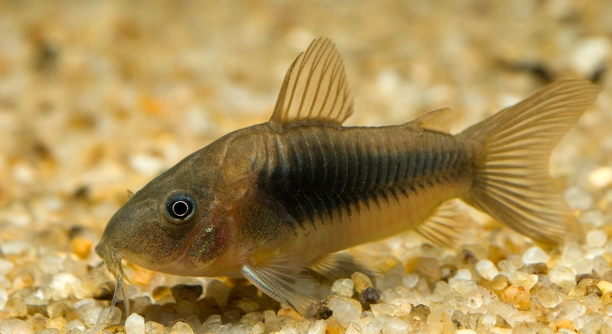
Corydoras catfish are a popular choice for aquarium enthusiasts due to their peaceful nature and unique behavior. One question that often comes up is what type of substrate is best for them. Sand and gravel are both common options.
Corydoras catfish generally prefer sand over gravel as it mimics their natural habitat, allowing them to sift through the substrate without damaging their sensitive barbels. Gravel can be too rough, causing irritation and difficulty in foraging.
Choosing the right substrate is key to keeping your Corydoras catfish healthy and happy. We’ll discuss the advantages of both sand and gravel and help you make an informed decision for your aquarium.
Why Substrate Matters for Corydoras Catfish
The type of substrate you choose for your aquarium plays a significant role in the health and well-being of your Corydoras catfish. These fish are bottom dwellers, constantly foraging and scavenging along the substrate for food. Sand offers a softer, finer surface that mimics their natural habitat, making it easier for them to search for food without injuring themselves. Gravel, on the other hand, can be rough and challenging for them to navigate. Over time, gravel may cause stress to Corydoras, especially if it irritates their delicate barbels or impedes their ability to forage. Understanding the differences between these two options can make a big difference in the comfort and health of your fish.
Choosing the right substrate isn’t just about aesthetics; it impacts the overall quality of your aquarium. Proper substrate choice ensures that your fish feel safe, reducing stress and allowing them to thrive in your aquarium environment.
If you’re considering which substrate to go with, think about how the Corydoras will interact with it. Sand is gentle on their sensitive barbels, while gravel could pose issues. Sand mimics their natural foraging environment, whereas gravel could be more challenging for these fish to navigate, especially when they’re sifting for food.
Types of Sand and Gravel for Corydoras Catfish
When it comes to selecting sand or gravel, it’s important to pick the right kind that suits your Corydoras catfish. Fine sand is the best choice, as it allows the fish to sift through it without the risk of injury. Avoid sharp-edged sand, as this can damage their barbels.
Gravel should be rounded and smooth, preventing any harm to the fish. The ideal gravel size is between 1 and 3 millimeters, which makes it easy for Corydoras to swim over and still sift through for food. Coarse gravel can be difficult for the fish to navigate and may irritate them. Additionally, gravel with sharp edges can lead to cuts or injuries on their delicate barbels.
Selecting the right substrate is more than just about how it looks. It’s crucial to ensure that the sand or gravel you choose is gentle and allows for natural behaviors, like foraging. When Corydoras are happy and comfortable in their habitat, they are more likely to be active, healthy, and free from stress. It’s worth considering how your fish will interact with their environment when making your decision.
Sand vs. Gravel: Pros and Cons
Sand is typically easier on Corydoras catfish because of its fine texture, which helps prevent injury. It allows the fish to sift through the substrate, mimicking their natural behavior. However, sand can trap debris more easily, requiring regular maintenance to keep the aquarium clean.
While sand offers a more natural environment, it can lead to waste and uneaten food accumulating at the bottom. This can cause water quality issues if not managed properly. Regular water changes and vacuuming are essential to avoid harmful buildups. Sand also compacts over time, which could potentially harm plant roots or filter systems if not maintained properly.
Gravel, on the other hand, allows for better water circulation as it doesn’t compact as easily. This can help prevent anaerobic pockets, reducing the risk of harmful gases building up in your tank. However, gravel may not provide the same natural foraging space that sand does, making it less ideal for Corydoras catfish in the long run.
Substrate and Water Quality
The type of substrate you choose can influence the overall water quality of your aquarium. Sand can affect the water parameters if it’s not maintained, especially if waste accumulates. To prevent water quality issues, make sure to clean the sand regularly.
On the flip side, gravel is less likely to trap food or debris, which can result in fewer problems with water quality. However, it’s still important to perform regular maintenance to ensure that no waste is building up under the gravel. A well-maintained substrate helps support beneficial bacteria that break down harmful toxins.
Both substrates have their benefits, but sand tends to require more frequent attention. If you opt for gravel, you’ll find it easier to keep the water clean with less work. Regardless of the choice, maintaining proper filtration and doing regular water changes is key to maintaining a healthy tank.
Sand and Gravel Maintenance
Maintaining sand in an aquarium requires regular cleaning to prevent debris buildup. A fine-gravel vacuum works well to remove waste from the surface. However, too much disturbance can lead to compacted sand, which can harm plant roots and block water flow.
On the other hand, gravel is easier to clean and typically requires less attention. Its larger particles allow for better water flow, reducing the risk of anaerobic zones. While gravel doesn’t compact like sand, debris can still settle between the rocks, so occasional cleaning is necessary to keep the tank clean and the water quality high.
The Impact on Corydoras Behavior
Corydoras catfish are active bottom dwellers that love to sift through the substrate for food. Sand provides a more natural environment for them, allowing them to engage in this behavior comfortably. They feel more at ease and are more likely to display their natural foraging instincts.
With gravel, Corydoras may have a harder time foraging effectively. While they can still search for food, the rough surface can cause stress. This is especially true if the gravel is sharp, which could irritate their sensitive barbels. For healthier, happier fish, sand is the better option.
Other Considerations for Substrate Choice
When choosing between sand and gravel, consider the needs of your other tank inhabitants. Some plants may do better in gravel, where roots can spread more easily. However, if you have shrimp or other bottom-dwelling fish, sand might be more suitable as it mimics their natural environment more closely.
FAQ
Do Corydoras catfish prefer sand or gravel?
Corydoras catfish generally prefer sand over gravel due to its fine texture, which mimics their natural environment. Sand allows them to sift through it, a behavior they naturally exhibit in the wild. Gravel can be too rough on their sensitive barbels, making it harder for them to forage properly. If you want your Corydoras to be as comfortable as possible, sand is the better option.
Can Corydoras live in gravel?
Yes, Corydoras can live in gravel, but it’s not the best substrate for them. While they can forage in gravel, it can cause irritation to their barbels, especially if the gravel is sharp. Over time, gravel may not allow them to engage in their natural sifting behavior. If you choose gravel, opt for rounded, smooth gravel to reduce the risk of injury.
Is sand hard to maintain in an aquarium?
Sand requires more maintenance compared to gravel. It tends to trap waste, uneaten food, and debris more easily, which can cause water quality issues if not cleaned regularly. A fine-gravel vacuum can help clean the sand, but it needs to be done carefully to avoid compacting it. Regular water changes and good filtration are also necessary to keep the sand clean and the water healthy.
Does gravel allow for better water filtration?
Gravel can provide better water filtration compared to sand because its larger particles allow for more water movement. This helps prevent anaerobic pockets from forming, where harmful gases can accumulate. However, gravel still needs to be cleaned regularly to prevent waste from settling between the stones. Proper filtration is key regardless of the substrate choice.
Is it safe to mix sand and gravel in an aquarium?
Yes, you can mix sand and gravel, but it’s not always necessary. Mixing substrates can provide a visually appealing effect, but it may create challenges when it comes to cleaning. Waste may get trapped between the gravel and sand, making it harder to vacuum effectively. If you decide to mix them, choose smooth gravel and fine sand to minimize potential issues.
How often should I clean the sand or gravel?
For sand, it’s important to clean it every couple of weeks to remove debris and prevent waste buildup. Use a fine-gravel vacuum to gently sift through the sand, being careful not to compact it. Gravel should be cleaned every 2-3 weeks, depending on the tank’s size and fish activity. Make sure to vacuum the substrate thoroughly to remove debris that may have settled between the gravel pieces.
Can I use aquarium plants with sand or gravel?
Both sand and gravel can support live plants, but gravel generally provides better support for plant roots. Plants tend to anchor better in gravel, which allows their roots to spread more easily. However, with sand, plant roots can become compacted, making it harder for them to grow. If you want plants to thrive, consider using a nutrient-rich substrate or adding plant fertilizer to the sand.
Does the color of the substrate matter for Corydoras?
The color of the substrate doesn’t directly affect the health of Corydoras catfish, but it can have an impact on the overall aesthetic of the aquarium. Some fish feel more secure in tanks with darker substrates, as it can reduce stress and mimic their natural environment. Lighter substrates can brighten up the tank, but they may not offer the same feeling of safety for some species.
Can Corydoras catfish live without a substrate?
While Corydoras can survive without a substrate, it’s not ideal for their long-term well-being. These fish are bottom dwellers and naturally sift through the substrate to forage for food. Without a substrate, they won’t be able to express this behavior, which can cause stress over time. If you choose not to use a substrate, you will need to ensure your Corydoras still have a safe, comfortable space to swim and explore.
How do I know if the substrate is harming my Corydoras?
If your Corydoras catfish appear stressed, are constantly rubbing their barbels on objects, or seem to struggle foraging, the substrate could be causing harm. Injuries to the barbels, such as tears or swelling, may also indicate that the substrate is too rough. If you notice these signs, consider switching to a finer, softer substrate like sand to prevent further damage.
Should I add a layer of gravel under the sand?
Some aquarists choose to add a layer of gravel under the sand to help with water circulation and prevent the sand from compacting. While this can help with water movement, it’s not always necessary. If you’re using a fine sand that’s cleaned and maintained regularly, adding gravel may not be required. However, it can be a good option if you’re trying to create a more structured environment for your plants or aquarium’s filtration system.
Can I use quartz sand for Corydoras?
Quartz sand is generally safe for Corydoras catfish as long as it is smooth and fine. Sharp-edged sand can cause injuries to their barbels, so it’s important to choose a sand with rounded grains. Quartz sand is often clear or white, so it can provide a bright and clean look to your aquarium, but always ensure it’s free of sharp edges to protect your fish.
What is the best temperature for Corydoras in an aquarium with sand or gravel?
Corydoras catfish thrive in water temperatures between 72°F and 78°F (22°C to 26°C), regardless of the substrate. The type of substrate won’t affect their ideal temperature range. However, it’s important to maintain a consistent temperature to ensure their overall health. Sudden temperature fluctuations can cause stress and weaken their immune systems.
Can I use sand for a freshwater aquarium?
Yes, sand is perfectly safe for freshwater aquariums. As long as you choose a fine, non-sharp sand, it can provide an ideal environment for Corydoras catfish and other bottom dwellers. Just be sure to maintain the sand properly to avoid water quality problems.
Final Thoughts
When it comes to choosing between sand and gravel for Corydoras catfish, it’s clear that both options have their pros and cons. Sand is generally the better choice, as it mimics their natural environment, allowing them to sift through it comfortably. This natural behavior is important for their health and well-being, as it helps keep them active and less stressed. However, sand does require more maintenance. It can trap waste and debris easily, so regular cleaning and water changes are necessary to keep the tank clean and the water quality high. Without proper care, sand can lead to water quality issues, which can affect the overall health of your fish.
Gravel, on the other hand, can be easier to maintain as it doesn’t trap debris in the same way. It allows better water circulation and can reduce the risk of harmful gases building up in anaerobic pockets. Gravel is also less likely to compact, which makes it better for plant roots in some cases. However, it doesn’t offer the same natural foraging environment for Corydoras. They may have a harder time searching for food, and the rough surface can irritate their sensitive barbels, leading to stress over time. For those who choose gravel, selecting smooth, rounded gravel is essential to prevent injury.
Ultimately, the best substrate choice comes down to your personal preferences and your willingness to maintain the aquarium. If you’re ready to clean the sand regularly and ensure that your Corydoras have a safe, comfortable space, sand can be a great option. If you want something that’s easier to maintain with fewer concerns about waste buildup, gravel might suit you better. Either way, keeping your aquarium clean and maintaining water quality is key to the happiness and health of your Corydoras catfish. Consider all the factors carefully to create the best environment for your fish.

Hello,
If you enjoy the content that we create, please consider saying a "Thank You!" by leaving a tip.
Every little bit helps us continue crafting quality advice that supports the health, happiness, and well-being of pets around the world, for pets of all shapes, sizes, and species.
We really appreciate the kindness and support that you show us!