
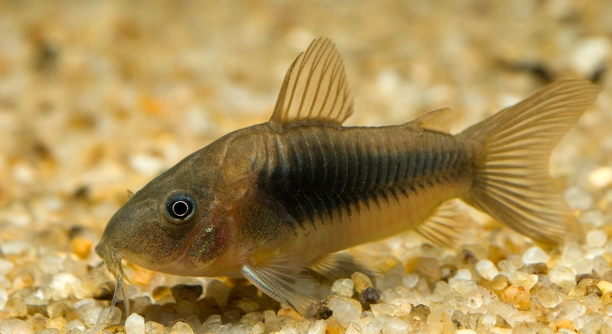
Corydoras catfish are popular freshwater aquarium fish, known for their peaceful nature and helpful cleaning habits. However, if you have snails in your tank, you might wonder if these catfish are eating them. Let’s explore the details.
Corydoras catfish generally do not eat snails, as their diet mainly consists of plant matter, detritus, and small invertebrates. While they might nibble on snail eggs or dead snails, they don’t typically hunt live snails.
Understanding what is safe for your Corydoras to eat will help maintain the balance in your tank. There are certain things to keep in mind when feeding them, and knowing what’s best for them can avoid potential issues.
What Do Corydoras Catfish Eat?
Corydoras catfish are bottom dwellers and scavengers, often referred to as “clean-up crew” in aquariums. Their diet consists mainly of sinking pellets, algae wafers, and small invertebrates that rest on the tank floor. They have specialized barbels on their faces, helping them locate food in the substrate. They are omnivores, meaning they eat both plant matter and small animal organisms. In the wild, they feed on decaying plant matter, small insects, and even tiny crustaceans. In captivity, they can also eat live or frozen foods like brine shrimp, bloodworms, or daphnia. This helps ensure they receive a well-rounded diet.
While Corydoras catfish aren’t known for hunting snails, they can occasionally munch on snail eggs or dead snails. However, they don’t usually target healthy, live snails for food.
Providing your Corydoras with a balanced diet is key for their health and growth. In addition to their primary food, you can offer them fresh vegetables such as blanched zucchini or spinach. This helps diversify their nutrition. Over time, you’ll notice how these catfish thrive on a varied and nutritious diet. Keep in mind that it’s essential to avoid overfeeding, as it can lead to water quality issues. Proper feeding routines not only keep your fish healthy but also contribute to a well-maintained tank.
Do Corydoras Catfish Help Control Snail Populations?
Corydoras catfish are not reliable for snail control in an aquarium. While they might occasionally nibble on a dead snail or eggs, they won’t keep your snail population in check. For that, other methods might be needed.
If you want to reduce the snail population in your tank, you may need to rely on other options. There are snails-eating fish like loaches, or you can manually remove snails by hand. Introducing predators that target snails specifically is one approach, but you must be cautious to ensure they don’t harm your other tank inhabitants. Another option is using snail traps to catch them, or adding plants that snails avoid, which can limit their ability to breed. In any case, Corydoras alone won’t solve the snail problem.
When managing snails in a tank, it’s essential to balance your methods. You can also avoid overfeeding, which can contribute to the rapid growth of snail populations. Snails thrive on leftover food and organic waste, so maintaining clean tank conditions helps reduce their numbers naturally. Whether through physical removal, introducing snail-eating species, or adjusting feeding habits, you can successfully control snails without relying on Corydoras catfish alone.
What to Avoid Feeding Corydoras Catfish
Certain foods should be avoided when feeding Corydoras catfish. Overly fatty or protein-rich foods, like high-fat fish flakes, can harm their digestive system. Similarly, feeding them too much live food can lead to obesity and health issues.
Corydoras catfish need a balanced diet, so it’s important to avoid foods that could upset their digestion. High-protein foods, such as excessive live or frozen foods, should be offered in moderation. Too much protein can cause fat buildup in their bodies, leading to health complications like fatty liver disease. Processed foods with additives or artificial colorings can also be harmful. Stick to a varied diet with sinking pellets, algae wafers, and small amounts of fresh vegetables to ensure they get the nutrients they need without risking their health.
Overfeeding should also be avoided. It can lead to excess waste in the tank, which harms both the catfish and the water quality. A healthy feeding routine, with the right foods, will ensure your Corydoras catfish stay happy and active.
What Foods Are Safe for Corydoras Catfish?
Corydoras catfish thrive on a mix of plant matter and small invertebrates. Foods like sinking pellets, algae wafers, and vegetable matter are all safe and beneficial. You can also offer live or frozen food on occasion.
Corydoras catfish will happily eat sinking pellets designed for bottom dwellers. These are packed with the nutrients they need to stay healthy. Algae wafers are another great option, as they mimic the food these fish would find in their natural environment. They will also eat blanched vegetables, such as zucchini or spinach, which are a good source of fiber. In addition, small live foods like brine shrimp or daphnia provide extra protein and variety, keeping your fish active and engaged. Offering different types of food ensures a balanced diet.
Make sure to adjust feeding amounts based on your catfish’s size and activity level. Overfeeding can lead to poor water quality, while underfeeding can result in malnutrition. As long as you provide a balanced mix, your Corydoras will remain healthy and happy.
Can Corydoras Catfish Live With Snails?
Corydoras catfish can live peacefully with snails in most aquariums. Their gentle nature makes them suitable tankmates for snails. However, certain types of snails might need extra care.
Corydoras catfish will generally ignore snails unless they are dead or injured. Snails, in turn, are usually unaffected by Corydoras. This makes them compatible with each other, especially in larger, well-maintained tanks. However, some snails can reproduce quickly and might need control if their numbers get too high. The presence of Corydoras may keep them in check, but it won’t eliminate them.
It’s important to monitor both the catfish and snails. Corydoras won’t harm healthy snails, but snails can sometimes outcompete them for food. Ensure that both species are properly fed to avoid any issues.
Snail-Resistant Plants for Your Tank
Some plants are better at resisting snails than others. Plants like java moss and anubias can withstand snail munching, helping maintain tank balance.
Java moss and anubias are excellent choices for aquariums with snails. They are hardy, slow-growing, and not as appealing to snails as other plants. Snails tend to prefer softer, faster-growing plants, so these types provide a better defense. In addition to being snail-resistant, they also provide hiding spots for Corydoras catfish, promoting a healthy environment. Regularly check your plants for signs of snail damage to ensure they’re thriving.
These plants will also help maintain water quality by absorbing excess nutrients that snails feed on, indirectly limiting their food sources.
FAQ
Do Corydoras catfish eat live snails?
Corydoras catfish typically do not eat live snails. Their diet consists mainly of plant matter, detritus, and small invertebrates that are already dead or decaying. They are scavengers, picking up bits of food from the tank floor, but they don’t actively hunt live snails. However, they might occasionally nibble on dead snails or their eggs if they find them in the substrate. If you’re concerned about your snails, Corydoras are not likely to pose a threat to healthy, live snails.
Can Corydoras catfish help with snail control?
Corydoras catfish won’t help with snail control on their own. While they might eat snail eggs or deceased snails, they do not actively hunt live snails. Snail populations may grow quickly, so relying solely on Corydoras to manage them isn’t effective. If you want to control snails, you’ll need to look into other methods, like adding snail-eating fish such as loaches, using traps, or manually removing them from your tank.
What kind of snails can live with Corydoras catfish?
Most snails can live peacefully with Corydoras catfish, as Corydoras are generally gentle fish. Common tank snails, like the Malaysian trumpet snail, Nerite snails, or ramshorn snails, can coexist with Corydoras. These snails won’t bother your catfish, and the Corydoras typically won’t bother them. However, if snail populations get too high, it’s important to control them to avoid overfeeding and poor water quality. The key is to keep your tank balanced with proper maintenance.
What plants are safe for Corydoras and snails together?
Plants that are hardy and slow-growing are great choices for a tank with both Corydoras and snails. Java moss, anubias, and java fern are excellent options. These plants are not particularly appealing to snails and can withstand some nibbling. They also provide good hiding spots for Corydoras. Avoid soft, delicate plants like water lettuce or some species of stem plants, as snails tend to prefer those. These slow-growing, sturdy plants will help create a healthier environment for both species and reduce the chance of plant damage.
Can Corydoras catfish eat snail eggs?
Yes, Corydoras catfish may eat snail eggs, especially if they are accessible in the tank. While they are not active hunters of live snails, they will scavenge for snail eggs, particularly if they are located on the glass, plants, or tank decorations. They won’t eliminate an entire snail population, but they might help reduce the number of eggs in your tank. However, this should not be relied upon as a primary method for controlling snails, as Corydoras will not actively seek out all the eggs.
Are Corydoras catfish good tank mates for other species?
Corydoras catfish are peaceful and non-aggressive, making them great tank mates for most community fish. They get along well with species that are not too aggressive or territorial. Common companions for Corydoras include tetras, guppies, mollies, and small peaceful cichlids. Corydoras thrive in a peaceful, stress-free environment. However, it’s important to avoid aggressive fish that may stress them out or compete for food. Always research potential tank mates to ensure they won’t harm or outcompete each other.
Can Corydoras eat algae wafers?
Yes, Corydoras catfish can eat algae wafers. Algae wafers are a suitable food option for these bottom-dwelling fish, as they provide a balanced source of plant matter. Corydoras enjoy algae wafers because they sink to the bottom of the tank, where the fish naturally forage for food. Algae wafers should be part of a varied diet that includes sinking pellets, live or frozen foods, and fresh vegetables. However, they should not be the only food you provide, as Corydoras need a range of nutrients for optimal health.
How often should you feed Corydoras catfish?
Corydoras catfish should be fed once or twice a day. They are scavengers and prefer smaller, more frequent feedings. Overfeeding can lead to excess waste in the tank, affecting water quality and causing health issues for the fish. It’s best to feed them only what they can consume in a few minutes. If any food is left uneaten, remove it to prevent it from decomposing and fouling the water. Adjust the amount of food based on the number and size of your Corydoras to keep them well-fed but not overfed.
Can Corydoras catfish survive in cold water?
Corydoras catfish are tropical fish and require warm water to thrive. They prefer water temperatures between 72°F and 78°F (22°C to 26°C). They can survive in slightly cooler water for short periods, but prolonged exposure to cold water can weaken their immune system, making them more susceptible to disease. To keep your Corydoras healthy, maintain a stable temperature within their preferred range using an aquarium heater. Avoid sudden temperature changes, as they can stress your fish and negatively impact their health.
Do Corydoras catfish need a filter?
Yes, Corydoras catfish benefit from a filter. As bottom-dwelling fish, they produce waste that can affect water quality, so it’s essential to have proper filtration in place. A filter will help keep the water clean and free from excess nutrients. Corydoras also prefer well-oxygenated water, so ensure your filter provides adequate water circulation without creating strong currents, as they are not strong swimmers. A sponge filter is often recommended for Corydoras, as it provides gentle filtration and minimizes the risk of harming the fish with too much current.
Final Thoughts
Corydoras catfish are peaceful and easy-to-care-for fish that make a great addition to many freshwater aquariums. They are bottom-dwellers and help clean up the tank by scavenging for leftover food and detritus. While they’re not typically interested in live snails, they may occasionally eat snail eggs or dead snails if they come across them. If you have snails in your tank, it’s important to note that Corydoras won’t do much to control their population. If you want to reduce snails, you will need to take other steps, such as using snail-eating fish or manually removing them.
When it comes to food, Corydoras are omnivores and enjoy a variety of options, including sinking pellets, algae wafers, and small live or frozen foods. Providing a balanced diet will ensure they stay healthy and active. Avoid feeding them high-protein foods in excess, as too much protein can lead to health problems. Additionally, overfeeding can result in poor water quality, so be sure to feed them only what they can eat in a few minutes. It’s also essential to keep an eye on their tank mates to ensure they’re all getting along and that no one is overcompeting for food.
Overall, Corydoras catfish are a great choice for peaceful community tanks. They do well with a wide variety of other species and can live alongside snails without causing issues. However, you’ll need to manage both the Corydoras’ diet and the snail population to maintain a balanced aquarium. With the right care, Corydoras will thrive and continue to play a helpful role in keeping your tank clean and healthy. Their gentle nature and ease of care make them a favorite among aquarium hobbyists, and they can live harmoniously with many different fish and invertebrates.

Hello,
If you enjoy the content that we create, please consider saying a "Thank You!" by leaving a tip.
Every little bit helps us continue crafting quality advice that supports the health, happiness, and well-being of pets around the world, for pets of all shapes, sizes, and species.
We really appreciate the kindness and support that you show us!